Search Results for: crack filler mortar pump

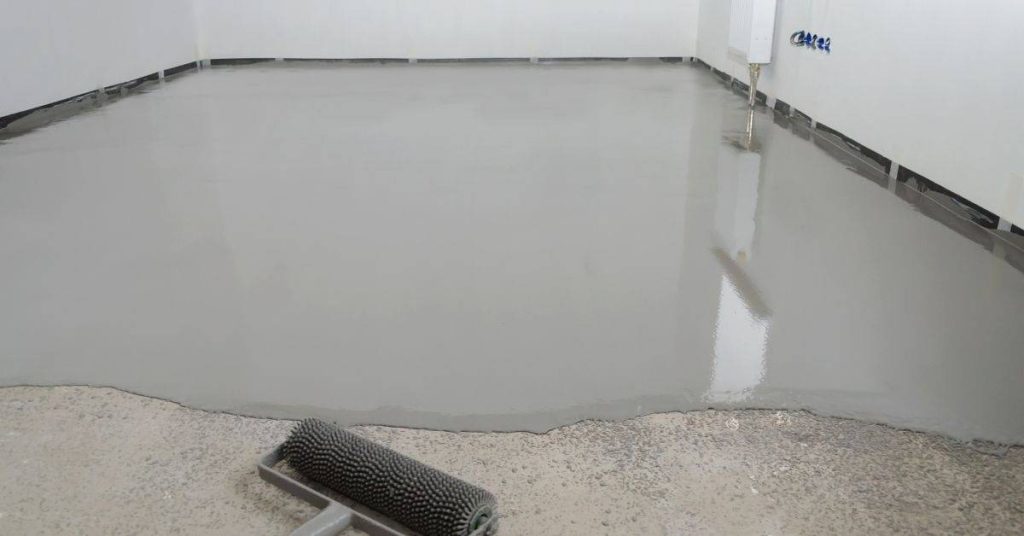
Freshly poured self-leveling concrete floor with a spiked roller

Leveling a Subfloor for Tile: Self-Leveling Underlayment Prep That Prevents Failure

Introduction Leveling a subfloor for tile means making the floor surface flat, stable, and ready to receive tile so you don’t get cracks or hollow spots. This is a hands-on task that starts with checking the current floor and ends with a smooth base for your tile setting. Take your time to plan out the […]

Leveling a Subfloor for Tile: Self-Leveling Underlayment Prep That Prevents Failure Read More »
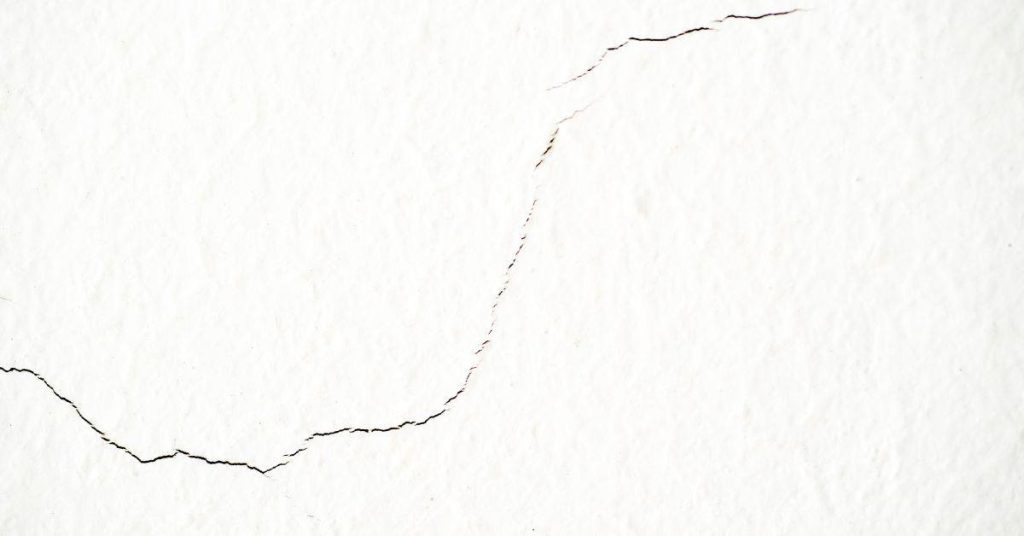
Close-up of thin crack on white stucco wall surface

Modulus of Rupture vs Compressive Strength: What Matters for Thin Overlays

Introduction MOR, or modulus of rupture, is a measure of how much bending a material can withstand before cracking. Compressive strength is how much load a material can bear when squeezed. For thin overlays, MOR often matters for crack resistance under bending, while compressive strength relates to overall crush resistance. Testing MOR usually involves bending

Modulus of Rupture vs Compressive Strength: What Matters for Thin Overlays Read More »

Concrete floor grinding machine on dusty floor surface

Foamed Concrete for Insulation: Common Failures, Protection Details, and When to Avoid It

Introduction Foamed concrete for insulation is lightweight concrete that includes air voids or foam to slow heat transfer. This article gives a practical, hands-on overview for DIY homeowners. It helps you know what to check on labels or with the manufacturer before you mix or apply it. Common failures include moisture intrusion, cracking, and poor

Foamed Concrete for Insulation: Common Failures, Protection Details, and When to Avoid It Read More »

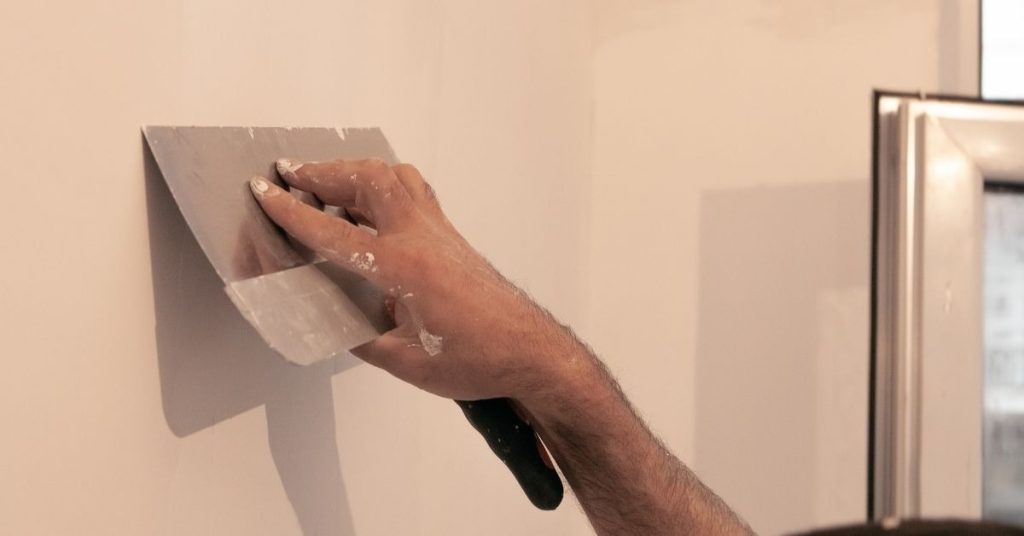
Hand applying plaster smoothing wall with trowel

Plaster Over Blueboard: When Veneer Plaster Beats Joint Compound for Smooth Walls

Introduction Plaster over blueboard means applying a veneer plaster finish bonded to the paper-faced gypsum board rather than feathering multiple coats of joint compound; it’s a different material and technique used when a harder, smoother surface is wanted. Veneer plaster generally requires cleaner, keyed surfaces and different tools than joint compound, so check product instructions

Plaster Over Blueboard: When Veneer Plaster Beats Joint Compound for Smooth Walls Read More »

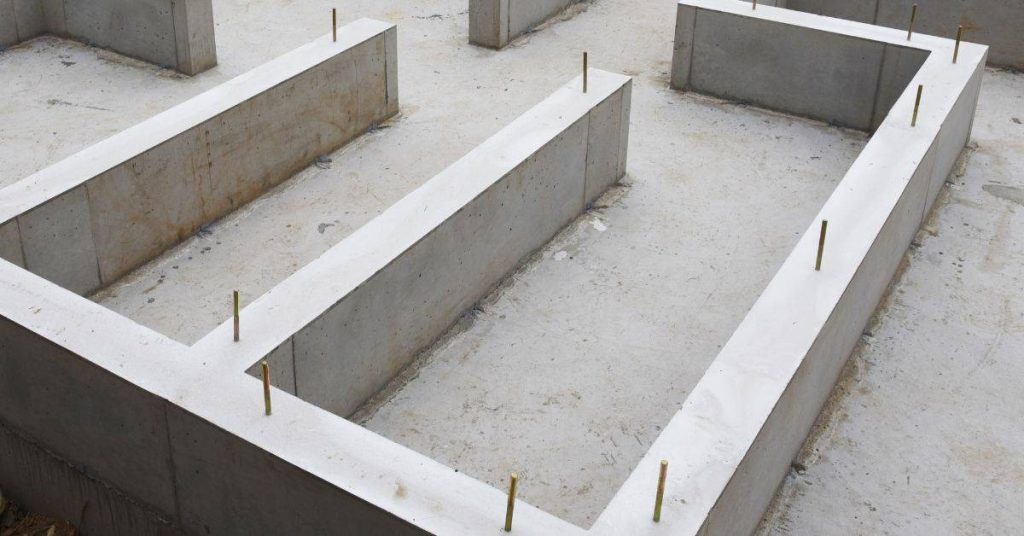
concrete foundation forms with metal rods embedded

How to Add a Concrete Splash Curb Along Siding: Forms, Expansion Joint, and Drainage

Introduction A concrete splash curb along siding is a small raised strip of concrete cast against the wall to deflect water away from the foundation and siding. It’s a hands-on job that involves forming a narrow curb, leaving a movement gap (expansion joint) where the curb meets the wall, and planning a path for water

How to Add a Concrete Splash Curb Along Siding: Forms, Expansion Joint, and Drainage Read More »

Stamped concrete patio with rectangular stone-pattern blocks beside a pool.

Repairing Faded Stamped Concrete: Recolor Options and Reseal Without Trapping Moisture

Introduction Repairing faded stamped concrete means bringing back color and protecting the surface without sealing in moisture that can cause further damage. It’s a hands-on job of cleaning, fixing small surface defects, choosing a recolor method that matches the existing look, and then applying a sealer chosen for breathability and surface conditions. Check product labels

Repairing Faded Stamped Concrete: Recolor Options and Reseal Without Trapping Moisture Read More »

Paint roller applying liquid to concrete pavers

DIY Large-Format Concrete Pavers: Reinforcement, Curing, and Warp Prevention

Introduction Large-format concrete pavers require proper reinforcement, curing, and warp prevention to stay flat and durable. In plain terms, you reinforce the base and pavers, manage moisture and temperature during curing, and watch for movement that can cause warping. This article focuses on practical, hands-on methods you can apply on a DIY project. Follow the

DIY Large-Format Concrete Pavers: Reinforcement, Curing, and Warp Prevention Read More »

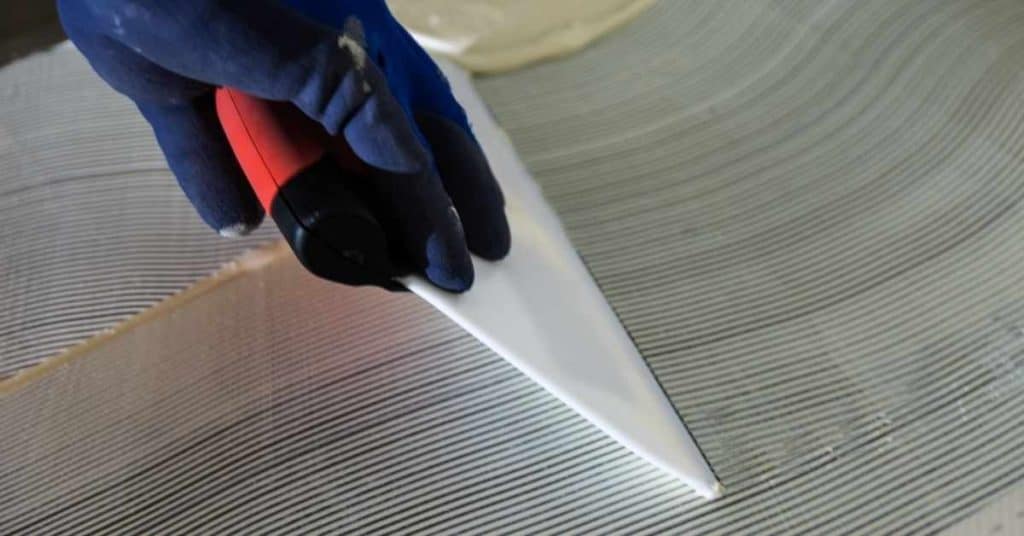
Hand in glove holding notched trowel spreading tile adhesive

Prepping Floors for Tile (Problems Explained: Causes, Testing, and Fixes)

Introduction Prepping floors for tile means making the surface clean, flat, and dry enough so tile adhesive can bond properly. This article walks you through surveying the floor, testing basics, and fixes you can do with standard tools. It’s a hands-on guide, not a lecture, and I’ll point you to what to check on labels,

Prepping Floors for Tile (Problems Explained: Causes, Testing, and Fixes) Read More »

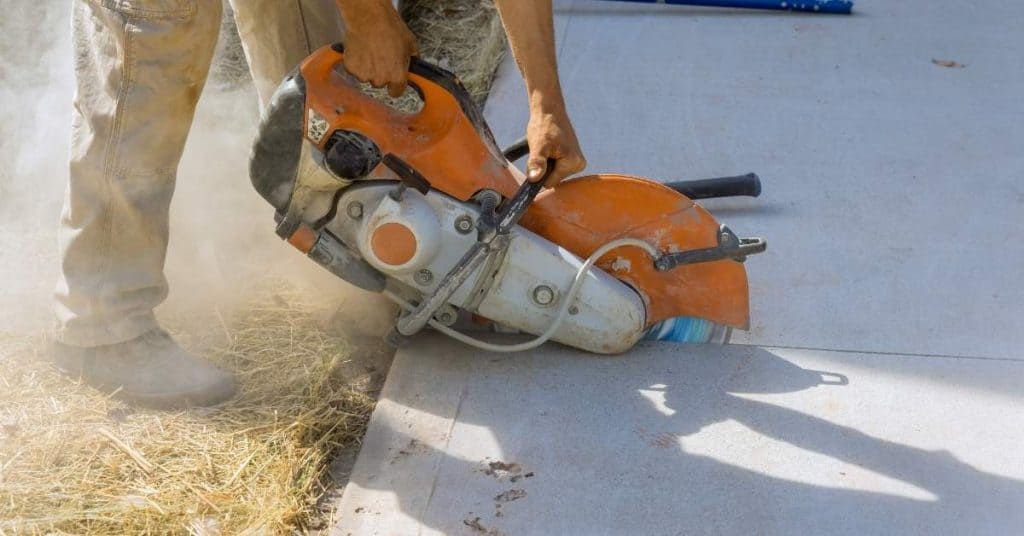
Worker using a concrete saw to cut a line in the driveway.

Tooled Joints Vs Sawed Joints: What to Choose on Small Patios and Walks

Introduction For small patios and walks, tooled joints generally provide tighter seams and greater durability than sawed joints. You’ll learn how to weigh appearance, maintenance, and installation considerations, and the guide walks you through practical tips for choosing and applying the method. Key takeaways Tooled joints resist uplift on mortar-less patios but require consistent jointing

Tooled Joints Vs Sawed Joints: What to Choose on Small Patios and Walks Read More »