Search Results for: control joint

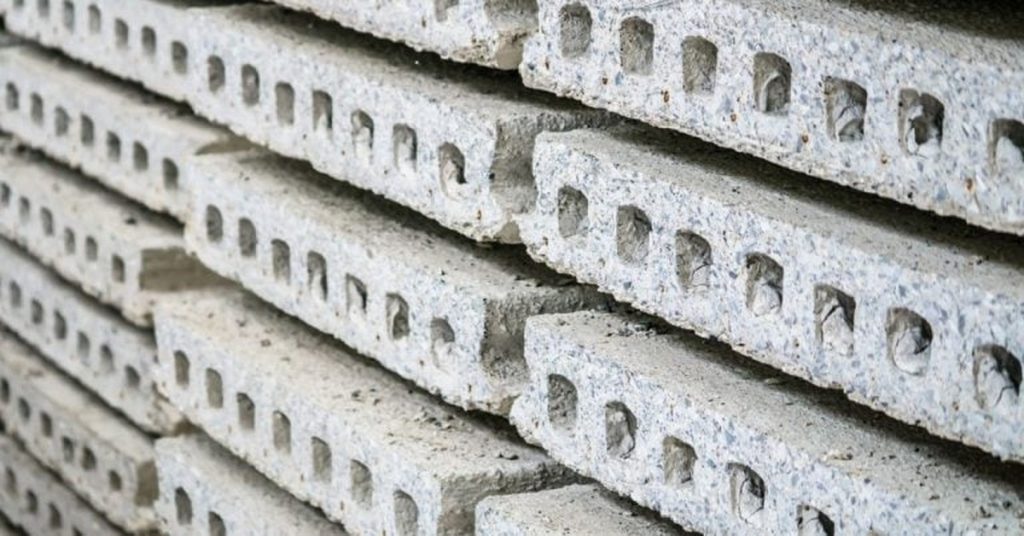
Stacked hollow core concrete slabs with rectangular voids

Anchoring Into Hollow vs Grouted Concrete Block: Fastener Picks and Pullout Reality

Introduction Anchoring into hollow vs grouted concrete block means picking fasteners and installation methods based on whether the block cavity is hollow or filled with grout. In practice, you’ll need different anchors and installation approaches for hollow blocks versus solid, grouted blocks. Always check product labels and manufacturer instructions for proper use, load guidance, and […]

Anchoring Into Hollow vs Grouted Concrete Block: Fastener Picks and Pullout Reality Read More »
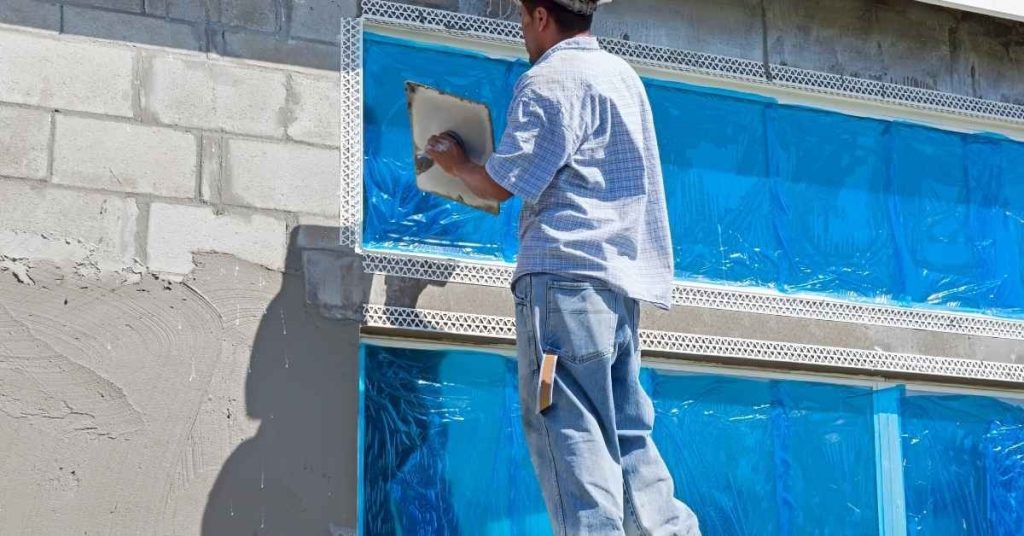
Worker applying stucco over concrete block wall near blue covered windows

Stucco Over Painted Concrete Block: Adhesion Tests and Prep That Prevents Delamination

Introduction Stucco over painted concrete block requires proper surface prep and adhesion testing to prevent delamination. We’ll walk through simple checks you can do with basic tools to judge if the old paint will hold and what to rough up or clean. This is a hands-on, DIY-friendly overview, not a full contractor guide. You’ll start

Stucco Over Painted Concrete Block: Adhesion Tests and Prep That Prevents Delamination Read More »

Close-up of a rough gray concrete surface

Concrete Block Retaining Walls for DIY: Drainage Rock, Fabric, and Failure Warning Signs

Introduction A concrete block retaining wall is a simple, built-up wall made from durable blocks that holds back soil. For DIY installations, drainage rock behind the wall and landscape fabric help water escape and keep pressure in check. Always read product labels and manufacturer instructions, and follow local rules for materials and installation where applicable.

Concrete Block Retaining Walls for DIY: Drainage Rock, Fabric, and Failure Warning Signs Read More »

Man applying plaster on wall with a trowel

Heat-Resistant Plaster Finishes Near Wood Stoves: Safer Choices and Topcoats

Introduction Heat-resistant plaster finishes are durable coatings designed to survive nearby wood stoves without cracking or posing a fire risk. Choose a plaster system that is non-combustible with a solid backing and proper joints, and follow the manufacturer’s instructions for installation and curing. For topcoats, look for options labeled for high-heat areas and apply them

Heat-Resistant Plaster Finishes Near Wood Stoves: Safer Choices and Topcoats Read More »

Worker applying plaster to wall with trowel and hawk

Venetian Plaster Over Existing Tile: Prep, Bond Bridges, and Edge Detailing

Introduction Venetian plaster over existing tile is applying plaster onto a tile surface to create a seamless, stone-like finish. Prep and bond are critical, because you’re sticking plaster to a non-porous base. You’ll need to clean, roughen, and seal as needed, then choose a compatible bonding product and follow its directions. Start with careful prep,

Venetian Plaster Over Existing Tile: Prep, Bond Bridges, and Edge Detailing Read More »

Worker spraying wet stucco onto wall surface

Plaster Base Coats on Metal Lath: Thickness Targets and Scratch Patterns That Hold

Introduction A plaster base coat on metal lath is the first plaster layer that bonds to the lath and creates a solid surface. Apply it over clean, prepared metal lath and follow the guidance on the product label or manufacturer instructions. Keep the mix at a workable consistency and follow any local rules or instructions

Plaster Base Coats on Metal Lath: Thickness Targets and Scratch Patterns That Hold Read More »

Person applying plaster to wall with trowel and hawk

Plaster Timing vs Indoor Humidity: Avoiding Flashing, Soft Spots, and Patch Ghosting

Introduction Plaster timing vs indoor humidity is about when to plaster based on how damp the air and surfaces are. Doing it at the wrong moment can lead to flashing, soft spots, or patch ghosting that shows later. Check the product label and manufacturer instructions for open time and cure expectations, and adjust with airflow

Plaster Timing vs Indoor Humidity: Avoiding Flashing, Soft Spots, and Patch Ghosting Read More »

Gloved hand holding a metal trowel against a plaster wall

Hollow-Sounding Plaster Walls: Tap Maps, Key Failure Patterns, and Targeted Stabilization

Introduction Hollow-sounding plaster walls hide voids behind the plaster, so tapping sounds hollow. This usually means the lath or backing has failed or separated from the surface. Understanding this helps you map where stabilization work is needed. To map the problem, tap in several spots and note where the sound is the weakest. Look for

Hollow-Sounding Plaster Walls: Tap Maps, Key Failure Patterns, and Targeted Stabilization Read More »

Close-up of patterned decorative plaster with floral design

Patterned Decorative Plaster Patches: Aligning Repeats and Hiding Seams

Introduction Patterned decorative plaster patches are small, repeatable designs applied to damaged plaster to create a seamless look. The goal is to line up the pattern so the patches blend with the surrounding wall and hide the seams. Work with the existing texture and color as a guide. Start by cleaning the area and roughing

Patterned Decorative Plaster Patches: Aligning Repeats and Hiding Seams Read More »

Close-up of white stucco wall texture

Stucco Wicking from Concrete: Base Details and Capillary Break Fixes

Introduction Stucco wicking from concrete happens when moisture travels through the concrete and into the stucco layer. This article covers how to prep the base and prevent capillary pull that brings dampness into the finish. Think of base details as the first line of defense: clean, dry, and properly framed to keep water away. Capillary

Stucco Wicking from Concrete: Base Details and Capillary Break Fixes Read More »