Search Results for: control joint

Stamped concrete patio with curved edge and garden bed

How to Feather a Concrete Patch Without a Weak Edge (Undercuts and Micro-Overlays)

Introduction Feathering a concrete patch means shaping the edge with undercuts and a micro-overlay so the repair blends with the surrounding slab. It’s about creating a gradual transition, not a hard line or a loaded patch. You’ll want a clean bond, good surface prep, and a plan for the edge quality as you go. This

How to Feather a Concrete Patch Without a Weak Edge (Undercuts and Micro-Overlays) Read More »

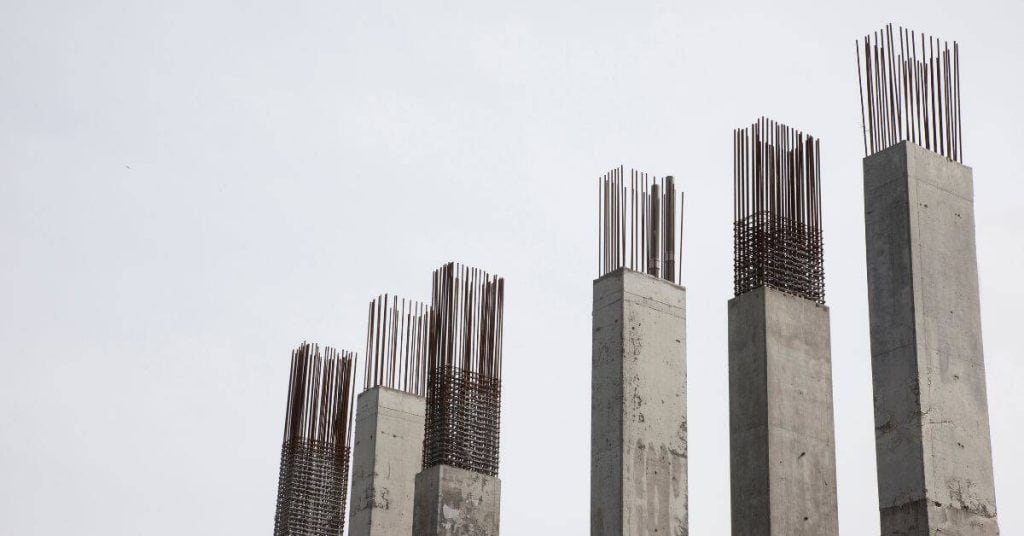
Concrete columns with exposed vertical rebar against sky

Fixing Rust ‘Telegraphing’ Through Concrete Patch Repairs (When Rebar Is Too Close)

Introduction Rust telegraphing through concrete patches happens when corroded rebar pushes outward, showing up as stains, cracks, or rough patches on the surface. This is a sign the patch is not fully sealing the reinforcing and moisture is getting to the steel. In this article we’ll explain what to look for and how to approach

Fixing Rust ‘Telegraphing’ Through Concrete Patch Repairs (When Rebar Is Too Close) Read More »

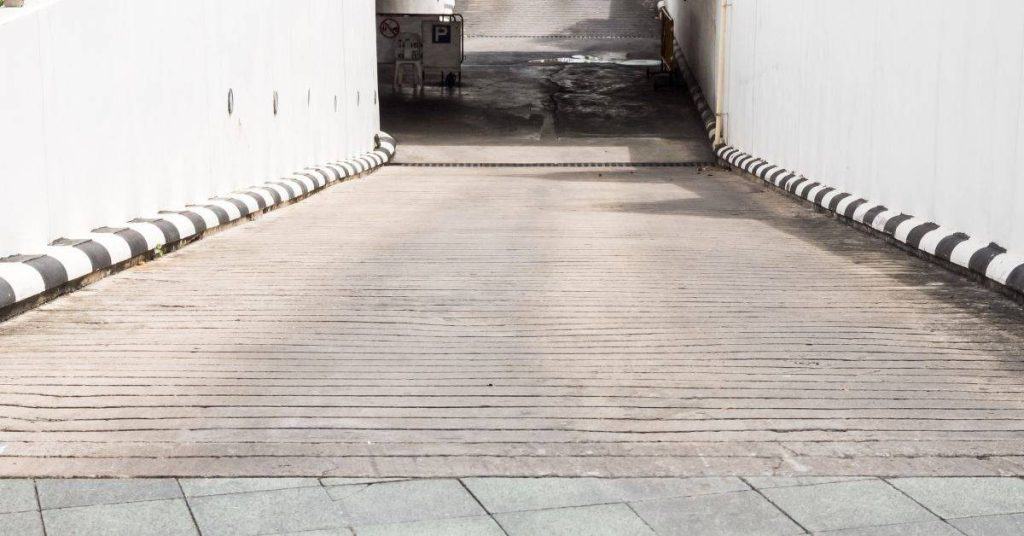
Concrete driveway ramp with grooved textured surface

How to Add a Concrete Curb Ramp at the Sidewalk (DIY Without Tripping Hazards)

Introduction A concrete curb ramp is a sloped transition that lets you roll or walk from the sidewalk down to the street grade with fewer tripping hazards. This DIY intro helps you plan and build a simple ramp safely, without specialized equipment. Check your local requirements and ADA guidance to understand what’s expected for accessibility

How to Add a Concrete Curb Ramp at the Sidewalk (DIY Without Tripping Hazards) Read More »

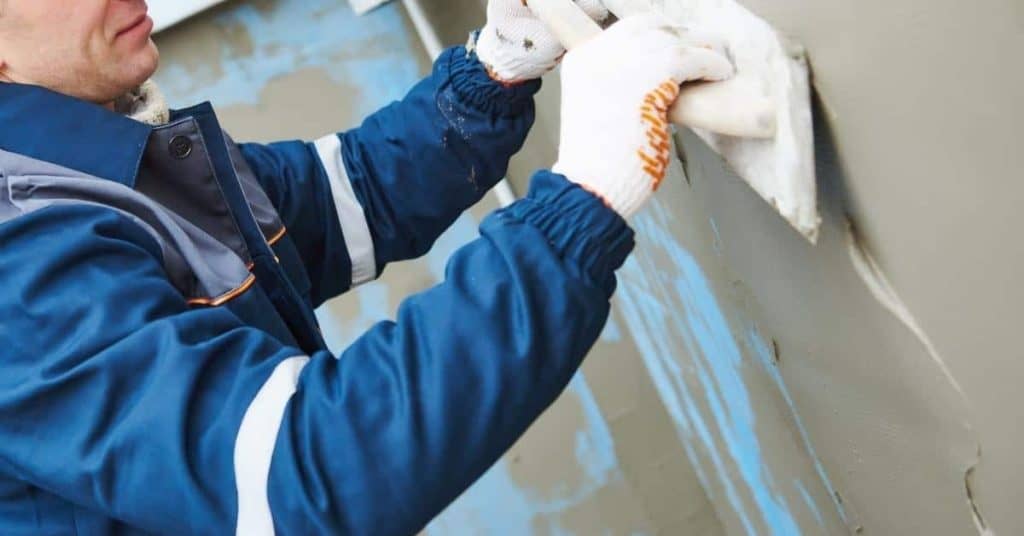
Worker applying textured plaster to wall with roller

Soft Dusty Plaster Surfaces: Consolidants, Re-Skim Options, and Stop Rules

Introduction Soft dusty plaster surfaces are fragile, powdery walls that crumble when touched. That dustiness means you’re dealing with a coating that has lost binding and needs careful treatment. This article walks you through consolidants, re-skim options, and practical stop rules for a safe, workable repair. We’ll keep things practical with real-world steps you can

Soft Dusty Plaster Surfaces: Consolidants, Re-Skim Options, and Stop Rules Read More »

Close-up of textured concrete garage floor with white car in background

Moisture-Safe Concrete Coatings: What Works, What Doesn’t, and Why

Introduction Moisture-safe concrete coatings are sealers and finishes that slow or block water from the concrete surface. They help keep moisture from moving into basements, garages, or workshops. Choose options that fit your climate and surface, and always follow label directions. What doesn’t work for everyone can be a waste of time and money. In

Moisture-Safe Concrete Coatings: What Works, What Doesn’t, and Why Read More »

Pouring bonding slurry onto dry concrete surface

How to Patch Thin Concrete Repairs: Bonding Slurry and Edge Prep That Sticks

Introduction Patch thin concrete repairs with a bonding slurry to help the patch stick to the prepared edge. Start with clean, dust-free edges and roughen the surface for a solid key, then mix the slurry and patch material as instructed. If in doubt, check manufacturer guidance or local rules to ensure proper adhesion. Prepare the

How to Patch Thin Concrete Repairs: Bonding Slurry and Edge Prep That Sticks Read More »

Close-up of concrete floor grinding machine on rough concrete surface

Fixing Form Lines on Exposed Concrete: Grinding, Skim Coats, and Texture Matching

Introduction Fixing form lines on exposed concrete means smoothing or concealing the raised lines left by the forms so the surface looks even. In this DIY approach, you’ll grind the lines down, skim-coat areas as needed, and texture-match the rest of the surface. Plan to work methodically, wear a dust mask, and always check the

Fixing Form Lines on Exposed Concrete: Grinding, Skim Coats, and Texture Matching Read More »