Search Results for: control joint

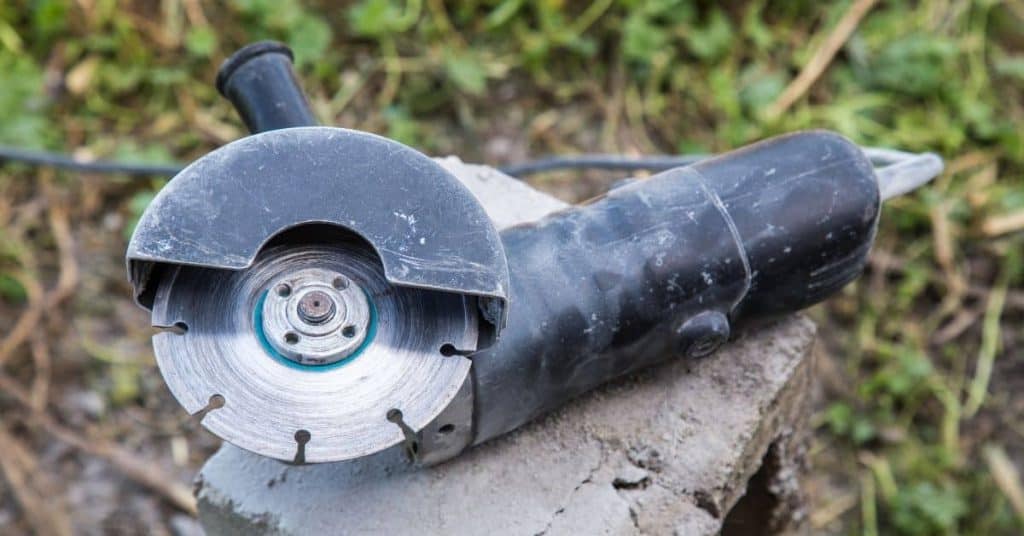
Angle grinder resting on concrete block outdoors

Repairing Stucco Behind Downspouts: Rebuilding the WRB and Getting the Termination Right

Introduction Repairing stucco behind downspouts means fixing the weather-resistant barrier and ensuring proper edge termination to prevent water intrusion. This is a hands-on DIY task that focuses on reestablishing a continuous moisture barrier and a clean transfer of water away from the wall. You’ll need to work behind the downspout area, where access and flashing […]

Repairing Stucco Behind Downspouts: Rebuilding the WRB and Getting the Termination Right Read More »

Worker spraying stucco onto concrete block wall

Stucco Drainage Mats Explained: When a ‘Rainscreen’ Layer Helps and How to Detail It

Introduction A rainscreen behind stucco is a ventilated gap that lets water drain and dry. This article explains when adding that layer helps and how to detail it for DIY projects. Check your local rules and product instructions for any specific gaps and materials. Set up a continuous, vented cavity behind the stucco using a

Stucco Drainage Mats Explained: When a ‘Rainscreen’ Layer Helps and How to Detail It Read More »

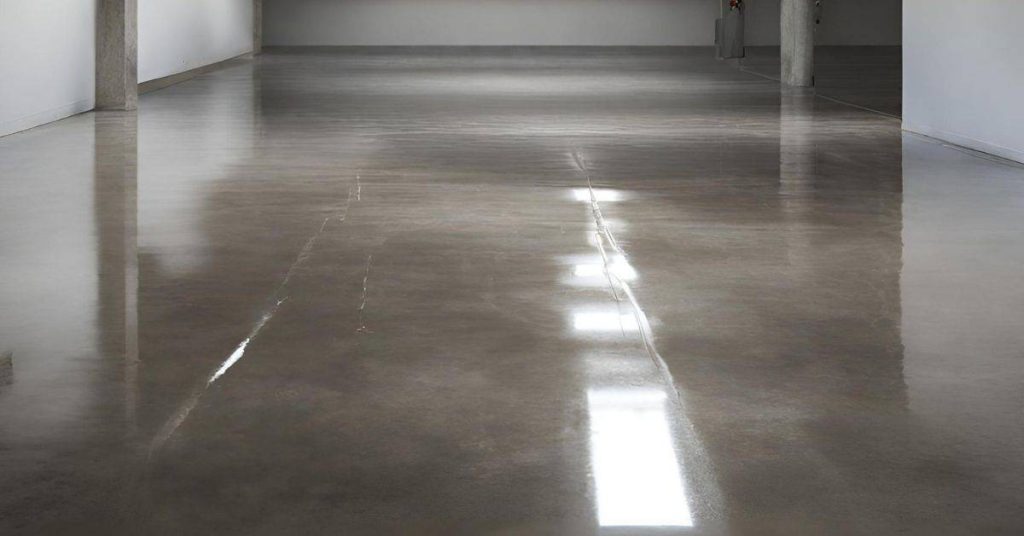
Highly polished concrete floor reflecting overhead lights

How to Make Concrete Look Like Limestone: Washes, Rubbed Finishes, and Sealers

Introduction This is a DIY technique to make concrete resemble limestone using washes, rubbed finishes, and sealers. You’ll work in stages from prepping the surface to applying color washes and texture. This approach aims for a natural, diffused look rather than a glossy finish. Start by cleaning the surface and addressing any rough spots, then

How to Make Concrete Look Like Limestone: Washes, Rubbed Finishes, and Sealers Read More »

Old hammer and chisel on wood shavings covered surface

DIY Concrete Overlay Over Tile: When It’s Possible and the Bond-Breakers to Avoid

Introduction Yes, you can overlay concrete over tile if the tile is sound and properly prepared for bonding. Make sure the existing surface is firmly adhered and free of movement. If you’re unsure, check the manufacturer’s instructions or local rules before you start. Watch for bond-breakers like sealants, coatings, or residue that can prevent adhesion

DIY Concrete Overlay Over Tile: When It’s Possible and the Bond-Breakers to Avoid Read More »

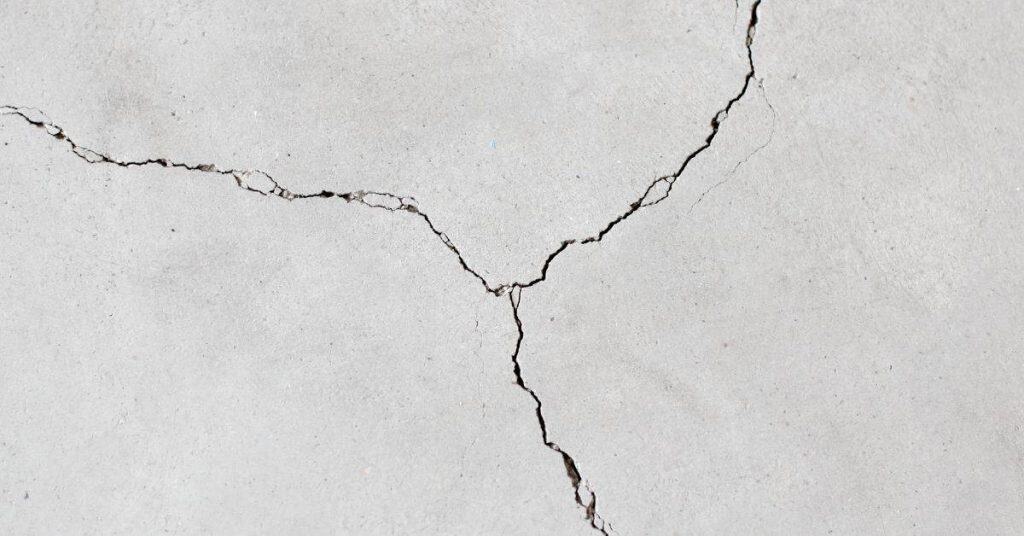
Close-up of a concrete surface with multiple cracks

How to Reinforce a Thin Concrete Overlay Over Plywood (So It Won’t Crack)

Introduction A thin concrete overlay over plywood is a lightweight concrete layer applied on a plywood subfloor to smooth and level the surface while staying thin enough to avoid excessive buildup. It must be prepared and reinforced properly to resist cracking in normal use. Check manufacturer instructions and local rules for feasibility and any limits.

How to Reinforce a Thin Concrete Overlay Over Plywood (So It Won’t Crack) Read More »

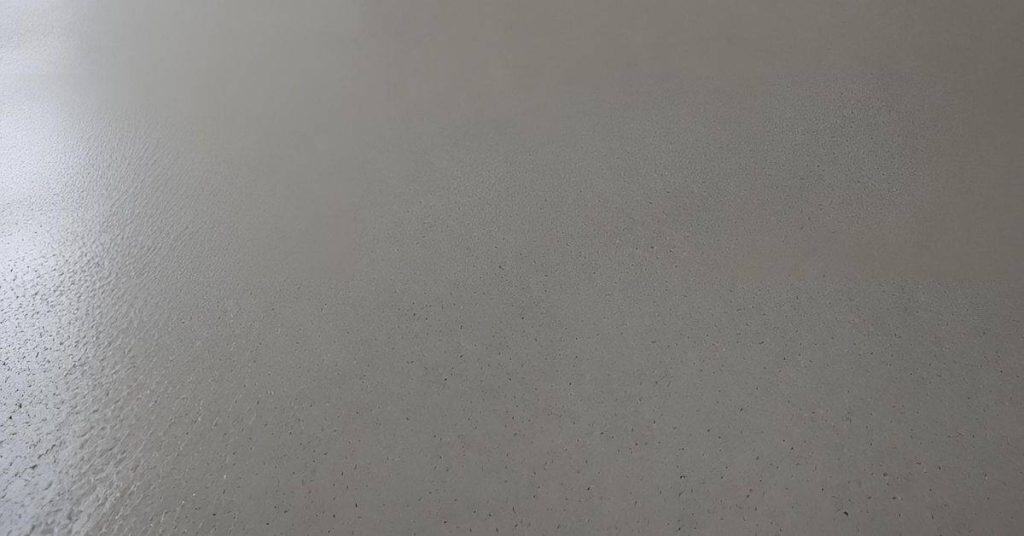
Closeup of smooth fresh gray concrete surface

How to Strip Tire Marks Off Concrete Without Etching the Surface

Introduction Tire marks on concrete can be removed without etching the surface by using gentle cleaners, proper scrubbing, and controlled water flow. First, identify what caused the marks and choose a method that won’t roughen or dull the floor. Always follow the product label and manufacturer instructions, and check local rules before you start. Begin

How to Strip Tire Marks Off Concrete Without Etching the Surface Read More »

fresh self-leveling concrete poured on floor

Self-Leveling Underlayment Over Wood Subfloors: Prep, Lath, and Pour Thickness

Introduction Self-leveling underlayment over wood subfloors is a cementitious mix poured over prepared wood to create a flat, stable surface for new floors. It requires cleaning, securing loose boards, removing finishes, and flattening high spots so the surface is sound and ready to accept the leveling compound. Take it slow and work in small sections,

Self-Leveling Underlayment Over Wood Subfloors: Prep, Lath, and Pour Thickness Read More »

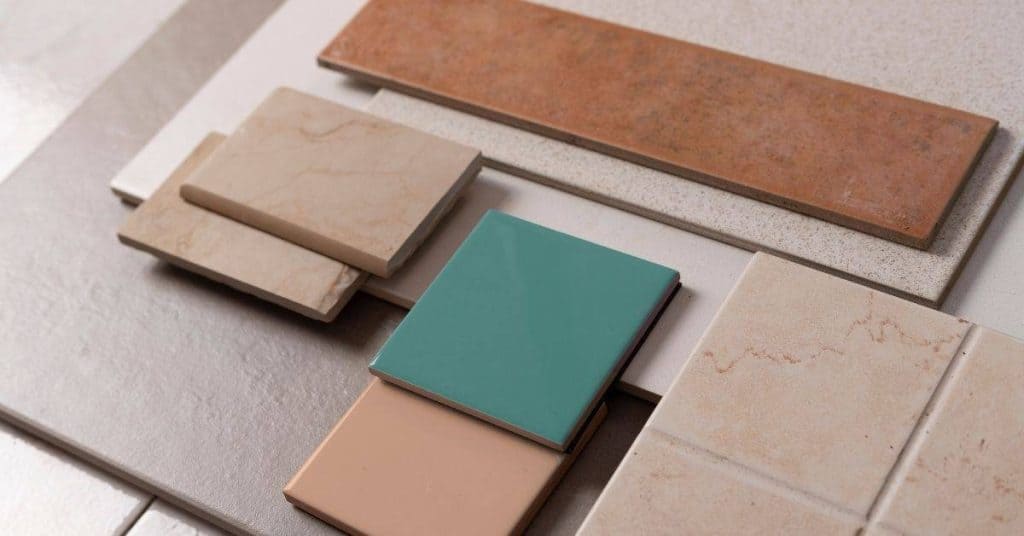
Various ceramic and porcelain tile samples arranged on a surface

Tile Trim Profiles Explained: Metal vs. PVC vs. Bullnose (Clean Edges for DIYers)

Introduction Tile trim profiles are the finishing edges and transition pieces that give tiles a clean, protected edge and smooth corners as you tile a wall or floor. Common options include metal trims (like aluminum or stainless steel), PVC trims, and bullnose edge trims, each with its own look and install feel. The best choice

Tile Trim Profiles Explained: Metal vs. PVC vs. Bullnose (Clean Edges for DIYers) Read More »

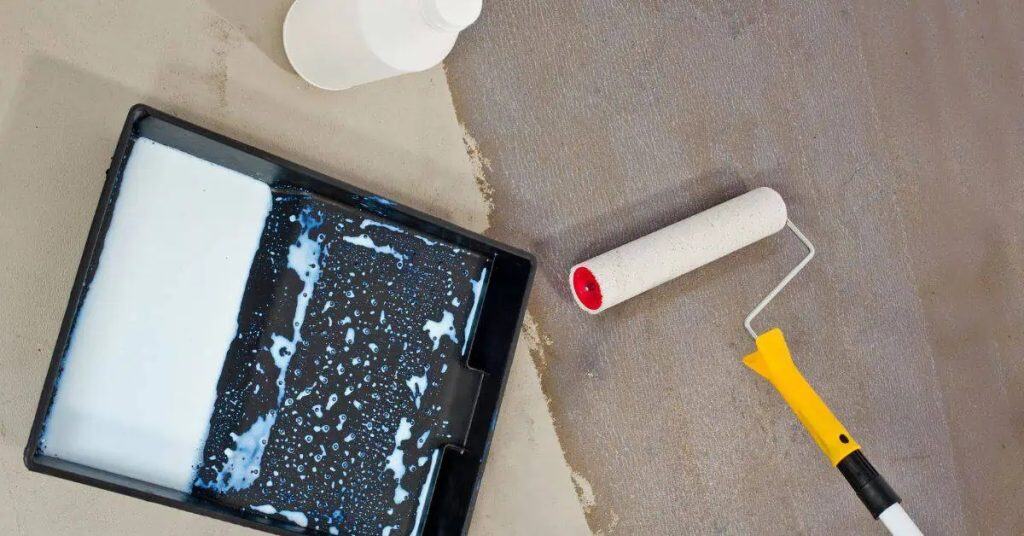
Paint roller and tray with white primer on concrete floor

How to Paint a Concrete Porch Floor That Sees De-Icers: Coating Types and Prep

Introduction Painting a concrete porch floor that sees de-icers means applying a durable coating to protect the surface from salt damage and freeze-thaw while making it easier to clean. This article guides a hands-on approach, from choosing coatings to prep and simple techniques you can do yourself. Keep in mind that prep and proper product

How to Paint a Concrete Porch Floor That Sees De-Icers: Coating Types and Prep Read More »

Paint roller applying liquid to concrete pavers

DIY Large-Format Concrete Pavers: Reinforcement, Curing, and Warp Prevention

Introduction Large-format concrete pavers require proper reinforcement, curing, and warp prevention to stay flat and durable. In plain terms, you reinforce the base and pavers, manage moisture and temperature during curing, and watch for movement that can cause warping. This article focuses on practical, hands-on methods you can apply on a DIY project. Follow the

DIY Large-Format Concrete Pavers: Reinforcement, Curing, and Warp Prevention Read More »