Search Results for: control joint

When to Use a Leveling System: Where It Helps and Where It Hides Bad Prep

When to Use a Leveling System: Where It Helps and Where It Hides Bad Prep

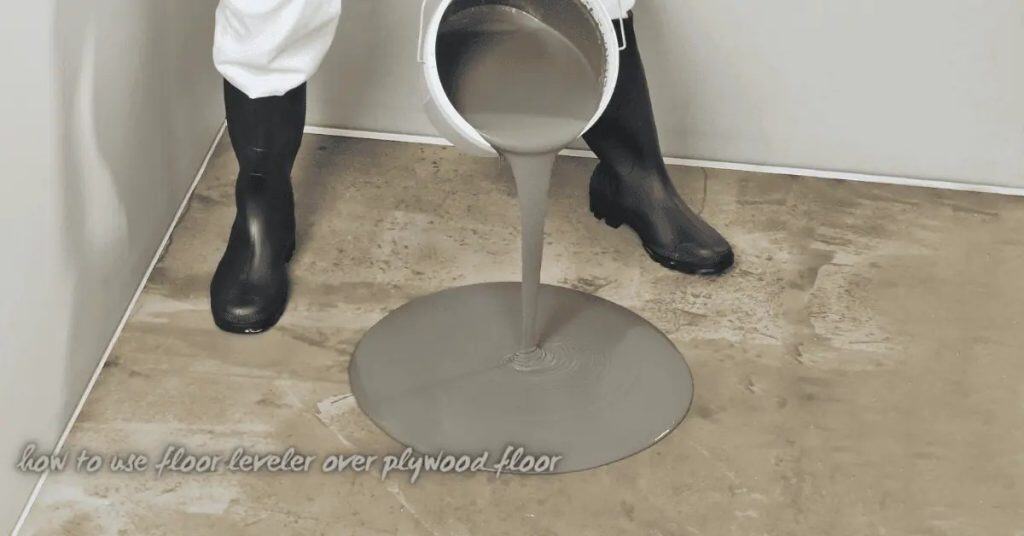
Introduction A level, laser level, straightedge, screed, or self-leveling underlayment can help produce a floor that meets the final finish requirement. They do different jobs: a measuring tool establishes or transfers a reference and finds variation; a correction material changes the surface. Neither makes weak, wet, contaminated, moving, or unsupported concrete sound. Start with the

When to Use a Leveling System: Where It Helps and Where It Hides Bad Prep Read More »

Inside Corners in Showers: Caulk Vs Grout and Where Movement Actually Happens

Inside Corners in Showers: Caulk Vs Grout and Where Movement Actually Happens

Introduction In shower inside corners, caulk handles movement while grout is best for rigid joints. The guide explains when to use each, how to assess movement in corners, and practical steps for proper application and sealing. Key takeaways Caulk tolerates movement in vertical corners; grout is rigid and can crack. Movement occurs mainly where framing

Inside Corners in Showers: Caulk Vs Grout and Where Movement Actually Happens Read More »

Capillary Break Under Footings: Simple Gravel + Poly Details That Reduce Damp Basements

Capillary Break Under Footings: Simple Gravel + Poly Details That Reduce Damp Basements

Introduction A gravel capillary break beneath footings, combined with a poly barrier, prevents capillary rise and reduces basement dampness. The article shows how this simple system works in practice and walks you through practical steps for selecting gravel, installing the barrier, and laying out the under-footing layer to improve moisture control. Key takeaways Use continuous

Capillary Break Under Footings: Simple Gravel + Poly Details That Reduce Damp Basements Read More »

The Most Overlooked Step in Flashing Installation That Prevents Annoying Water Leaks

The Most Overlooked Step in Flashing Installation That Prevents Annoying Water Leaks

Introduction Properly sealing joints during flashing installation is the most overlooked step that prevents annoying water leaks. This article explains why that step matters and walks you through practical techniques, tips, and common mistakes to avoid so you can install flashing with confidence. You’ll learn how to identify vulnerable spots, choose the right sealant, and

The Most Overlooked Step in Flashing Installation That Prevents Annoying Water Leaks Read More »

How Humid Summers Reveal Weaknesses in Diy Concrete Coatings

Prevent DIY Concrete Coating Failures in Humid Summer Weather

Why humid weather causes concrete-coating failures Humid summer weather can expose a weak DIY concrete coating because moisture may be inside or beneath the slab, may condense on a cooler concrete surface, or may push application and cure conditions outside the coating’s technical-data-sheet (TDS) limits. The result can be bubbling, blistering, whitening, haze or blush,

Prevent DIY Concrete Coating Failures in Humid Summer Weather Read More »

The Hidden Danger of Using Styrofoam Insulation Behind Stucco: Fire Risks and Moisture Traps

The Hidden Danger of Using Styrofoam Insulation Behind Stucco: Fire Risks and Moisture Traps

Introduction Styrofoam insulation, while affordable and easy to install, hides significant risks when used behind stucco. This guide explores these dangers, focusing on fire hazards and moisture traps. Key takeaways Identify foam types (EPS, XPS, EIFS) and their compatibility with stucco. Inspect installation flaws: gaps, flashing failures, or improper fastening that trap moisture. Fire risks

The Hidden Danger of Using Styrofoam Insulation Behind Stucco: Fire Risks and Moisture Traps Read More »

When Paint Sealers Backfire: the Moisture Problem Most Diyers Don’t Anticipate

When Paint Sealers Backfire: the Moisture Problem Most Diyers Don’t Anticipate

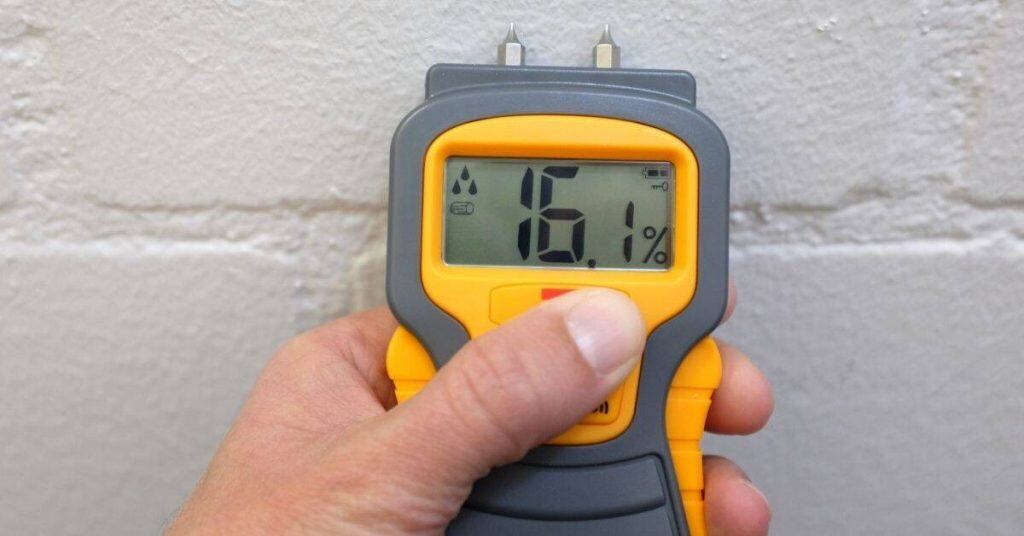
Introduction Paint sealers can backfire by trapping moisture, leading to issues most DIYers don’t anticipate. In this guide, you’ll learn how moisture interacts with sealers, how to spot warning signs, and practical steps, tips, and rules of thumb to prevent moisture-related failures. Key takeaways Assess moisture sources first: leaks, condensation, hydrostatic pressure before painting Basement

When Paint Sealers Backfire: the Moisture Problem Most Diyers Don’t Anticipate Read More »

Flashing and WRB: the Seasonal Pattern of Spring Showers That Tests Your Home’s Defense

Flashing and WRB: the Seasonal Pattern of Spring Showers That Tests Your Home’s Defense

Introduction Flashing and WRB define how seasonal spring rain can test a home’s weatherproofing and structural defenses. The article explains why this matters for your home and walks you through practical steps to assess, seal, and maintain flashing and WRB details, with tips and rules of thumb to prevent leaks. You’ll learn what signs to

Flashing and WRB: the Seasonal Pattern of Spring Showers That Tests Your Home’s Defense Read More »