Search Results for: control joint

Outside Corners: When Corner Bead Fails and How to Rebuild the Corner Straight

Introduction Outside corners should be rebuilt straight when the corner bead fails. The article explains the practical steps to assess damage, remove the damaged bead, reestablish a true corner, and reapply mud and new bead so you end up with a clean, durable edge. Key takeaways Inspect for hairline cracks and rust, replace damaged corner […]

Outside Corners: When Corner Bead Fails and How to Rebuild the Corner Straight Read More »

Stucco Patches That “flash”: How to Blend Texture and Color Without Repainting the Whole Wall

Stucco Patches That “flash”: How to Blend Texture and Color Without Repainting the Whole Wall

Introduction You can patch and blend stucco so the patch matches the texture and color without repainting the whole wall. This guide walks through practical steps for matching texture and color, blending edges, selecting appropriate finishes, and evaluating when a patch will look seamless. Key takeaways Identify flashing: moisture-wicking sheen and mineral deposits highlight patch

Stucco Patches That “flash”: How to Blend Texture and Color Without Repainting the Whole Wall Read More »

Matching Sand Gradation for Repairs: Why the Same Mix Still Looks Different

Matching Sand Gradation for Repairs: Why the Same Mix Still Looks Different

Introduction Even with the same sand mix, a repair can look different from the surrounding material. You’ll learn how particle size (gradations), moisture, curing, and placement affect appearance and how to adjust your mix, batch timing, and finishing approach to get a closer match. Key takeaways Gradation affects color, texture, and workability of lime mortars

Matching Sand Gradation for Repairs: Why the Same Mix Still Looks Different Read More »

Reattaching Loose Plaster Without Full Demo: Washers Vs Adhesive Methods

Reattaching Loose Plaster Without Full Demo: Washers Vs Adhesive Methods

Introduction Reattaching loose plaster can be done without a full demolition by choosing between washers and adhesive methods. You’ll learn how each approach works, what signs indicate a repair is appropriate, and practical steps you can follow to secure plaster safely and effectively. The guide walks through common materials, simple checks, and general tips to

Reattaching Loose Plaster Without Full Demo: Washers Vs Adhesive Methods Read More »

Repairing Deep Plaster Holes: Backing Methods That Won’t Telegraph Through Paint

Repairing Deep Plaster Holes: Backing Methods That Won’t Telegraph Through Paint

Introduction Use proper backing and feathering to repair deep plaster holes so they won’t telegraph through paint. You’ll learn which backing methods work best for different hole sizes, and how to apply patches in a way that stays smooth and durable. The guide walks through assessing the hole, choosing the right approach, and building up

Repairing Deep Plaster Holes: Backing Methods That Won’t Telegraph Through Paint Read More »

Preventing Flashing over Patches: Primer Choices and Finish Coat Timing

Preventing Flashing over Patches: Primer Choices and Finish Coat Timing

Introduction To prevent flashing over patches, use the right primer and time the finish coat carefully. The guide walks you through choosing primers compatible with common patch materials and explains the curing window before applying the finish. You’ll learn practical steps, tips, and rules of thumb to reduce sheen changes, blistering, or color shifts as

Preventing Flashing over Patches: Primer Choices and Finish Coat Timing Read More »

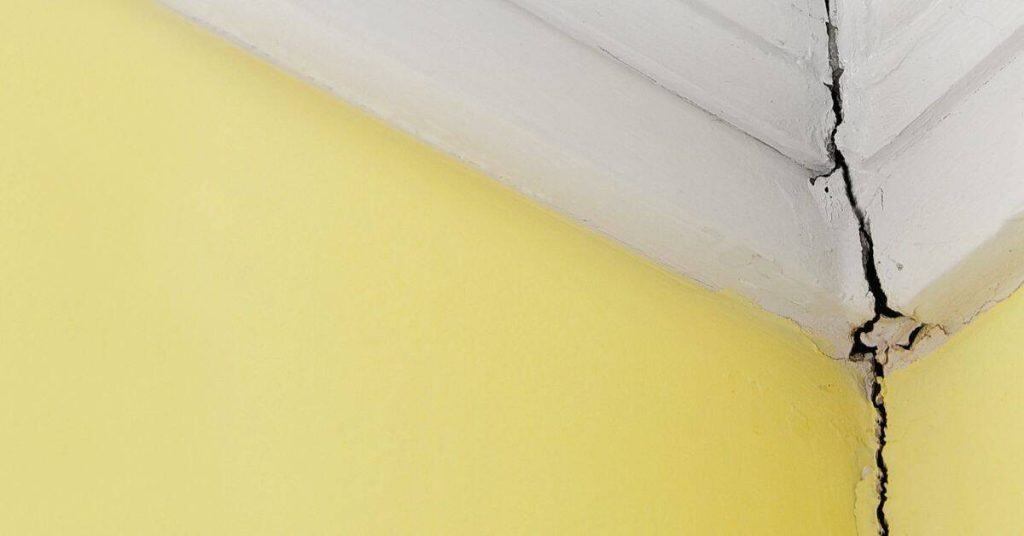
Ceiling Cracks in Plaster: When Tape Works and When You Need Stabilization

Ceiling Cracks in Plaster: When Tape Works and When You Need Stabilization

Introduction Tape can fix small, stable plaster cracks, but larger or shifting cracks require stabilization. The guide helps you assess crack movement and decide when to use tape versus structural repair, then walks you through practical steps and tips to perform each method. You’ll learn how to prep the ceiling, apply repairs cleanly, and avoid

Ceiling Cracks in Plaster: When Tape Works and When You Need Stabilization Read More »

Trowel Notch Size Selection: Choosing 1/4″ 1/2″ Based on Tile and Flatness

Trowel Notch Size Selection: A Step-by-Step Timeline for Tile Installation

Introduction The timeline of your tile installation project is crucial to ensure a successful and durable finish. Understanding how long each step takes, from preparation to grouting, helps you plan effectively and avoid common mistakes. In this guide, we’ll walk you through the process of selecting the right trowel notch size based on tile and

Trowel Notch Size Selection: A Step-by-Step Timeline for Tile Installation Read More »

Coverage Checks: How to Pull a Tile and Know If You’re Actually Doing It Right

Coverage Checks: How to Pull a Tile and Know If You’re Actually Doing It Right

Introduction You can know if you pulled a tile correctly by verifying coverage and proper adhesion. The guide walks through practical steps, common signs of good and bad installs, and simple rules of thumb to help you assess a tile pull on the job. Key takeaways Plan a careful tile pull after curing to prevent

Coverage Checks: How to Pull a Tile and Know If You’re Actually Doing It Right Read More »