Search Results for: control joint

Interior room with drywall sheets taped and mudded on walls and ceiling

Drywall Thickness Guide: 1/4-Inch, 3/8-Inch, 1/2-Inch, 5/8-Inch and Where Each Belongs

Introduction Drywall thickness is the distance between the front and back surfaces, and this guide explains where each size fits. As a hands-on DIY guy, you’ll see how 1/4, 3/8, 1/2, and 5/8 inch sheets differ in feel, strength, and finish needs. You’ll also get practical tips on which thickness works for walls, ceilings, and […]

Drywall Thickness Guide: 1/4-Inch, 3/8-Inch, 1/2-Inch, 5/8-Inch and Where Each Belongs Read More »

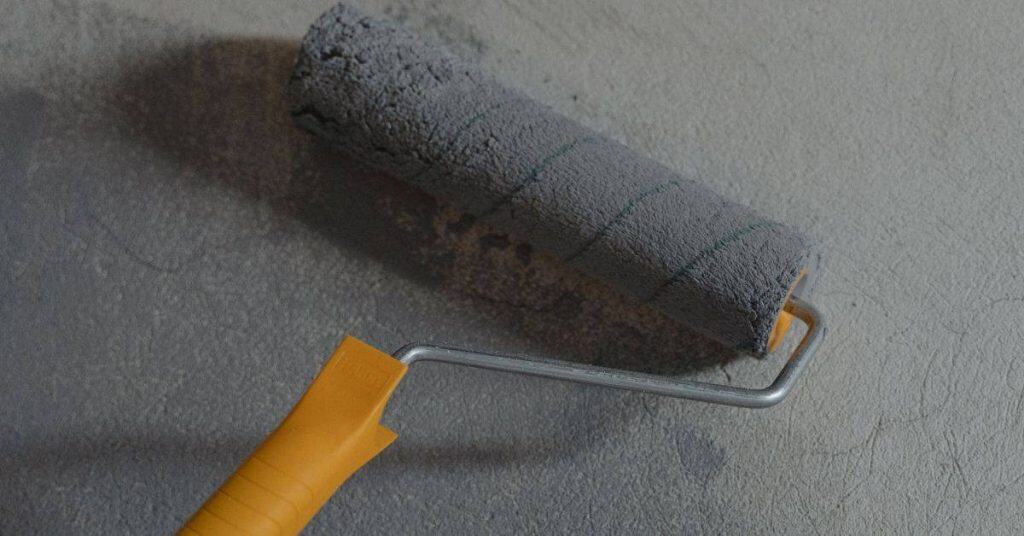
White room with ladder and paint bucket on drop cloth

How to Choose the Right Sheen for Every Room (Flat to High-Gloss)

Introduction Choosing the right sheen means matching light reflection and durability to each room. Flat finishes hide wall flaws and fingerprints well, while high-gloss reflects more light and can be easier to wipe. Satin or eggshell sits between them for a balanced look. Start by considering how much traffic and cleaning a room will need.

How to Choose the Right Sheen for Every Room (Flat to High-Gloss) Read More »

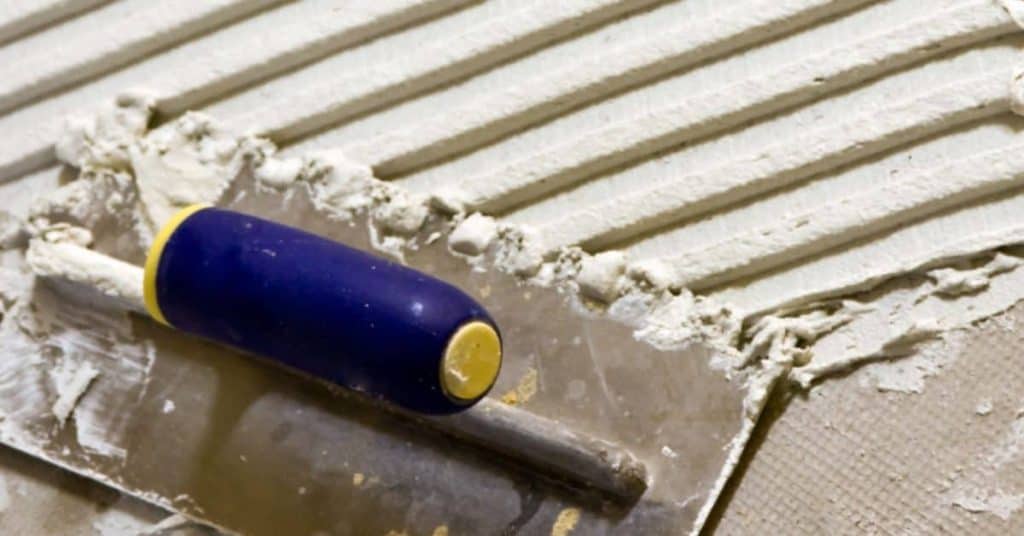
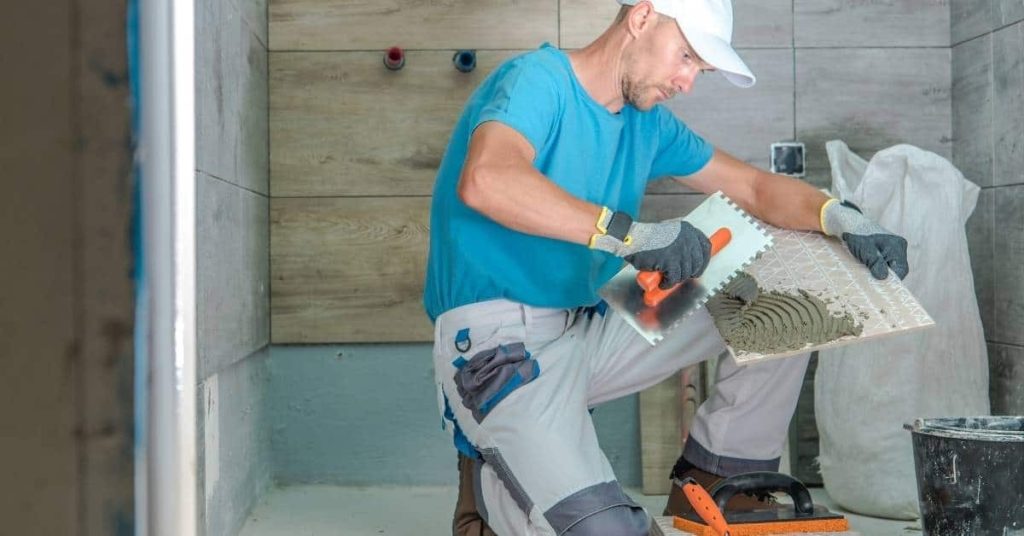
Notched trowel spreading adhesive on surface

Mastic Vs Thinset for Backsplashes: Where Mastic Is Safe and Where It Fails

Introduction Mastic is a flexible, premixed adhesive that some DIYers use for lightweight backsplashes. Thinset is a cement-based mortar that needs mixing and longer cure times. For most reliable backsplashes, you should check manufacturer guidance and local rules before choosing. Key takeaways Mastic is easier for small, dry layouts but unsuitable for wet areas. Thinset

Mastic Vs Thinset for Backsplashes: Where Mastic Is Safe and Where It Fails Read More »

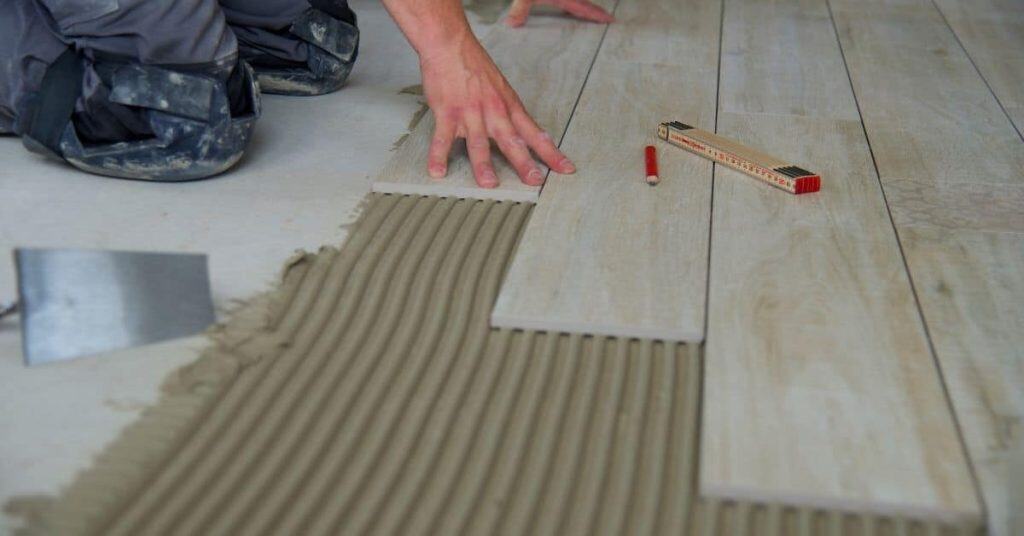
Hand placing wood-look floor tile on ridged thinset mortar

How to Check Thinset Coverage Properly (Pull Tests and What to Look For)

Introduction Thinset coverage means verifying that the adhesive layer fully backs the tile with no gaps or voids. Pull tests involve gently testing a tile to feel for a solid bond. Check for consistent contact across edges and center, and note any hollow spots. When you test, ensure tiles stay flat and firmly seated during

How to Check Thinset Coverage Properly (Pull Tests and What to Look For) Read More »

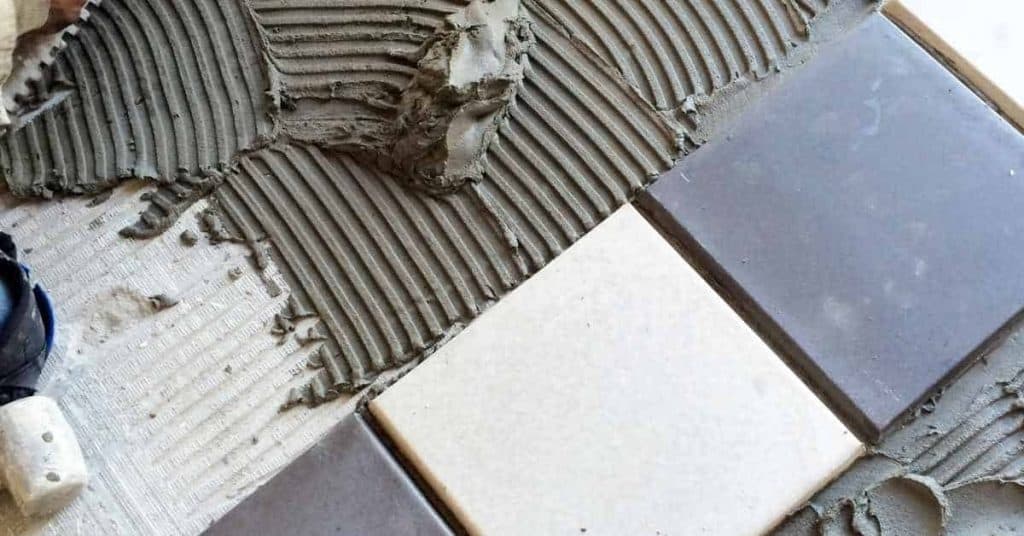
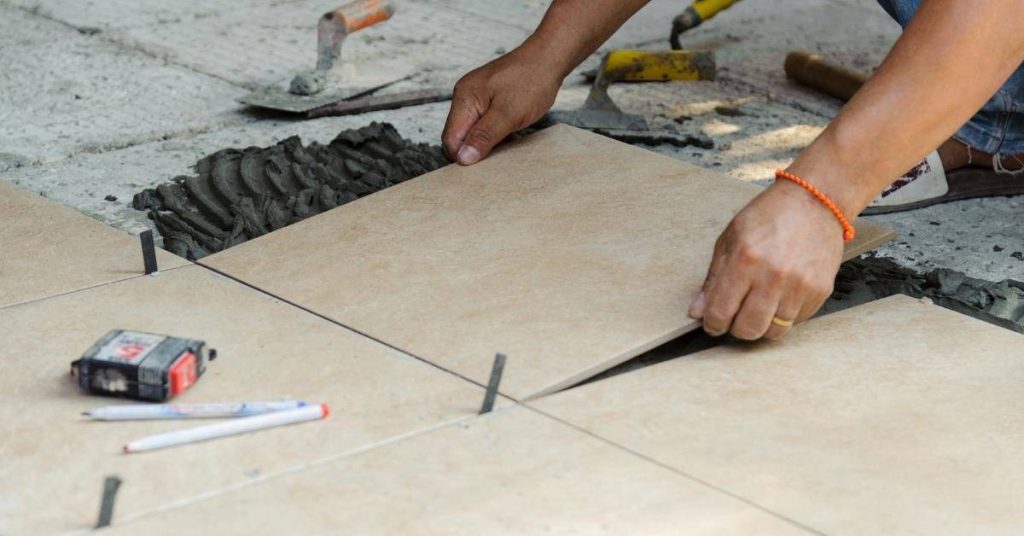
Hands placing beige floor tiles with black spacers between them

Tile Spacers Vs Wedges Vs Leveling Systems: What Each Actually Does

Introduction Tile spacers, wedges, and leveling systems are tools to keep tiles aligned and at a consistent height while you set them. They each serve different roles in the job, and using the right one helps prevent lippage and misalignment. Trust the product label and manufacturer instructions for how to install and use them on

Tile Spacers Vs Wedges Vs Leveling Systems: What Each Actually Does Read More »