Search Results for: control joint stucco

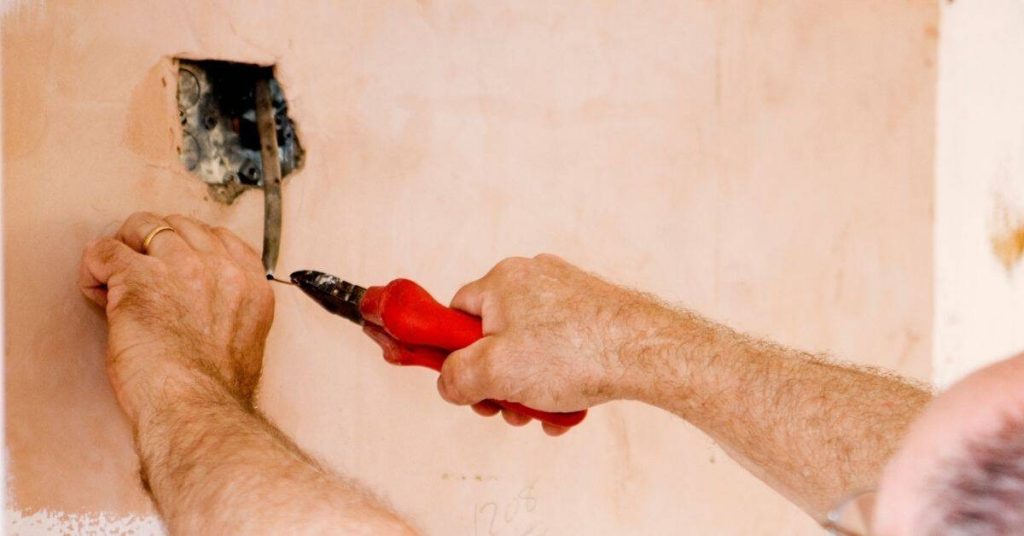
Hands using pliers to pull wire from electrical box in stucco wall

Stucco Around Electrical Meter Bases: Water Management Without Caulk Dams

Introduction Stucco around electrical meter bases is the careful detailing of stucco up to the meter box while managing water to prevent leaks. This approach keeps the enclosure dry and minimizes pathways for water intrusion. Follow manufacturer instructions and local rules to align with safe installation practices. Key methods include planning flashing and weep paths […]

Stucco Around Electrical Meter Bases: Water Management Without Caulk Dams Read More »
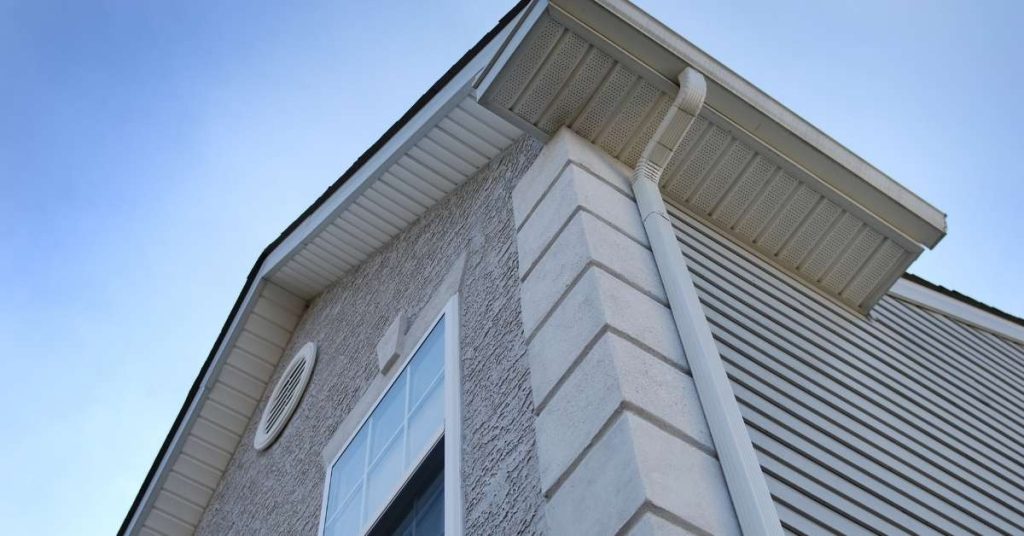
Stucco exterior wall corner with soffit and gutter

Deck Ledger Boards at Stucco Walls: Flashing Details That Keep Water Out

Introduction Flashing details at deck ledger boards attached to stucco walls help keep water from sneaking behind the deck and into the structure. In practice, you’ll plan a flashing layer that bridges the wall, the ledger, and the stucco, with proper clearance and seal where the ledger meets the wall. Check local rules and manufacturer

Deck Ledger Boards at Stucco Walls: Flashing Details That Keep Water Out Read More »

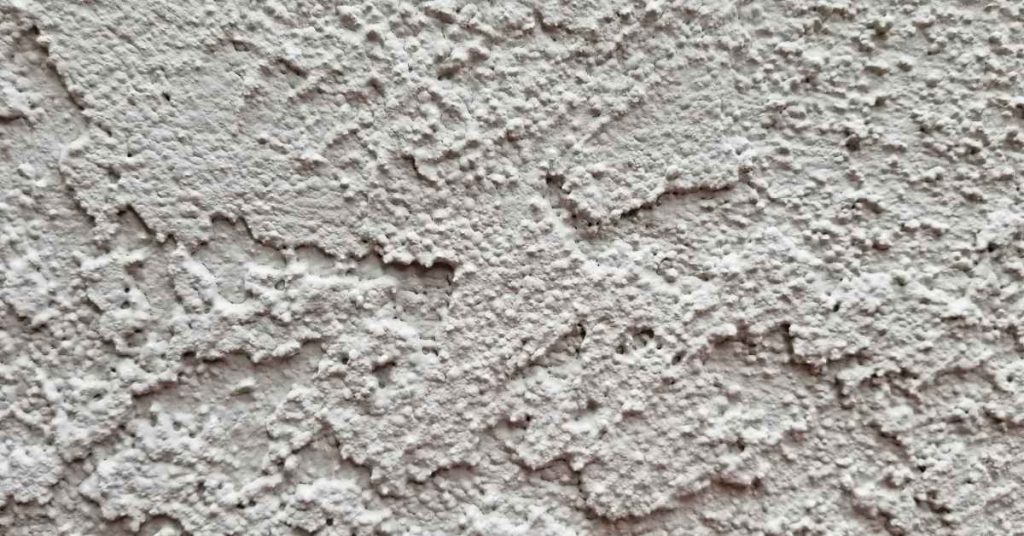
Close-up of white stucco wall texture

Mounting Heavy Items on Stucco: Spacers, Blocking, and Not Crushing the Finish

Introduction Mounting heavy items on stucco means creating solid backing behind the finish and using spacers to keep the surface intact while fasteners carry the load. Choose an anchor type appropriate for stucco and plan spacers and backing to avoid crushing the finish. Follow installation steps for the chosen anchor, check for proper spacing and

Mounting Heavy Items on Stucco: Spacers, Blocking, and Not Crushing the Finish Read More »

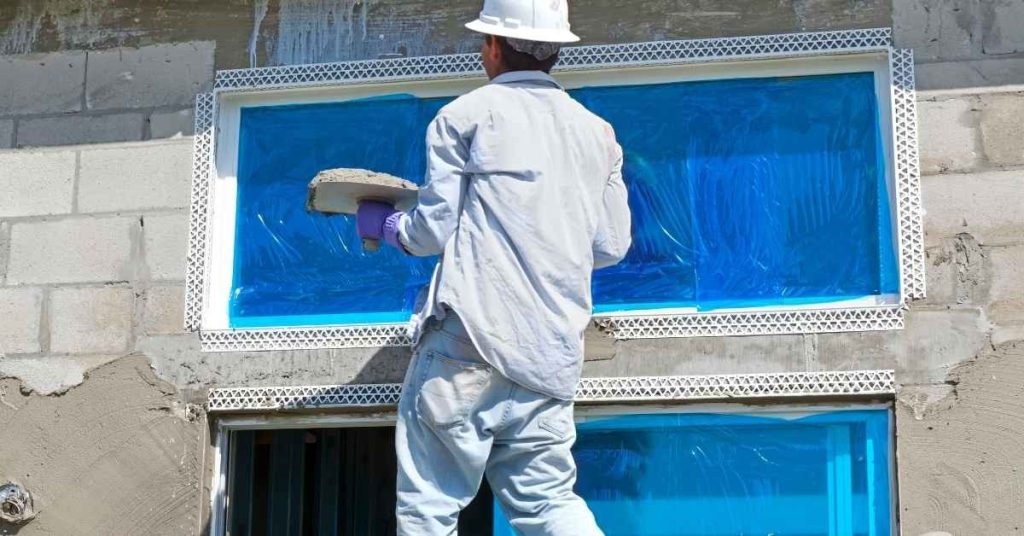
Worker applying stucco around window frame with trowel

Stucco Repairs Around Dryer Vents: Proper Sleeves, Flashing, and Slope

Introduction This guide explains how to repair stucco around dryer vents using proper sleeves, flashing, and slope. I’ll keep it practical and real-world, focusing on what you can check and adjust on the job. You’ll learn how to protect the vent opening from water intrusion while keeping the stucco looking sturdy. Key steps include selecting

Stucco Repairs Around Dryer Vents: Proper Sleeves, Flashing, and Slope Read More »

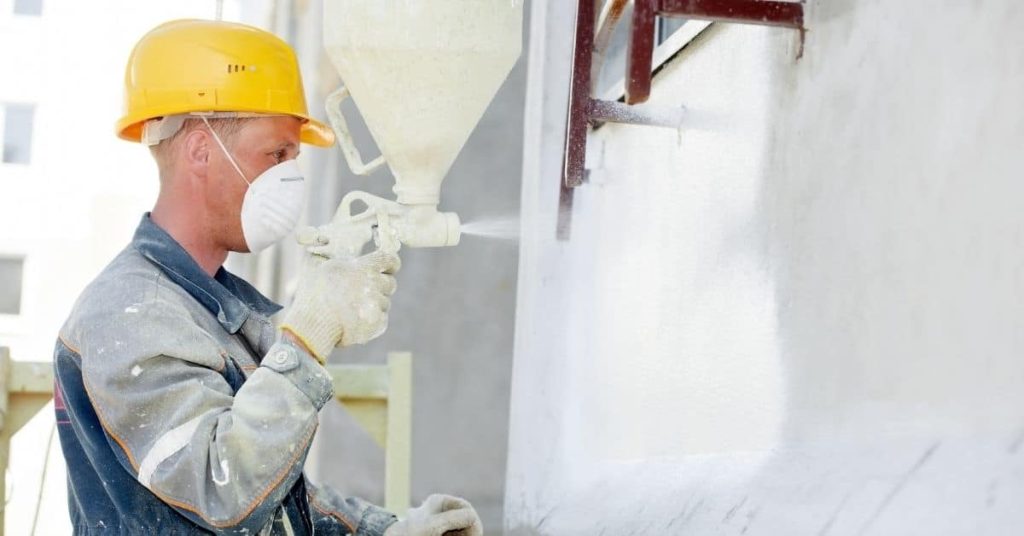
Worker spraying stucco on exterior wall wearing hard hat and mask

Stucco Around Hose Bibs: Sleeves, Sealant Geometry, and Crack Prevention

Introduction Stucco around hose bibs is the practice of enclosing the faucet with a protective sleeve and proper sealant so water stays out. The goal is a tight, weatherproof transition where the hose bib meets the stucco skin. This is a hands-on task, not a theory exercise. Start with correct sleeves and a flush, clean

Stucco Around Hose Bibs: Sleeves, Sealant Geometry, and Crack Prevention Read More »

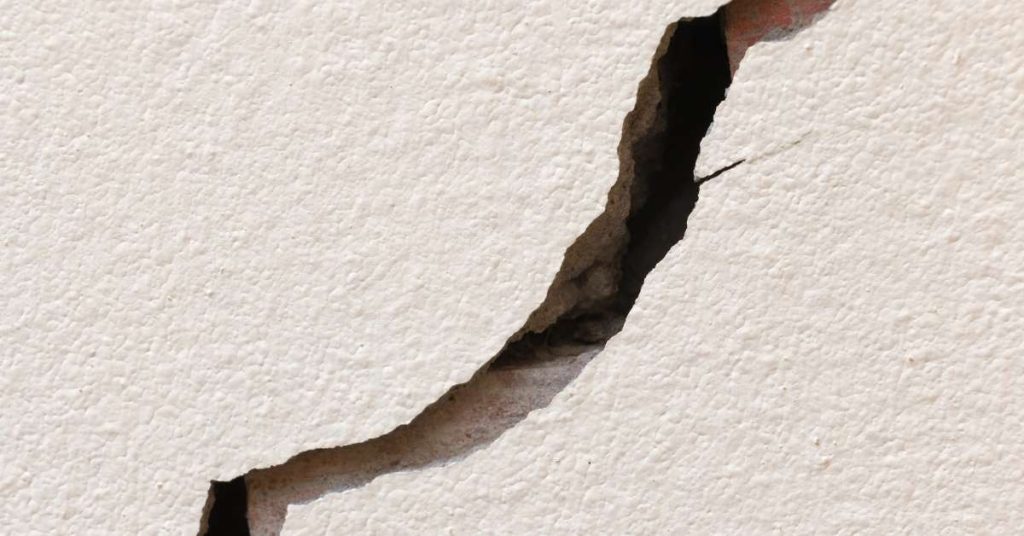
Closeup of deep irregular crack in textured stucco wall

Crack Repairs in Stucco Without Trapping Water: Drainage Plane Reality Check

Introduction Drainage planes are designed to move water out from behind stucco so you don’t trap it against the wall. When cracking repairs are done, you need to preserve that path for moisture to escape while sealing the crack. Check your current system and follow manufacturer guidance for any patch materials and installation steps. If

Crack Repairs in Stucco Without Trapping Water: Drainage Plane Reality Check Read More »

Textured yellow stucco wall with decorative sun and green leaves

Efflorescence on Stucco After Rain: What It Means and How to Clean Gently

Introduction Efflorescence is a whitish, powdery salt deposit that can appear on stucco after rain. It means moisture carried salts to the surface and dried, leaving a residue. Weather, moisture, and the wall materials all play a role in how it shows up. To clean it gently, start with a light rinse to remove loose

Efflorescence on Stucco After Rain: What It Means and How to Clean Gently Read More »

Exposed brick wall partly covered with gray stucco render

Stucco-to-Brick Transitions: Movement Joints and Water Breaks That Don’t Crack

Introduction A movement joint at a stucco-to-brick transition is a deliberate gap that lets the siding materials expand and contract without cracking. Its job is to separate the two substrates so stresses don’t transfer and crack the finish. This article shows practical, hands-on steps for placing joints and installing water breaks so the transition stays

Stucco-to-Brick Transitions: Movement Joints and Water Breaks That Don’t Crack Read More »

Wet concrete being poured onto floor surface

Concrete Control Joints Around Floor Drains: Crack Steering Without Creating a Lip

Introduction Concrete control joints around floor drains are expansion joints that help crack control by isolating the drain area from the surrounding slab. They create a defined weak plane that guides cracks away from the drain and keep a smooth surface around the lip. This is a practical, hands-on detail you can plan for during

Concrete Control Joints Around Floor Drains: Crack Steering Without Creating a Lip Read More »

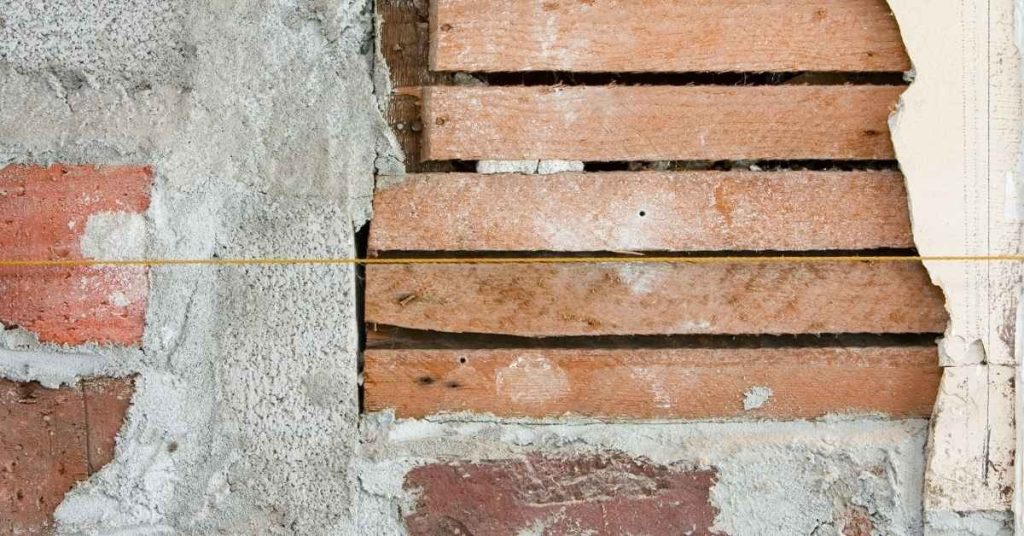
Exposed wooden lath under cracked plaster wall section

Rusting Stucco Lath in a Patch: Safe Cutback Limits and Better Refastening

Introduction Rusting stucco lath in a patch means the metal lath under the plaster has corroded and loosened, reducing support for the patch. That corrosion can cause the patch to crack or fall away if not addressed. Start by pulling back loose plaster and securing any loose lath pieces, then replace or tie back missing

Rusting Stucco Lath in a Patch: Safe Cutback Limits and Better Refastening Read More »