Search Results for: control joint stucco

Wire lath attached over foam insulation at inside corner

Inside-Corner Stucco Cracks: Reinforcement That Works Without Bulking

Introduction Inside-corner stucco crack reinforcement is a way to strengthen the joint without making it bulky. It focuses on tying the corner back together and borrowing the surrounding material’s strength so the crack doesn’t widen. Check local guidelines and product instructions to choose a method that fits your wall and climate. Different stucco types and […]

Inside-Corner Stucco Cracks: Reinforcement That Works Without Bulking Read More »

Hand holding blue caulking gun near white ceiling corner

Stucco-to-Window Caulk Lines: Where to Seal and Where to Leave Drainage

Introduction Caulking between stucco and window frames should be sealed where moisture can enter and left unblocked where drainage is needed. This article keeps it simple for DIYers: look for gaps, cracks, and misfitting edges and decide what to seal. Use the right sealant and apply cleanly, then check drainage paths. Identify gaps around windows

Stucco-to-Window Caulk Lines: Where to Seal and Where to Leave Drainage Read More »

Closeup of a large crack in white stucco wall

Stucco Too Close to Grade: Fix Options Short of Full Tear-Down

Introduction Stucco too close to grade means the stucco base sits near soil and splash zones, which can trap moisture and invite damage. Common signs include cracking, staining, or peeling where the wall meets the ground, plus any bubbling or powdery finish. Watch for moisture staining, plant growth against the wall, and gaps that let

Stucco Too Close to Grade: Fix Options Short of Full Tear-Down Read More »

Partially removed stucco revealing brick wall underneath

Crumbling Stucco Bottom Edges: Rebuild Steps and Keeping the Base Dry

Introduction Crumbling stucco bottom edges are where the material pulls away from the base near the ground, often letting moisture into the wall. This article shows you how to inspect the problem, remove damaged stucco safely, and plan repairs in plain, hands-on terms. You’ll learn what to look for so you can decide what needs

Crumbling Stucco Bottom Edges: Rebuild Steps and Keeping the Base Dry Read More »

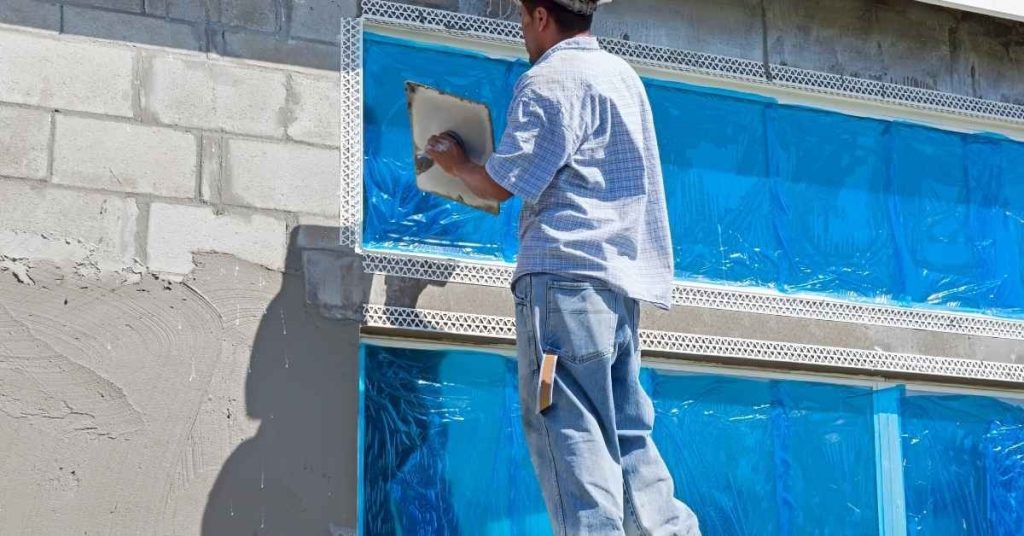
Worker applying stucco over concrete block wall near blue covered windows

Stucco Over Painted Concrete Block: Adhesion Tests and Prep That Prevents Delamination

Introduction Stucco over painted concrete block requires proper surface prep and adhesion testing to prevent delamination. We’ll walk through simple checks you can do with basic tools to judge if the old paint will hold and what to rough up or clean. This is a hands-on, DIY-friendly overview, not a full contractor guide. You’ll start

Stucco Over Painted Concrete Block: Adhesion Tests and Prep That Prevents Delamination Read More »

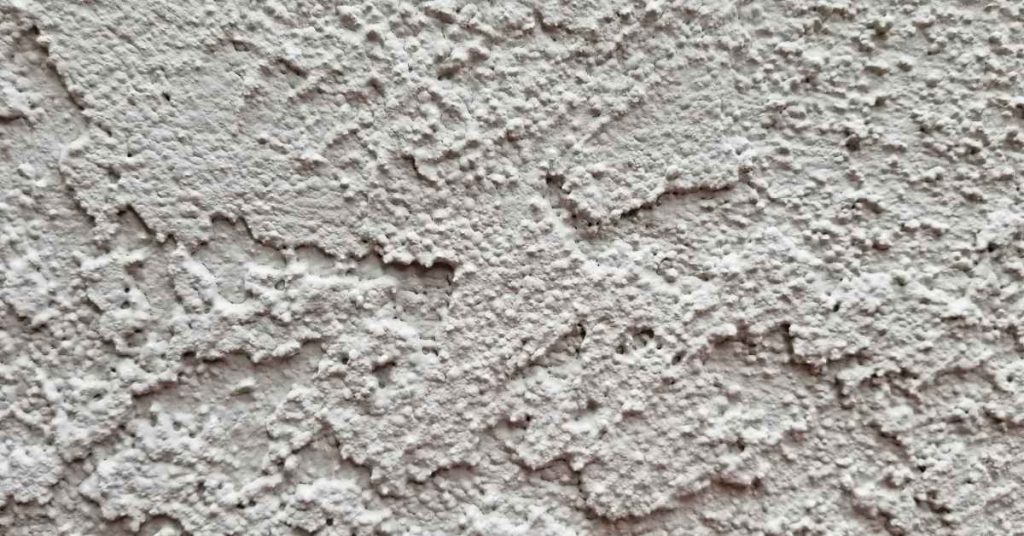
Close-up of white stucco wall texture

Stucco Wicking from Concrete: Base Details and Capillary Break Fixes

Introduction Stucco wicking from concrete happens when moisture travels through the concrete and into the stucco layer. This article covers how to prep the base and prevent capillary pull that brings dampness into the finish. Think of base details as the first line of defense: clean, dry, and properly framed to keep water away. Capillary

Stucco Wicking from Concrete: Base Details and Capillary Break Fixes Read More »

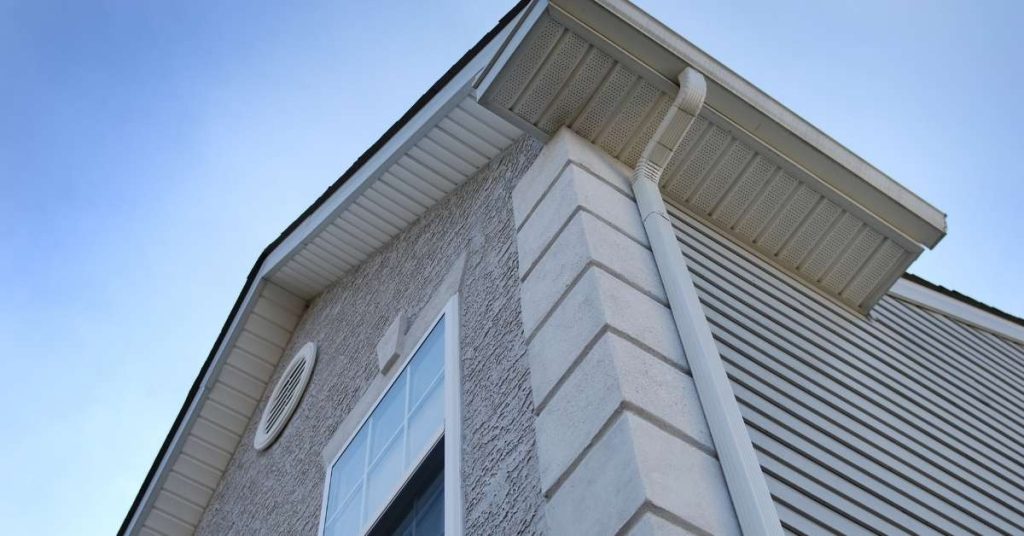
Stucco exterior wall corner with soffit and gutter

Missing Drip Edge on Stucco Bands: Repairing the Detail to Stop Water Tracking

Introduction A drip edge on stucco bands is metal flashing that keeps water from wicking back into the wall. If it’s missing, water can run behind the finish and cause staining or damage. In DIY terms, assess the area by looking for exposed edge along the band and note the flashing orientation. To fix it,

Missing Drip Edge on Stucco Bands: Repairing the Detail to Stop Water Tracking Read More »

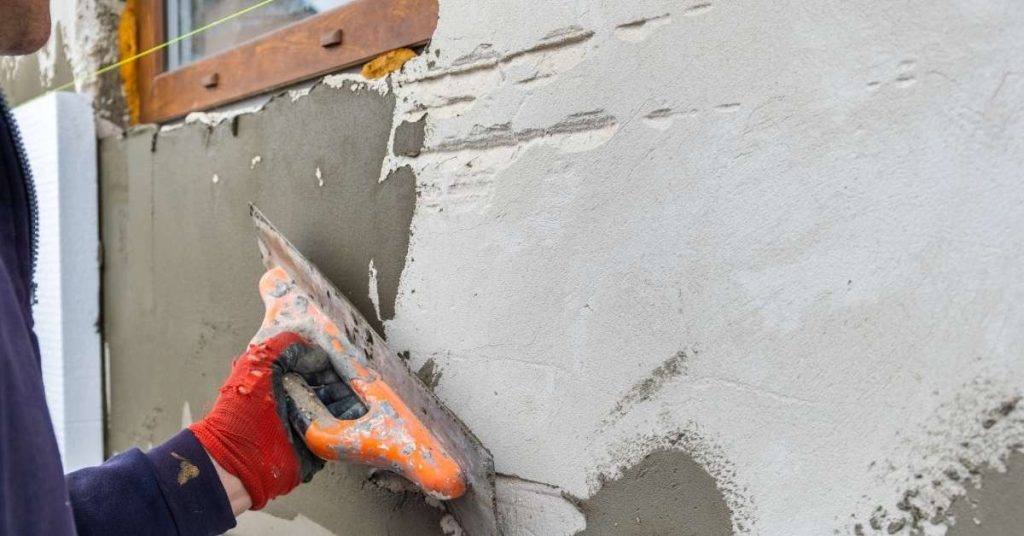
Hand applying brown stucco coat with trowel on wall

Stucco Over AAC or Soft Masonry: Suction Control and Base Coat Choices

Introduction Stucco over AAC or soft masonry requires managing suction and choosing a suitable base coat to ensure a durable finish. Prepare the substrate properly and assess suction levels before applying any finish coat. Always check the product labels and manufacturer instructions for compatible base coats and local requirements. Practice proper application techniques for plaster

Stucco Over AAC or Soft Masonry: Suction Control and Base Coat Choices Read More »

Person applying stucco to exterior wall with trowel

How Thick Is Your Stucco? Measuring Without Full Demo (and Patching Cleanly)

Introduction Measuring stucco thickness without full demolition means estimating how thick the outer layer sits on the wall. In plain terms, you’re looking for clues you can verify without tearing the surface apart. Use simple tools and a careful approach to avoid creating new cracks or exposing the substrate. Tools you can rely on include

How Thick Is Your Stucco? Measuring Without Full Demo (and Patching Cleanly) Read More »

Worker applying wet stucco to wall with trowel

Stopping Parapet Leaks with Stucco: Coping Caps and Top-Edge Detailing

Introduction This article covers how to stop parapet leaks with stucco through coping caps and top-edge detailing. You’ll approach this as a hands-on project, not a textbook lesson. Expect practical steps you can check on site and adjust for your wall setup. Plan for proper flashing, sealants, and coping cap installation, and verify what your

Stopping Parapet Leaks with Stucco: Coping Caps and Top-Edge Detailing Read More »