Search Results for: contractor to pour concrete slab

Hands in blue gloves spraying and wiping white wall with cloth

How to Remove Ice Melt Residue Before Resealing: Cleaning Without Etching

Introduction Removing ice melt residue after sealing is cleaning concrete surfaces without etching the finish. Use a non-acid cleaner and plenty of clean water, and work from the edges toward the center to avoid spreading residue. Test a small area first and scrub gently with a soft brush, then rinse well. Look for signs of […]

How to Remove Ice Melt Residue Before Resealing: Cleaning Without Etching Read More »

fresh concrete partially poured on rough surface

Using Burlap for Wet Curing: How to Keep It Wet Without Staining the Surface

Introduction Burlap can be used to keep concrete moist during curing without staining the surface when applied correctly. This method relies on evenly saturated burlap laid over the fresh pour and kept moist. Check the burlap material and manufacturer guidance for suitability and any surface protection needs. Choose burlap that is plain and untreated, and

Using Burlap for Wet Curing: How to Keep It Wet Without Staining the Surface Read More »

black wooden double entry doors with small window panes

Saw-Cut Timing With Early-Entry Saws: When They Beat a Standard Saw

Introduction Early-entry saws let you start a cut sooner than a standard saw. This approach aims to save time and reduce waiting around for equipment or setup. Keep in mind you must check safety and jobsite rules before changing timing. Plan your sequence, set up blades, and keep steady progression to avoid overheating or mistakes.

Saw-Cut Timing With Early-Entry Saws: When They Beat a Standard Saw Read More »

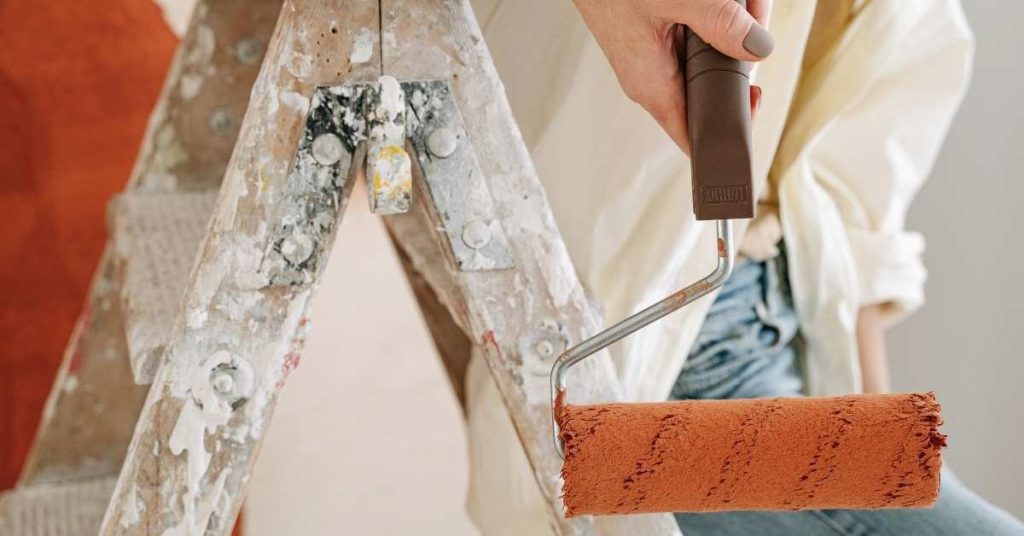
Person holding paint roller with rust-colored paint near ladder

Antiquing Integral Color: Stains, Washes, and How Sealers Change the Look

Introduction Antiquing integral color is about using stains or washes that are worked into concrete to create an aged, variegated look. This hands-on approach hinges on proper surface prep and a controlled application process so the color settles evenly. Before you start, clean, etch or profile the surface as needed and test on a small

Antiquing Integral Color: Stains, Washes, and How Sealers Change the Look Read More »

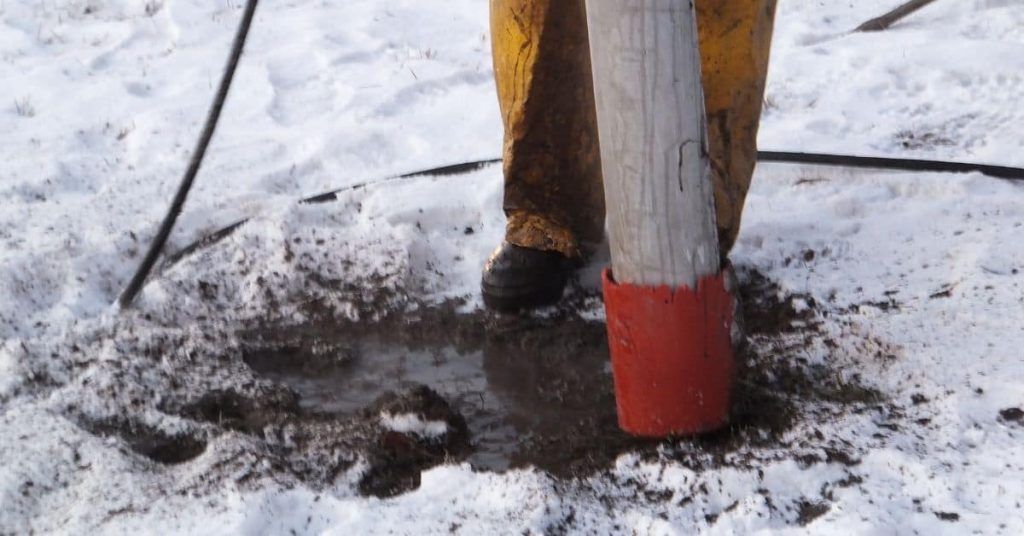
Worker standing in snowy ground with muddy water pooling

Cold Joints in Basement Walls: Waterstop Retrofits and ‘Outside Access’ vs ‘Inside Fix’ Reality

Introduction Cold joints in basement walls are weak seals where concrete layers meet that can leak if not treated. This article walks you through practical retrofit ideas and what to watch for on a DIY job. We keep it plain and achievable, not a blueprint. You’ll encounter several waterstop options, from flexible sleeves to sheet

Cold Joints in Basement Walls: Waterstop Retrofits and ‘Outside Access’ vs ‘Inside Fix’ Reality Read More »

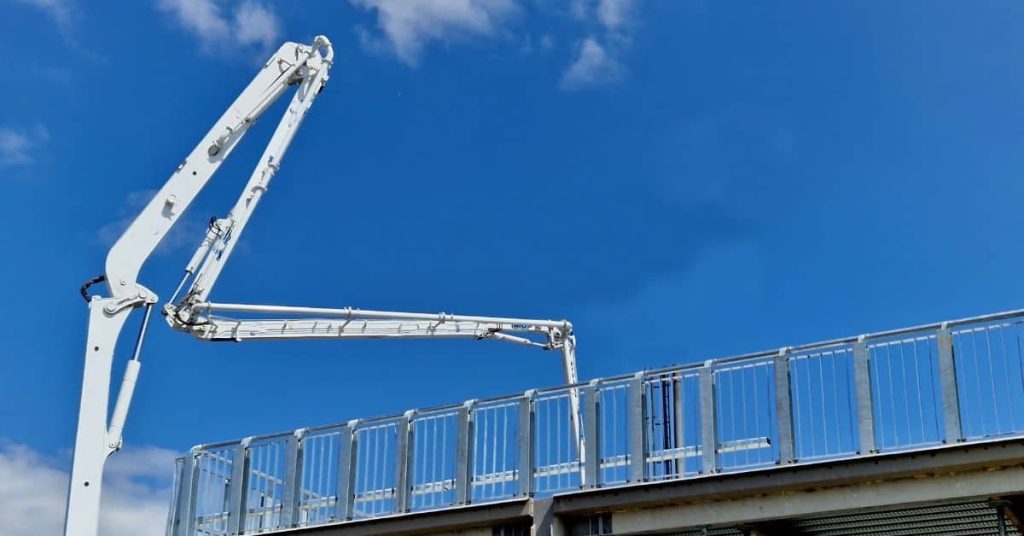
Long white concrete pump arm extending over building roof

Sump Pit Design Basics: Lid Sealing, Radon Tie-In, and Pump Cycling Problems

Introduction Sump pit design basics are practical steps to contain groundwater, seal the lid, and manage the pump. Keep the pit clean, plan the lid fit, and consider ventilation paths for radon if applicable. Always check local rules and manufacturer guidance when selecting components. Lid sealing techniques involve a tight fit, gasket or sealant use,

Sump Pit Design Basics: Lid Sealing, Radon Tie-In, and Pump Cycling Problems Read More »

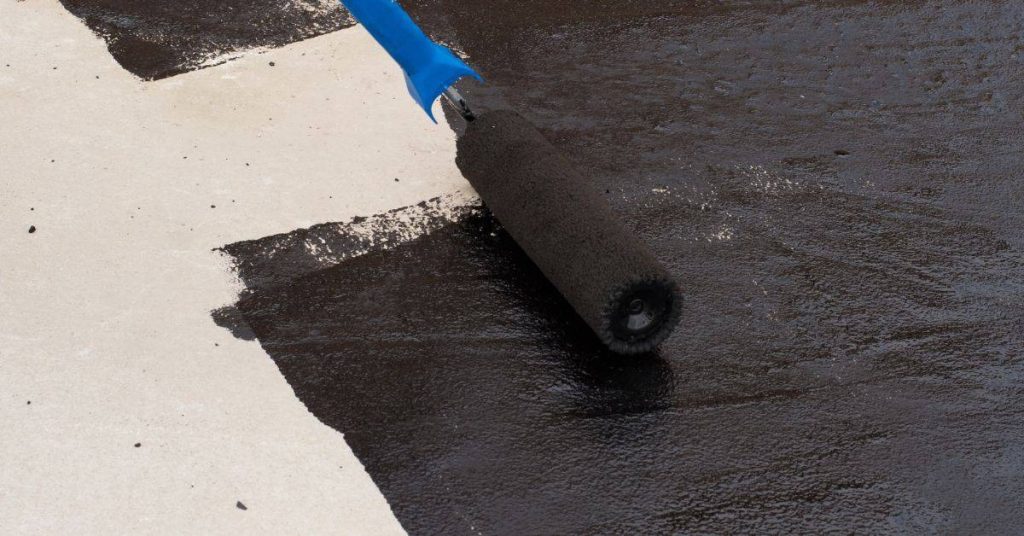
Paint roller applying black sealer on concrete surface

How to Choose a Penetrating Sealer for De-Icing Salt: Silicate vs Silane vs Fluoropolymer

Introduction A penetrating sealer for de-icing salt is a treatment that soaks into concrete to form a protective barrier against salt damage. Common options include silicate, silane, and fluoropolymer blends, each with its own pros and cons. When picking, read the product label and follow manufacturer instructions, and check local rules for your project. Silicate,

How to Choose a Penetrating Sealer for De-Icing Salt: Silicate vs Silane vs Fluoropolymer Read More »

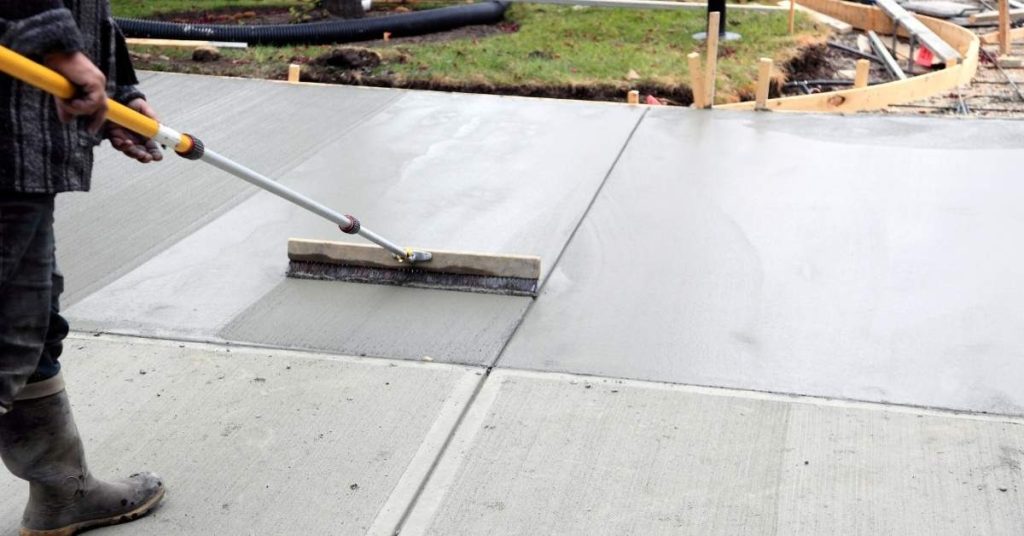
Person using concrete broom on wet concrete sidewalk

Reprofiling Worn Broom Finish: Thin Overlay vs Cut-and-Replace

Introduction Reprofiling worn broom finish means restoring a broom-textured concrete surface by either applying a thin overlay or replacing the affected slab. The approach you choose hinges on how deep the damage is, how flat you need it, and what your budget allows. Before you mix anything, focus on proper surface prep, crack clearing, and

Reprofiling Worn Broom Finish: Thin Overlay vs Cut-and-Replace Read More »

Close up of concrete floor grinding machine in use

Fixing Trip Hazards on Sidewalks: Grinding Limits, Overlay Risks, and Code-Ish Thresholds

Introduction Trip hazards on sidewalks are uneven or crowned surfaces that can snag a foot and cause a fall. For a DIY approach, start by evaluating where and how the surface is out of plane and plan gentle corrections rather than drastic reshaping. Keep changes modest, clearly mark the area, and work in daylight to

Fixing Trip Hazards on Sidewalks: Grinding Limits, Overlay Risks, and Code-Ish Thresholds Read More »

Outdoor metal water faucet dripping water drops

Integral Waterproofing Powders vs Liquid Admixtures: What Changes in the Mix Water

Introduction Integral waterproofing powders are dry admixtures added to the concrete mix to bond with cement and block water paths. Liquid admixtures, on the other hand, are poured or stirred in with the water to change how the mix behaves and how water moves through the concrete. In short, powders stay in the cement matrix

Integral Waterproofing Powders vs Liquid Admixtures: What Changes in the Mix Water Read More »