Search Results for: contractor to pour concrete slab

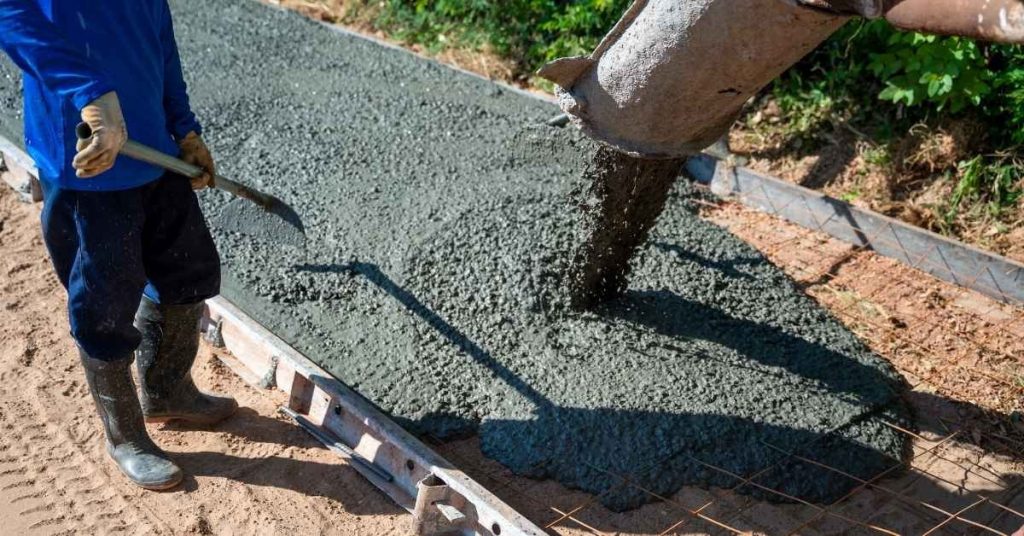
Worker pouring concrete slab with shovel and chute

Rapid Chloride Permeability (RCPT) and Alternatives: What “Low Permeability” Really Means

Introduction RCPT is a test that measures how fast chlorides pass through cured concrete. It’s a practical yardstick for judging how resistant your concrete may be to corrosion of embedded steel. This article breaks down what low permeability really means in plain language for DIY projects. We’ll cover the basic steps you’d see in an […]
Rapid Chloride Permeability (RCPT) and Alternatives: What “Low Permeability” Really Means Read More »

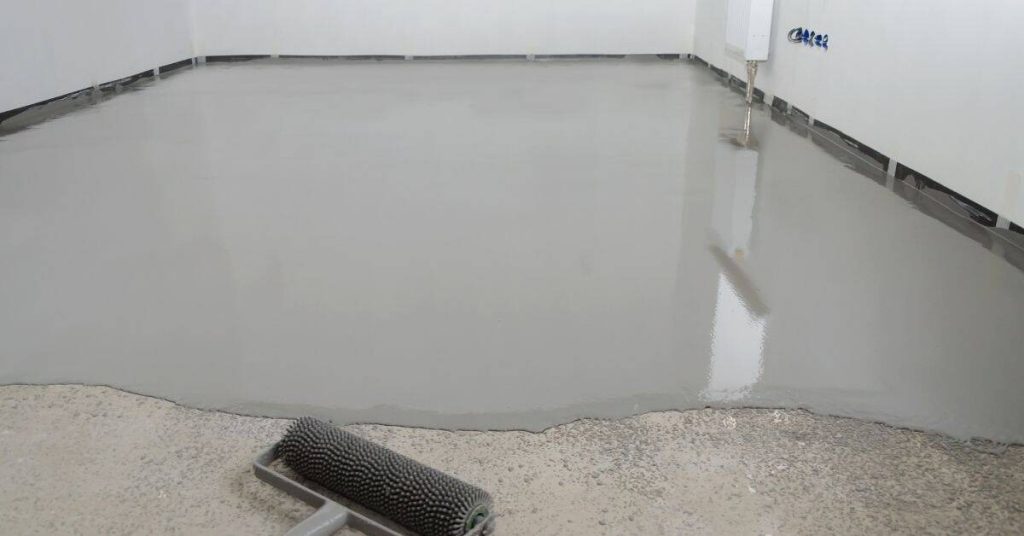
Freshly applied self-leveling concrete floor with roller

Microtopping Problems: Preventing bubbles, pinholes, and delamination

Introduction Microtopping problems are defects like bubbles, pinholes, and delamination that happen when a thin decorative concrete layer can’t bond or level properly. This article covers straightforward, hands-on steps to prevent them during mixing, prep, and application. You’ll also see how surface preparation and choosing self-leveling options can help you get a smoother, longer-lasting finish.

Microtopping Problems: Preventing bubbles, pinholes, and delamination Read More »

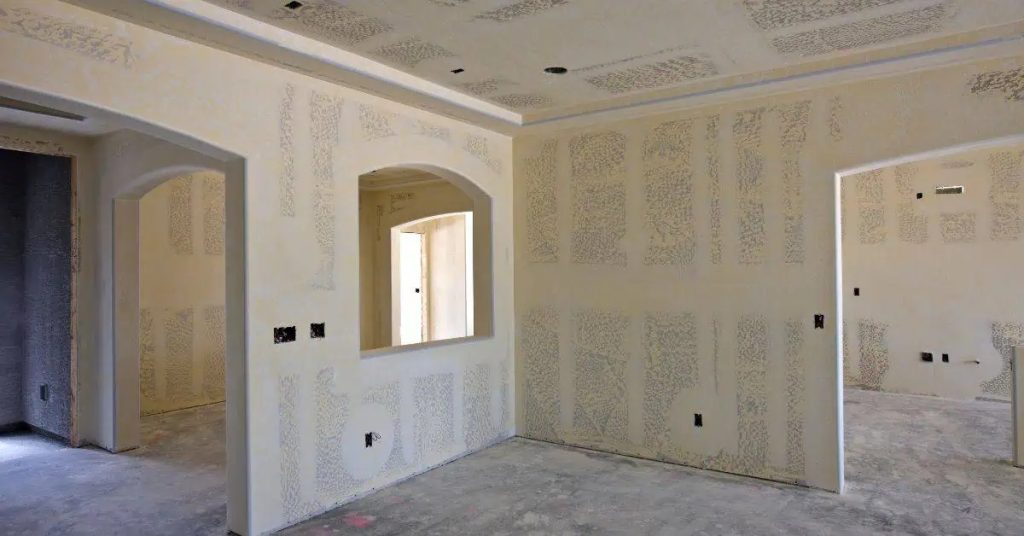
Room with drywall installed and joint compound patches visible

Repairing Raveled Joints: Rebuilding joint edges without creating a weak strip

Introduction Repairing raveled joints means rebuilding the edge of a concrete joint where the surface material has torn loose, without creating a weak, thin strip. Raveling happens when the joint edge flakes or spalls and exposes loose material that won’t hold up under movement. This is a hands-on job: you’ll remove the loose stuff, clean

Repairing Raveled Joints: Rebuilding joint edges without creating a weak strip Read More »

Close-up of asphalt shingle with visible impact damage

Stucco Damage Behind Downspouts: Repairs and water control improvements

Introduction Stucco damage behind downspouts is hidden water intrusion that weakens the wall where the downspout sits. Water running off the gutter can seep behind the stucco and cause cracking, bulging, or soft spots. This article shows practical steps you can do to inspect and start repairs without specialized equipment. Start by cleaning the area

Stucco Damage Behind Downspouts: Repairs and water control improvements Read More »

Person smoothing plaster on ceiling with trowel

Recurring Plaster Cracks: Hidden causes and reinforcement that helps

Introduction Recurring plaster cracks are cracks that keep coming back after repairs due to underlying movement or moisture. This article explains practical, hands-on steps you can take to stop the cycle. We’ll look at common hidden causes and simple reinforcement ideas you can try. Check your wall conditions and proceed with care to avoid making

Recurring Plaster Cracks: Hidden causes and reinforcement that helps Read More »

Concrete garage floor with paint roller and wet coating

Garage Floor Paint vs Epoxy vs Polyaspartic: What Actually Holds Up

Introduction Garage floor coatings come in paint, epoxy, and polyaspartic, each with its own durability profile. Paint is simple and forgiving, epoxy offers a thicker hard coat, and polyaspartic dries fast and resists temperature swings. This guide helps you compare protection, appearance, and DIY viability before you pick. You’ll learn what to expect in terms

Garage Floor Paint vs Epoxy vs Polyaspartic: What Actually Holds Up Read More »

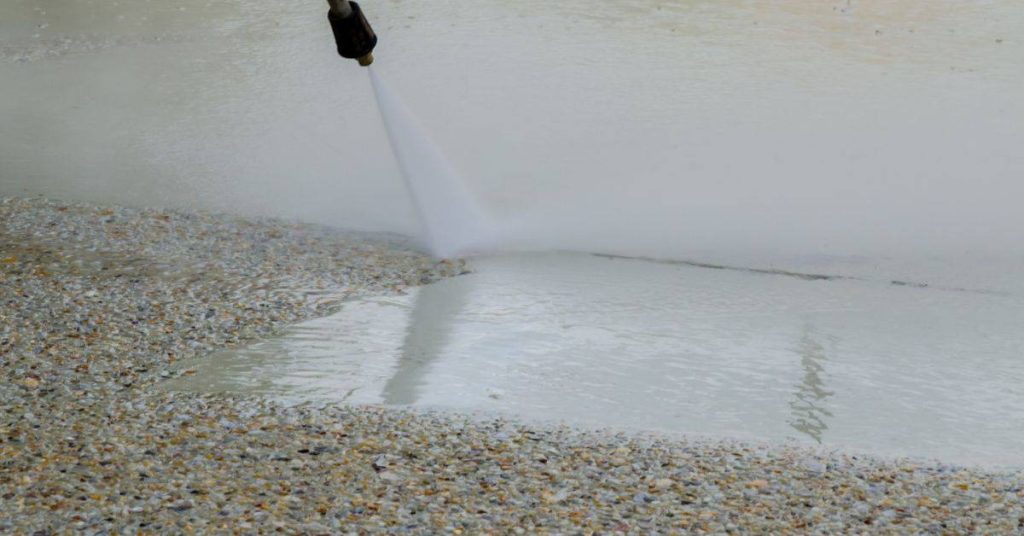
Pressure washing exposed aggregate concrete surface

Exposed Aggregate Finish: Timing, Washing, and Sealing for Long-Term Durability

Introduction Exposed aggregate finish is when you reveal the decorative rocks in fresh concrete by washing away the surface grout at the right time. Plan the pour with your exposure goal in mind, and monitor the surface as it firms so you can decide when to start washing. Have a clear sequence for washing, exposing

Exposed Aggregate Finish: Timing, Washing, and Sealing for Long-Term Durability Read More »

Wooden house on stilts over calm water at sunset

Superplasticizer vs Water Reducer: Which One You Actually Need for Workability

Introduction Superplasticizers and water reducers are concrete additives that improve workability without adding extra water. A superplasticizer is typically more powerful at lowering water while keeping consistency. Check product labels and manufacturer instructions to match your mix and slump goals. Both can help with flow and finishing, but they influence different concrete properties. Concrete properties

Superplasticizer vs Water Reducer: Which One You Actually Need for Workability Read More »

Concrete stairs next to a red brick wall

Integral Waterproofing Admixtures: What They Can Do—and What They Can’t

Introduction Integral waterproofing admixtures are additives mixed into concrete to reduce water penetration from within. They work during curing and can be easier to install than external membranes, but their effectiveness depends on mix, quality, and application conditions. For DIY projects, expect they won’t fix existing cracks or damage and you still need proper concrete

Integral Waterproofing Admixtures: What They Can Do—and What They Can’t Read More »