Search Results for: contractor cement

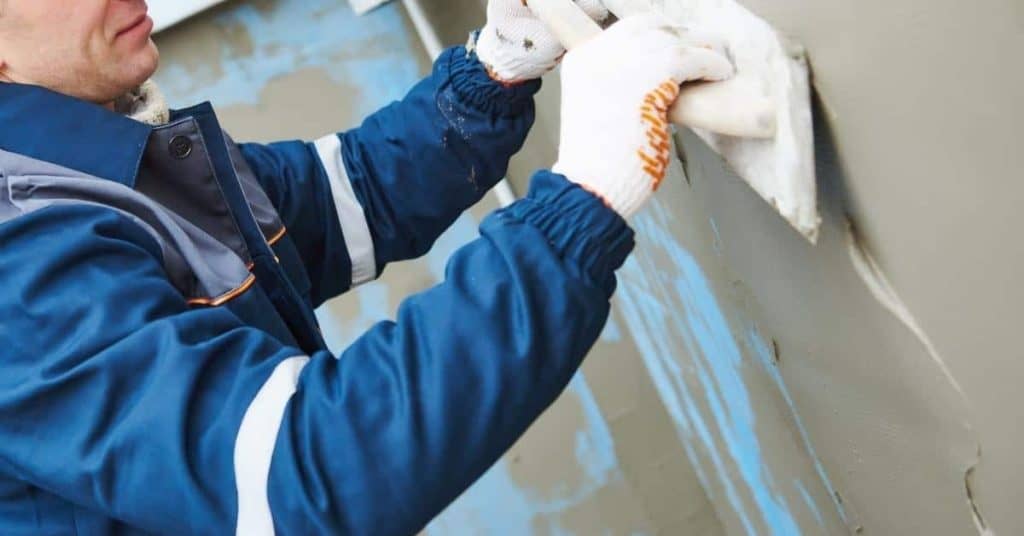
Worker applying stucco plaster with trowel on wall

Fixing Stucco Cracks Without Trapping Water: Drainage Plane Reality Check

Introduction A drainage plane helps keep water away from the stucco by directing it outward rather than behind the wall. This article walks through fixing cracks without blocking that flow. Keep in mind that your goal is to let water run down and out, not seal it in. Start by inspecting the drainage layer and […]

Fixing Stucco Cracks Without Trapping Water: Drainage Plane Reality Check Read More »

Stucco wall with a long patch near basement window

Fixing Hollow-Sounding Stucco: When to Patch vs When to Rebuild

Introduction Hollow-sounding stucco means the outer layer isn’t firmly attached to the wall and loose areas rattle. For small, localized hollows, you can patch; for wide or underlying damage, you’ll likely need to rebuild the affected area. This is a hands-on decision that depends on what’s beneath the surface and how stable the substrate feels.

Fixing Hollow-Sounding Stucco: When to Patch vs When to Rebuild Read More »

Brick chimney with smoke emitting against blue sky

Chimney Stucco Failures: Heat, Cracks, and Repair Choices

Introduction Chimney stucco failures are cracks and deterioration in the exterior plaster caused by heat exposure, moisture, and movement. These issues show up as hairline cracks, spalling, or texture changes that let water in. Addressing them early keeps water out and protects the brick or block behind the finish. To start, inspect for cracks that

Chimney Stucco Failures: Heat, Cracks, and Repair Choices Read More »

Hand sanding a plaster wall with a sanding sponge

Plaster Sanding Mistakes: When Sanding Ruins the Finish and What to Do Instead

Introduction Sanding plaster can ruin the finish if you over-sand or use the wrong grit for the surface. This article explains how to spot the signs and what to do instead. You’ll learn practical, hands-on steps you can take without turning a simple job into a bigger mess. Start by avoiding heavy, broad motions and

Plaster Sanding Mistakes: When Sanding Ruins the Finish and What to Do Instead Read More »

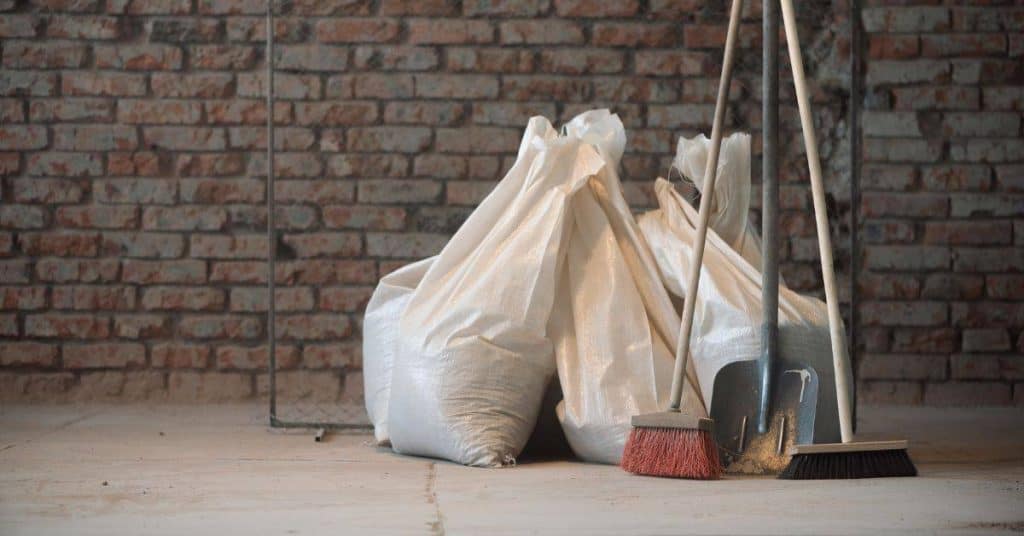
white debris bags with broom and shovel against brick wall

Plaster Dust Control for Small Jobs: Containment That Keeps Cleanup Sane

Introduction Plaster dust containment means keeping dust from plastering work from escaping the work area. It helps protect your home and makes cleanup easier. Start by setting a clear boundary and using basic barriers and cleanup habits. For a simple setup, close off the work zone, lay down plastic sheeting, and seal doorways. Use a

Plaster Dust Control for Small Jobs: Containment That Keeps Cleanup Sane Read More »

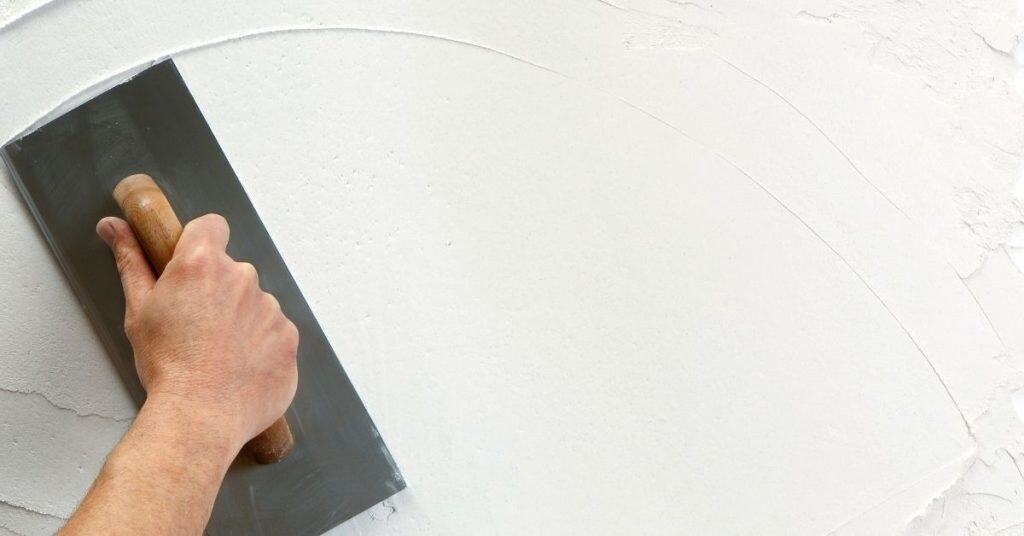
Hand holding trowel smoothing plaster on wall

Plaster Crack Repair That Lasts: Stabilize Movement Before You Patch

Introduction Stabilizing movement before patching means stopping the wall from shifting so the patch can stick. This is a hands-on job, not a quick cover-up. You’ll address the underlying cause first, then patch. Start by locating what’s moving in the wall and take steps to stop it. Secure loose framing with basic fixes and let

Plaster Crack Repair That Lasts: Stabilize Movement Before You Patch Read More »

Close-up of textured concrete garage floor with white car in background

Moisture-Safe Concrete Coatings: What Works, What Doesn’t, and Why

Introduction Moisture-safe concrete coatings are sealers and finishes that slow or block water from the concrete surface. They help keep moisture from moving into basements, garages, or workshops. Choose options that fit your climate and surface, and always follow label directions. What doesn’t work for everyone can be a waste of time and money. In

Moisture-Safe Concrete Coatings: What Works, What Doesn’t, and Why Read More »

Close-up of concrete floor grinding machine on rough concrete surface

Fixing Form Lines on Exposed Concrete: Grinding, Skim Coats, and Texture Matching

Introduction Fixing form lines on exposed concrete means smoothing or concealing the raised lines left by the forms so the surface looks even. In this DIY approach, you’ll grind the lines down, skim-coat areas as needed, and texture-match the rest of the surface. Plan to work methodically, wear a dust mask, and always check the

Fixing Form Lines on Exposed Concrete: Grinding, Skim Coats, and Texture Matching Read More »