Search Results for: contractor cement

Exterior of house with stucco finish and tiled roof

Glass Pozzolan vs Fly Ash: Performance, Finish, and Supply Realities in 2026

Introduction Glass pozzolan and fly ash are supplementary cementitious materials that can boost concrete performance when used properly. They can improve strength development, workability, and finish quality, but results depend on the mix, curing, and finished surface. Always check the product label and follow manufacturer instructions and local rules for compatibility with your cement and […]

Glass Pozzolan vs Fly Ash: Performance, Finish, and Supply Realities in 2026 Read More »

Electric drill mixing cement in bucket outdoors

Viscosity-Modifying Admixtures (VMA): Stopping Segregation in Flowable Mixes

Introduction Viscosity-modifying admixtures (VMAs) help concrete stay workable without segregating. They slow down the mix’s tendency to separate into heavy cement slurry and lighter aggregate. Use them when you plan long pours, thick slurries, or hot weather. Choose a VMA based on the mixer and concrete type, and follow the label directions. Test a small

Viscosity-Modifying Admixtures (VMA): Stopping Segregation in Flowable Mixes Read More »

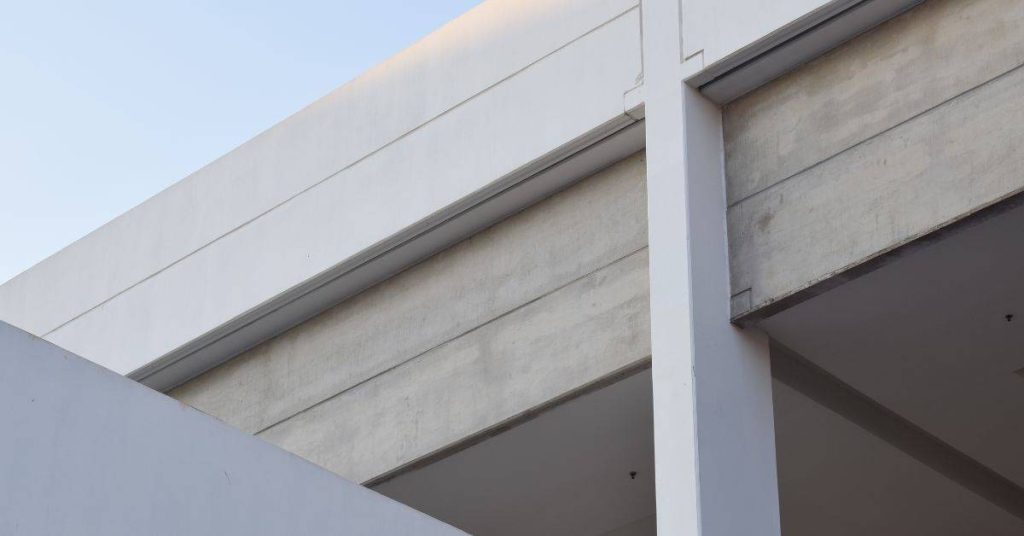
Close-up of concrete beams and columns on building exterior

Petrographic Analysis for Concrete Problems: When It’s Worth Sending a Sample

Introduction Petrographic analysis is identifying what’s inside concrete by examining thin sections under a microscope to diagnose problems. Sending a sample is worth it when surface tests don’t tell you the cause, or when you need to confirm suspicion of reactions or cracking. It’s a straight‑forward way to separate chemical reactions from physical wear. A

Petrographic Analysis for Concrete Problems: When It’s Worth Sending a Sample Read More »

Stacked precast concrete hollow core slabs outdoors

Chloride Penetration in Concrete: Why Coastal Slabs Fail and How to Slow It Down

Introduction Chloride penetration in concrete is the inward movement of chloride ions from the environment into the concrete and reinforcement area. In coastal areas, salt spray, moisture, and wet-dry cycles push chlorides into the concrete matrix. This can lead to corrosion of reinforcing steel and reduce the structure’s long-term durability. To slow chlorides down, choose

Chloride Penetration in Concrete: Why Coastal Slabs Fail and How to Slow It Down Read More »

Melting ice cubes with water pool on white surface

Concrete Laitance: How to Identify It and Remove It Before Coatings Fail

Introduction Laitance is a thin, weak surface layer of cement and fines on concrete that can ruin coatings if it isn’t removed. It often feels powdery or dusty and looks lighter or different from the surrounding concrete. If you leave laitance, coatings can fail early and moisture or dirt may trap under the finish. Removal

Concrete Laitance: How to Identify It and Remove It Before Coatings Fail Read More »

White concrete pump truck boom arm over metal fence

Air-Entrained Concrete: What It Is, Why It Matters, and Simple Checks

Introduction Air-entrained concrete is concrete that contains tiny air bubbles added on purpose to improve performance. These bubbles come from air-entraining agents mixed in with the concrete. This helps the concrete resist damage from freeze-thaw cycles and cracking, especially in exposed or moisture-prone spots. Testing for air content can be done with pressure, volumetric, or

Air-Entrained Concrete: What It Is, Why It Matters, and Simple Checks Read More »

Close-up of small gravel aggregate stones

UHPC for Small Projects: When It’s Worth It and How to Mix It Safely

Introduction UHPC for small projects is a high-performance concrete mix designed for limited-volume jobs where strength and durability matter. This introduction explains, in plain terms, when it makes sense to choose UHPC and how to start mixing it safely for a DIY setup. It’s about weighing benefits against preparation, tooling, and costs. When mixing UHPC

UHPC for Small Projects: When It’s Worth It and How to Mix It Safely Read More »

beige textured stucco wall close up

Rust Stains on Stucco: Removing iron marks without damaging the finish coat

Introduction Rust stains on stucco are iron marks that show up as reddish or orange streaks on the surface. This article explains how to remove those marks without harming the finish coat. You’ll learn practical, hands-on steps that you can try on your own wall. Start by testing a small, hidden area to ensure the

Rust Stains on Stucco: Removing iron marks without damaging the finish coat Read More »

Close-up of rough light gray stucco wall texture

Stopping Mold Regrowth on Stucco: Fixing moisture sources, not just the surface

Introduction Stopping mold regrowth on stucco means addressing the moisture that feeds it, not just cleaning the surface. Mold on stucco tends to come back if you don’t fix leaks, condensation, or improper drainage. Look for obvious sources like roof or gutter leaks, cracked stucco, and flashing issues, and note what you can realistically repair

Stopping Mold Regrowth on Stucco: Fixing moisture sources, not just the surface Read More »

Hand applying green paint with roller on taped surface

Why Stucco Paint Peels: Coating compatibility and moisture red flags

Introduction Paint on stucco peels mainly because the coating loses adhesion from moisture or from incompatibility with the surface. That means the top layer isn’t gripping the stucco or is being pushed loose by moisture behind it. A proper diagnosis starts with checking the surface for signs of moisture and poor bonding. Before repainting, inspect

Why Stucco Paint Peels: Coating compatibility and moisture red flags Read More »