Search Results for: contractor cement

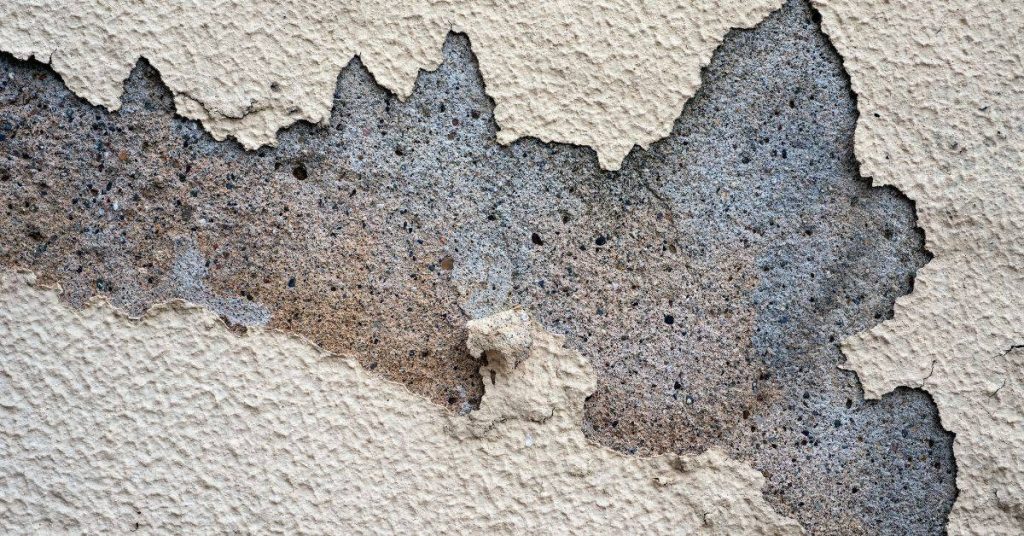
Peeling beige stucco revealing rough concrete underneath

Freeze-thaw damage on stucco base coats: recognizing it early and rebuilding the right way

Introduction Freeze-thaw damage occurs when trapped moisture in stucco base coats freezes and expands, causing cracking and delamination. It can weaken the surface and open pathways for water to enter surrounding layers. Damage often starts on the exterior and can spread if not addressed with proper repairs. Common signs include hairline cracks, chipped or powdery […]


Freeze-thaw damage on stucco base coats: recognizing it early and rebuilding the right way Read More »

Stucco exterior walls on a house under clear blue sky

Stucco color fade on south walls: UV reality, pigment choices, and repaint intervals

Introduction Stucco color fade on south walls happens when sun exposure and UV light fade the pigment over time. This is common on exterior surfaces that receive strong afternoon sun. Understanding what to expect helps plan when to repaint and what finishes stand up best. Choosing the right paint type and pigment can improve durability

Stucco color fade on south walls: UV reality, pigment choices, and repaint intervals Read More »

Worker spraying white coating onto stucco wall with spray gun

Breathable vs waterproof stucco coatings: choosing paint that won’t trap moisture

Introduction Breathable coatings let moisture escape from the wall while waterproof coatings block water from entering. In practice, choosing between them for stucco means balancing moisture movement with the need for surface protection. Always follow the product label and consider how your climate and surface condition will interact with the coating. Temperature changes can affect

Breathable vs waterproof stucco coatings: choosing paint that won’t trap moisture Read More »

Hand scraping delaminated stucco from wall with scraper

Stucco delamination from paint layers: how to test adhesion before you repaint

Introduction Delamination in stucco paint means the coating is no longer firmly attached to the underlying surface. Testing adhesion before repainting shows whether the surface is ready to be prepped and primed. A quick check helps you plan the cleaning, scraping, and sealing steps. To test adhesion, use a simple peel or lift test on

Stucco delamination from paint layers: how to test adhesion before you repaint Read More »

Close-up of stucco edge with foam insulation and sealant

Bottom edge stucco moisture wicking: diagnosing capillary rise and fixing the drainage plane

Introduction Bottom-edge stucco moisture wicking occurs when capillary rise pulls moisture from the foundation into the lower stucco courses. This guide helps you spot the signs and understand why the drainage plane matters. Look for damp patches, staining, softening, or peeling where the stucco meets the foundation, and check for poor drainage or blocked weep

Bottom edge stucco moisture wicking: diagnosing capillary rise and fixing the drainage plane Read More »

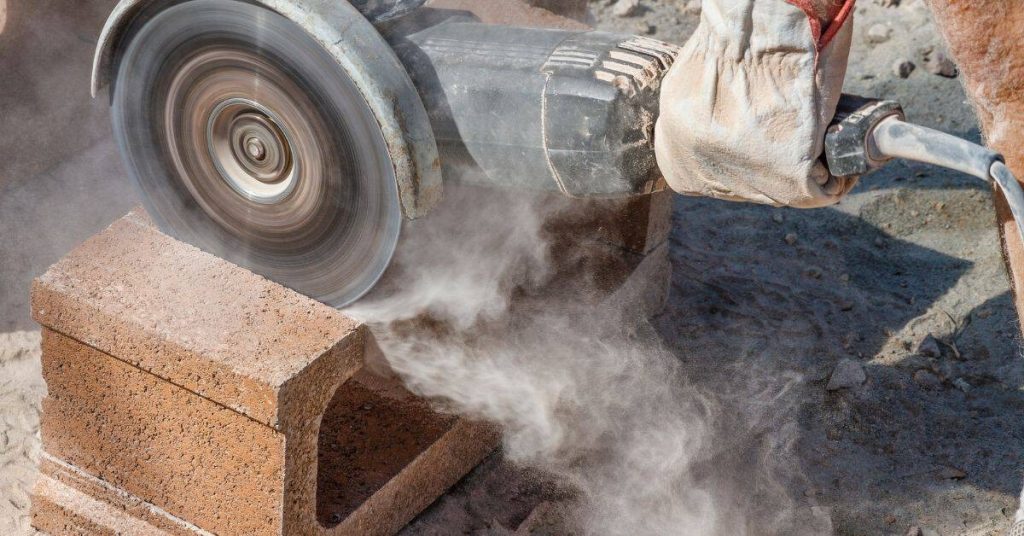
Person cutting cinder block with angle grinder outdoors

Re-sealing old stucco window edges: cutting out bad caulk and reinstalling proper backing

Introduction This is the process of removing deteriorated caulk around a stucco window and replacing it with proper backing and sealant. You will inspect the edge, cut out the old caulk, and prepare the gap for new material. The goal is a clean joint that stops water intrusion and allows for flexible, long-lasting sealing. Next,

Re-sealing old stucco window edges: cutting out bad caulk and reinstalling proper backing Read More »

Stucco wall with three boarded openings and rust stains below

Tracking hidden metal in stucco: stopping rust stains from coming back after repairs

Introduction Tracking hidden metal in stucco is the process of locating metal components behind the stucco to prevent rust-related damage. Rust stains can reappear if metal isn’t found and treated. This introduction covers practical steps for checking, repairing, and preventing future issues. Techniques for detecting hidden metal include visual clues and non-destructive checks. Common causes

Tracking hidden metal in stucco: stopping rust stains from coming back after repairs Read More »

Close-up of damaged stucco wall with peeling and exposed underlying surface

Bulging or hollow stucco spots: tap testing, cut windows, and when patching is a trap

Introduction Bulging or hollow spots in stucco indicate hidden voids or moisture behind the surface. Use a light tapping test to distinguish solid backing from hollow areas, and treat any suspect spot as a sign to inspect further. Avoid rushing to patch; confirm what you’re dealing with before sealing. If you decide to open a

Bulging or hollow stucco spots: tap testing, cut windows, and when patching is a trap Read More »

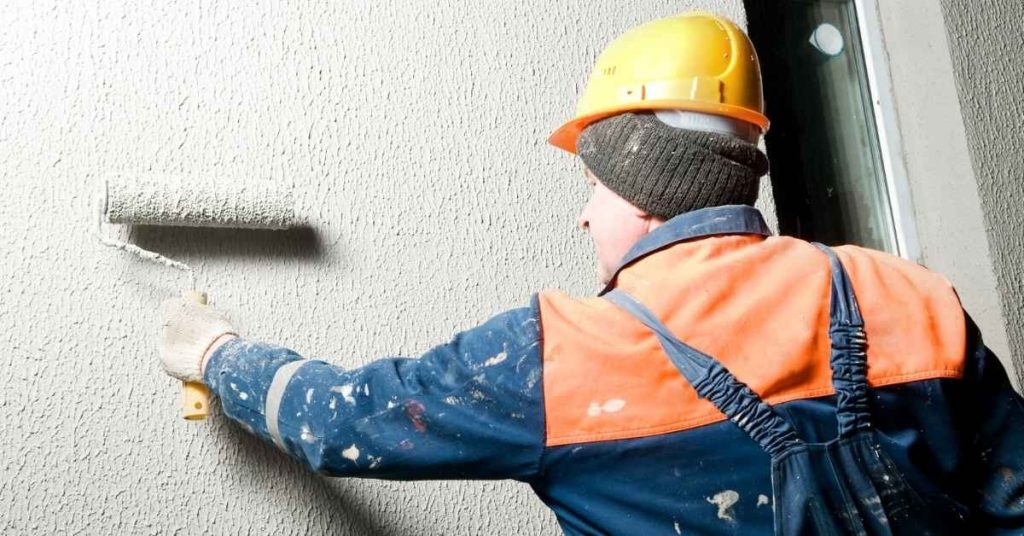
Worker applying textured stucco to exterior wall with paint roller

Hairline cracks in stucco: when elastomeric paint helps and when it hides bigger problems

Introduction Hairline cracks in stucco are very thin cracks in the exterior plaster that can form from settling, temperature changes, or minor shrinkage. They often appear as pale lines and may run across walls or around windows. Understanding what they are helps you decide whether to address them before painting. Elastomeric paint can bridge small

Hairline cracks in stucco: when elastomeric paint helps and when it hides bigger problems Read More »

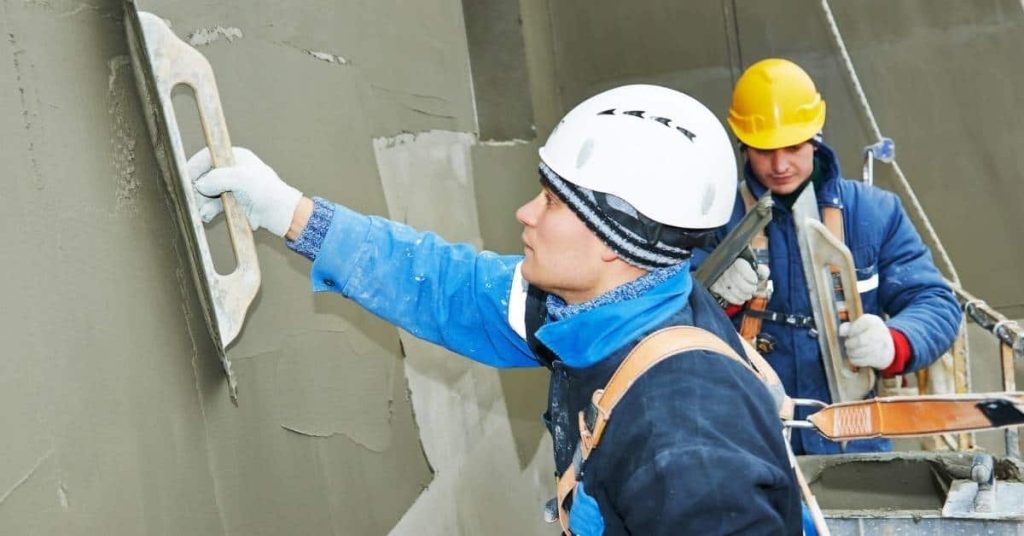
Two workers applying stucco finish coat on wall outdoors

Stucco finish coat batch matching: keeping color consistent across multiple days

Introduction Batch matching for stucco finish coat means keeping the color and texture consistent between mixes produced on different days. This article offers practical, hands-on guidance for achieving a uniform look across project days. You’ll learn basic steps to test color, record your results, and adjust as needed. Materials you’ll need include the finish coat

Stucco finish coat batch matching: keeping color consistent across multiple days Read More »