Search Results for: concrete staining and sealing

Person spraying liquid on sealed concrete patio outdoors

Slip Resistance on Sealed Concrete: Safer traction without ruining the look

Introduction Slip resistance on sealed concrete means how much traction you get from a sealed surface to help prevent slips. Sealers are especially important around pool areas where water, soap, and wet feet are common. They also help prevent water damage and wear by sealing the pores, but you still need the right sealer for

Slip Resistance on Sealed Concrete: Safer traction without ruining the look Read More »

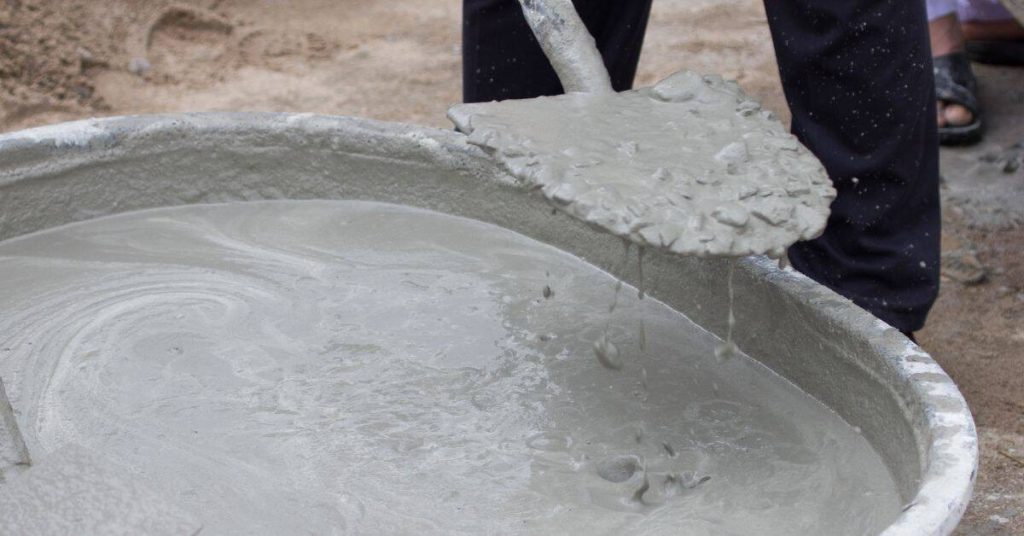
Wet concrete being mixed in a large basin with a shovel

Concrete Pigment Streaks: Mixing order and water control to prevent banding

Introduction Pigment streaks in concrete happen when mixing order and water balance create color bands. This article explains how to mix pigments with cement and manage water so the color stays even. Keep in mind proper timing and consistency as you work. Start by blending pigment powder with a small portion of dry mix before

Concrete Pigment Streaks: Mixing order and water control to prevent banding Read More »

Closeup of red brick and mortar joints in wall

Caulk Pulling Away From Stucco: Why joints fail and how to rebuild them

Introduction Caulk pulling away from stucco happens when the seal between the joint and surface fails, allowing the caulk to separate from the wall. Common causes include movement in the building, sun and weather wear, improper surface prep, and using the wrong type of caulk. These gaps can trap moisture and worsen cracking, so addressing

Caulk Pulling Away From Stucco: Why joints fail and how to rebuild them Read More »

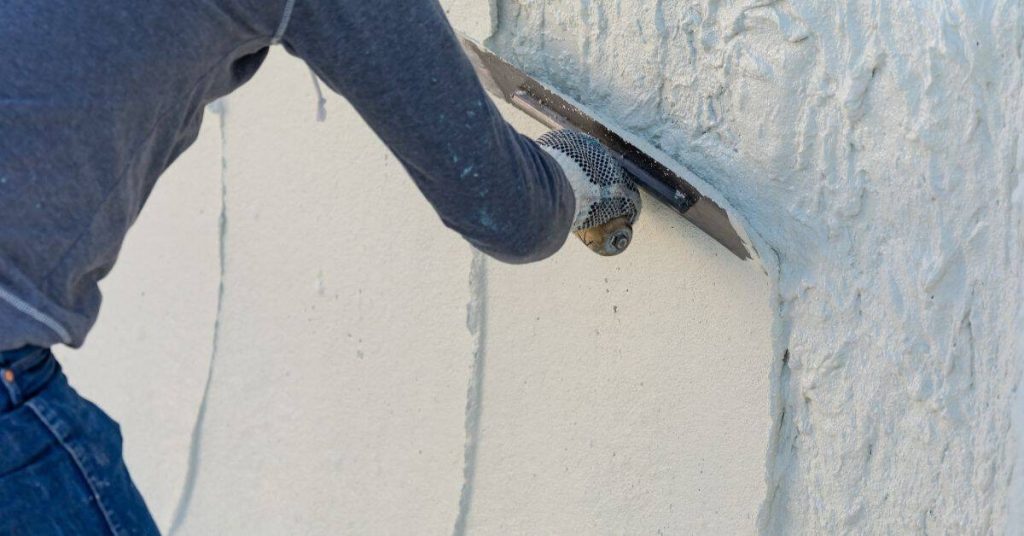
Hand applying gray stucco to exterior wall with trowel

New Stucco Over Old Stucco: When it’s safe and how to prep properly

Introduction Yes—new stucco can go over old stucco when the base is sound. Look for cracks, loose sections, and obvious moisture problems and address them. Ask about local rules and follow manufacturer instructions for the products you choose. Prepare the surface by cleaning, repairing loose areas, and ensuring a stable bond. Prime as directed and

New Stucco Over Old Stucco: When it’s safe and how to prep properly Read More »

Close-up of asphalt shingle with visible impact damage

Stucco Damage Behind Downspouts: Repairs and water control improvements

Introduction Stucco damage behind downspouts is hidden water intrusion that weakens the wall where the downspout sits. Water running off the gutter can seep behind the stucco and cause cracking, bulging, or soft spots. This article shows practical steps you can do to inspect and start repairs without specialized equipment. Start by cleaning the area

Stucco Damage Behind Downspouts: Repairs and water control improvements Read More »

Exterior stucco wall with multiple windows under clear sky

Cracks Around Stucco Windows: Why they form and how to fix them correctly

Introduction Cracks around stucco windows are caused by movement at the window opening and the surrounding stucco not moving the same way. Settling, temperature swings, and flashing or moisture issues are common culprits to look for. Note whether the crack runs along the frame, at corners, or where trim meets stucco to guide your fix.

Cracks Around Stucco Windows: Why they form and how to fix them correctly Read More »

Person applying stucco texture to wall with trowel

Stucco at Deck and Porch Connections: Water control and movement details

Introduction Stucco at deck and porch connections is the moisture-control detail where stucco meets the deck to stop water from entering the structure. It relies on flashing, proper joint gaps, and movement allowances to shed water and accommodate movement. Always check manufacturer instructions and local rules for flashing, sealants, and clearance requirements. For a practical

Stucco at Deck and Porch Connections: Water control and movement details Read More »