Search Results for: concrete staining and sealing

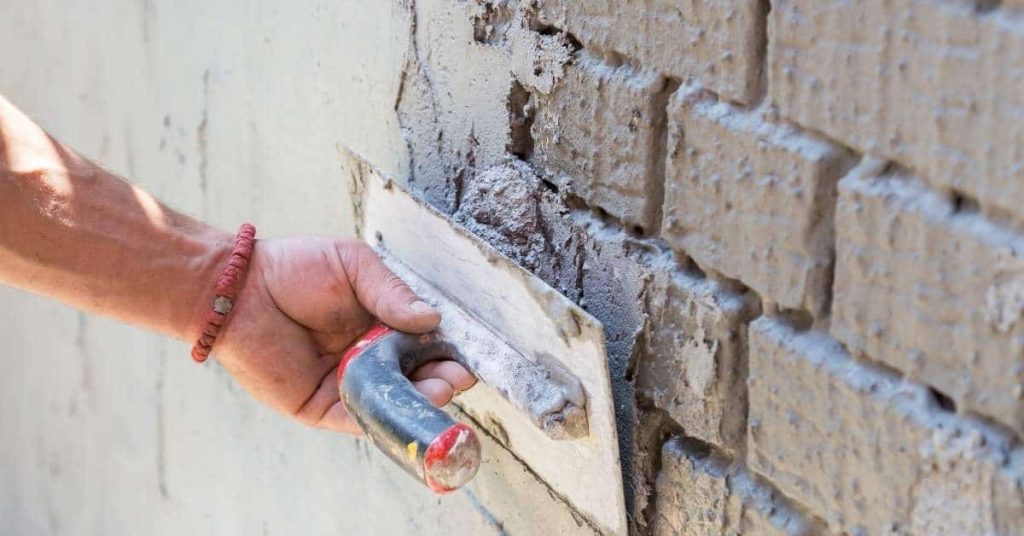
Hand applying stucco with a trowel on wall surface

Stucco-to-Foundation Transitions: Sealing and drainage without trapping moisture

Introduction This topic is about preventing moisture from moving between stucco and the foundation by sealing and managing drainage. In practice, you aim to keep water from soaking into the joint while letting any seepage drain away. It’s a hands-on process that starts at the edge where stucco meets concrete and uses straightforward materials chosen […]

Stucco-to-Foundation Transitions: Sealing and drainage without trapping moisture Read More »

Brick chimney with smoke against clear blue sky

Chimney Stucco Cracks and Stains: Causes, repairs, and prevention

Introduction Chimney stucco cracks and stains are exterior flaws in the stucco coating caused by movement, moisture, or dirty runoff. These issues can signal underlying water intrusion or surface aging that needs attention. Identifying the cause helps you choose a safe, practical repair plan you can do yourself. Look for hairline cracks, efflorescence, or dark

Chimney Stucco Cracks and Stains: Causes, repairs, and prevention Read More »

Close-up of weathered pink stucco wall with discoloration

Elastomeric Coatings on Stucco: When they help and when they cause trouble

Introduction Elastomeric coatings are flexible sealants applied over stucco to bridge cracks and repel water. They can help by sealing tiny cracks and smoothing rough textures, but they need clean, sound surfaces. If the stucco is cracked or damp, or if the coating is too thick, problems can follow. They can cause trouble when moisture

Elastomeric Coatings on Stucco: When they help and when they cause trouble Read More »

Close-up of dusty white plaster wall texture

Priming Dusty Plaster: Sealing chalky walls so paint actually bonds

Introduction Priming dusty plaster means applying a compatible primer to seal chalky surfaces so paint can properly adhere. This helps the surface hold onto new paint and reduces peeling. Check the primer label for suitability with plaster and ensure the wall is clean and dust-free before applying. If in doubt, consult the product instructions and

Priming Dusty Plaster: Sealing chalky walls so paint actually bonds Read More »

Cracked plaster corner with yellow and white walls

Salt Damage in Plaster: Stopping recurring powder and flaking on masonry walls

Introduction Salt damage in plaster is when mineral salts from the masonry migrate into the plaster and cause powdering and flaking. This often happens as moisture moves through the wall and brings salts to the surface, weakening adhesion. The fix starts with locating the moisture source and choosing a repair approach that fits the wall

Salt Damage in Plaster: Stopping recurring powder and flaking on masonry walls Read More »

Hand applying plaster to brick wall with trowel

Sealing Lime Plaster: Protection options that still let walls breathe

Introduction Sealing lime plaster means applying a breathable coating that protects the wall without stopping moisture. Choose sealers or finishes that are specifically marked breathable and lime-plaster compatible. Test a small patch first and check the product label for indications of breathability and surface compatibility. Prepare and clean the wall, then apply in thin, even

Sealing Lime Plaster: Protection options that still let walls breathe Read More »

Hands applying plaster on wall with trowel

Pinholes in Venetian Plaster: Causes and application tweaks to prevent them

Introduction Pinholes in Venetian plaster are small surface holes that appear when the plaster or glaze dries with trapped air. They usually come from air pockets formed during mixing, application, or drying, especially if coats are too thick or work is too wet. Filling them after the fact is harder than preventing them. To prevent

Pinholes in Venetian Plaster: Causes and application tweaks to prevent them Read More »

Textured clay plaster wall with subtle pattern

Clay Plaster in Kitchens: Grease cleanup and protective topcoats that work

Introduction Clay plaster in kitchens is a natural, breathable wall finish that you can apply to walls and ceilings. Grease will require gentle cleaning and the right sealing approach to keep the plaster from staining. Check product labels and manufacturer guidance for cleaning methods and compatible sealers. Protective topcoats help resist grease and moisture, but

Clay Plaster in Kitchens: Grease cleanup and protective topcoats that work Read More »