Search Results for: concrete staining and sealing

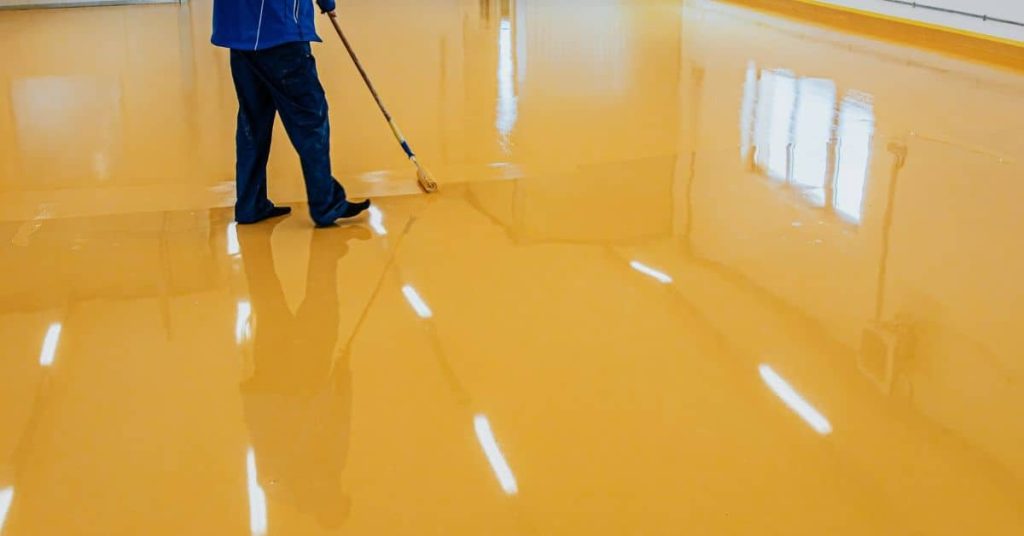
Person applying yellow epoxy floor coating with roller

Bubbles in Epoxy: Where they come from and how to stop them

Introduction Bubbles in epoxy are air pockets that form during mixing and pouring. They come from trapped air, improper mixing, or surface contamination. Taking care during prep and curing helps reduce them. Minimize bubbles by following the product’s mixing instructions and preparing the surface before pouring. Pour slowly, avoid stirring air into the resin, and

Bubbles in Epoxy: Where they come from and how to stop them Read More »

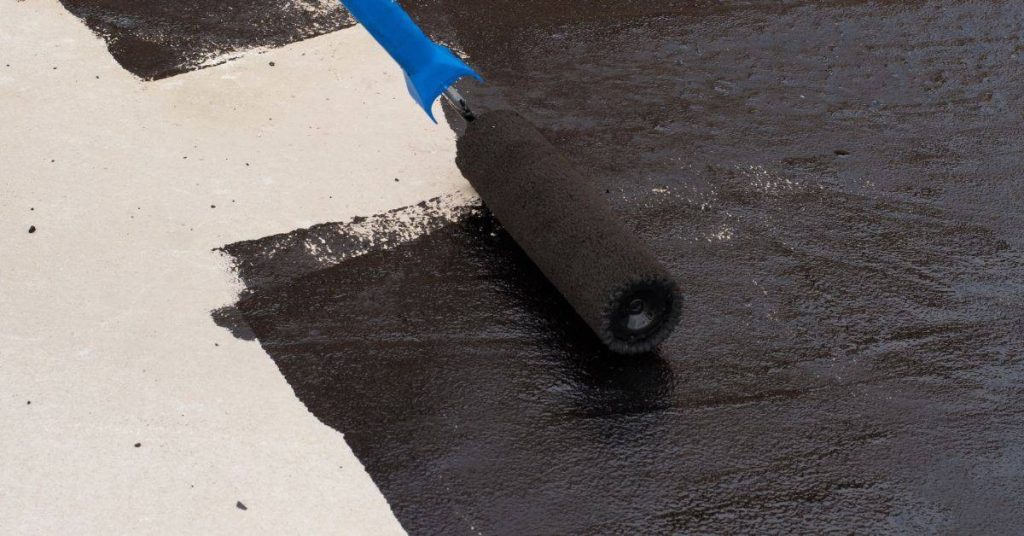
Paint roller applying black sealer on concrete surface

Concrete Sealer Recoat Windows: Why ‘too soon’ and ‘too late’ both cause problems

Introduction A concrete sealer recoat is best done when the surface is ready to bond again, so applying too soon or too late can cause problems. If you seal too soon, the new coat may not adhere well or cure correctly. If you wait too long, contaminants or the old film can prevent proper bonding.

Concrete Sealer Recoat Windows: Why ‘too soon’ and ‘too late’ both cause problems Read More »

paintbrush wooden stick metal can opener on wood surface

Neutralizing After Acid Stain: Rinsing until it’s truly clean and stable

Introduction Neutralizing after acid stain means stopping the chemical reaction and restoring a stable pH before rinsing and sealing. In practice, you rinse and treat the surface to remove residual acid, then wipe or scrub as needed. This is a hands-on step that affects color, consistency, and how the sealer will grab. Gather basic tools

Neutralizing After Acid Stain: Rinsing until it’s truly clean and stable Read More »

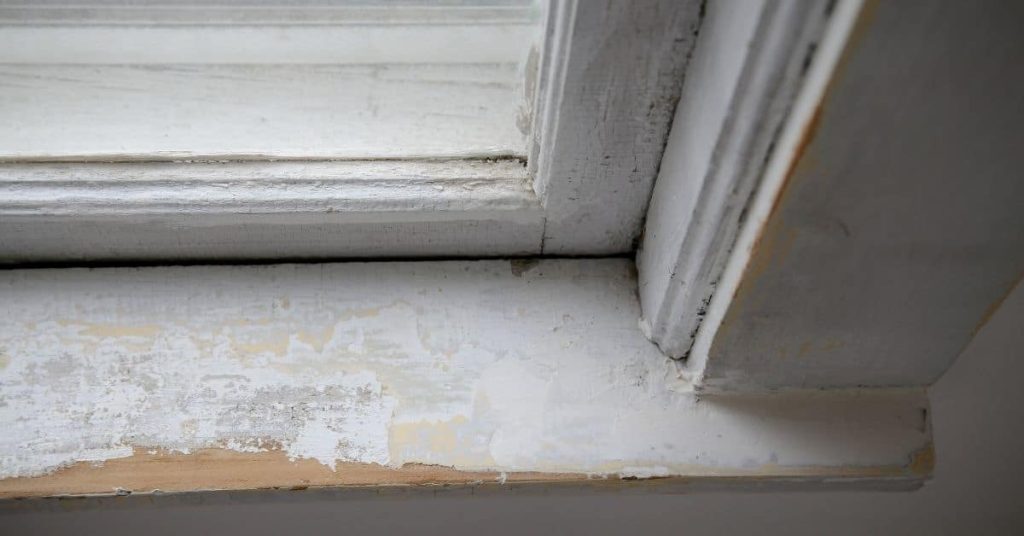
Close-up of peeling white concrete sealer on wall surface

Peeling Concrete Sealer: The moisture and prep mistakes that cause failure

Introduction Peeling concrete sealer happens when a coating lifts away from the concrete rather than sticking. Moisture coming up from the slab and poor surface prep are common causes. We’ll cover the practical mistakes DIYers run into and how to spot them before sealing. Make sure the surface is clean and porous enough to accept

Peeling Concrete Sealer: The moisture and prep mistakes that cause failure Read More »

Close-up of thin red brick wall pattern with mortar joints

Overlay Thickness Rules: How thin overlays fail and what lasts outdoors

Introduction Overlay thickness rules determine how thin overlays will perform outdoors. If you go thinner than recommended, they can crack, delaminate, or wear away quickly. Always check the product label and local rules, and follow the manufacturer’s guidance for your climate and substrate. There are several overlay types you might consider, from micro-toppings to self-leveling

Overlay Thickness Rules: How thin overlays fail and what lasts outdoors Read More »

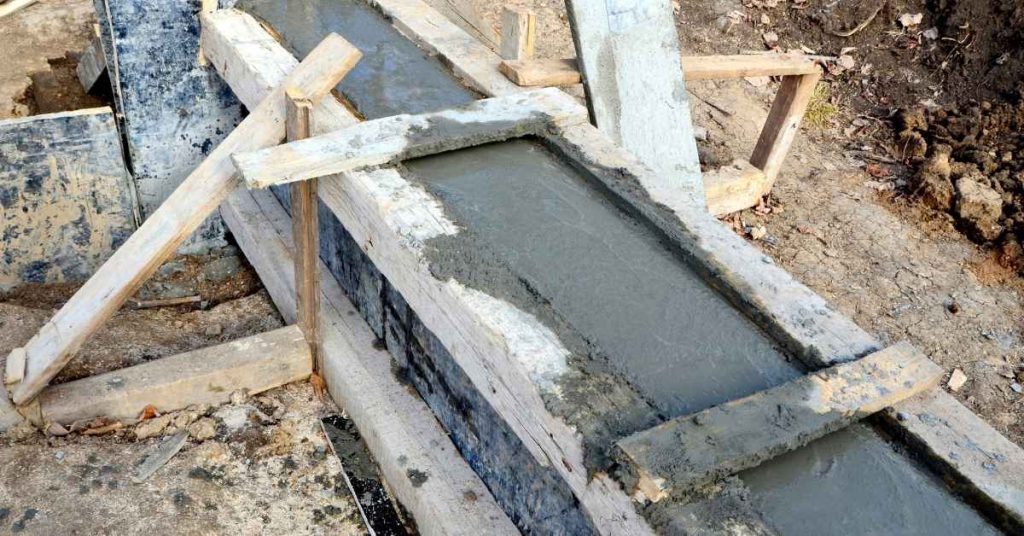
Fresh concrete poured into wooden forms at construction site

Concrete Form Release: Preventing stains, soft faces, and patchy color

Introduction Concrete form release is a coating applied to forms to prevent sticking and to help control staining and color issues on the surface. Key takeaways Choose release agents carefully; improper use can stain and dull decorative color. Plan form removal timing with manufacturer instructions and local code guidance. Use recommended tools and materials from

Concrete Form Release: Preventing stains, soft faces, and patchy color Read More »

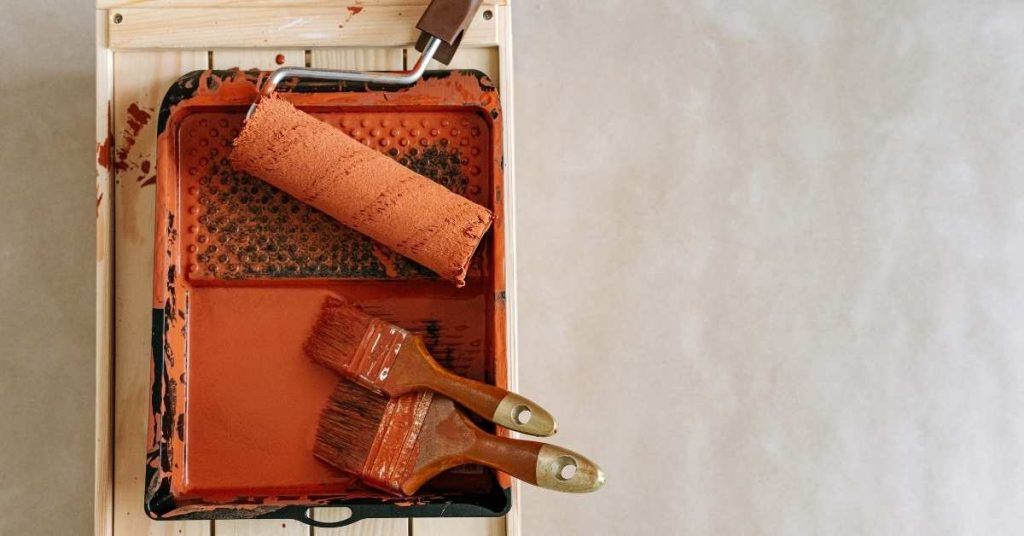
rust-colored paint roller and paintbrushes in tray on wooden surface

Painting Over Rust: Stopping bleed-through and preventing return rust

Introduction Painting over rust means sealing and coating metal surfaces to stop rust bleed-through and prevent future rust. You’ll assess the rust, clean the area, and choose a compatible primer and paint that sticks. Be sure to follow product labels and local rules. Plan to remove loose rust, neutralize corrosion as needed, and apply a

Painting Over Rust: Stopping bleed-through and preventing return rust Read More »

Stamped concrete patio surface with textured pattern

Concrete Curing Indoors: Moisture control without mold or mess

Introduction Concrete curing indoors means managing excess moisture so the mix dries evenly and won’t trap water that causes problems. Moisture comes from rain, groundwater, and interior activities, and your curing plan should keep the surface and near-surface air balanced. Keep the space accessible for air, avoid sealing off all drying paths, and use safe

Concrete Curing Indoors: Moisture control without mold or mess Read More »