Search Results for: concrete staining and sealing

Closeup of rough stucco texture with grooves and patches

Dash-and-Lace Stucco Repairs: Hiding Patches Under Raking Light

Introduction Dash-and-Lace Stucco Repairs are patch-and-texture fixes designed to hide patches when light hits the wall. This hand-on method relies on small, deliberate texture changes to blend repairs with the surrounding surface under raking light. It’s a straightforward, bottom-line approach you can do with basic tools and patience. Work up-close so you can see the […]

Dash-and-Lace Stucco Repairs: Hiding Patches Under Raking Light Read More »

stacked precast concrete columns outdoors

Concrete Pop-Out Repairs: How Deep to Remove, What to Patch With, and How to Blend

Introduction A concrete pop-out is a damaged, loose piece of concrete that needs removal and repair. Treat it as a small excavation: remove the loose material and sound the edges to see how deep the void goes. This article shows a practical way to safely cut back, patch, and blend so the repair looks and

Concrete Pop-Out Repairs: How Deep to Remove, What to Patch With, and How to Blend Read More »

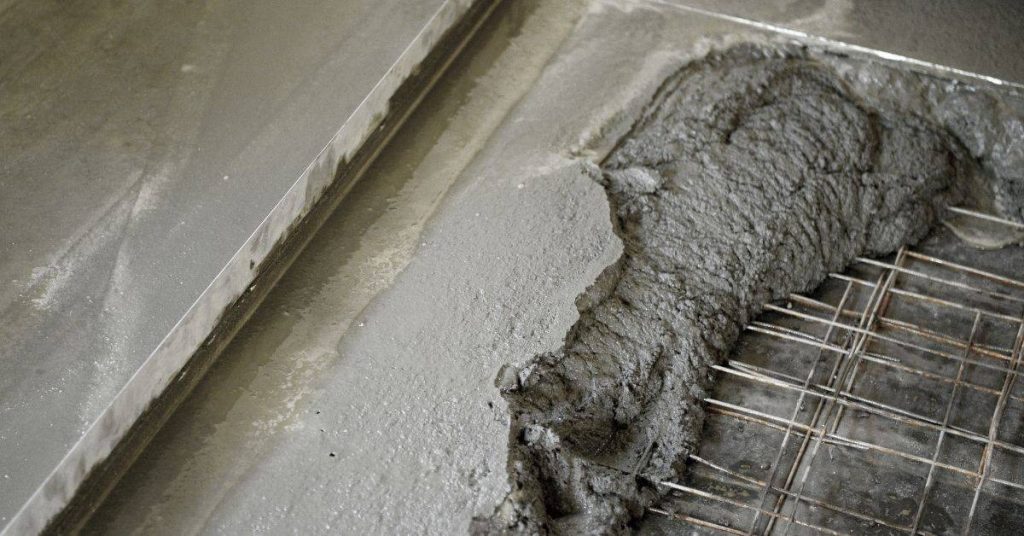
Wet concrete being poured over steel rebar grid

Rust “Ghosting” in Concrete: Preventing Stains from Chairs, Ties, and Rebar

Introduction Rust ghosting is stains left in cured concrete by corroded metal in contact with the mix. It happens when moisture and metal react, causing rust to bleed into the surface during curing. Common culprits are chairs, ties, and rebar that sit in the pour. Prevent it by choosing non‑corroding or protected hardware and by

Rust “Ghosting” in Concrete: Preventing Stains from Chairs, Ties, and Rebar Read More »

Polished concrete floor reflecting overhead lights and columns

Concrete Densifiers for DIY: Lithium vs Sodium Silicate and What Can Go Wrong

Introduction Lithium and sodium silicate densifiers are concrete surface treatments that harden the top layer by penetrating and sealing the pores. They can help reduce dust, improve spill resistance, and give a subtle finish, but the best choice depends on your concrete and environment. Always check the product label and follow the manufacturer instructions, and

Concrete Densifiers for DIY: Lithium vs Sodium Silicate and What Can Go Wrong Read More »

Two melting ice cubes on white surface with water pool

Slip-Resistant Sealed Concrete: Additives, Etch Profiles, and Easy Traction Tests

Introduction Slip-Resistant Sealed Concrete means using a sealant combined with additives and surface treatment to reduce slipping. Key takeaways Choose slip-resistant additives compatible with your sealer and traffic level. Etch profiles improve adhesion; follow manufacturer instructions and test patch first. Conduct simple traction checks after cure using deliberate dragging and toe-walking tests. Protect cured surfaces

Slip-Resistant Sealed Concrete: Additives, Etch Profiles, and Easy Traction Tests Read More »

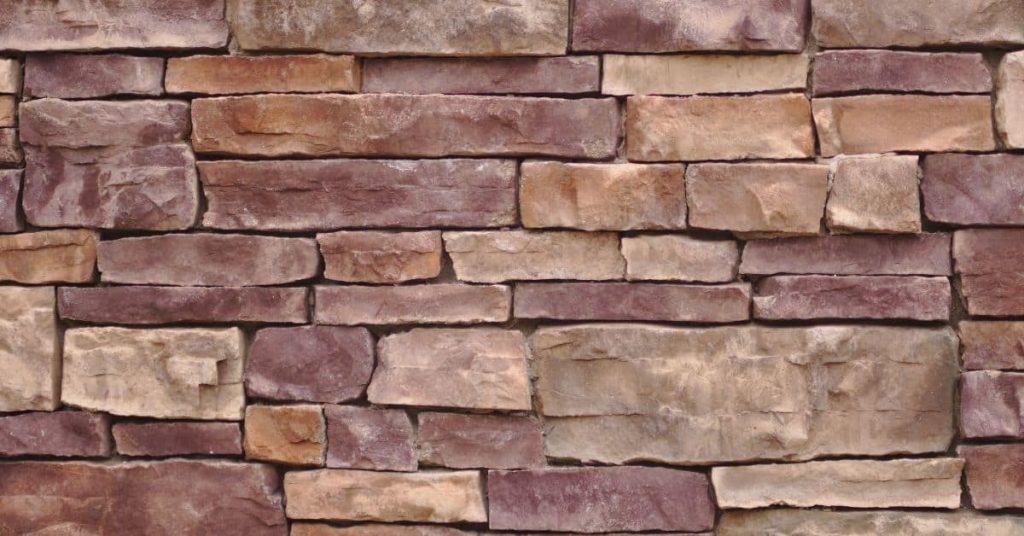
Close-up of stacked stone veneer wall with varied shapes

Brick Veneer 101: Air Gaps, Weeps, and Why “Stuck-On” Systems Fail

Introduction Brick veneer is a non-structural facing that sits on a wall with an intentional air gap to vent moisture. Understanding why air gaps and weep holes matter helps you spot issues before they show up. This setup is what keeps brick veneer performing without relying on the wall itself for support. Stuck-on brick systems

Brick Veneer 101: Air Gaps, Weeps, and Why “Stuck-On” Systems Fail Read More »

Pile of broken red bricks and rubble

Spalling Brick Diagnosis: Freeze-Thaw, Salts, and the “Stop the Water” Plan

Introduction Spalling brick diagnosis is identifying why bricks are flaking or crumbling due to freeze-thaw, salts, or moisture. This is a hands-on check to help you decide what needs repair and how to stop further damage. Look for cracking, hollow sounds, powdery surfaces, or powdery efflorescence as clues. Start by stopping water entry and planning

Spalling Brick Diagnosis: Freeze-Thaw, Salts, and the “Stop the Water” Plan Read More »

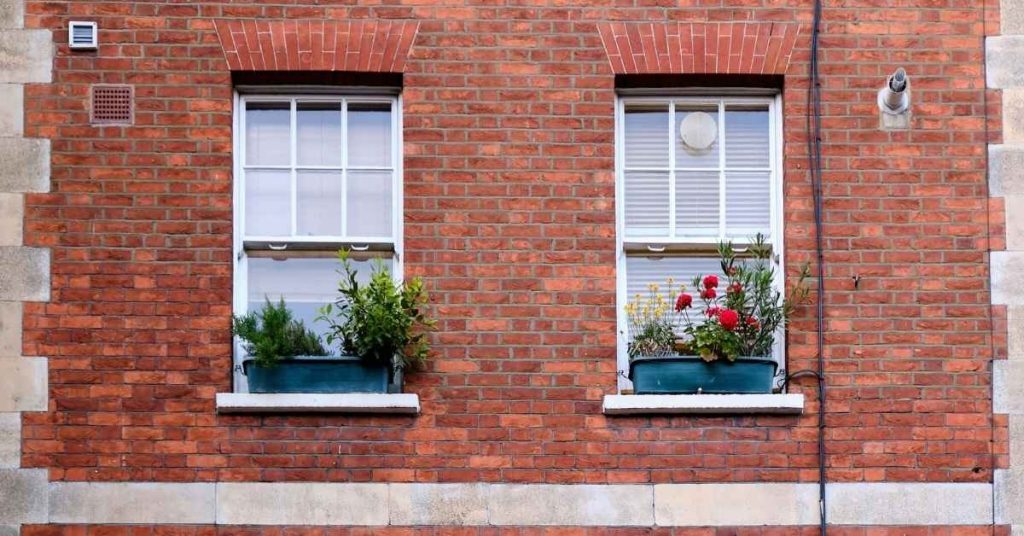
Two white windows in red brick wall with flower boxes

Sealing Brick the Safe Way: Breathable Sealers vs Films—and When to Skip Both

Introduction Breathable sealers let moisture escape from brick while still sealing it; film sealers keep a surface layer that can trap moisture. As a DIYer, you’ll notice breathable options let the brick breathe, while film options can give a smoother, glazed look. Check the label for breathability cues and follow the manufacturer’s suggestions, and avoid

Sealing Brick the Safe Way: Breathable Sealers vs Films—and When to Skip Both Read More »

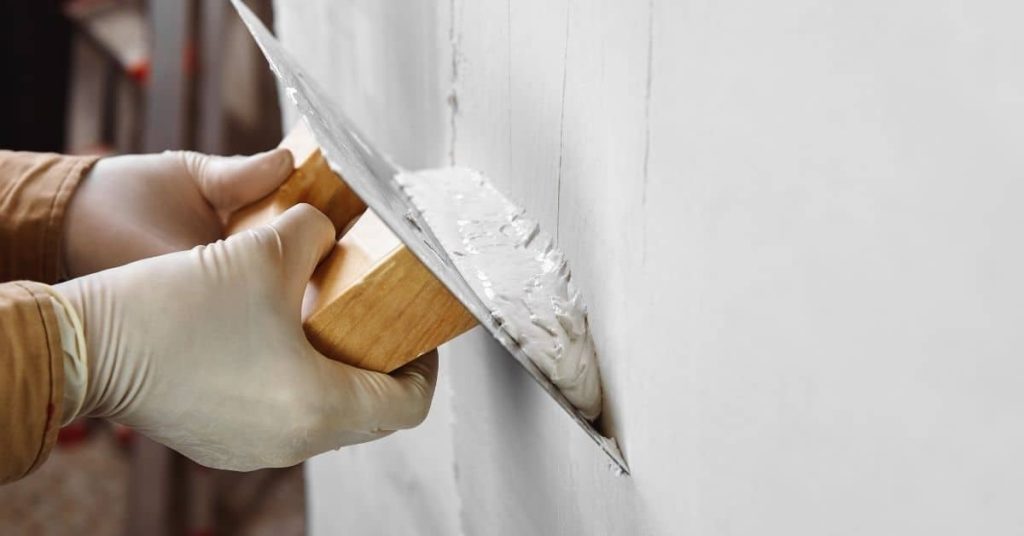
Gloved hands applying plaster on wall with trowel

Gypsum Over Lime Plaster: Compatibility Traps and Smart Primers

Introduction Gypsum over lime plaster is when you apply gypsum-based finish over a lime plaster substrate, which calls for checking compatibility first. Lime and gypsum cure differently, so mismatches can cause peeling or cracking, and a proper primer or bond coat helps. Plan your prep and follow manufacturer or product guidance for the exact steps.

Gypsum Over Lime Plaster: Compatibility Traps and Smart Primers Read More »

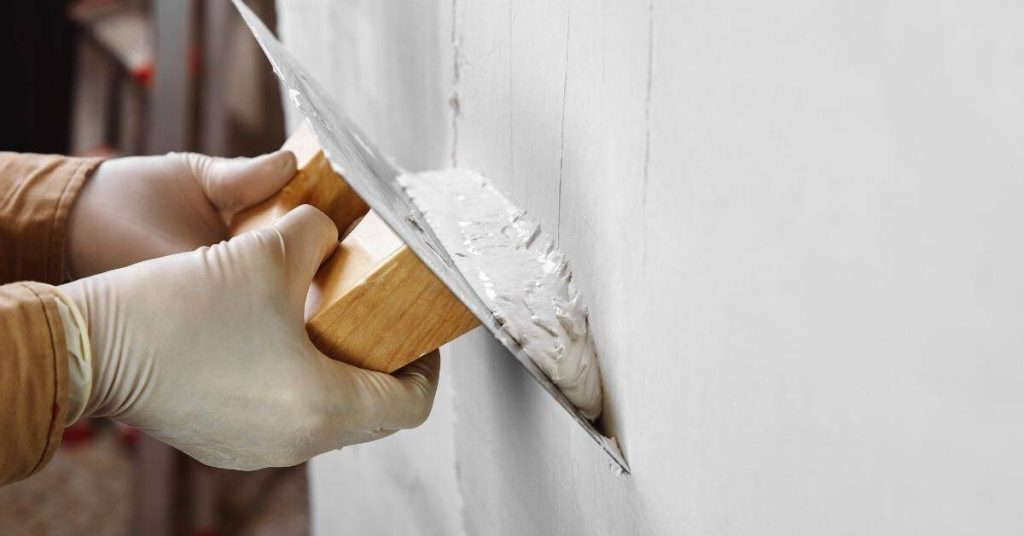
Hands wearing gloves applying plaster with a trowel on wall

Interior Limewash on Plaster: Prep, Multi-Coat Technique, and Blotch Fixes

Introduction Interior limewash on plaster is a breathable, traditional finish applied in thin coats to even color and texture. Prep steps include cleaning the wall, dampening the surface, repairing cracks, and applying a compatible breathable primer. Always check the primer and limewash compatibility on the product label or with the manufacturer instructions. Apply multiple thin

Interior Limewash on Plaster: Prep, Multi-Coat Technique, and Blotch Fixes Read More »