Search Results for: concrete staining and sealing

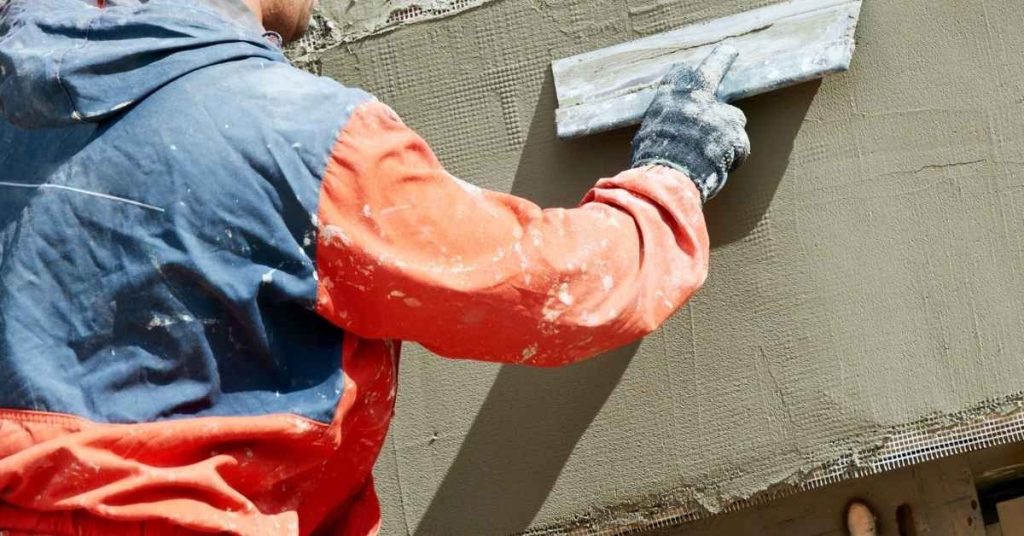
Person applying stucco to wall with trowel

Stucco Window Sills Done Right: Slope, End Dams, and Rot Prevention

Introduction This is about making stucco window sills that shed water properly and resist rot. You’ll focus on the right slope, install end dams, and plan for long-lasting rot prevention. Tackle it like a practical DIY project with common tools and careful flashing. Choose materials and details that stand up to moisture, and verify with […]

Stucco Window Sills Done Right: Slope, End Dams, and Rot Prevention Read More »
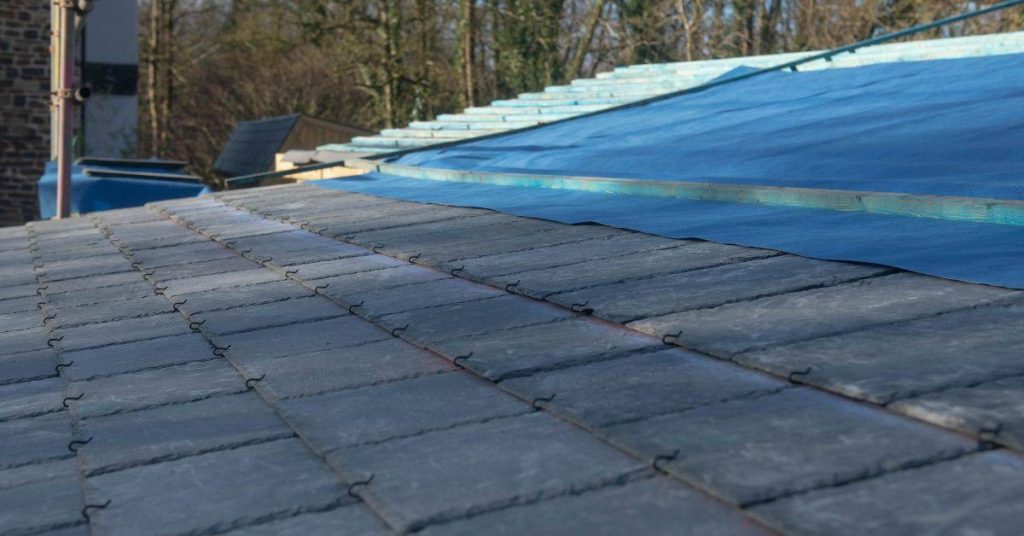
Slate roof tiles partially installed with underlayment visible

Stucco Meets Roof: Step Flashing, Sealant Placement, and Drainage Gaps

Introduction Step flashing, sealant placement, and drainage gaps are the practical techniques used at the stucco-roof intersection to prevent leaks. In plain talk, they’re the fail-safes you create where the wall meets the roof to keep water out. Follow local practice and the manufacturer instructions for flashing, sealant, and any required gaps, and check product

Stucco Meets Roof: Step Flashing, Sealant Placement, and Drainage Gaps Read More »

Steel formwork and concrete slab base under construction

Concrete Around Steel Posts: Base Plates, Grout Pads, and Drainage That Prevents Rust

Introduction Concrete around steel posts with base plates, grout pads, and proper drainage helps prevent rust. This intro covers practical, hands-on steps you can take to set posts securely and keep moisture away from metal. You’ll want to consider how the post sits in the concrete, how the grout or pad supports it, and how

Concrete Around Steel Posts: Base Plates, Grout Pads, and Drainage That Prevents Rust Read More »

Person sits on a wooden bench beside a circular fire pit in snow.

Concrete for Outdoor Fire Pits: Mix Tweaks, Heat Limits, and Safer Sealers

Introduction Concrete for outdoor fire pits is the sturdy, heat‑tolerant material you pour to form the pit structure and seating. This article gives practical tweaks for mix, curing, and sealers so you can do it safely. Always check local codes and manufacturer labels for heat limits and curing temps. Focus on a durable mix and

Concrete for Outdoor Fire Pits: Mix Tweaks, Heat Limits, and Safer Sealers Read More »

Concrete porch with white rocking chairs and blue siding.

Concrete Porch Drip Edges: Saw-Cut Drip Grooves That Stop Ugly Water Trails

Introduction A concrete porch drip edge is a saw-cut groove that directs water away from the porch surface. It helps reduce streaks and puddling by guiding runoff toward the edge, and it should sit where rainwater tends to flow. Plan with the porch as built and avoid cutting through any critical structural lines. Tools you’ll

Concrete Porch Drip Edges: Saw-Cut Drip Grooves That Stop Ugly Water Trails Read More »

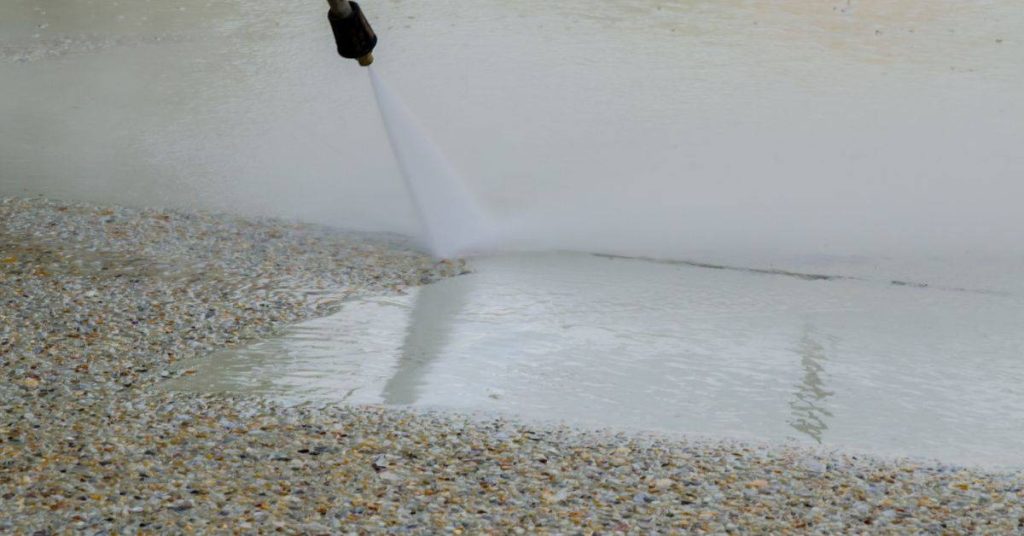
Pressure washing exposed aggregate concrete surface

Exposed Aggregate Repair Patches: Blending Stone Size and Washing Timing to Match

Introduction Exposed aggregate repair patches involve matching the look of the existing surface by using stone-size blends and controlled washing timing. This article gives a practical, hands-on view for DIYers on how to prep, bond, and patch exposed aggregate without a full resurfacer. We’ll cover how to choose the right aggregate size, how to wash

Exposed Aggregate Repair Patches: Blending Stone Size and Washing Timing to Match Read More »

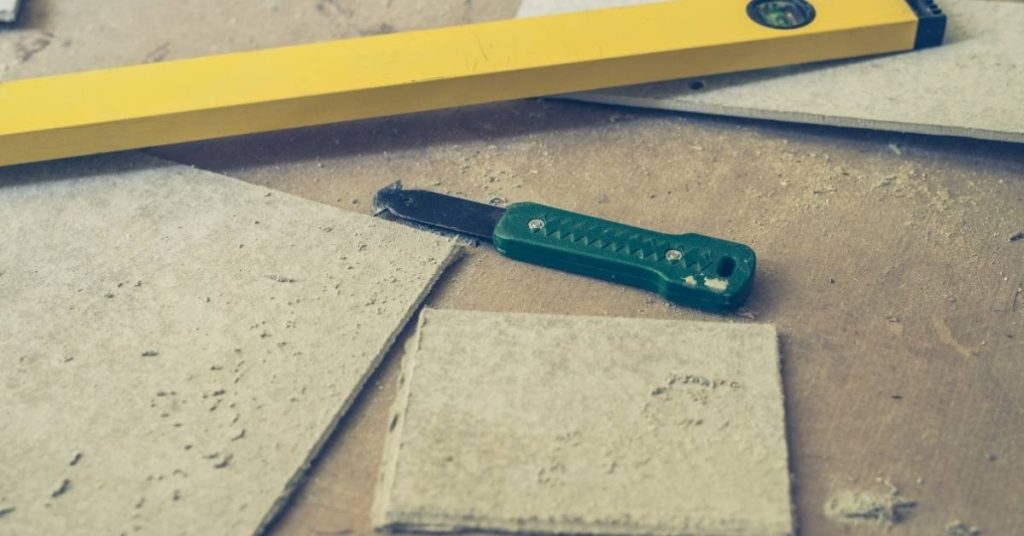
Yellow level tool and green cutting knife on concrete board pieces

Cement Shelf-Life Reality: How Storage Conditions Change Set Time and Strength

Introduction Cement shelf-life is the window during which stored cement stays workable and can reach intended strength when mixed. Storage conditions like moisture, temperature, and how long it sits affect how fast it sets and how strong the final pour will be. In practice, poor storage tends to shorten set time and reduce final strength.

Cement Shelf-Life Reality: How Storage Conditions Change Set Time and Strength Read More »

Stacked white bags in an outdoor storage area

Salt-Resistant Mixes for Marine Exposure: Cement Type, SCMs, and Cover Strategy

Introduction Salt-resistant concrete is a mix designed to resist salt intrusion and corrosion when used in marine or coastal exposure. In practical terms, that means choosing the right cement options and adding SCMs to slow down salt-related damage. Always check product labels and manufacturer instructions for suitability in salty environments and follow local rules for

Salt-Resistant Mixes for Marine Exposure: Cement Type, SCMs, and Cover Strategy Read More »

Rough grey concrete wall with varied texture

Strip vs Grind a Failed Sealer: Choosing the Safer Method for Your Concrete Texture

Introduction Stripping removes the sealer with chemicals or rollers, while grinding buffs away the old coating with a machine to reveal a new surface. The safer choice usually depends on the sealer type and how badly the texture is damaged. For most DIYers, start with a careful test area and a gentler approach to evaluate

Strip vs Grind a Failed Sealer: Choosing the Safer Method for Your Concrete Texture Read More »