Search Results for: concrete foundation repair contractors

Worker applying plaster over blue fiberglass mesh on wall

Fiberglass Mesh vs Metal Lath: Choosing Reinforcement for Thin Cement Coats

Introduction Fiberglass mesh and metal lath are both used to reinforce thin cement coats. Fiberglass mesh is lightweight and easy to handle, while metal lath provides more rigid support for tougher jobs. Check manufacturer instructions and local rules to confirm suitability for your project, and look for guidance on compatible mixes and application methods. For […]

Fiberglass Mesh vs Metal Lath: Choosing Reinforcement for Thin Cement Coats Read More »
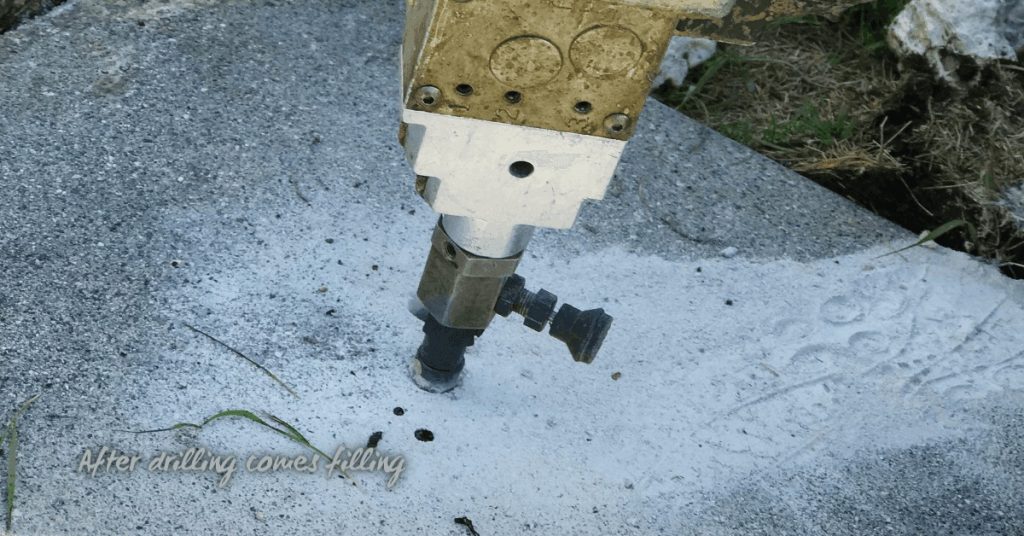
drill bit making hole in concrete slab outdoors

Radon Rough-In Under a Slab: Pipe Routing, Sealing, and Must-Have Details

Introduction Radon rough-in under a slab is routing and sealing a pipe under a concrete floor to vent soil gas safely. Do this with plain instructions: plan the path, verify access, and seal joints to limit leaks, while following local rules and manufacturer notes. Before you start, check local rules and follow any recommended testing

Radon Rough-In Under a Slab: Pipe Routing, Sealing, and Must-Have Details Read More »

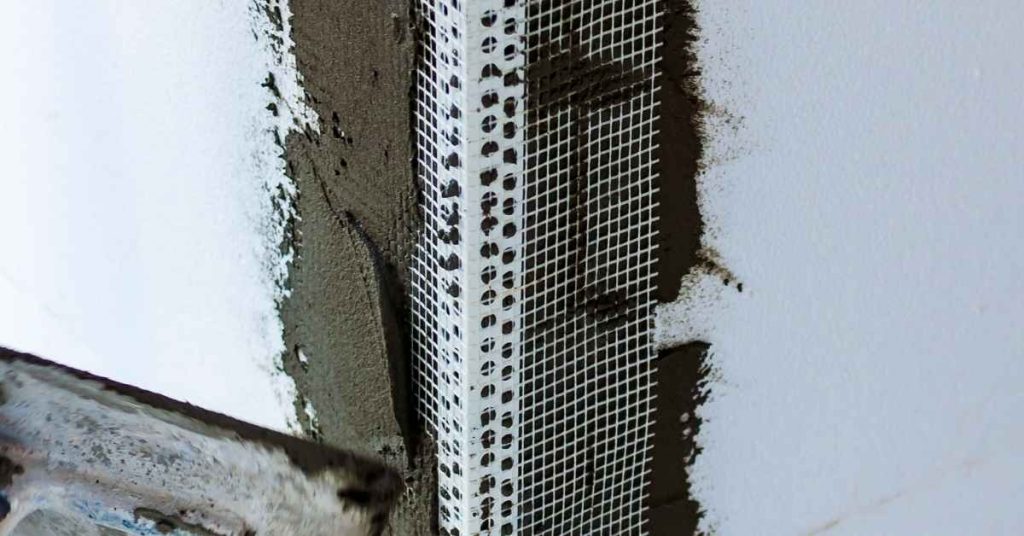
White mesh embedded in wet stucco on white wall surface

Stucco Over ICF Walls: Mesh, Fasteners, and Crack Control at Openings

Introduction Stucco over ICF walls means applying a cement-based veneer to insulated concrete forms using a proper weather-resistive layer, reinforcement mesh, and secure fasteners so the finish sticks and moves with the wall. This job needs the right mesh type, fastener method, and detailing at windows and doors to control cracking; check the stucco manufacturer’s

Stucco Over ICF Walls: Mesh, Fasteners, and Crack Control at Openings Read More »

Indoor view through window blinds showing green plants outside

EIFS Window Detailing Basics: Backwrapping, Sealant Joints, and Common DIY Failures

Introduction EIFS window detailing is the practical work of wrapping the window opening with the EIFS base and mesh, backwrapping the flange or jamb, and creating sealed, jointed transitions so water and movement stay out. Think of it as three chores: proper substrate prep and flashing, neat backwrap techniques that embed mesh into the basecoat,

EIFS Window Detailing Basics: Backwrapping, Sealant Joints, and Common DIY Failures Read More »

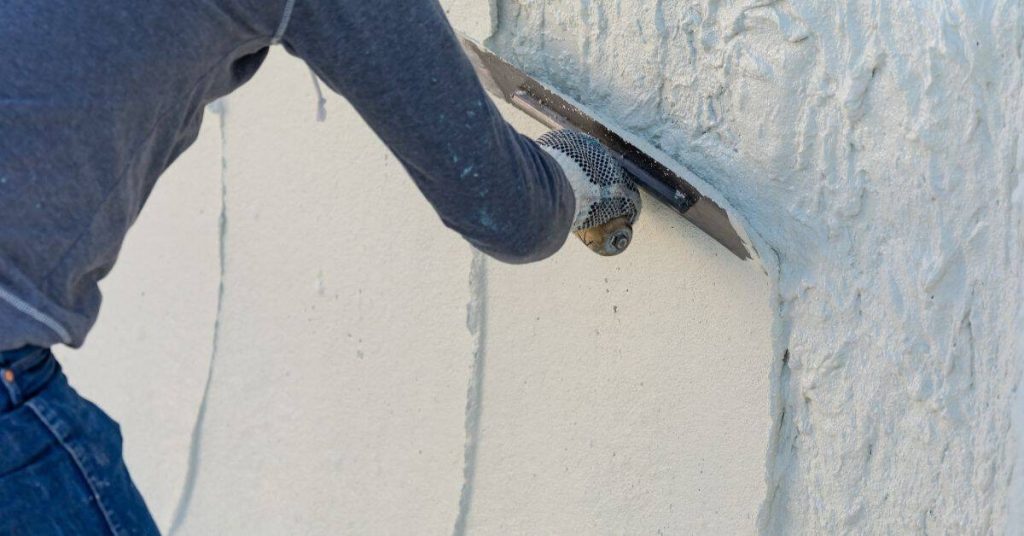
Person smoothing stucco on exterior wall with trowel

Drainage Stucco vs Barrier Stucco: How to Tell What You Have on Your House

Introduction Drainage stucco is a cladding system designed to let water that gets behind the finish drain out, while barrier stucco is meant to shed water at the surface and keep moisture out; that’s the practical difference. Think of drainage as a layered system with a gap or channels to manage moisture and barrier as

Drainage Stucco vs Barrier Stucco: How to Tell What You Have on Your House Read More »

Close-up of blue stucco wall texture

Diagnosing Moisture Behind Stucco: Basic Probe Holes, Borescopes, and What to Look For

Introduction Diagnosing moisture behind stucco means checking for where water has crossed the exterior and is wetting the wall assembly; that can be done with basic probe holes, borescopes, and non‑invasive tools to confirm wet areas. Start by looking for staining, soft or sagging finishes, efflorescence, or indoor musty odors that suggest intrusion, and use

Diagnosing Moisture Behind Stucco: Basic Probe Holes, Borescopes, and What to Look For Read More »

Hand marking wall near electronic stud finder device

Stucco Clearance Over Walkways: How to Fix Wicking Without Full Removal

Introduction Stucco clearance over walkways means keeping the bottom edge of an EIFS or stucco finish high enough and detailed so moisture doesn’t wick into the walking surface; in plain terms, it’s about creating a gap and proper flashing so water drains away instead of soaking the path. For DIYers that can mean trimming finish,

Stucco Clearance Over Walkways: How to Fix Wicking Without Full Removal Read More »

Hand smoothing plaster on wall with trowel

Polished Lime Plaster in Wet Areas: What ‘Waterproof’ Really Means and Safe Details

Introduction Polished lime plaster in wet areas is not automatically waterproof; it’s a breathable finish that can resist splashes when detailed and sealed correctly. In practice that means treating the wall system—substrate, cement backer, membranes, and sealers—as a complete assembly rather than relying on the lime plaster alone. Check product labels and manufacturer instructions for

Polished Lime Plaster in Wet Areas: What ‘Waterproof’ Really Means and Safe Details Read More »

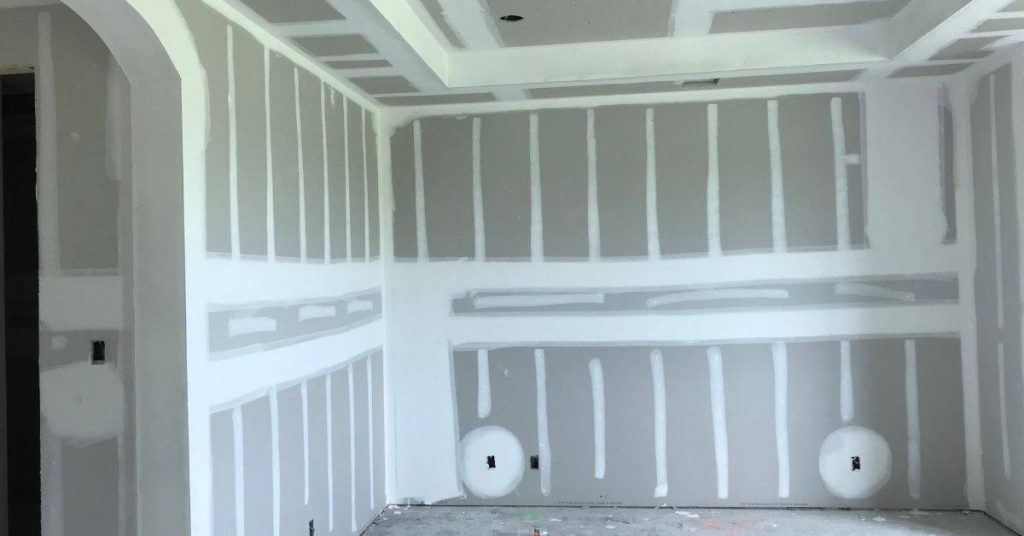
Interior room with drywall seams covered in joint compound

Plaster Over Blueboard: Timeline & Steps for a Smooth Finish

Introduction The process of applying veneer plaster over blueboard can seem daunting, but understanding the timeline and steps involved can help you plan your project effectively. This guide walks you through the duration of each stage, from preparation to finishing, ensuring you stay on track and achieve a smooth, professional-looking result. Before we dive into

Plaster Over Blueboard: Timeline & Steps for a Smooth Finish Read More »

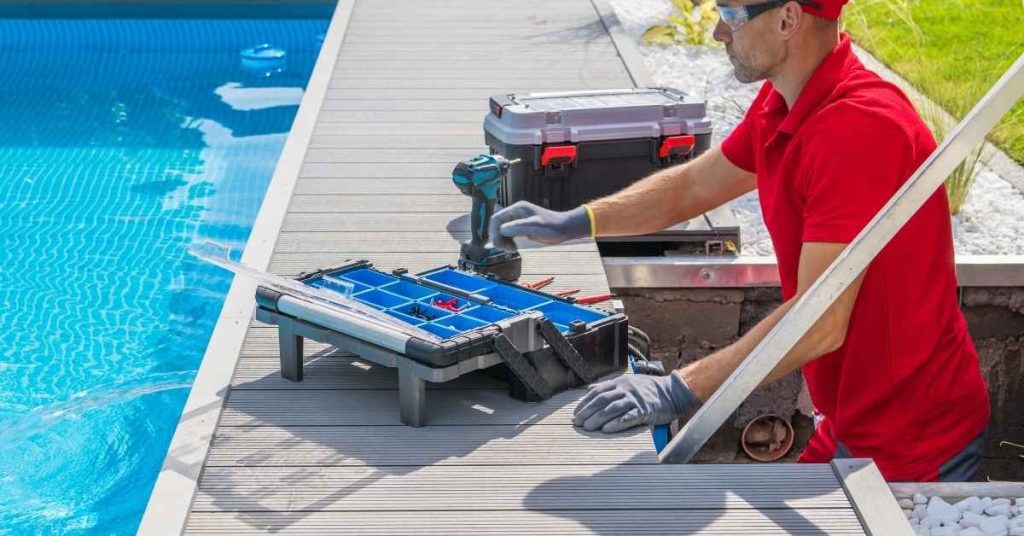
Man in red shirt working on pool deck with tools

Painting Pool Decks: Step-by-Step Timeline and Duration Guide

Introduction The timeline for painting pool decks is crucial to ensure a durable, long-lasting finish. Understanding the duration of each step helps you plan your project effectively. From surface preparation to final curing, this guide walks you through the process, helping you allocate time wisely and avoid common delays. For the full guide, see Painting

Painting Pool Decks: Step-by-Step Timeline and Duration Guide Read More »