Search Results for: concrete foundation repair contractors

Person leveling freshly poured concrete slab near rebar edge

Radon Sealing at Slab Edges: Polyurethane Sealant vs Tapes vs Liquid Membranes

Introduction Radon sealing at slab edges means using materials to block radon from entering through the concrete edges around a slab. Common DIY options include polyurethane sealants, tapes designed for concrete, and liquid membranes, each with its own installation quirks. Always check the product label and local rules to confirm suitability and proper use. Polyurethane […]

Radon Sealing at Slab Edges: Polyurethane Sealant vs Tapes vs Liquid Membranes Read More »
Close-up of small gravel aggregate stones

UHPC for Small Projects: When It’s Worth It and How to Mix It Safely

Introduction UHPC for small projects is a high-performance concrete mix designed for limited-volume jobs where strength and durability matter. This introduction explains, in plain terms, when it makes sense to choose UHPC and how to start mixing it safely for a DIY setup. It’s about weighing benefits against preparation, tooling, and costs. When mixing UHPC

UHPC for Small Projects: When It’s Worth It and How to Mix It Safely Read More »

Hand applying green paint with roller on taped surface

Why Stucco Paint Peels: Coating compatibility and moisture red flags

Introduction Paint on stucco peels mainly because the coating loses adhesion from moisture or from incompatibility with the surface. That means the top layer isn’t gripping the stucco or is being pushed loose by moisture behind it. A proper diagnosis starts with checking the surface for signs of moisture and poor bonding. Before repainting, inspect

Why Stucco Paint Peels: Coating compatibility and moisture red flags Read More »

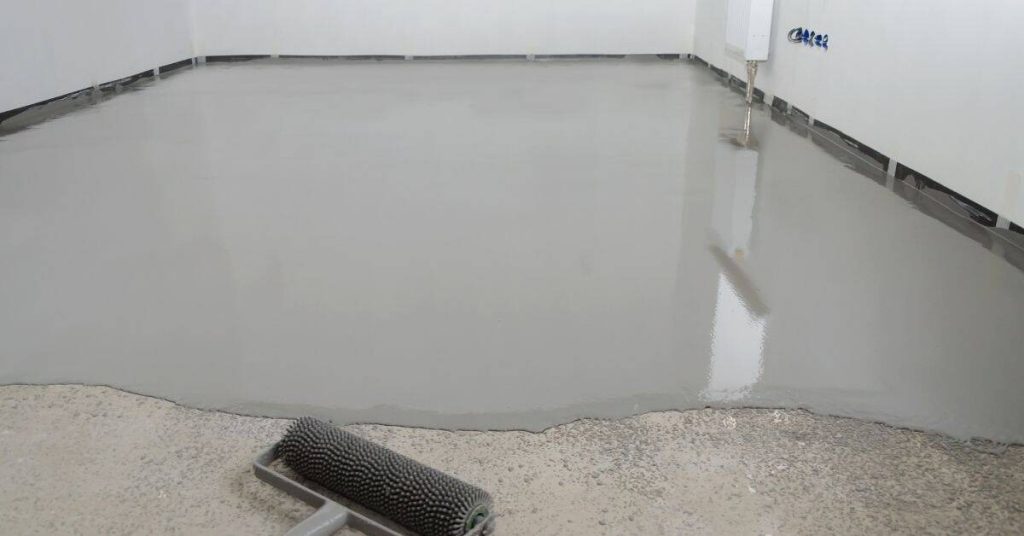
Freshly applied self-leveling concrete floor with roller

Microtopping Problems: Preventing bubbles, pinholes, and delamination

Introduction Microtopping problems are defects like bubbles, pinholes, and delamination that happen when a thin decorative concrete layer can’t bond or level properly. This article covers straightforward, hands-on steps to prevent them during mixing, prep, and application. You’ll also see how surface preparation and choosing self-leveling options can help you get a smoother, longer-lasting finish.

Microtopping Problems: Preventing bubbles, pinholes, and delamination Read More »

Hand applying gray stucco to exterior wall with trowel

New Stucco Over Old Stucco: When it’s safe and how to prep properly

Introduction Yes—new stucco can go over old stucco when the base is sound. Look for cracks, loose sections, and obvious moisture problems and address them. Ask about local rules and follow manufacturer instructions for the products you choose. Prepare the surface by cleaning, repairing loose areas, and ensuring a stable bond. Prime as directed and

New Stucco Over Old Stucco: When it’s safe and how to prep properly Read More »

Exterior stucco wall with multiple windows under clear sky

Cracks Around Stucco Windows: Why they form and how to fix them correctly

Introduction Cracks around stucco windows are caused by movement at the window opening and the surrounding stucco not moving the same way. Settling, temperature swings, and flashing or moisture issues are common culprits to look for. Note whether the crack runs along the frame, at corners, or where trim meets stucco to guide your fix.

Cracks Around Stucco Windows: Why they form and how to fix them correctly Read More »

Person smoothing plaster on ceiling with trowel

Recurring Plaster Cracks: Hidden causes and reinforcement that helps

Introduction Recurring plaster cracks are cracks that keep coming back after repairs due to underlying movement or moisture. This article explains practical, hands-on steps you can take to stop the cycle. We’ll look at common hidden causes and simple reinforcement ideas you can try. Check your wall conditions and proceed with care to avoid making

Recurring Plaster Cracks: Hidden causes and reinforcement that helps Read More »

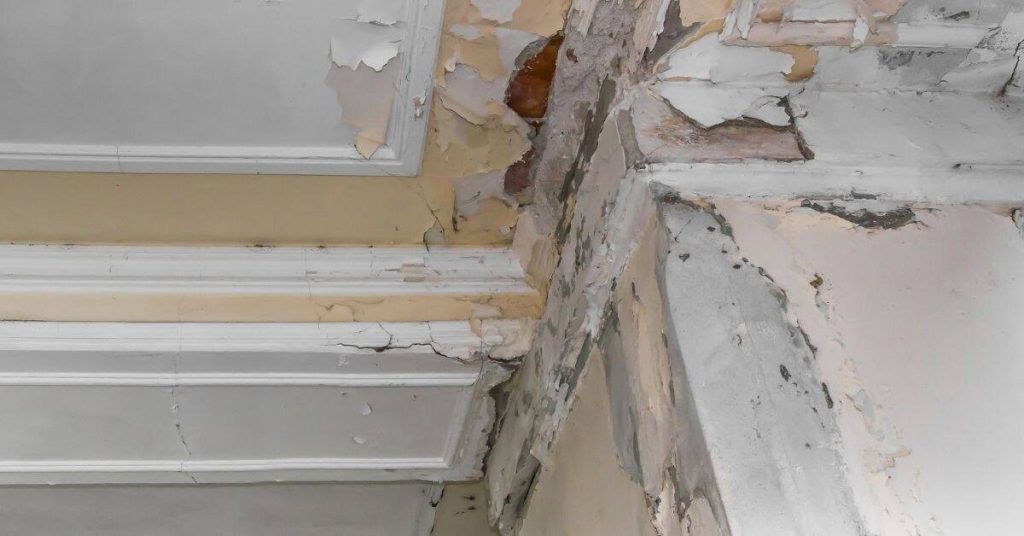
Close-up of cracked and peeling plaster ceiling with crown molding

Water-Damaged Plaster: What to remove, what to dry, and what to rebuild

Introduction Water-damaged plaster needs to be removed, dried, and rebuilt in a practical, step-by-step way. You’ll determine what to remove, what to dry, and what to replace based on how far the damage has spread. This article keeps the tone hands-on and avoids fluffy theory. Start by inspecting the area to judge how much material

Water-Damaged Plaster: What to remove, what to dry, and what to rebuild Read More »