Search Results for: concrete foundation repair contractors

Construction worker laying mortar on brick wall outdoors

Stair-Step Cracks in Brick Walls: What They Mean and When It’s Serious

Introduction Stair-step cracks in brick walls are diagonal cracks that zigzag up the wall along the mortar joints. They often signal movement in the wall, not just settling. If you see them, inspect for movement, moisture, and any doors or windows that stick. What you do next depends on how serious the crack looks and […]

Stair-Step Cracks in Brick Walls: What They Mean and When It’s Serious Read More »

Hand holding electric drill with bit against white brick wall

Removing Paint from Brick: What Works Without Turning Faces to Powder

Introduction Removing paint from brick means stripping paint while keeping the brickwork intact and the mortar sound. This DIY guide focuses on practical, low-damage approaches you can do with common tools and safe techniques. You’ll want to test on a small area first and watch for powdering or etching, then proceed carefully. Start with gentle

Removing Paint from Brick: What Works Without Turning Faces to Powder Read More »

Worker smoothing stucco plaster on wall

Stucco Around Solar Mounts: Standoffs, Sealants, and Keeping Drainage Paths Open

Introduction This article covers how to stucco around solar mounts to seal, support, and keep drainage clear. It’s a hands-on, DIY approach that balances protection with easy maintenance. Use proper technique for applying stucco around mounts, choosing standoffs that keep panels level and allow drainage paths. Select sealants rated for roof penetrations and check manufacturer

Stucco Around Solar Mounts: Standoffs, Sealants, and Keeping Drainage Paths Open Read More »

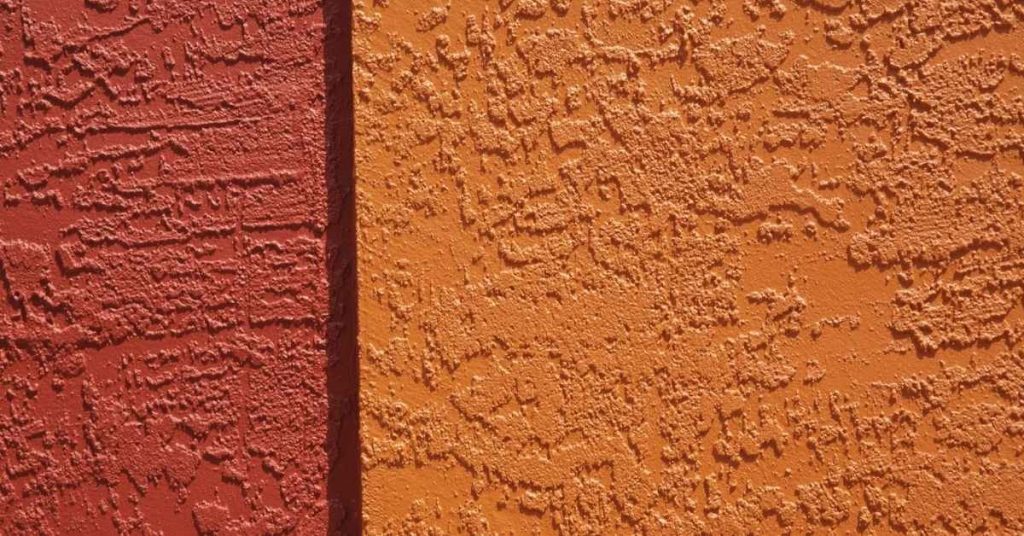
Close-up of two-tone orange and red textured stucco wall

Two-Tone Stucco Bands Without Cracks: Movement Joints and Sequencing

Introduction Two-tone stucco bands without cracks are achieved by using deliberate movement joints and proper sequencing to control where cracks form. This approach keeps the color bands crisp and the surface durable during temperature changes and settling. Avoid guessing—check labels and manufacturer guidance for allowable joint spacing and material compatibility. Identify crack types as they

Two-Tone Stucco Bands Without Cracks: Movement Joints and Sequencing Read More »

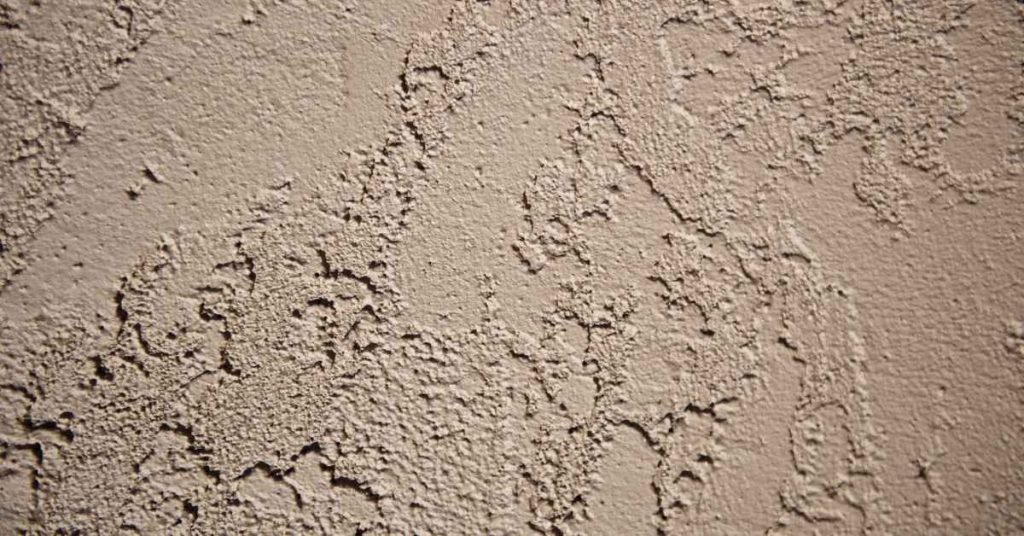
Close-up of rough stucco wall texture in neutral color

Blending Stucco Texture on Large Patches: Avoiding the “Panel” Look in Sunlight

Introduction Blending stucco texture on large patches means creating a continuous, uniform surface that hides seams and avoids the “panel” look when sunlight hits the wall. This article keeps things practical for DIY homeowners, focusing on how to feather textures, work in stages, and check for consistent saturation. You’ll want to match the base coat,

Blending Stucco Texture on Large Patches: Avoiding the “Panel” Look in Sunlight Read More »

Hand holding blue caulking gun near white ceiling corner

Stucco-to-Window Caulk Lines: Where to Seal and Where to Leave Drainage

Introduction Caulking between stucco and window frames should be sealed where moisture can enter and left unblocked where drainage is needed. This article keeps it simple for DIYers: look for gaps, cracks, and misfitting edges and decide what to seal. Use the right sealant and apply cleanly, then check drainage paths. Identify gaps around windows

Stucco-to-Window Caulk Lines: Where to Seal and Where to Leave Drainage Read More »

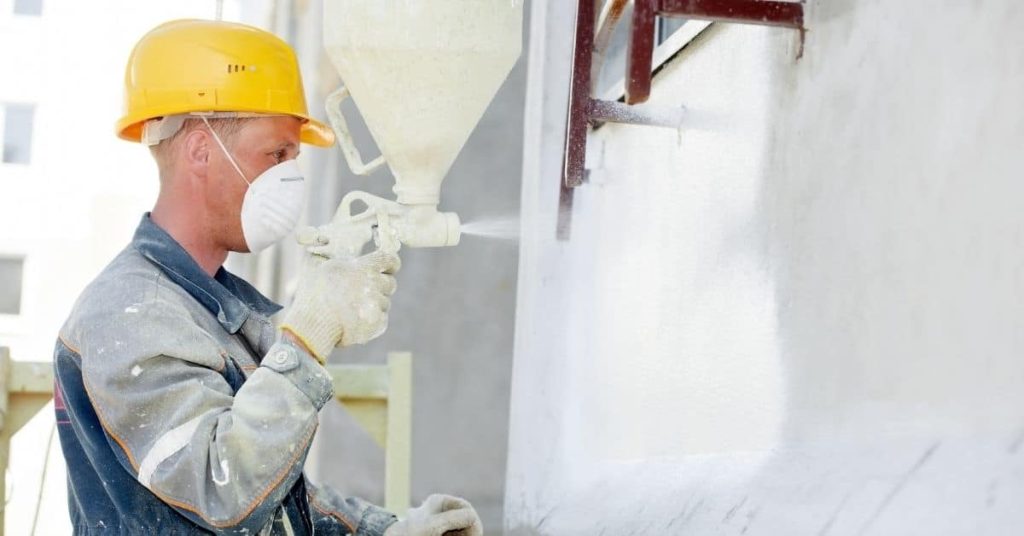
Worker spraying stucco on exterior wall wearing hard hat and mask

Stucco Around Hose Bibs: Sleeves, Sealant Geometry, and Crack Prevention

Introduction Stucco around hose bibs is the practice of enclosing the faucet with a protective sleeve and proper sealant so water stays out. The goal is a tight, weatherproof transition where the hose bib meets the stucco skin. This is a hands-on task, not a theory exercise. Start with correct sleeves and a flush, clean

Stucco Around Hose Bibs: Sleeves, Sealant Geometry, and Crack Prevention Read More »

closeup of textured light gray stucco wall surface

Sprinkler Damage on Stucco: Salt, Staining, and Long-Term Protection

Introduction Sprinkler damage on stucco is the salt and water-related staining and surface effects caused by sprinkler spray. Sprinkler spray can leave salty deposits, efflorescence, and moisture issues on stucco. This article covers how to spot salt staining, what causes it, and why sealing can help protect the surface. Look for white, powdery deposits, dark

Sprinkler Damage on Stucco: Salt, Staining, and Long-Term Protection Read More »

Exposed brick wall partly covered with gray stucco render

Stucco-to-Brick Transitions: Movement Joints and Water Breaks That Don’t Crack

Introduction A movement joint at a stucco-to-brick transition is a deliberate gap that lets the siding materials expand and contract without cracking. Its job is to separate the two substrates so stresses don’t transfer and crack the finish. This article shows practical, hands-on steps for placing joints and installing water breaks so the transition stays

Stucco-to-Brick Transitions: Movement Joints and Water Breaks That Don’t Crack Read More »

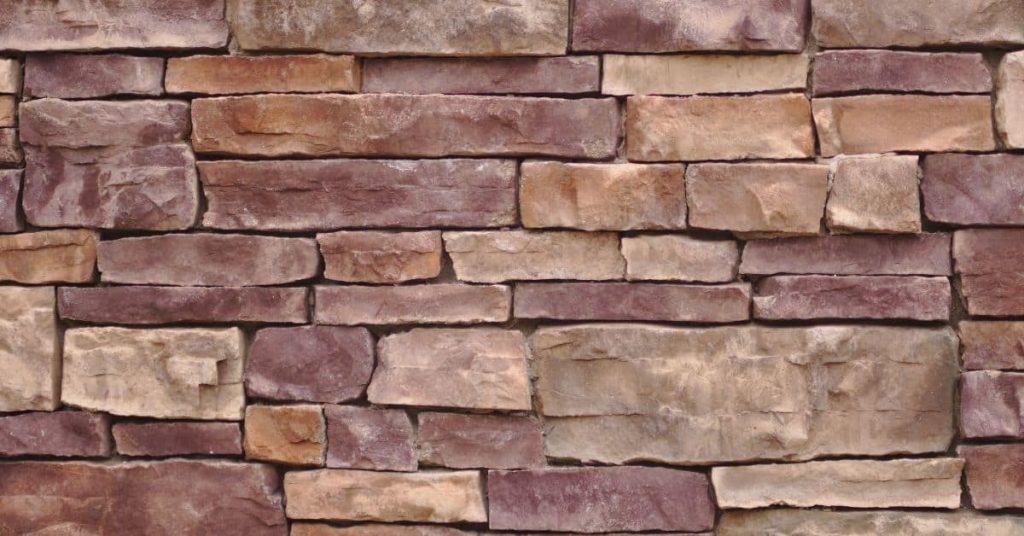
Close-up of stacked stone veneer wall with varied shapes

Brick Veneer 101: Air Gaps, Weeps, and Why “Stuck-On” Systems Fail

Introduction Brick veneer is a non-structural facing that sits on a wall with an intentional air gap to vent moisture. Understanding why air gaps and weep holes matter helps you spot issues before they show up. This setup is what keeps brick veneer performing without relying on the wall itself for support. Stuck-on brick systems

Brick Veneer 101: Air Gaps, Weeps, and Why “Stuck-On” Systems Fail Read More »