Search Results for: concrete floor covering

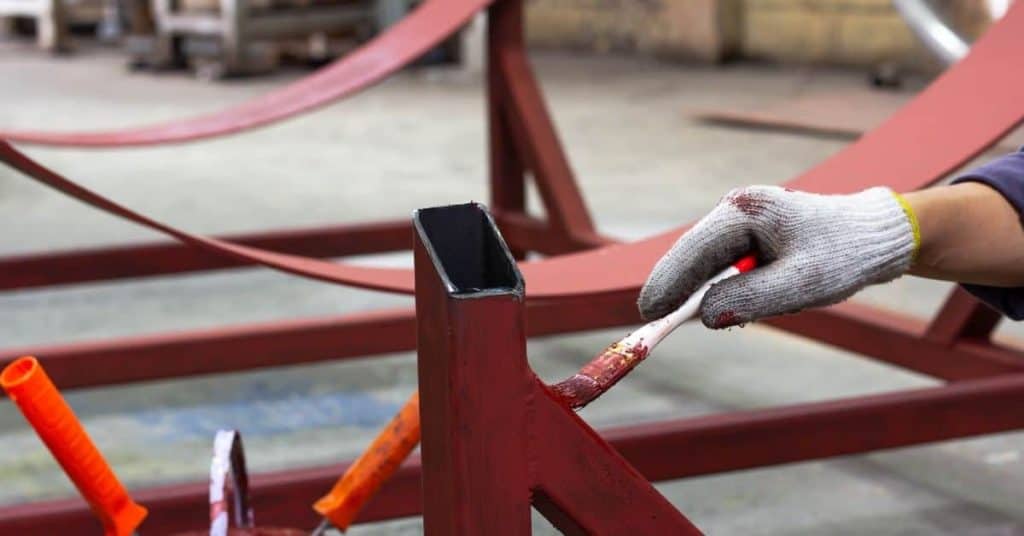
Hand wearing glove painting metal structure with brush

Painting Aluminum: Etch, Prime, and Topcoat Choices That Don’t Flake

Introduction Painting aluminum is best done with proper prep to prevent flaking. Start by cleaning the surface thoroughly and removing any dull oxidation, then consider a light etch to help paint grip. Then choose a primer and topcoat that are rated for aluminum and compatible with each other. Light sanding for a smooth, even surface

Painting Aluminum: Etch, Prime, and Topcoat Choices That Don’t Flake Read More »

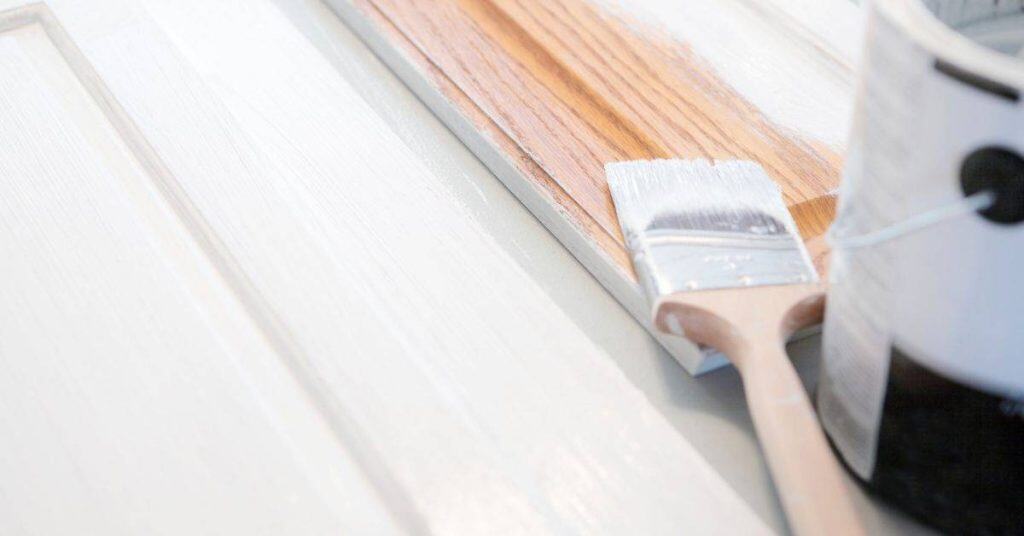
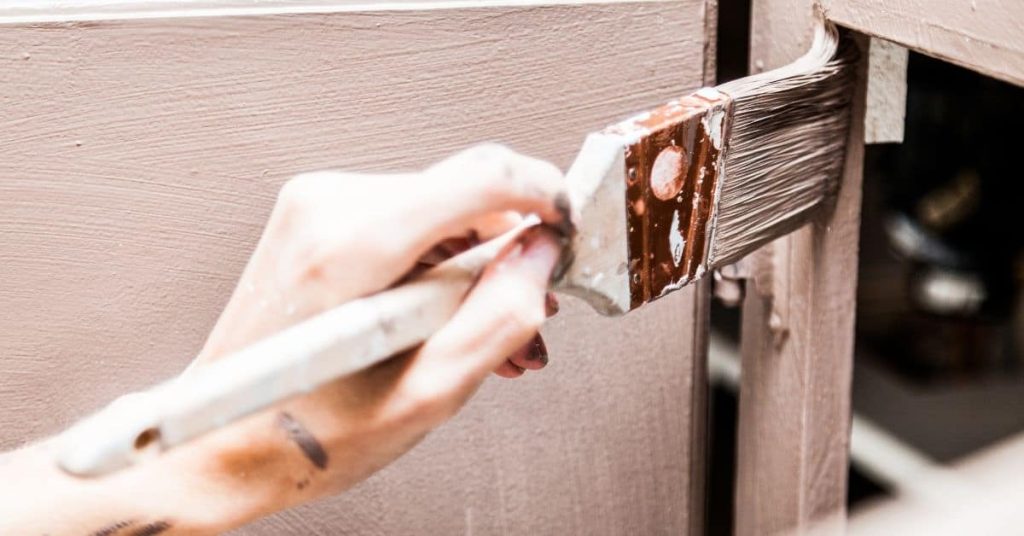
Paintbrush applying white paint on wooden cabinet panel

Avoid Painting Mistakes: Pro Tips for Prep, Cutting In, and Dry Times

Introduction painting well starts with proper prep, careful cutting in, and waiting for the right dry times. Key takeaways Prepare surfaces thoroughly; remove dust, repair holes, and sand glossy areas. Use painter’s tape correctly: apply edges with firm press and clean removal. Cut in slowly along edges, keeping a steady hand and consistent coat. Choose

Avoid Painting Mistakes: Pro Tips for Prep, Cutting In, and Dry Times Read More »

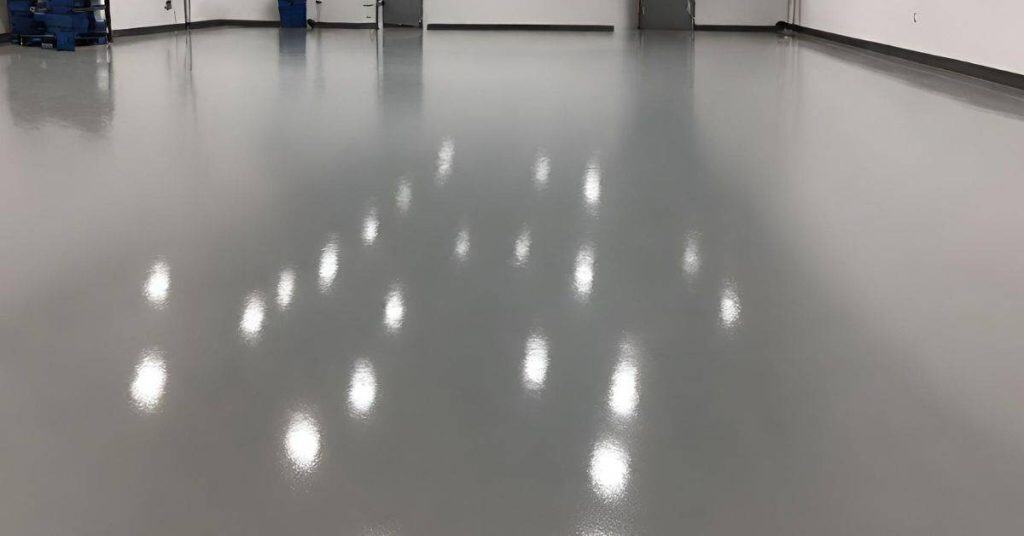
Reflective smooth gray epoxy coated floor in a room

How to Get Rid of Paint Smell: Ventilation, Absorbers, and Timing

Introduction Paint smell comes from volatile compounds released as paint dries. To cut odors quickly, open windows, set up good cross-ventilation, and run a fan to move fresh air through the space. Always check the paint label and any safety data for ventilation recommendations. Long-term odor elimination means letting the space cure in stages and

How to Get Rid of Paint Smell: Ventilation, Absorbers, and Timing Read More »

Close-up of green paint roller applying paint on white wall

How to Paint Over Powdery Surfaces: Chalk, Calcimine, and Dusty Walls

Introduction Painting over powdery surfaces means preparing chalky, dusty walls so the new paint will stick. You’ll typically start by removing loose material, cleaning, and letting the surface dry before any primer. Roughness, dust, and old paint left on the wall can cause peeling, flashing, or poor coverage if you skip this step. If calcimine

How to Paint Over Powdery Surfaces: Chalk, Calcimine, and Dusty Walls Read More »

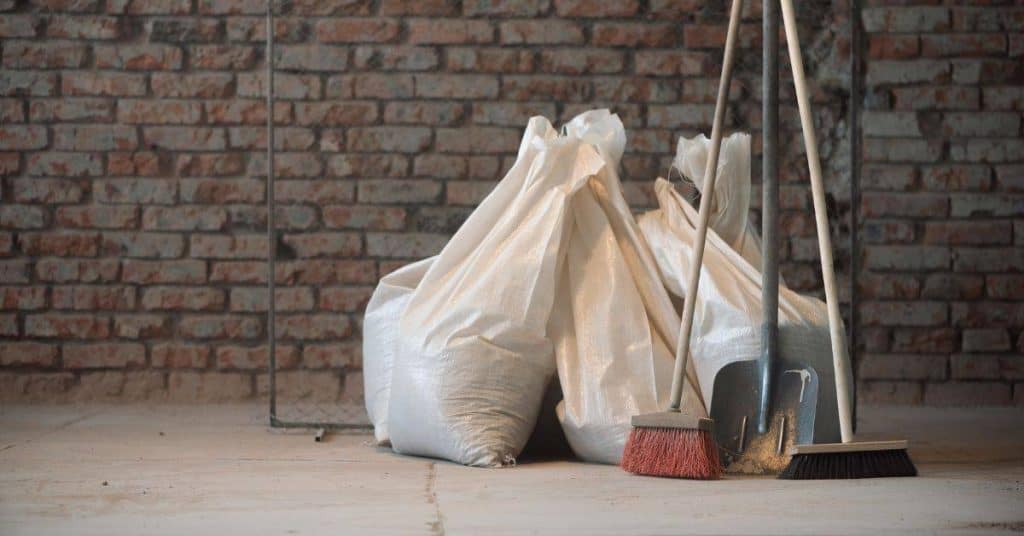
Brooms and shovel leaning against white sacks on floor

Tidy Tips from a Picky Painter: Less Mess, Faster Cleanup

Introduction Tidy Tips from a Picky Painter is about keeping your painting mess small and cleanup quick. It’s practical, hands-on advice for homeowners doing DIY projects. You’ll get real-world steps that save time without sacrificing results. Start with sharp edging: use proper taping techniques to seal edges before you cut in. Choose drop cloths that

Tidy Tips from a Picky Painter: Less Mess, Faster Cleanup Read More »

Hand using paint roller applying blue paint on wall

10 Tips for a Near-Perfect Paint Job: Prep, Technique, and Touch-Ups

Introduction This article explains how to prep, apply, and touch up paint for a near-perfect finish. It covers clearing the space, evaluating wall condition, and selecting the right tools and materials. You’ll get straight, hands-on steps you can follow without getting lost in theory. Wall prep matters most, from patching small dents to scuffing surfaces

10 Tips for a Near-Perfect Paint Job: Prep, Technique, and Touch-Ups Read More »

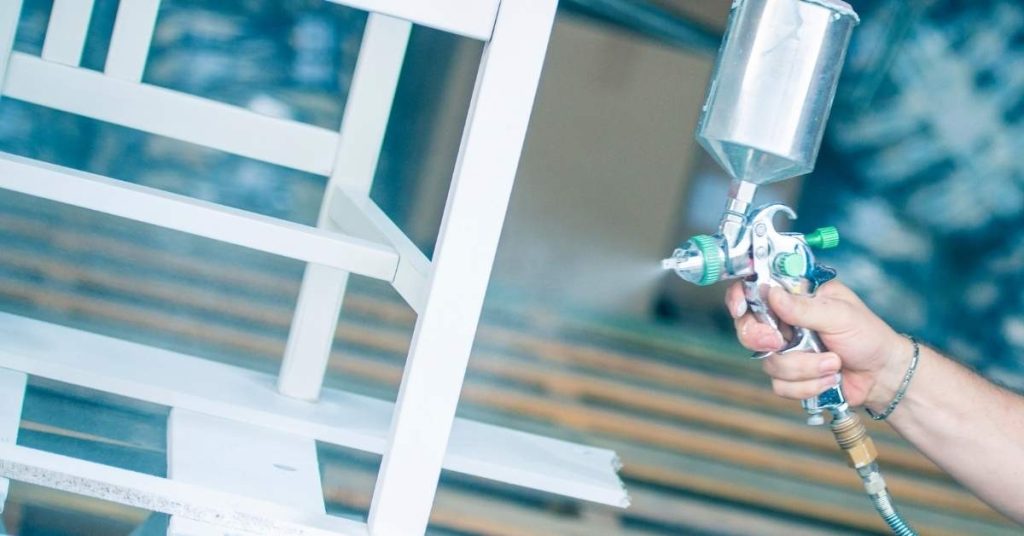
Hand spraying white paint on wooden chair frame

Spray Paint Makeovers: Before-and-After Results (and What Made Them Work)

Introduction Spray paint makeovers are quick, hands-on transformations using spray paint to refresh surfaces. They rely on proper prep, careful layering, and finishing touches to look even and durable. This article shares what works and why the results hold up. Key takeaways Plan color schemes on swatches; test on scrap metal before full spray. Clean

Spray Paint Makeovers: Before-and-After Results (and What Made Them Work) Read More »