Search Results for: concrete floor covering

Close-up of cracked gray concrete surface with visible fissures

Concrete Surface Profile Comparators: Choosing CSP Without Over-Grinding

Introduction CSP stands for Concrete Surface Profile, and it describes how rough or smooth a concrete surface is. Choosing the right CSP helps coatings and overlays grip well, without grinding away too much material. This article keeps it practical for DIYers and focuses on getting the profile right without overdoing it. The ICRI CSP scale […]

Concrete Surface Profile Comparators: Choosing CSP Without Over-Grinding Read More »

Concrete driveway ramp with textured surface and striped sides

Concrete Moisture Mapping With RH Probes vs Handheld Meters: Choosing the Right Method

Introduction RH probes map moisture in concrete by measuring relative humidity within the slab and comparing it to a calibrated standard. They assess moisture deeper in the concrete rather than just the surface, giving a more complete picture for decisions on finishing or coatings. This article will compare that approach with handheld meters in plain,

Concrete Moisture Mapping With RH Probes vs Handheld Meters: Choosing the Right Method Read More »

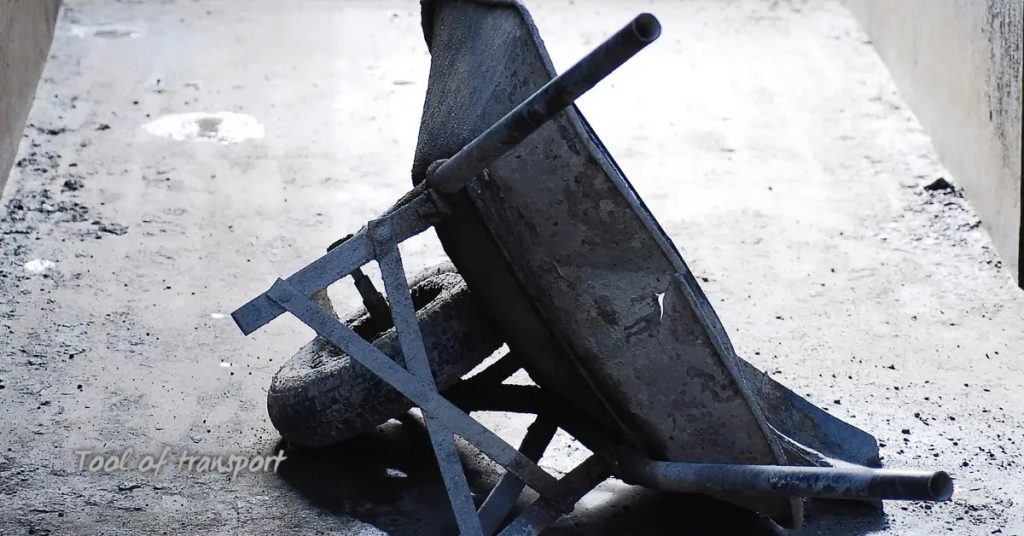
Empty wheelbarrow on concrete floor in shaded area

Concrete Dark Spots: Moisture, curing, or contamination—how to tell which

Introduction Dark spots on concrete are usually caused by moisture, improper curing, or surface contaminants. To tell which, look at the spot’s texture and sheen, note when it appeared, and check for signs of lingering dampness nearby. This guide offers practical, hands-on ways to diagnose and plan fixes. Start with surface prep, like degreasing if

Concrete Dark Spots: Moisture, curing, or contamination—how to tell which Read More »

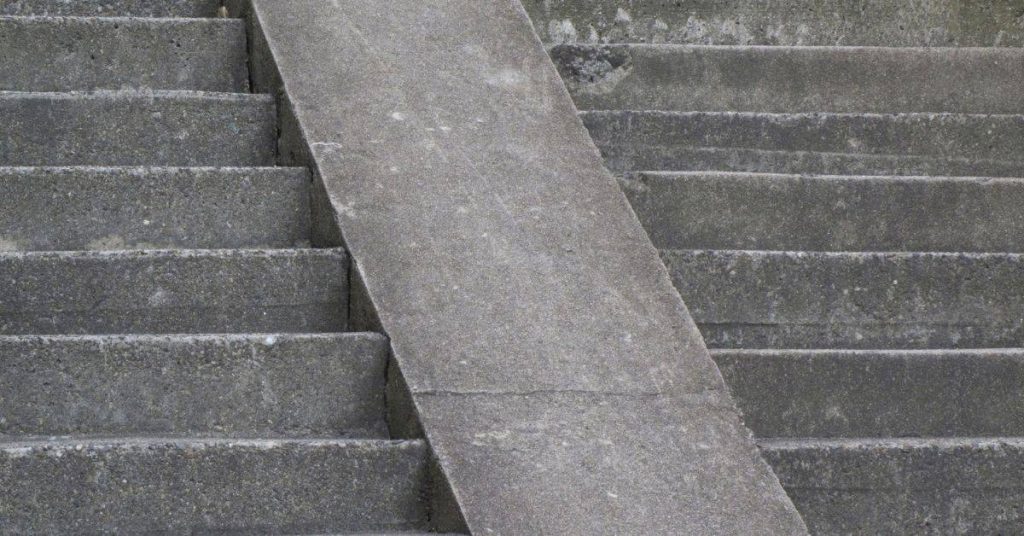
Concrete stairs with a smooth ramp in the middle

Concrete Scaling in Winter: Why the surface flakes and how to stop it

Introduction Concrete scaling in winter is when the top layer peels or flakes off because cold weather, moisture, and repeated freezing push water in and out. Cold temperatures slow curing and make water move through the surface, so you see scaling more on sidewalks, driveways, and slabs that get wet. Watch for slick, rough patches

Concrete Scaling in Winter: Why the surface flakes and how to stop it Read More »

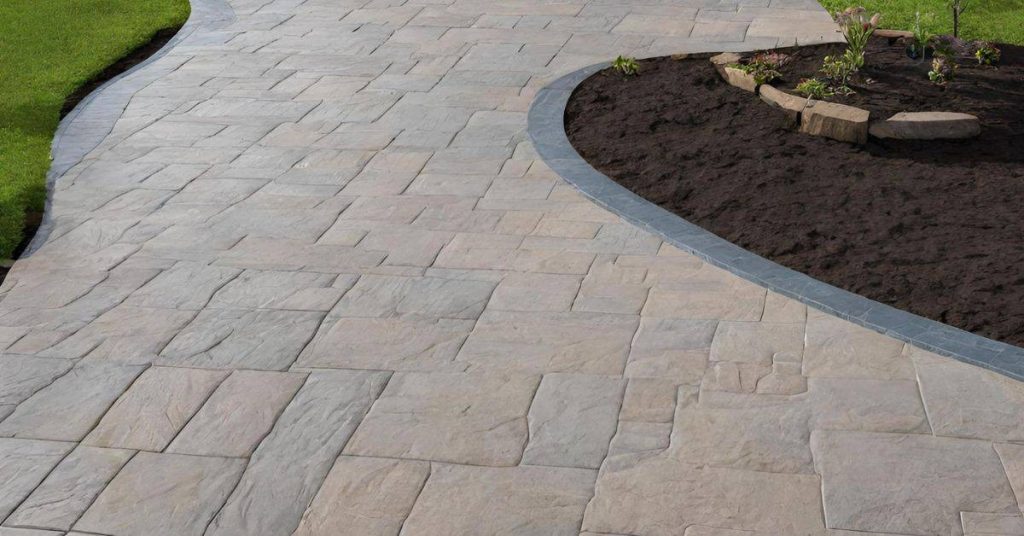
Concrete outdoor table with matching square stools and plants

Broadcast Sand on Concrete: When it helps traction and when it makes a mess

Introduction Broadcasting sand on concrete is the practice of spreading loose sand across a surface to improve traction. It can help when the surface is slick, but it can also track into the house and create a mess if overdone. Best times to broadcast sand are when the surface is dry and conditions won’t quickly

Broadcast Sand on Concrete: When it helps traction and when it makes a mess Read More »

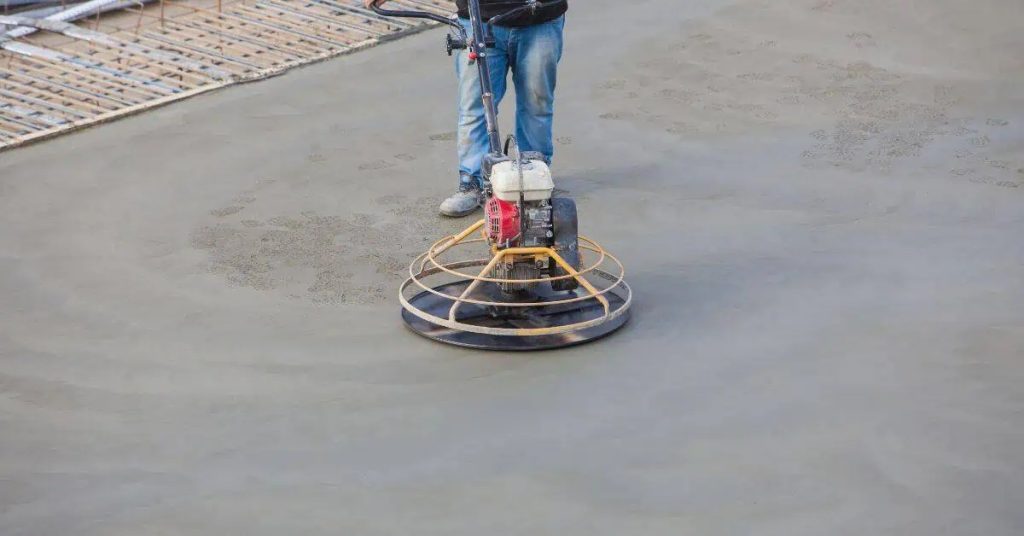
Worker using power trowel to smooth fresh concrete slab

Concrete Finishing Timing: When to start floating and when to stop troweling

Introduction Floating and troweling are concrete finishing steps that shape and smooth the surface. You start floating after the concrete begins to stiffen and can hold its edge, then you move to troweling to achieve a smooth, even finish. Stop troweling when the surface looks uniform and has the desired sheen, without overworking it. Always

Concrete Finishing Timing: When to start floating and when to stop troweling Read More »

Blue paint roller over open paint can

How Long Concrete Takes to Cure: Real timing for sealing, painting, and loads

Introduction Curing is the period when fresh concrete hardens and gains strength as it dries. For DIY projects, you can start light use only after it has set enough to bear light foot traffic. Temperature and moisture drive this process, and the method you use to cure will affect the outcome. Full curing takes time

How Long Concrete Takes to Cure: Real timing for sealing, painting, and loads Read More »