Search Results for: concrete floor covering

Stack of precast concrete beams covered with snow

Air-entrained concrete for driveways and steps: real freeze–thaw failures and how to avoid them

Introduction Air-entrained concrete is a mix that includes tiny air bubbles to improve resistance to freeze–thaw damage. For driveways and steps, this type of concrete helps reduce cracking when the surface repeatedly freezes and thaws. To avoid real freeze–thaw failures, follow the manufacturer’s guidance on mix options and ensure proper placement and curing. Check labels […]

Air-entrained concrete for driveways and steps: real freeze–thaw failures and how to avoid them Read More »

Person using power trowel on fresh concrete slab

Crazing and hairline map cracks in concrete: over-finishing clues and how to keep it subtle

Introduction Crazing and hairline map cracks are fine surface fractures that develop on concrete as it dries and cures. They often appear as delicate networks across countertops or floors and can be challenging to hide with finishing alone. Understanding why they form helps you decide when a subtle finish is appropriate and when to address

Crazing and hairline map cracks in concrete: over-finishing clues and how to keep it subtle Read More »

Unfinished multi-story concrete building structure outdoors

Self-leveling overlays on concrete: dams, primers, and stopping pinholes and ripples

Introduction Self-leveling overlays are pourable surface toppings designed to flow into low spots and produce a flat, smooth concrete surface. They rely on proper surface preparation, containment dams at edges, and primer or bond agents to promote adhesion. Always follow the material manufacturer’s instructions for mixing, compatibility with the concrete, and cure requirements. Before you

Self-leveling overlays on concrete: dams, primers, and stopping pinholes and ripples Read More »

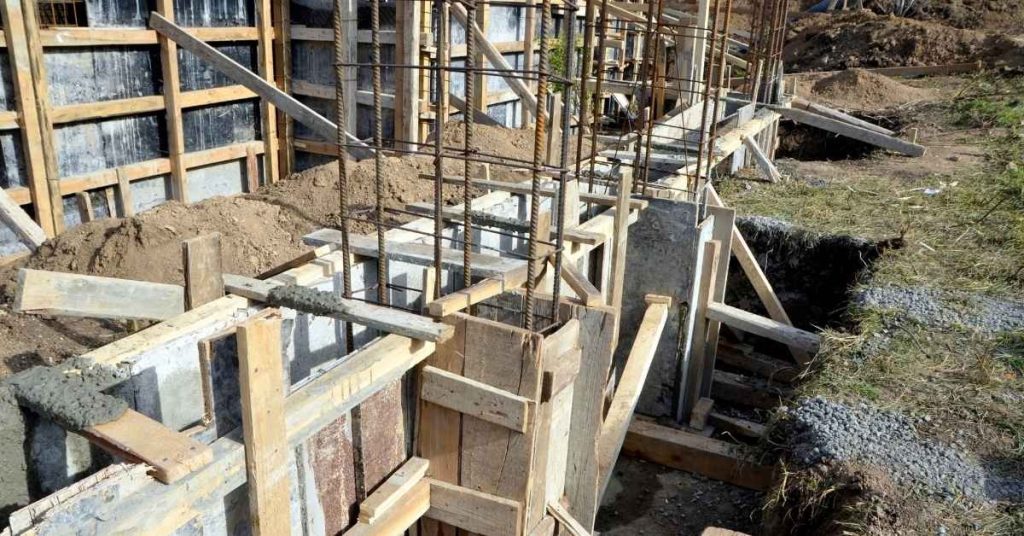
Concrete foundation formwork with exposed rebar and soil

Feather finish vs polymer patch on concrete: choosing a repair that won’t pop off in winter

Introduction Cement Skim Coat vs Polymer Patch for Winter Repairs Feather finish is a thin cement skim coat, ideal for smoothing surfaces. A polymer patch, on the other hand, is a patching compound used to fill small defects. This guide compares their winter performance and provides practical DIY repair steps. Assess damage extent, substrate condition,

Feather finish vs polymer patch on concrete: choosing a repair that won’t pop off in winter Read More »

Person smoothing fresh concrete with tools wearing gloves

Cold-Weather Concrete Repairs: Keeping Thin Patches and Small Slabs from Freezing Out

Introduction Cold-weather concrete repairs are fixes done in cold conditions to prevent thin patches and small slabs from freezing. This article explains practical steps you can take with common materials to keep patches durable. Approach is hands-on and focused on safe, simple techniques you can apply without special equipment. Cold weather slows concrete hydration and

Cold-Weather Concrete Repairs: Keeping Thin Patches and Small Slabs from Freezing Out Read More »

Stack of precast hollow core concrete slabs outdoors

Repairing Damaged Vapor Barriers Under Concrete Slabs: Fixing Seams, Punctures, and Missed Edges

Introduction Repairing a damaged vapor barrier under a concrete slab means fixing tears, punctures, or gaps so moisture cannot pass into the structure. Treat it as a hands-on task: identify the affected area, clean the surface, and plan patching with compatible materials. Check manufacturer instructions and local building guidance for approved repair methods. Use the

Repairing Damaged Vapor Barriers Under Concrete Slabs: Fixing Seams, Punctures, and Missed Edges Read More »

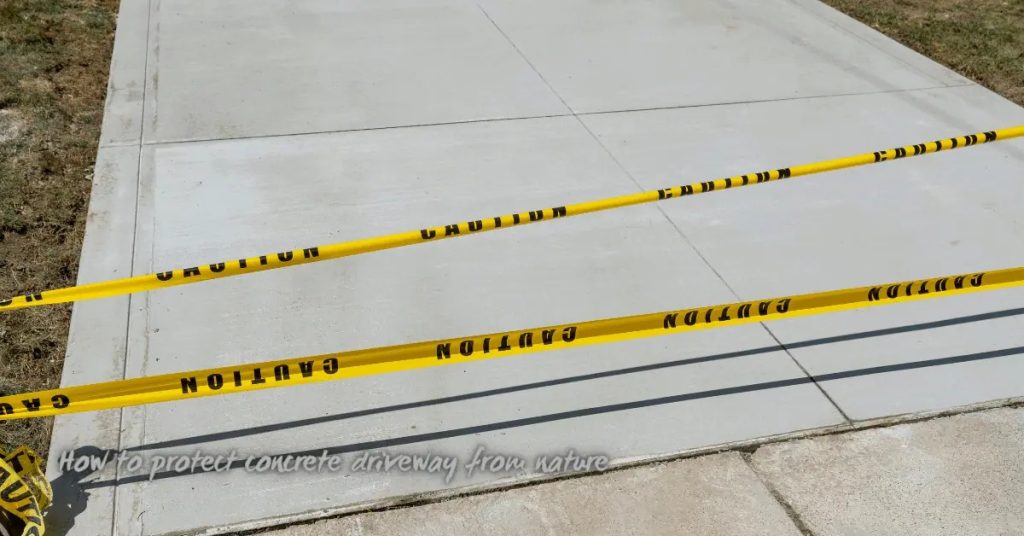
Concrete driveway section blocked by yellow caution tape

Concrete Vapor Barrier Seams and Penetrations: Tape, Patches, and “Oops” Fixes

Introduction A concrete vapor barrier seam is the joined, airtight edge where barrier material meets itself or a patch. Tape and patches are used to seal these seams, and proper technique means clean surfaces, careful pressure, and following the material’s instructions. Penetrations like pipes or conduits must be sealed carefully at the edge where they

Concrete Vapor Barrier Seams and Penetrations: Tape, Patches, and “Oops” Fixes Read More »

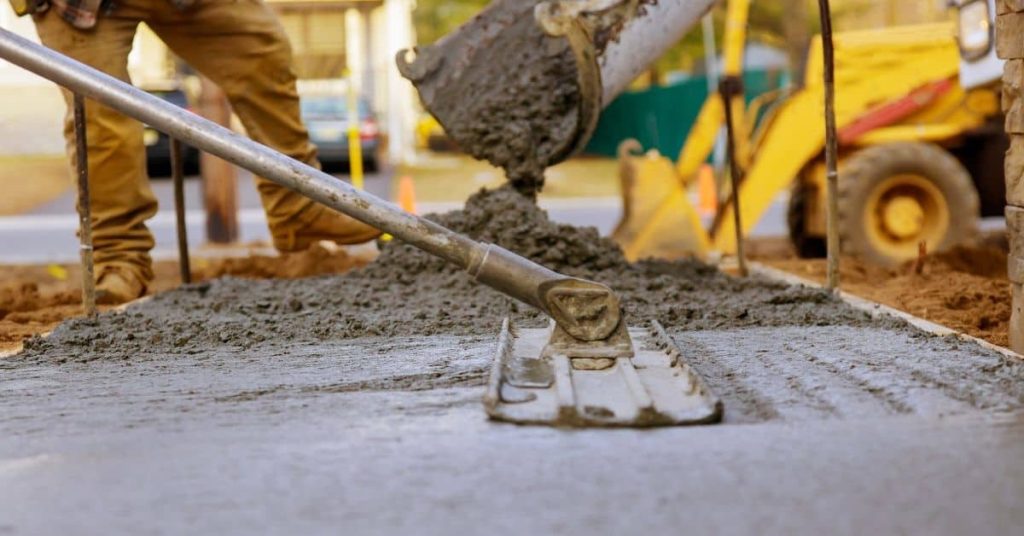
Worker leveling wet concrete with screed tool

DIY Compaction Checks Before Concrete: Moisture, Pass Counts, and Simple Field Tests

Introduction Compaction checks before pouring concrete means testing how tightly the soil is packed and how wet it is to see if it’s ready for formwork. Getting this right helps prevent settling, cracks, and uneven slabs. In this article, we’ll cover moisture checks, visible pass counts, and quick field tests you can do on site.

DIY Compaction Checks Before Concrete: Moisture, Pass Counts, and Simple Field Tests Read More »

Close-up of cracked concrete surface with fine fissure

Concrete Moisture Testing for Coatings: Plastic Sheet vs RH Probes vs Real-World Clues

Introduction Concrete moisture testing for coatings is how you check if a slab is dry enough for coatings using plastic sheet tests, RH probes, or real-world clues. Plastic sheet tests give a quick yes/no read, RH probes measure in-the-mix or at the surface over time, and real-world clues come from how coatings behave in practice.

Concrete Moisture Testing for Coatings: Plastic Sheet vs RH Probes vs Real-World Clues Read More »

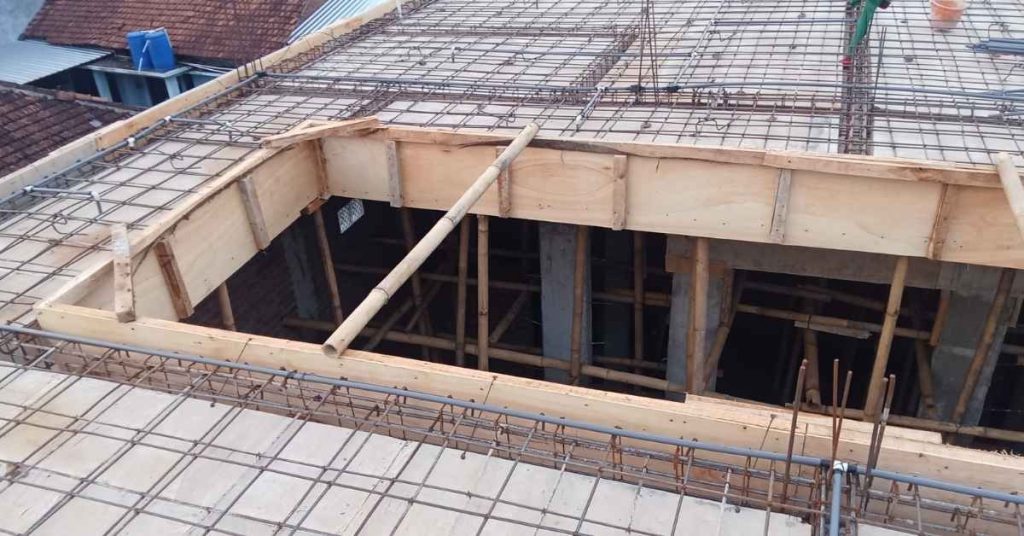
Wooden formwork and steel rebar grid on concrete slab

Concrete Slab-on-Grade for a Small Shed: Vapor Barriers, Thickened Edges, and Bolt Layout

Introduction A slab-on-grade is a concrete floor poured directly on prepared ground with no raised foundation. For a small shed, you’ll want to plan for a vapor barrier, thickened edges, and a simple bolt layout to anchor posts. As you work, verify local rules and follow manufacturer instructions for materials. Starting prep means grading, compacting,

Concrete Slab-on-Grade for a Small Shed: Vapor Barriers, Thickened Edges, and Bolt Layout Read More »