Search Results for: concrete epoxy sealer remover

Stone-look concrete gate pillars with metal fence panels

Stone-Look Concrete Finishes: Rub Techniques, High Spots, and Sealer Choices

Introduction Stone-Look Concrete Finishes are achieved by rubbing and refining a concrete surface to resemble natural stone. On the job, you’ll use hand tools and trowels to work the surface while it’s still workable, then wipe, rub, and burnish to blend colors. Check product labels and manufacturer instructions for cure times and safety before starting. […]

Stone-Look Concrete Finishes: Rub Techniques, High Spots, and Sealer Choices Read More »
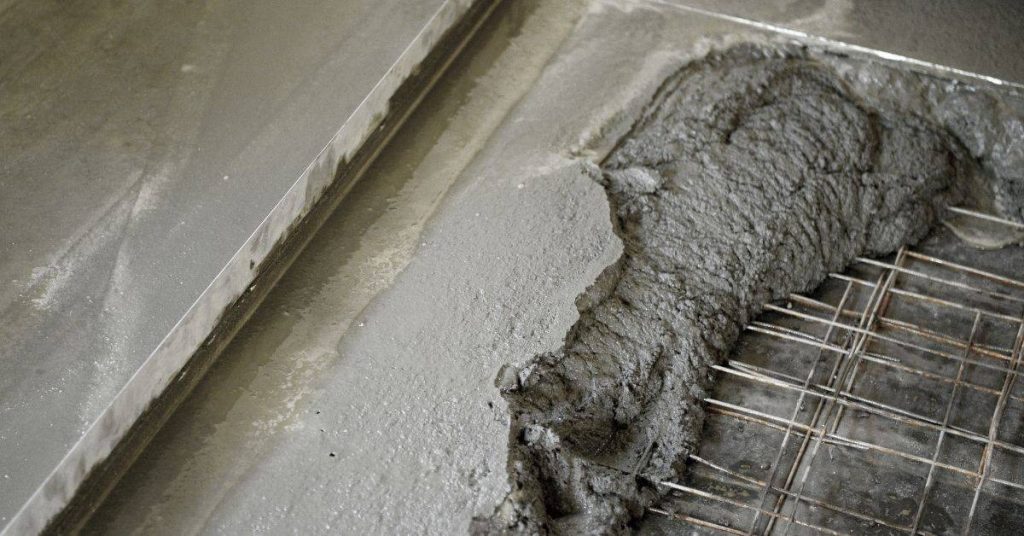
Wet concrete being poured over steel rebar grid

Rust “Ghosting” in Concrete: Preventing Stains from Chairs, Ties, and Rebar

Introduction Rust ghosting is stains left in cured concrete by corroded metal in contact with the mix. It happens when moisture and metal react, causing rust to bleed into the surface during curing. Common culprits are chairs, ties, and rebar that sit in the pour. Prevent it by choosing non‑corroding or protected hardware and by

Rust “Ghosting” in Concrete: Preventing Stains from Chairs, Ties, and Rebar Read More »

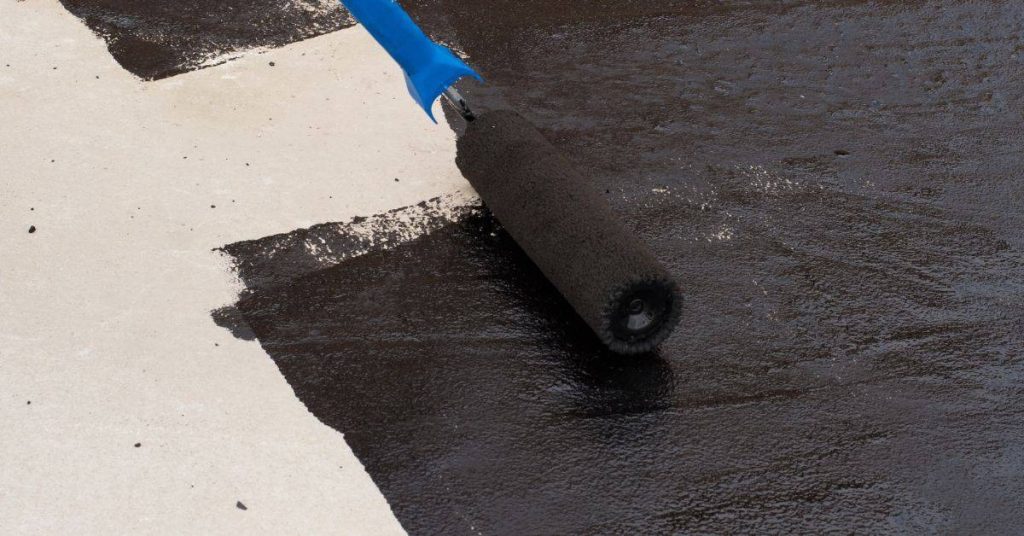
Paint roller applying black sealer on concrete surface

How to Remove Tire Marks Without Dulling a Sealer: Cleaner Types and Pad Choices

Introduction Removing tire marks from a sealed surface without dulling the sealer means using cleaners and pads that lift the mark without damaging the seal. Start with a light cleaner labeled for concrete sealers and test in an inconspicuous spot first. Work in small areas and use gentle motions to avoid abrasive wear. Choose non-aggressive

How to Remove Tire Marks Without Dulling a Sealer: Cleaner Types and Pad Choices Read More »

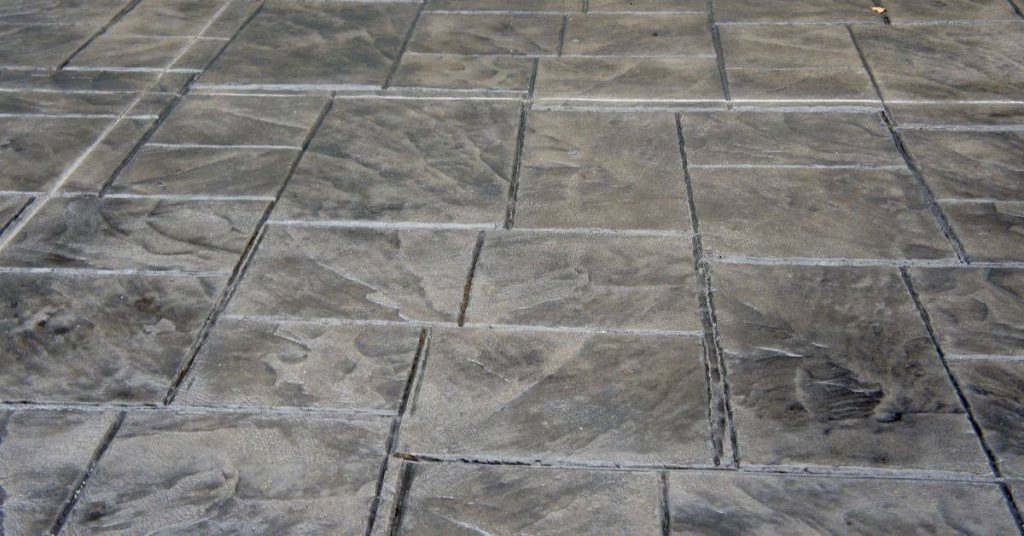
Stamped concrete patio surface with gray color and texture

Concrete Countertop Sealer Spot Repairs: Fixing One Area Without Recoating Everything

Introduction A sealer spot repair on a concrete countertop is fixing a damaged area without recoating the whole surface. It starts with identifying the kind of damage—stains, dull or rough spots—and cleaning the area thoroughly before any repair. Then you’ll choose a compatible sealant and follow the product directions for spot treatment, avoiding the rest

Concrete Countertop Sealer Spot Repairs: Fixing One Area Without Recoating Everything Read More »

Glossy reflections on a dark epoxy-coated floor surface

Spot-Sealing Stains: How to Avoid ‘Shiny Islands’ on Matte Sealers

Introduction Spot-sealing stains are the shiny patches that can appear on a matte sealer after applying it. They usually form where the stain or moisture drew the sealer unevenly. In this guide we’ll keep things practical and show how to prevent those islands from showing up. To avoid them, work in small, controlled areas and

Spot-Sealing Stains: How to Avoid ‘Shiny Islands’ on Matte Sealers Read More »

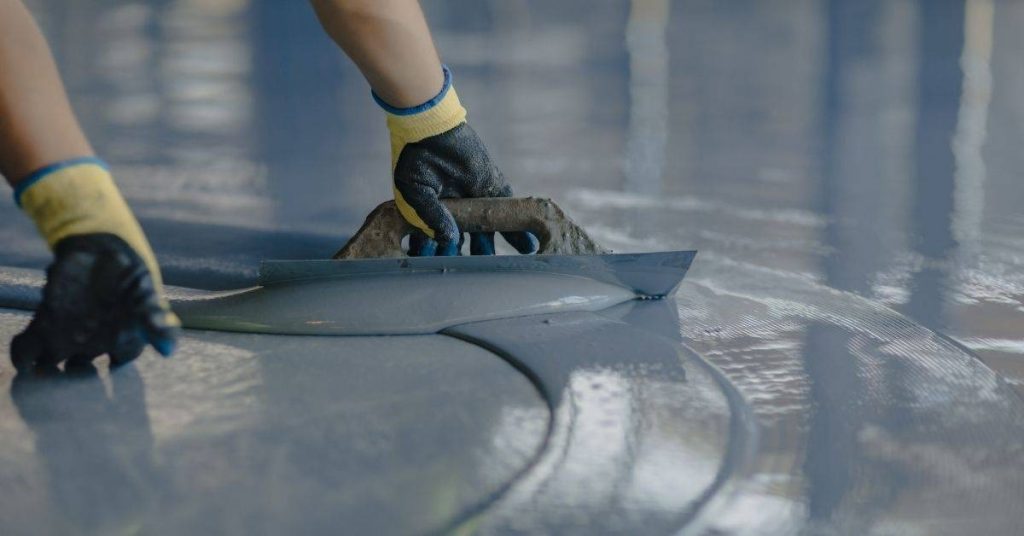
Hands wearing gloves smoothing gray epoxy on floor with trowel

DIY Epoxy Patch on a Garage Floor: Feathering Edges and Matching Gloss Without a Halo

Introduction An epoxy patch is a DIY repair that fills a damaged garage floor and blends it into the surrounding concrete. You’ll feather the edges so the repair tapers into the floor, and aim for a consistent sheen to avoid a noticeable halo. Check manufacturer instructions for cure times, prep steps, and recommended products. This

DIY Epoxy Patch on a Garage Floor: Feathering Edges and Matching Gloss Without a Halo Read More »

Concrete columns with exposed steel reinforcement bars

Repairing Concrete Exposed to Acids: What Can Be Neutralized and What Must Be Removed

Introduction Acid-exposed concrete can sometimes be neutralized on the surface, but damaged material must be removed. This DIY overview explains what you can safely treat and how to tell when removal is necessary. It keeps the process practical and plain-language, like a job you can tackle on a weekend. Begin by cleaning, neutralizing per label

Repairing Concrete Exposed to Acids: What Can Be Neutralized and What Must Be Removed Read More »

paint brush lying on concrete floor partially painted red tiles

Concrete Surface Contamination Tests: Oil, Silicone, Curing Compound, and Why Water Bead Tests Mislead

Introduction Concrete surface contamination tests tell you whether a surface is clean enough for bonding by revealing any residual oils, silicones, or waxes. For epoxy or other adhesives, you must verify cleanliness requirements with the product label and local rules, because expectations vary. If unsure, follow a basic check: a dry, dust-free feel and a

Concrete Surface Contamination Tests: Oil, Silicone, Curing Compound, and Why Water Bead Tests Mislead Read More »

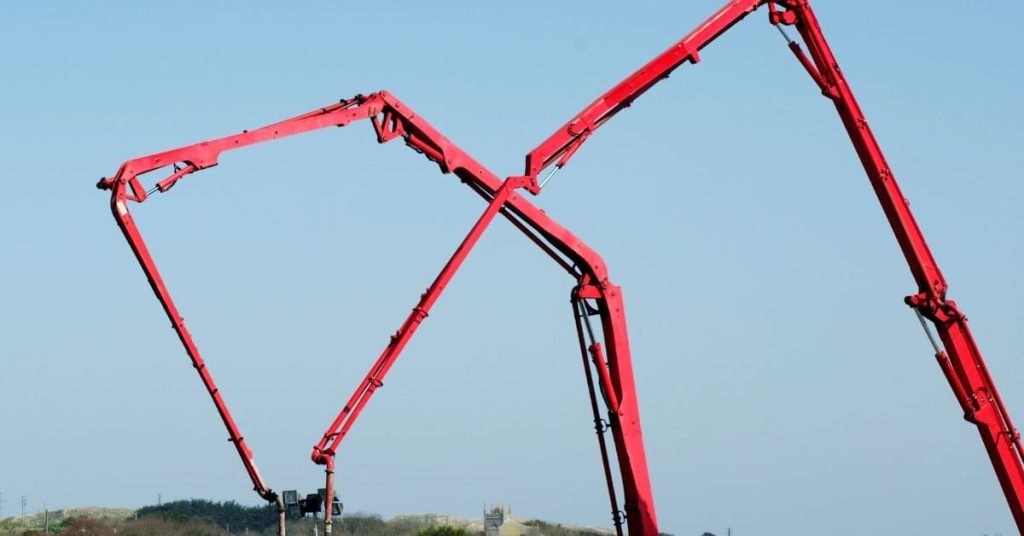
Two red concrete pump booms reaching upward

Removing Old Acrylic Sealer: Best stripping methods that don’t scar concrete

Introduction Removing old acrylic sealer means stripping the old finish from the concrete surface without gouging it. This DIY guide walks you through practical methods, safety steps, and what to check on product labels. Start by cleaning the area and choosing a method that fits your concrete and sealer type. Follow product instructions and local

Removing Old Acrylic Sealer: Best stripping methods that don’t scar concrete Read More »

Empty wheelbarrow on concrete floor in shaded area

Concrete Dark Spots: Moisture, curing, or contamination—how to tell which

Introduction Dark spots on concrete are usually caused by moisture, improper curing, or surface contaminants. To tell which, look at the spot’s texture and sheen, note when it appeared, and check for signs of lingering dampness nearby. This guide offers practical, hands-on ways to diagnose and plan fixes. Start with surface prep, like degreasing if

Concrete Dark Spots: Moisture, curing, or contamination—how to tell which Read More »