Search Results for: concrete chip repair

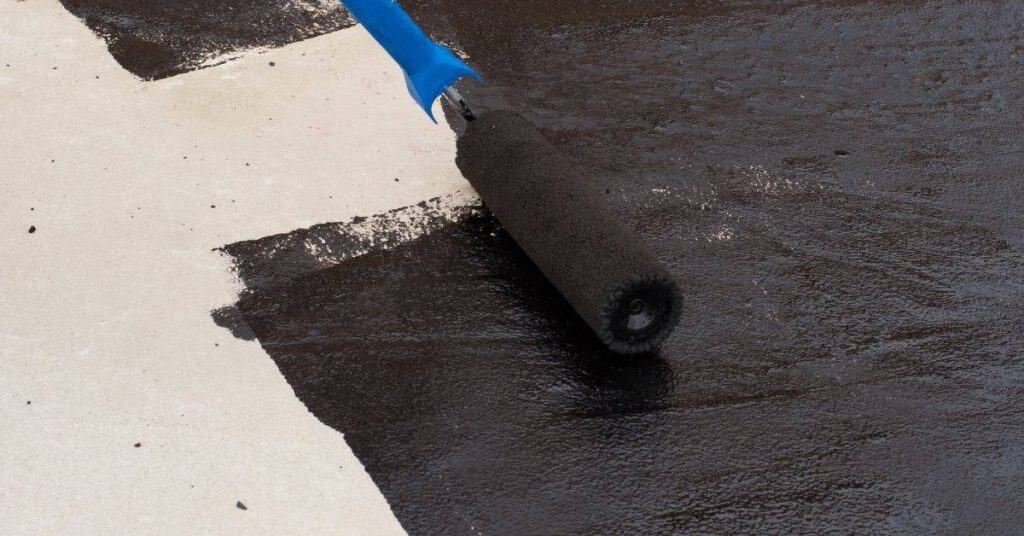
Paint roller applying black concrete sealer on light concrete surface

Concrete Sealer Lap Marks: Why They Happen and How to Prevent ‘Shiny Stripes’

Introduction Concrete sealer lap marks are shiny stripes that appear when sealer dries unevenly along the edges of a previous pass. They often come from pooling, overlapping strokes, or applying too many coats too quickly. In practice, you can spot them as brighter lines where the finish looks different from the surrounding surface. To prevent […]

Concrete Sealer Lap Marks: Why They Happen and How to Prevent ‘Shiny Stripes’ Read More »
Closeup of smooth fresh gray concrete surface

How to Strip Tire Marks Off Concrete Without Etching the Surface

Introduction Tire marks on concrete can be removed without etching the surface by using gentle cleaners, proper scrubbing, and controlled water flow. First, identify what caused the marks and choose a method that won’t roughen or dull the floor. Always follow the product label and manufacturer instructions, and check local rules before you start. Begin

How to Strip Tire Marks Off Concrete Without Etching the Surface Read More »

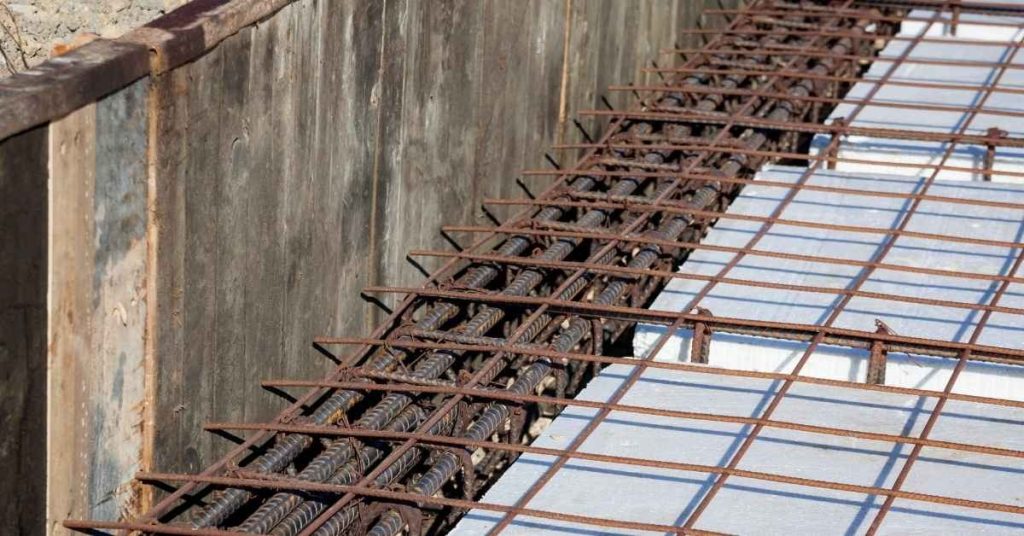
Steel rebar grid and wooden concrete formwork at slab edge

How to Patch a Concrete Slab Edge With a ‘Return’ Form (So It Doesn’t Chip Off Again)

Introduction A patch for a concrete slab edge with a return form is a method to rebuild the edge so it doesn’t chip again. It’s a hands-on repair that focuses on shaping the edge and sealing it with materials suited for your concrete. You’ll want to assess the chipped edge, pick appropriate repair materials, and

How to Patch a Concrete Slab Edge With a ‘Return’ Form (So It Doesn’t Chip Off Again) Read More »

Herringbone patterned wooden floor in empty room with blue walls

Bamboo Flooring Scratch Repair: Touch-Up Kits vs. Screen-and-Recoat Options

Introduction Touch-up kits and screen-and-recoat are two common ways to repair scratches on bamboo flooring. Bamboo floors are durable, but everyday wear can show scratches, especially in high-traffic areas. This guide will help you decide which method fits your situation and budget. Scratch causes include grit, furniture movement, and moisture exposure, so address the underlying

Bamboo Flooring Scratch Repair: Touch-Up Kits vs. Screen-and-Recoat Options Read More »

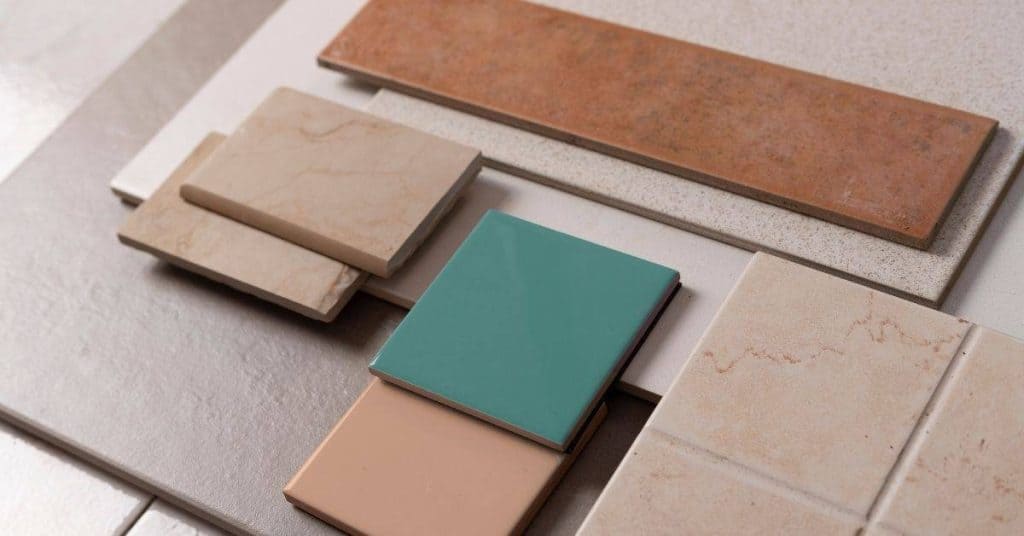
Various ceramic and porcelain tile samples arranged on a surface

Pool Waterline Tile Repairs: Bonding to Old Substrates and Avoiding Hollow Spots

Introduction Bonding old pool waterline tile to aged substrates requires thorough prep and the right adhesives to prevent hollow spots. This is a hands-on, DIY task that starts with cleaning, roughing the surface, and choosing compatible materials. Check product labels and manufacturer guidance for substrate compatibility, cure times, and any moisture considerations. Dust control during

Pool Waterline Tile Repairs: Bonding to Old Substrates and Avoiding Hollow Spots Read More »

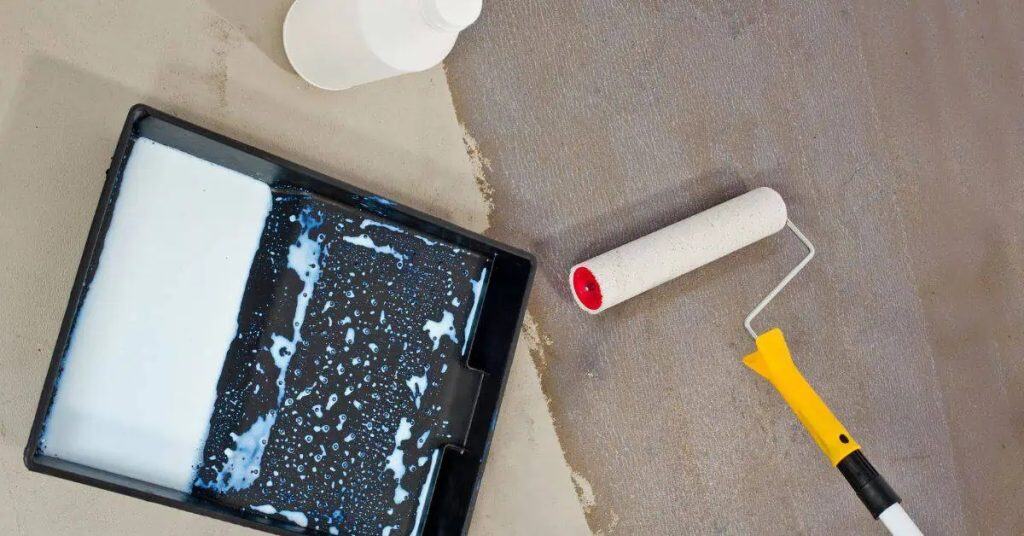
Paint roller and tray with white primer on concrete floor

How to Paint a Concrete Porch Floor That Sees De-Icers: Coating Types and Prep

Introduction Painting a concrete porch floor that sees de-icers means applying a durable coating to protect the surface from salt damage and freeze-thaw while making it easier to clean. This article guides a hands-on approach, from choosing coatings to prep and simple techniques you can do yourself. Keep in mind that prep and proper product

How to Paint a Concrete Porch Floor That Sees De-Icers: Coating Types and Prep Read More »

Interlocking permeable paver blocks with open joints and gravel fill.

Concrete Paver ‘Rocking’ Fix on Sand: When to Regrade vs. Switch to Mortar

Introduction A rocking concrete paver on sand happens when the base shifts and the paver isn’t bedded level. You’ll usually see movement when a surface feels wobbly or shows gaps around edges. This article helps you decide whether to regrade the base or switch to mortar in a simple, hands-on way. To identify the problem,

Concrete Paver ‘Rocking’ Fix on Sand: When to Regrade vs. Switch to Mortar Read More »

Paint roller applying liquid to concrete pavers

DIY Large-Format Concrete Pavers: Reinforcement, Curing, and Warp Prevention

Introduction Large-format concrete pavers require proper reinforcement, curing, and warp prevention to stay flat and durable. In plain terms, you reinforce the base and pavers, manage moisture and temperature during curing, and watch for movement that can cause warping. This article focuses on practical, hands-on methods you can apply on a DIY project. Follow the

DIY Large-Format Concrete Pavers: Reinforcement, Curing, and Warp Prevention Read More »

Unfinished wooden deck frame with exposed joists and vertical posts.

How to Repair Concrete Around a Deck Post Base Without Replacing the Whole Pad

Introduction This article explains how to repair concrete around a deck post base without replacing the whole pad. You’ll start by inspecting for cracks, spalling, or loose sections around the base. Then you’ll plan a simple patching approach using common hand tools and patch material. Identify damage around the post base and note where the

How to Repair Concrete Around a Deck Post Base Without Replacing the Whole Pad Read More »