Search Results for: concrete chip repair

close-up of concrete surface with multiple small holes and rough texture

Concrete Planter Drain Holes That Don’t Crack: Sleeves, Inserts, and Timing

Introduction Drain holes in concrete planters that won’t crack are achieved by using sleeves or inserts and timing the drilling to the curing stage. Keep the hole protected with a sleeve and drill during the right curing window, then finish with your chosen patch. Always check the product label or maker’s instructions for recommended hole […]

Concrete Planter Drain Holes That Don’t Crack: Sleeves, Inserts, and Timing Read More »

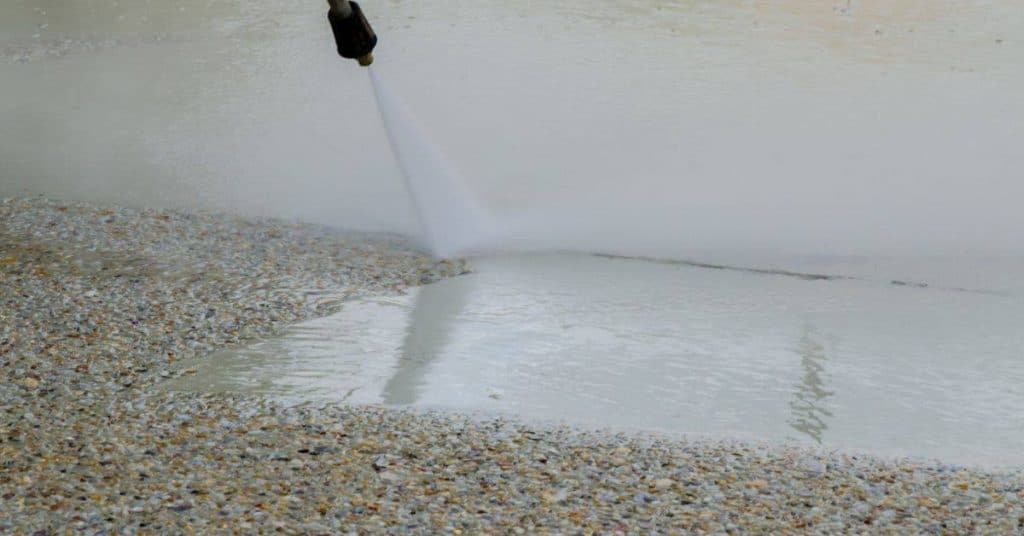
Pressure washing exposed aggregate concrete surface

Creating an Exposed Aggregate ‘Window’ in a Small Repair (Matching Existing Finish)

Introduction An exposed aggregate window is a small patch that reveals decorative stones after removing a portion of concrete to match the surrounding finish. Plan to cut a window in the existing slab, clean and dampen the area, and set up a simple form to keep edges neat. Check local rules and the patch will

Creating an Exposed Aggregate ‘Window’ in a Small Repair (Matching Existing Finish) Read More »

Stamped concrete patio with curved edge and garden bed

How to Feather a Concrete Patch Without a Weak Edge (Undercuts and Micro-Overlays)

Introduction Feathering a concrete patch means shaping the edge with undercuts and a micro-overlay so the repair blends with the surrounding slab. It’s about creating a gradual transition, not a hard line or a loaded patch. You’ll want a clean bond, good surface prep, and a plan for the edge quality as you go. This

How to Feather a Concrete Patch Without a Weak Edge (Undercuts and Micro-Overlays) Read More »

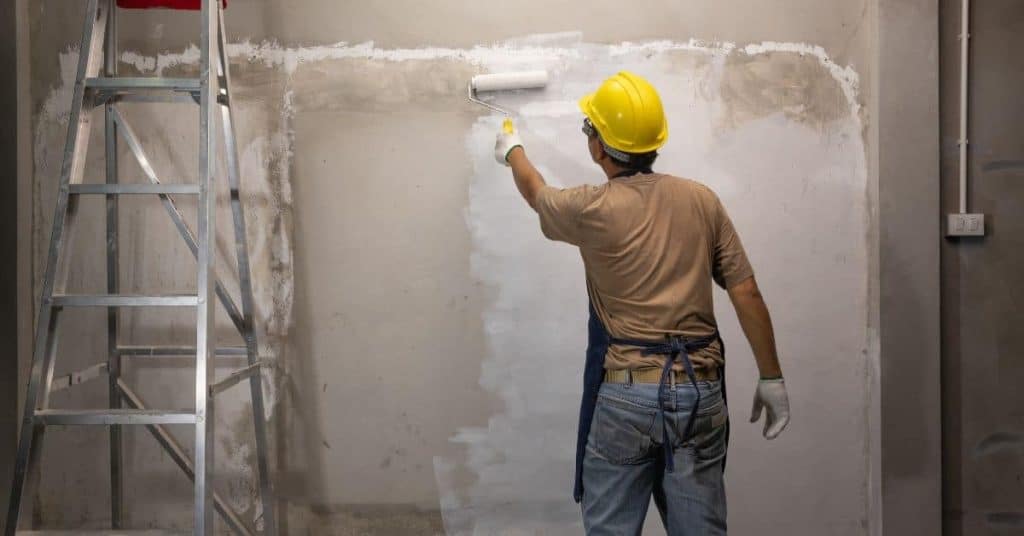
Worker rolling white paint on concrete wall

How to Seal Hairline Cracks Before Painting a Concrete Wall (So They Don’t Print Through)

Introduction Sealing hairline cracks before painting means filling and smoothing tiny cracks in a concrete wall so the paint won’t show through. Start by cleaning the crack and removing dust, then pick a filler recommended for concrete and apply it according to its instructions. Let the filler cure as directed and lightly sand smooth if

How to Seal Hairline Cracks Before Painting a Concrete Wall (So They Don’t Print Through) Read More »

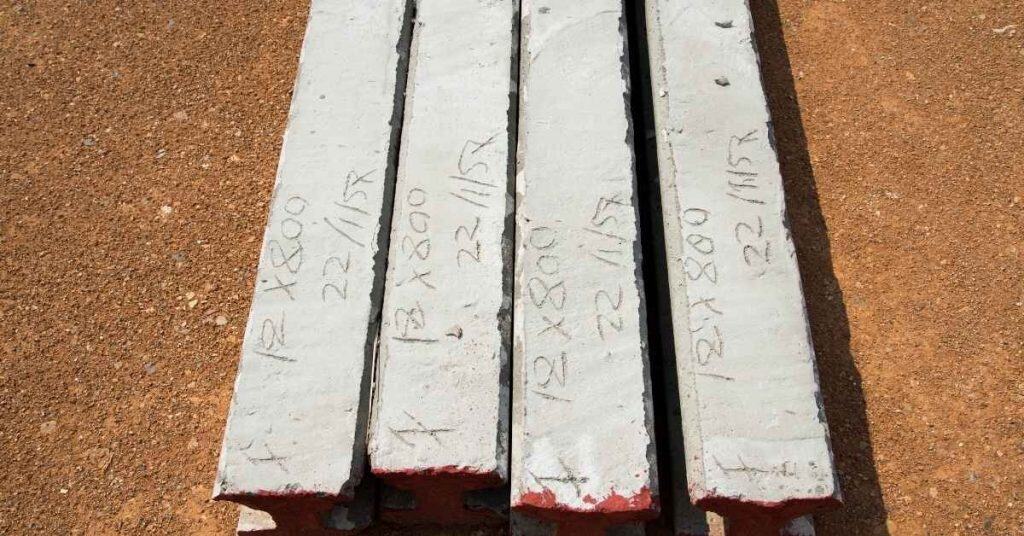
Four concrete test slabs with markings on surface

DIY Carbonation Test for Old Concrete (What It Means for Anchors and Repairs)

Introduction A carbonation test shows how much the concrete has hardened through exposure to CO2, which can affect how anchors hold. This article walks you through what that means for anchors and simple repairs, in plain DIY language. You’ll learn what to check on materials, tools, and local rules when you plan a fix. The

DIY Carbonation Test for Old Concrete (What It Means for Anchors and Repairs) Read More »

Concrete columns with exposed vertical rebar against sky

Fixing Rust ‘Telegraphing’ Through Concrete Patch Repairs (When Rebar Is Too Close)

Introduction Rust telegraphing through concrete patches happens when corroded rebar pushes outward, showing up as stains, cracks, or rough patches on the surface. This is a sign the patch is not fully sealing the reinforcing and moisture is getting to the steel. In this article we’ll explain what to look for and how to approach

Fixing Rust ‘Telegraphing’ Through Concrete Patch Repairs (When Rebar Is Too Close) Read More »

Fresh concrete pouring onto existing concrete slab

Pouring a Small Concrete Slab Over Existing Concrete: Bonding, Thickness, and Joints

Introduction Pouring a small concrete slab over existing concrete means laying a new concrete layer on top of an existing slab. Before you start, clean and roughen the surface so the new mix can grip. Check the old slab for cracks and moisture and fix obvious issues before pouring. Think about how thick you pour

Pouring a Small Concrete Slab Over Existing Concrete: Bonding, Thickness, and Joints Read More »