Search Results for: cleaning mortar

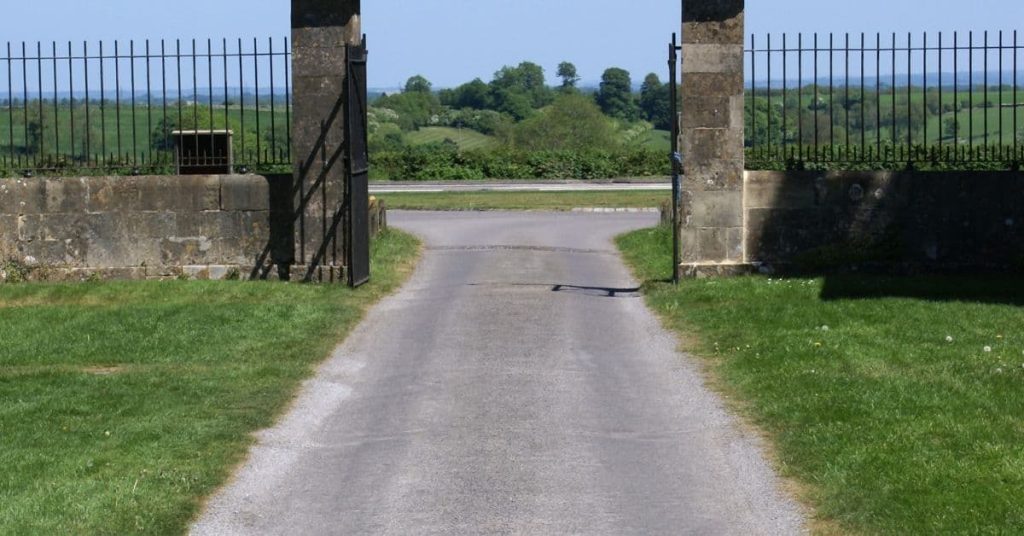
Stone-look concrete gate pillars with metal fence panels

Stone-Look Concrete Finishes: Rub Techniques, High Spots, and Sealer Choices

Introduction Stone-Look Concrete Finishes are achieved by rubbing and refining a concrete surface to resemble natural stone. On the job, you’ll use hand tools and trowels to work the surface while it’s still workable, then wipe, rub, and burnish to blend colors. Check product labels and manufacturer instructions for cure times and safety before starting. […]

Stone-Look Concrete Finishes: Rub Techniques, High Spots, and Sealer Choices Read More »
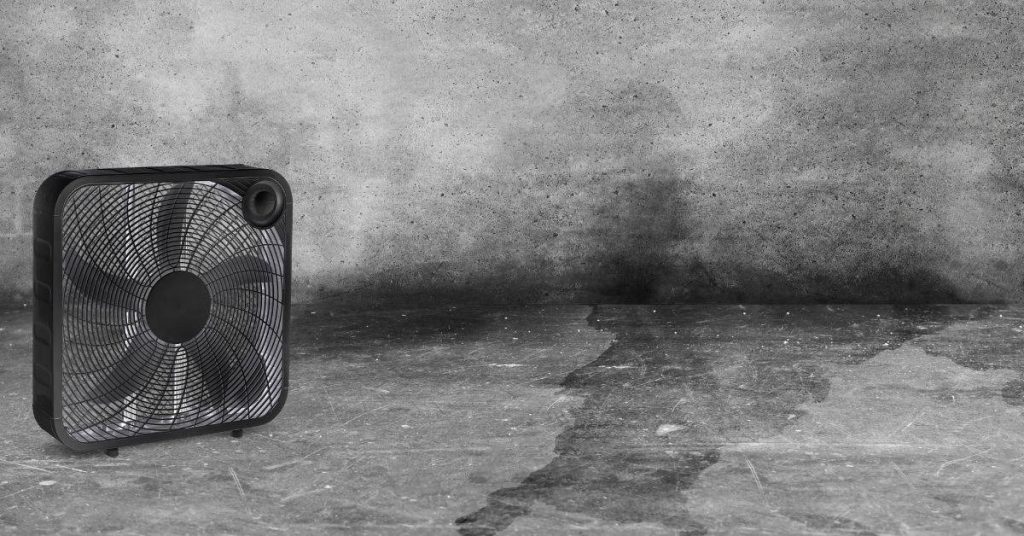
Box fan on concrete floor with dark moisture stains on wall

Concrete Block Moisture Problems: Capillary Rise, Sealers, and Interior Coatings That Make Sense

Introduction Moisture problems in concrete blocks happen when water wicks through the wall, showing up as damp patches and mineral blooms. This is commonly caused by capillary rise and can occur even when the surface seems dry. To deal with it, you need to identify where the moisture is coming from and how the wall

Concrete Block Moisture Problems: Capillary Rise, Sealers, and Interior Coatings That Make Sense Read More »

Smooth light gray concrete wall surface

Surface-Bonding Cement on Dry-Stack Concrete Block: When It’s Allowed and How to Reinforce

Introduction Surface-bonding cement on dry-stack concrete block is a thin adhesive layer applied to the face of stacked blocks to improve bond and stability when allowed. It’s a practical option you can use to reinforce and tidy up a wall that’s already in place. Check your local rules and manufacturer instructions to know if this

Surface-Bonding Cement on Dry-Stack Concrete Block: When It’s Allowed and How to Reinforce Read More »

Open white window above thick smooth concrete sill

Concrete Block Window Sill Water-Shedding Details: Slopes, Drips, and Smart Sealant Placement

Introduction A concrete block window sill water-shedding detail is the built-in slope and drip setup that directs rain away from the wall and into drainage. We’ll set a gentle slope on the top surface and add small drip features to keep water from riding back into the opening. Check local rules and manufacturer guidance for

Concrete Block Window Sill Water-Shedding Details: Slopes, Drips, and Smart Sealant Placement Read More »

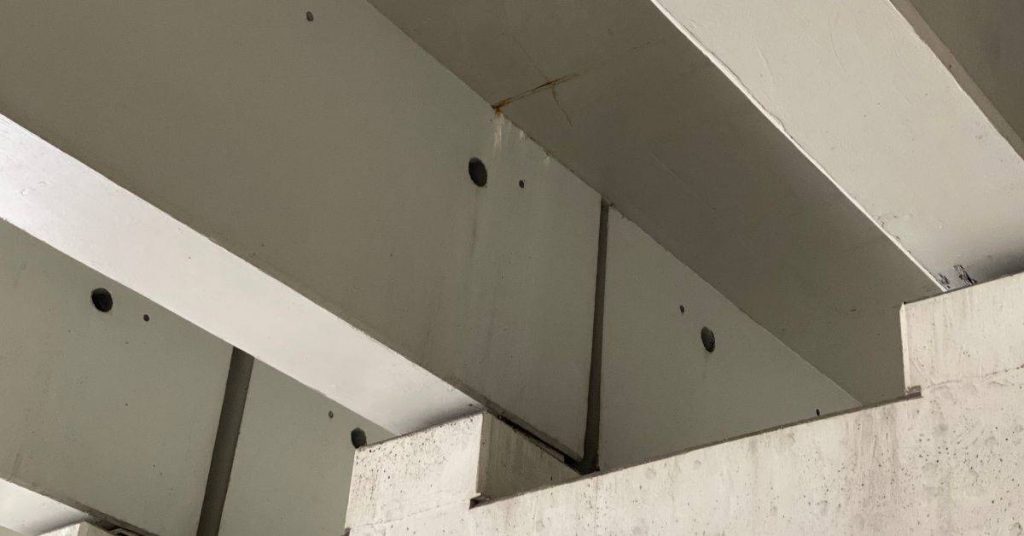
Close-up of concrete beam to column connection with visible joint

Choosing Caulk for Concrete Block Joints: Polyurethane vs Hybrid vs Silicone (and why it matters)

Introduction Caulk for concrete block joints is a flexible sealant used to close gaps between concrete blocks to keep out water and air. Choosing the right sealant starts with the joint type and weather exposure, then applying it with the right tools. Keep in mind it should bond to masonry, cure properly, and be compatible

Choosing Caulk for Concrete Block Joints: Polyurethane vs Hybrid vs Silicone (and why it matters) Read More »

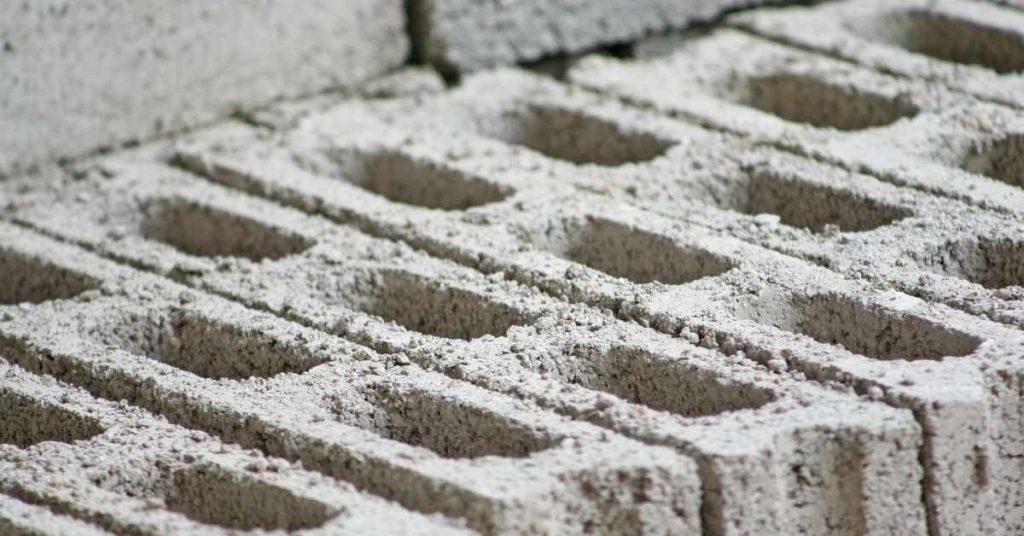
Closeup of stacked gray concrete cinder blocks

Keeping Concrete Block Sealant Lines Clean: Masking, Tooling, and Smear-Free Cleanup

Introduction Keeping concrete block sealant lines clean means preventing excess sealant from smearing onto the block faces by masking and timing your work. Mask surrounding edges with tape or masking paper before you start, and plan to tool the bead cleanly as you go. Check the product label for guidance on working time and curing,

Keeping Concrete Block Sealant Lines Clean: Masking, Tooling, and Smear-Free Cleanup Read More »

unfinished concrete block building under clear sky

Foundation Parging Over Concrete Block: Durability, Breathability, and Grade Detailing

Introduction Foundation parging over concrete block is the thin coating that seals and smooths the surface while letting moisture breathe. It’s a DIY-friendly job, but it needs clean blocks, good adhesion, and careful edge detailing. Plan your surface prep, mix consistency, and control of joints before you start. Durability comes from proper prep, correct application,

Foundation Parging Over Concrete Block: Durability, Breathability, and Grade Detailing Read More »

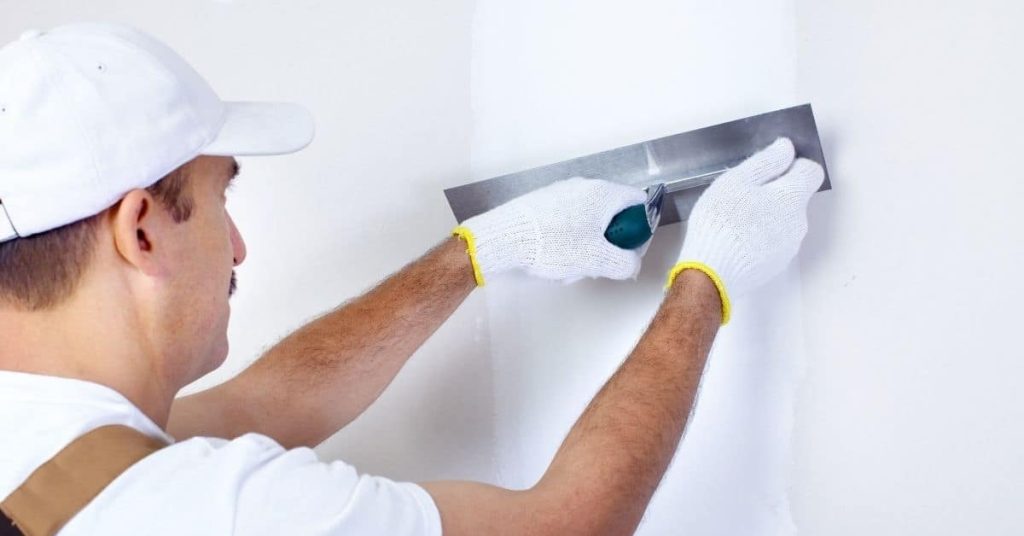
Worker smoothing white plaster wall with metal trowel

Plaster Returns at Deep Windows: Reinforcement That Doesn’t Bulge the Edge

Introduction Reinforcement for plaster returns at deep windows means adding solid edge support so the plaster won’t bulge. In practice you build up a stable, tight edge before the final coat. This keeps the plaster flush and reduces cracking. Use appropriate edging, furring, or metal lath as directed on the product label and by the

Plaster Returns at Deep Windows: Reinforcement That Doesn’t Bulge the Edge Read More »

Worker smoothing plaster on a wall with a trowel

Microcement Over Old Plaster: Bond Layers, Movement Risk, and Sealer Selection

Introduction Microcement over old plaster means applying a thin cement-based coating on top of a plaster substrate with careful surface prep. Start by cleaning the surface and repairing obvious flaws to give the new layer something to grip. Roughen or abrade slightly and use an appropriate bonding primer to improve adhesion. Movement risk comes from

Microcement Over Old Plaster: Bond Layers, Movement Risk, and Sealer Selection Read More »

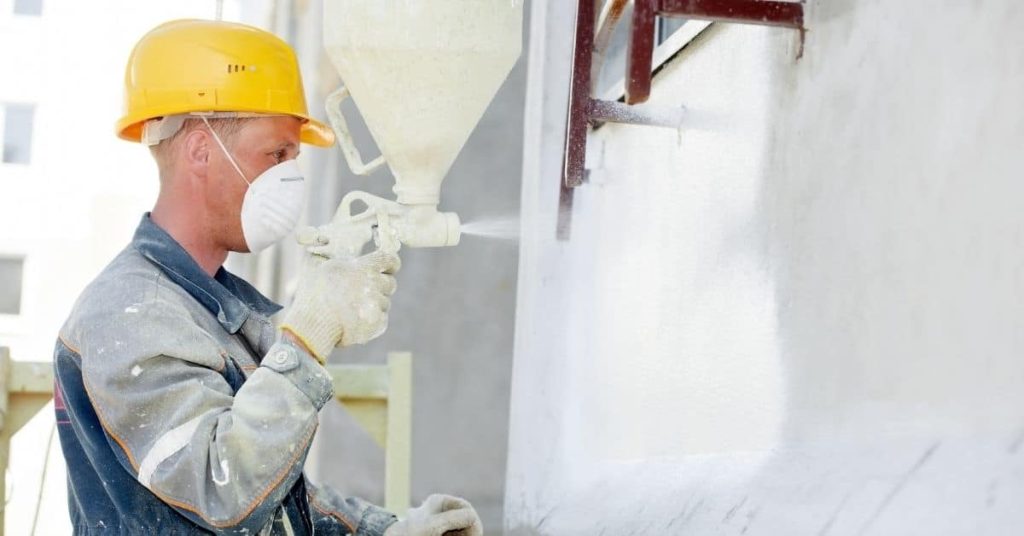
Worker spraying stucco on exterior wall wearing hard hat and mask

Stucco Around Hose Bibs: Sleeves, Sealant Geometry, and Crack Prevention

Introduction Stucco around hose bibs is the practice of enclosing the faucet with a protective sleeve and proper sealant so water stays out. The goal is a tight, weatherproof transition where the hose bib meets the stucco skin. This is a hands-on task, not a theory exercise. Start with correct sleeves and a flush, clean

Stucco Around Hose Bibs: Sleeves, Sealant Geometry, and Crack Prevention Read More »