Search Results for: cement based filler

Fresh concrete pouring onto existing concrete slab

Pouring a Small Concrete Slab Over Existing Concrete: Bonding, Thickness, and Joints

Introduction Pouring a small concrete slab over existing concrete means laying a new concrete layer on top of an existing slab. Before you start, clean and roughen the surface so the new mix can grip. Check the old slab for cracks and moisture and fix obvious issues before pouring. Think about how thick you pour […]

Pouring a Small Concrete Slab Over Existing Concrete: Bonding, Thickness, and Joints Read More »

Smooth white ceiling with recessed lighting fixture hanging

How to Paint Over Cracked Paint: When to Scrape, When to Feather, When to Skim

Introduction Scraping, feathering, or skim coating cracked paint are the three main ways to treat cracked paint before repainting. The choice depends on how deep the cracks are and how smooth you want the surface to be. Check labels and local rules if you need exact limits or product compatibility. Use scraping when paint is

How to Paint Over Cracked Paint: When to Scrape, When to Feather, When to Skim Read More »

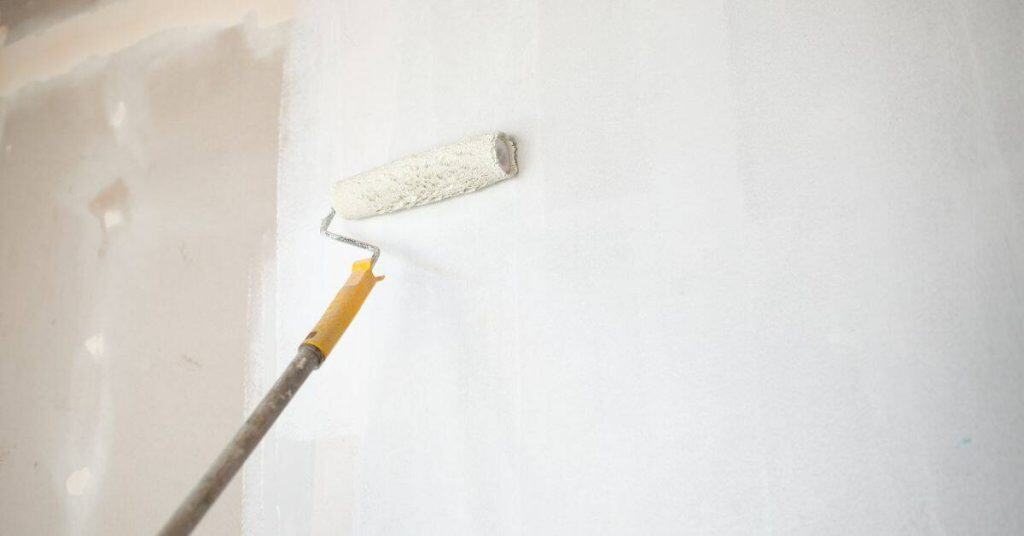
Paint roller applying white primer on drywall

How to Use Shellac Primer Safely Indoors: Ventilation and Cleanup for DIYers

Introduction Shellac primer indoors should be used with good ventilation and careful cleanup. Start by cleaning the surface, removing dust, and fixing any rough spots before you apply. Always check the product label and manufacturer instructions for surface prep and ventilation guidance. When applying, use thin, even coats and follow the grain, avoiding heavy builds.

How to Use Shellac Primer Safely Indoors: Ventilation and Cleanup for DIYers Read More »

Person painting white kitchen cabinets with small brush

How to Paint Glossy Laminate Cabinets Without Peeling (Bonding Primers and Scuff Tests)

Introduction Bonding primers and proper surface prep are what keep glossy laminate cabinets from peeling. This article walks you through practical steps you can take at home to prep, test adhesion, and apply a durable finish. You’ll learn how to evaluate the surface and choose the right primer for a long-lasting bond. Start with a

How to Paint Glossy Laminate Cabinets Without Peeling (Bonding Primers and Scuff Tests) Read More »

Hand spraying paint with air gun spray nozzle

Painting EIFS vs Traditional Stucco: Coating Differences DIYers Miss

Introduction EIFS is an exterior insulation and finish system, while traditional stucco is a cement-based finish applied directly to the substrate. In practice, that means different backing, different moisture paths, and different paint compatibility. The key is to check what your wall is built with and choose coatings that match that system’s expectations. As a

Painting EIFS vs Traditional Stucco: Coating Differences DIYers Miss Read More »

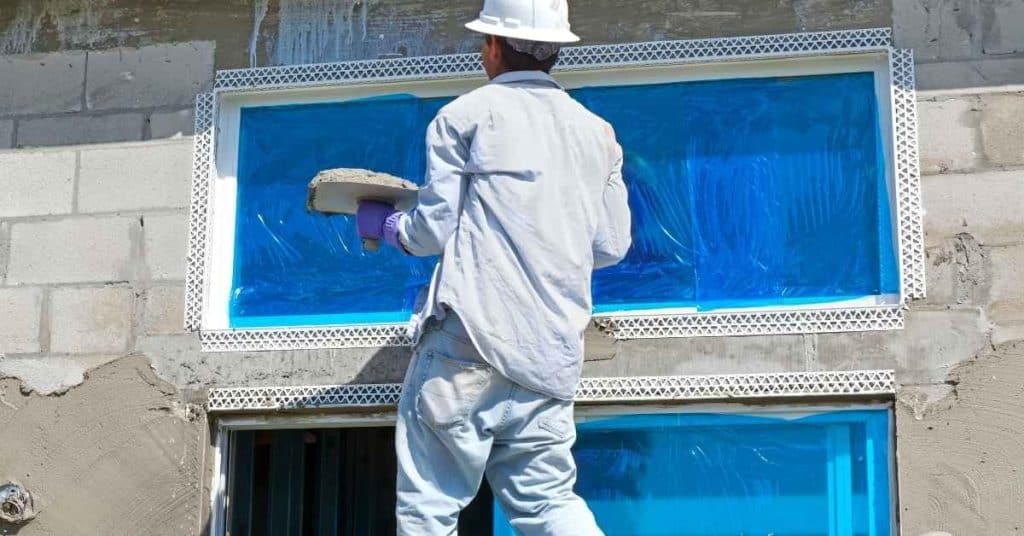
Worker applying stucco around window frames on building exterior

Caulking Stucco to Window Joints: Where to Seal and Where to Leave Drainage

Introduction Caulking stucco to window joints means sealing the gaps where the stucco meets the window frame to keep water out and air in check. It’s a hands-on job that protects the wall and helps prevent leaks. You’ll want to know where not to seal so drainage isn’t blocked and you don’t trap moisture. Start

Caulking Stucco to Window Joints: Where to Seal and Where to Leave Drainage Read More »

Hand sanding a plaster wall with a sanding sponge

Plaster Sanding Mistakes: When Sanding Ruins the Finish and What to Do Instead

Introduction Sanding plaster can ruin the finish if you over-sand or use the wrong grit for the surface. This article explains how to spot the signs and what to do instead. You’ll learn practical, hands-on steps you can take without turning a simple job into a bigger mess. Start by avoiding heavy, broad motions and

Plaster Sanding Mistakes: When Sanding Ruins the Finish and What to Do Instead Read More »

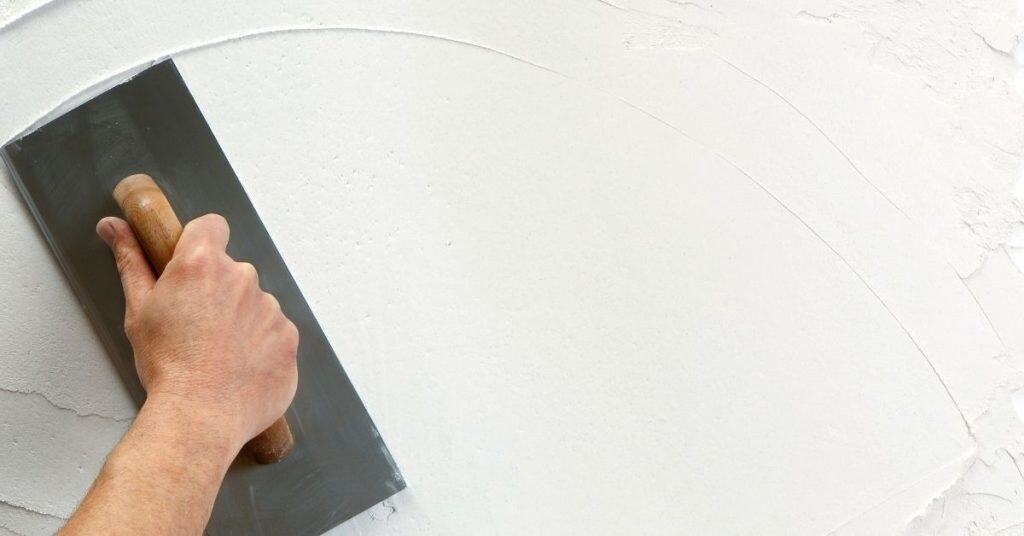
Hand holding trowel smoothing plaster on wall

Plaster Crack Repair That Lasts: Stabilize Movement Before You Patch

Introduction Stabilizing movement before patching means stopping the wall from shifting so the patch can stick. This is a hands-on job, not a quick cover-up. You’ll address the underlying cause first, then patch. Start by locating what’s moving in the wall and take steps to stop it. Secure loose framing with basic fixes and let

Plaster Crack Repair That Lasts: Stabilize Movement Before You Patch Read More »

Blue ladder in room with patched and primed drywall walls

Movement Control at Material Changes: Preventing Cracks Where Walls Meet

Introduction Movement control at material changes means allowing tiny shifts where different building materials meet to prevent cracks. Key takeaways Align movement joints at material change lines to control crack paths. Use proper backing and sealant systems suited to substrate movement. Follow manufacturer guidelines and local codes for joint spacing and materials. Backer rods prevent

Movement Control at Material Changes: Preventing Cracks Where Walls Meet Read More »