Search Results for: cement based filler

Newly poured smooth concrete floor inside an unfinished room

Plastering Directly Over Concrete Ceilings: Bonding Bridges, Suction Control, and Crack Isolation

Introduction Plastering directly over concrete ceilings means applying plaster straight onto a bare concrete surface without a separate bonding layer. It’s a DIY-friendly approach when the surface is solid and clean, but it needs careful prep. I’ll walk you through what to expect and how to stay on track. Bonding bridges help the plaster grab […]


Plastering Directly Over Concrete Ceilings: Bonding Bridges, Suction Control, and Crack Isolation Read More »

Empty concrete parking garage with white pillars and ceiling

Sealing Concrete That’s Still Green: Safe Timing When You Can’t Wait 28 Days

Introduction Sealing concrete that’s still green means applying a sealer before the full curing time is finished. This can trap moisture and interfere with the concrete’s hardening. Always check the product label and local rules to know if sealing early is allowed and what risks to expect. If you can’t wait, use only sealers labeled

Sealing Concrete That’s Still Green: Safe Timing When You Can’t Wait 28 Days Read More »

closeup of textured sand-finish concrete surface

DIY Sand-Finish Concrete: Getting a Fine Texture Without Weak Surface Paste

Introduction DIY Sand-Finish concrete is a surface texture created by applying a fine sand mix to the top to achieve a smooth, speckled look. It’s a hands-on technique that can hide light trowel marks and give the surface a gentle, gritty feel. It’s meant to be practical for a DIY project, not a showroom finish.

DIY Sand-Finish Concrete: Getting a Fine Texture Without Weak Surface Paste Read More »

Worker lifting concrete blocks wearing yellow gloves and helmet

Concrete Steps That Ice Over: Drainage Micro-Details That Reduce Slip Risk

Introduction Drainage micro-details are small design tweaks that keep water from pooling on concrete steps, reducing ice risk. This article walks you through practical, DIY-friendly ideas you can check and adjust on your own. Think in terms of grade, runoff paths, and surface texture rather than fancy products. Check for low spots, blocked drainage, or

Concrete Steps That Ice Over: Drainage Micro-Details That Reduce Slip Risk Read More »

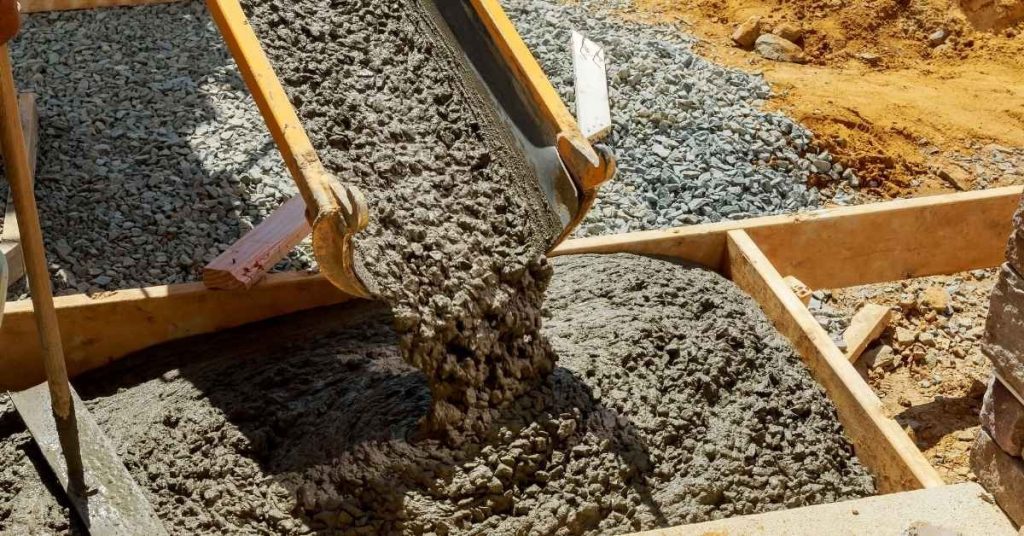
Wet concrete being poured onto a surface

Embedding Magnets in Concrete: Layout, Encapsulation, and Avoiding Rust Stains

Introduction Embedding magnets in concrete means placing magnets inside or just beneath the surface of a poured concrete member so they stay with the concrete. Plan their layout so they don’t interfere with forms or rebar. Keep the magnet placement simple and clear in your form work to avoid surprises during curing. Encapsulation should protect

Embedding Magnets in Concrete: Layout, Encapsulation, and Avoiding Rust Stains Read More »

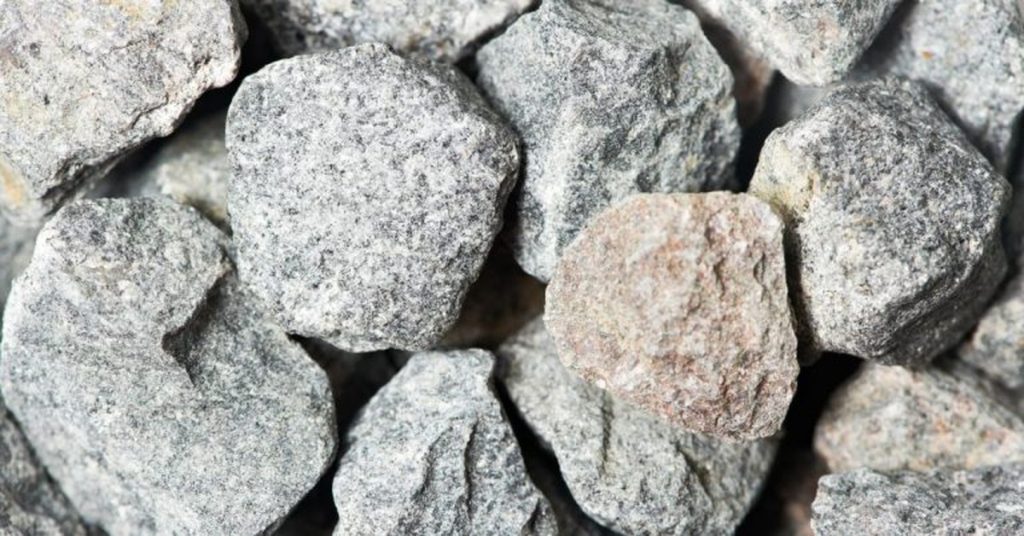
close-up of various sized crushed concrete aggregate stones

Preventing Aggregate Shadowing in Thin Casts: Particle Size, Paste Content, and Vibration

Introduction Aggregate shadowing in a thin cast happens when larger particles block the cement paste, making the surface look uneven. Choose a mix with a good spread of particle sizes, and check the paste content and vibration guidance on the product label. If in doubt, follow the manufacturer’s instructions and local rules for thin applications.

Preventing Aggregate Shadowing in Thin Casts: Particle Size, Paste Content, and Vibration Read More »

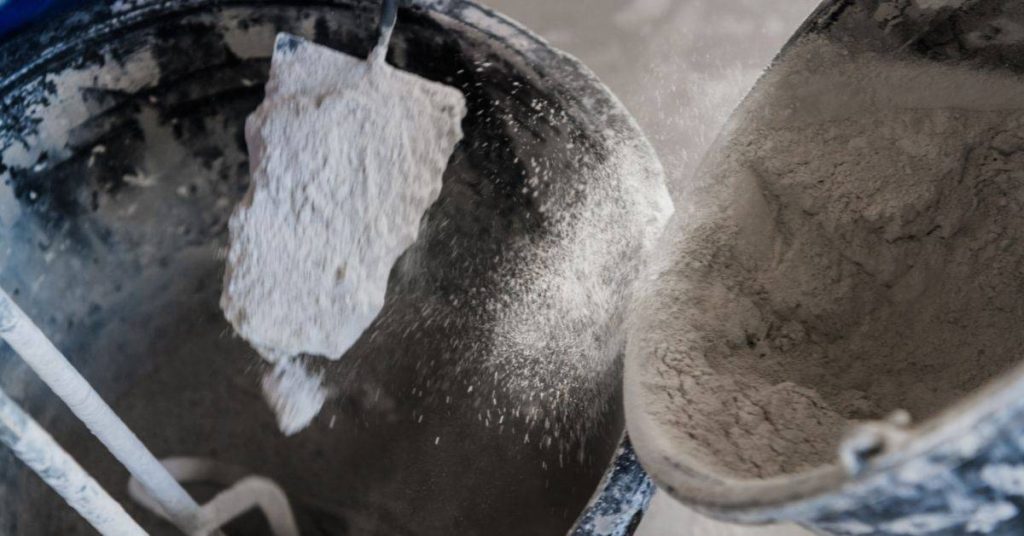
Dry concrete mix being poured into a 5-gallon bucket

Concrete Mixing in 5-Gallon Buckets: Repeatable Ratios for Small Projects

Introduction Concrete mixing in 5-gallon buckets is making small batches of concrete using a bucket as your mixing vessel. This approach works well for quick patches, tiny fills, and simple touchups. You’ll typically combine materials in small, single-session batches. Keep the mix consistent so you get a uniform texture each time. Use clean buckets, a

Concrete Mixing in 5-Gallon Buckets: Repeatable Ratios for Small Projects Read More »

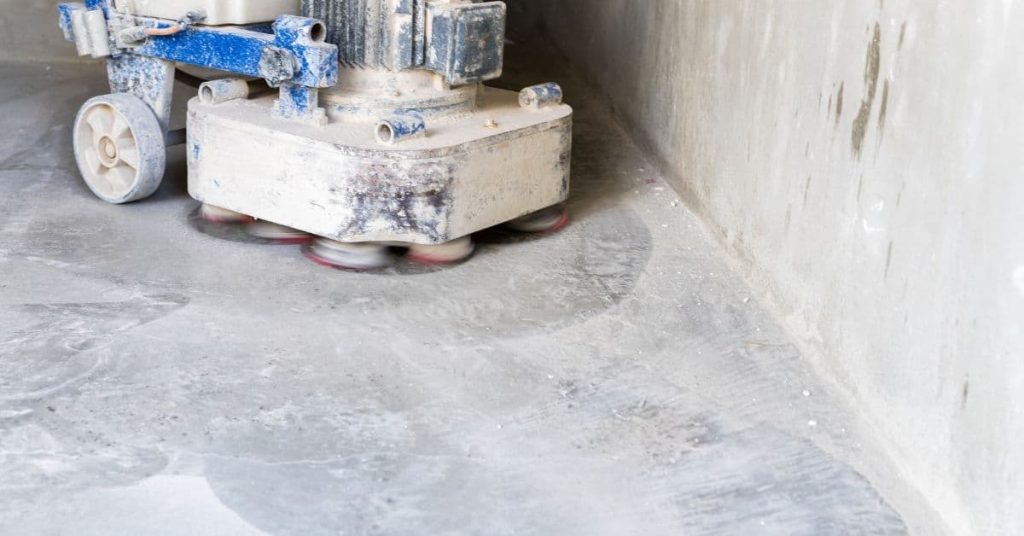
Concrete floor grinding machine smoothing surface near wall

Fixing Trip Hazards by Grinding: How Much You Can Remove Before You Create New Problems

Introduction Grinding to fix trip hazards is removing small amounts of material from high spots so the surface becomes even. Do not remove more than necessary, since over-grinding can create new problems. Check the material, tool, and surface before you start, and follow manufacturer instructions and local rules. Do small passes and check your progress

Fixing Trip Hazards by Grinding: How Much You Can Remove Before You Create New Problems Read More »

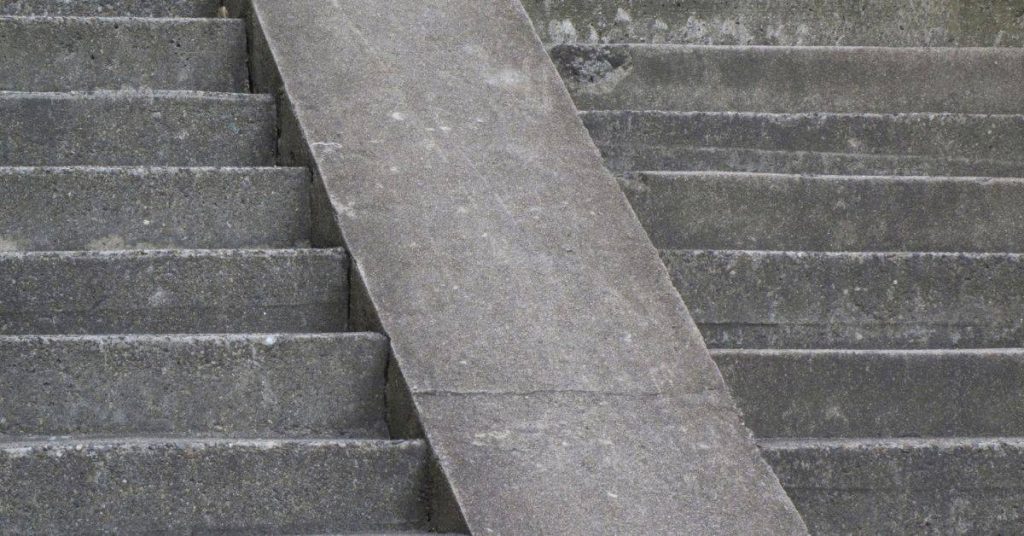
Concrete stairs with a smooth concrete ramp in the middle

Finishing Concrete Along Stairs and Steps: Clean Risers, Tight Corners, and No Ragged Edges

Introduction Finishing concrete along stairs and steps means smoothing and shaping risers and treads to remove ridges and achieve clean, even faces. This work uses hand tools and careful edging to keep joints tight and consistent along each stair edge. The goal is a safe, neat look that lasts without ragged edges. Start by outlining

Finishing Concrete Along Stairs and Steps: Clean Risers, Tight Corners, and No Ragged Edges Read More »