Search Results for: brown concrete

Worker applying stucco to block wall near windows covered in blue plastic

Mixing Stucco for Repairs: Sand Gradation, Lime Content, and Workability Tips

Introduction Mixing stucco for repairs means blending cement, sand, and lime to get a durable, workable patch that matches the existing surface. Use sand graded for stucco (check the product label or supplier gradation), add lime for flexibility per manufacturer guidance, and adjust water until the mix holds shape without slumping. Aim for a consistency […]

Mixing Stucco for Repairs: Sand Gradation, Lime Content, and Workability Tips Read More »
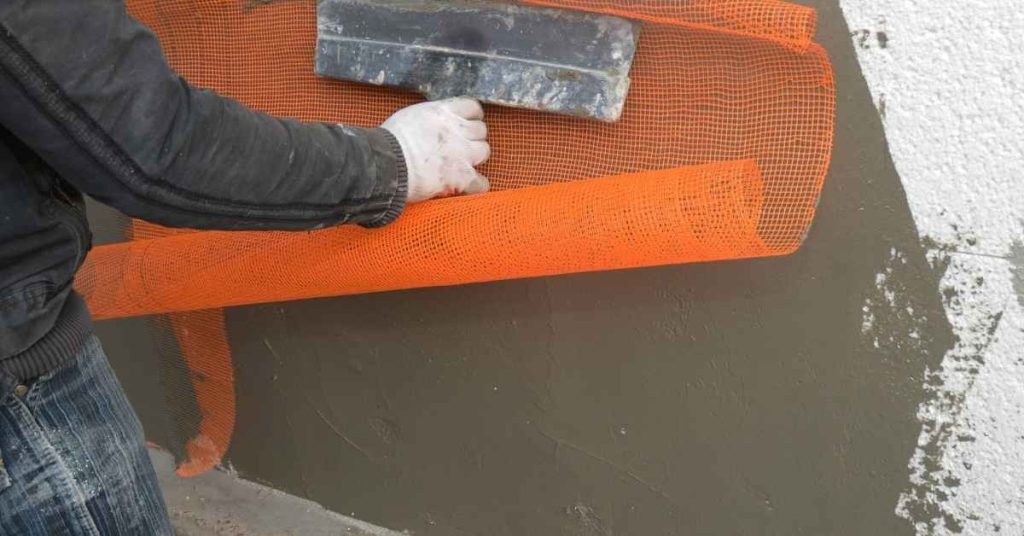
Worker applying orange mesh onto wet stucco on wall

Stucco Over ICF Walls: A Step-by-Step Timeline for Successful Application

Introduction The process of applying stucco over insulated concrete form (ICF) walls involves several stages that require careful planning and timing. Understanding the timeline is crucial to ensure a successful outcome. In this guide, we’ll break down the process into manageable steps, outlining how long each stage takes, so you can plan your project effectively.

Stucco Over ICF Walls: A Step-by-Step Timeline for Successful Application Read More »

Worker applying stucco render on cinder block wall using trowel

How Long Does It Take to Identify EIFS vs Hard-Coat Stucco: A Step-by-Step Timeline

Introduction Identifying whether your home’s exterior walls are covered in EIFS or hard-coat stucco is a crucial first step before any repair or maintenance work. But how long does this process take? In this guide, we’ll walk you through the timeline of identifying these systems, from initial visual checks to performing simple on-wall tests, ensuring

How Long Does It Take to Identify EIFS vs Hard-Coat Stucco: A Step-by-Step Timeline Read More »

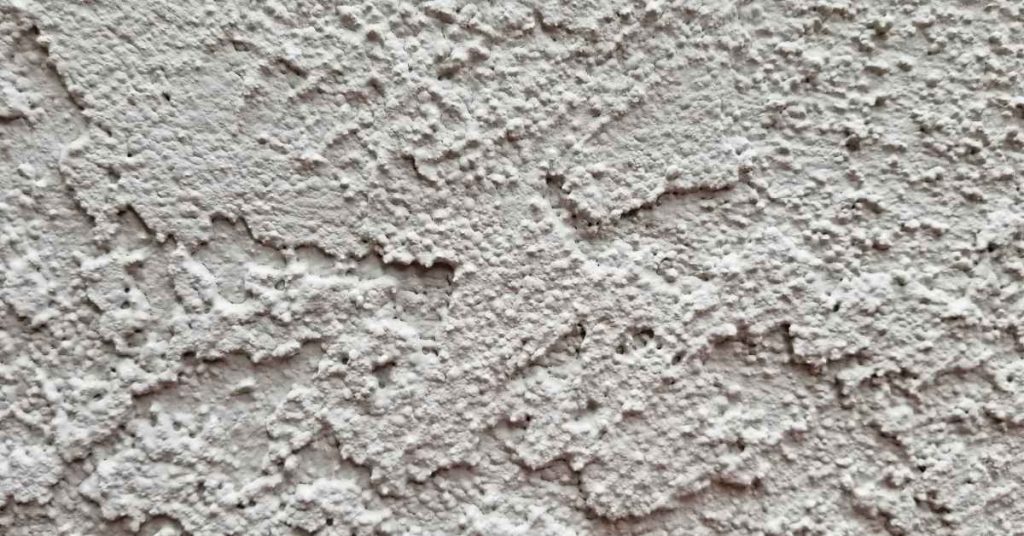
Close-up of rough white stucco wall texture

Stucco Moisture Meter Readings: A Step-by-Step Timeline for Accurate Results

Introduction Understanding stucco moisture meter readings is crucial, but knowing when and how to take these readings is equally important. This step-by-step guide walks you through the timeline of testing your stucco walls, ensuring accurate results and minimal damage. Whether you’re a seasoned DIYer or a first-time homeowner, following this timeline will help you maintain

Stucco Moisture Meter Readings: A Step-by-Step Timeline for Accurate Results Read More »

Close-up of blue stucco wall texture with visible rough surface

Diagnosing Moisture Behind Stucco: A Step-by-Step Timeline for DIY Inspections

Introduction Uncovering moisture behind stucco involves a systematic process that requires time and patience. Understanding the timeline of each step is crucial to ensure you don’t cause further damage or miss any critical signs. This guide walks you through the entire process, from initial inspections to final assessments, with clear timelines for each task. Let’s

Diagnosing Moisture Behind Stucco: A Step-by-Step Timeline for DIY Inspections Read More »

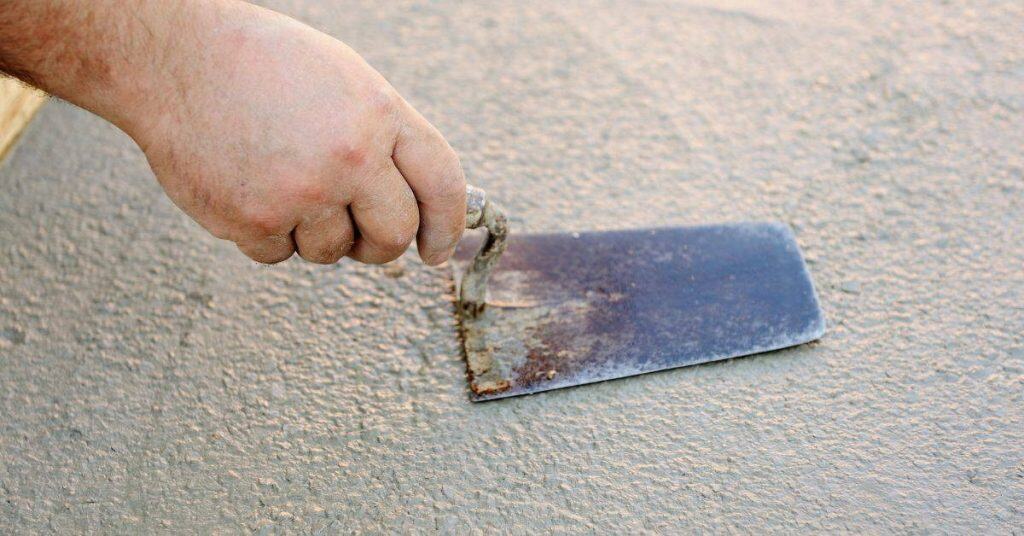
Hand holding a rusty trowel on a stucco surface

Stucco Layers and Purpose: How Each Coat Works and What Failures Look Like When One Is Wrong

Introduction Stucco layers are a sequence of coats—usually a scratch or bonding layer, a brown or leveling layer, and a finish coat—each serving to bond, build thickness, and protect or texture the wall. In plain jobsite terms: the first coat grabs the mesh and substrate, the middle builds out thickness and straightens the plane, and

Stucco Layers and Purpose: How Each Coat Works and What Failures Look Like When One Is Wrong Read More »

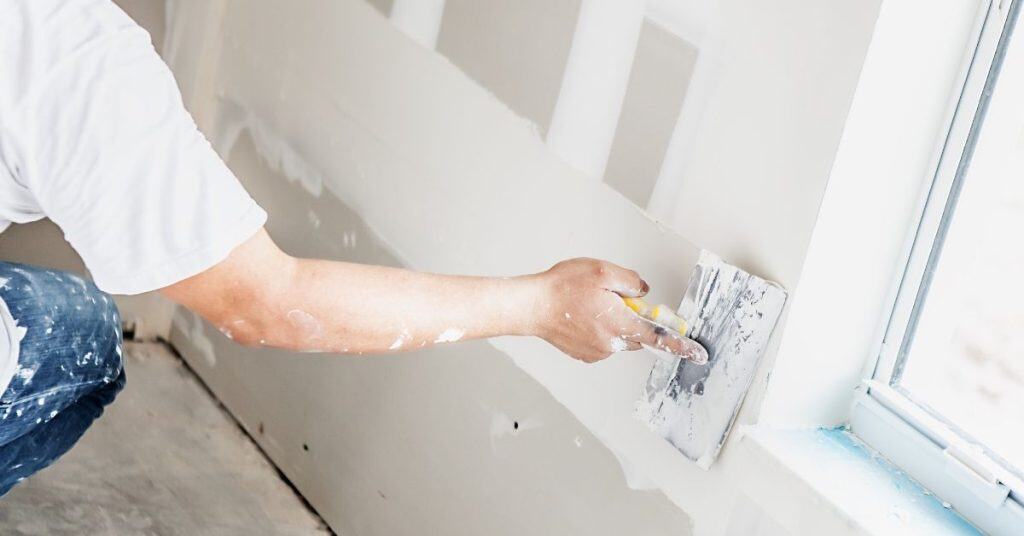
Person applying drywall joint compound near window

Choosing Plaster vs Joint Compound for Repairs: Durability, Sanding, and Paint Finish Differences

Introduction Plaster is a harder-setting wall finish made from cement- or gypsum-based mixes, while joint compound is a softer, gypsum-based product meant for taping and small repairs. For DIYers that means plaster will hold up better in high-traffic areas and where impact resistance matters, and joint compound is easier to apply and feather for small

Choosing Plaster vs Joint Compound for Repairs: Durability, Sanding, and Paint Finish Differences Read More »

Brick chimney with metal flashing on shingled roof

How to Rebuild Stucco at a Chimney Cricket: Flashing Integration Without Leaks

Introduction Rebuilding stucco at a chimney cricket means removing damaged material, repairing the substrate, and re-flashing the cricket so water is directed away from the chimney without leaks. This is a hands-on DIY task that combines cutting back stucco, checking and repairing the underlying sheathing and metal flashing, and installing compatible stucco layers. Before you

How to Rebuild Stucco at a Chimney Cricket: Flashing Integration Without Leaks Read More »

Smooth light blue painted stucco wall surface

Stucco Blisters Under Finish Coat: Causes, Cutback Rules, and Rebuild Steps

Introduction Stucco blisters under the finish coat are pockets of trapped moisture or air beneath the surface layer that lift the finish and can lead to cracking or detachment. In plain jobsite terms, they usually mean water got into the wall system, the assembly dried poorly, or the underlying base or lath bond failed. I’ll

Stucco Blisters Under Finish Coat: Causes, Cutback Rules, and Rebuild Steps Read More »