Search Results for: brick joint height

Brick chimney with smoke against clear blue sky

Chimney Stucco Cracks and Stains: Causes, repairs, and prevention

Introduction Chimney stucco cracks and stains are exterior flaws in the stucco coating caused by movement, moisture, or dirty runoff. These issues can signal underlying water intrusion or surface aging that needs attention. Identifying the cause helps you choose a safe, practical repair plan you can do yourself. Look for hairline cracks, efflorescence, or dark […]

Chimney Stucco Cracks and Stains: Causes, repairs, and prevention Read More »

Worker smoothing plaster on wall with trowel

Tadelakt Maintenance: Keeping water resistance without constant rework

Introduction Tadelakt maintenance is the ongoing care of a lime plaster finish to preserve water resistance. It relies on keeping the surface clean, timely repairs, and periodic re-waxing or sealing as needed. If you notice water infiltration or dull spots, check the product labels and follow the manufacturer guidance. In practice, you can spot-treat small

Tadelakt Maintenance: Keeping water resistance without constant rework Read More »

Concrete countertop with integrated sink and black faucet

Concrete Countertop Forms: Melamine vs Plastic vs Silicone Edges (Best Options)

Introduction Edge forms for a concrete countertop include melamine, plastic, and silicone options that shape and support the pour as it cures. Each type offers a different surface finish and release feel, so you’ll want to align your choice with the project needs. Always check the product label and manufacturer instructions, and confirm any local

Concrete Countertop Forms: Melamine vs Plastic vs Silicone Edges (Best Options) Read More »

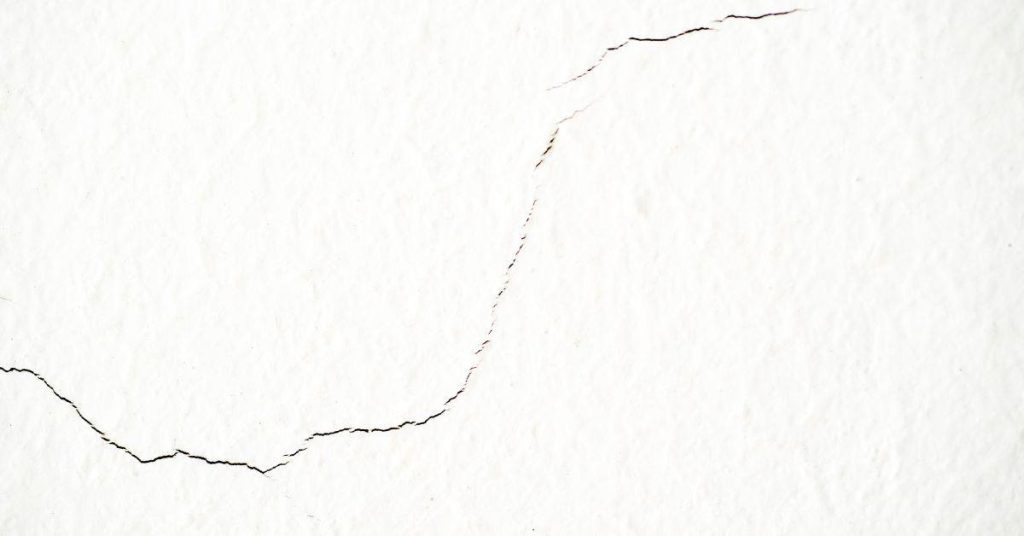
Close-up of thin crack on white stucco wall surface

Modulus of Rupture vs Compressive Strength: What Matters for Thin Overlays

Introduction MOR, or modulus of rupture, is a measure of how much bending a material can withstand before cracking. Compressive strength is how much load a material can bear when squeezed. For thin overlays, MOR often matters for crack resistance under bending, while compressive strength relates to overall crush resistance. Testing MOR usually involves bending

Modulus of Rupture vs Compressive Strength: What Matters for Thin Overlays Read More »

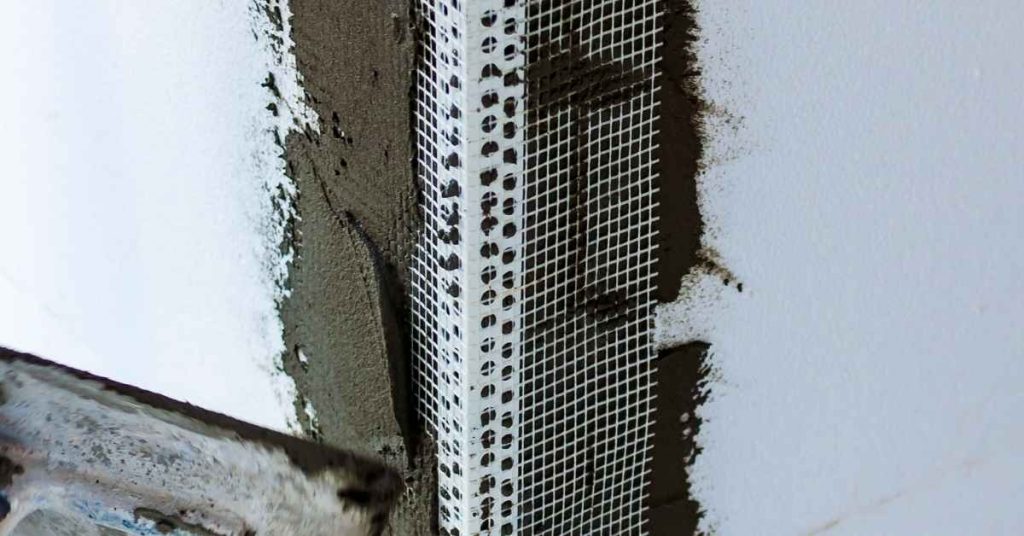
White mesh embedded in wet stucco on white wall surface

Stucco Over ICF Walls: Mesh, Fasteners, and Crack Control at Openings

Introduction Stucco over ICF walls means applying a cement-based veneer to insulated concrete forms using a proper weather-resistive layer, reinforcement mesh, and secure fasteners so the finish sticks and moves with the wall. This job needs the right mesh type, fastener method, and detailing at windows and doors to control cracking; check the stucco manufacturer’s

Stucco Over ICF Walls: Mesh, Fasteners, and Crack Control at Openings Read More »

Hand marking wall near electronic stud finder device

Stucco Clearance Over Walkways: How to Fix Wicking Without Full Removal

Introduction Stucco clearance over walkways means keeping the bottom edge of an EIFS or stucco finish high enough and detailed so moisture doesn’t wick into the walking surface; in plain terms, it’s about creating a gap and proper flashing so water drains away instead of soaking the path. For DIYers that can mean trimming finish,

Stucco Clearance Over Walkways: How to Fix Wicking Without Full Removal Read More »

Hand applying plaster to wall with trowel

Veneer Plaster Repairs: Feathering, Timing, and Avoiding Hollow Spots

Introduction Veneer plaster repairs are the process of fixing damaged plaster by feathering new material into the old so the wall looks continuous and solid. This means assessing whether the existing veneer is well-bonded, cleaning and wetting the surface, and choosing a compatible patching mix and bonding method. I’ll focus on practical steps you can

Veneer Plaster Repairs: Feathering, Timing, and Avoiding Hollow Spots Read More »

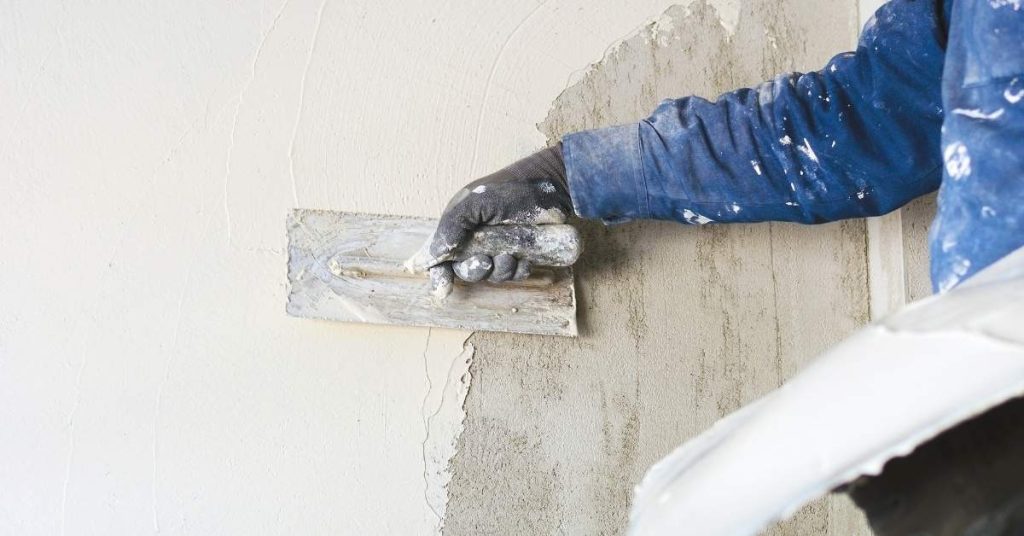
Man smoothing plaster on wall with float tool

How to Get Dead-Flat Plaster Walls: Straightedge Checks and Build-Up Strategy

Introduction Getting dead-flat plaster walls means using straightedge checks and a stepwise build-up of layers until any high or low spots are leveled out. It’s a practical process of finding the worst deviations, feathering in material, and rechecking with a straightedge until the surface reads flat to the eye and tool. Expect to use joint

How to Get Dead-Flat Plaster Walls: Straightedge Checks and Build-Up Strategy Read More »

Thick yellow paint strokes on a white surface

Mineral Paint vs Acrylic on Masonry: Breathability, Washability, and Best Use Cases

Introduction Mineral paint is a thin, breathable coating made from mineral binders that soaks into masonry while acrylic is a film-forming paint that sits on the surface and sheds water. For DIY use, think mineral paint where you need vapor permeability and historical compatibility, and acrylic where you need tougher washability and abrasion resistance. Check

Mineral Paint vs Acrylic on Masonry: Breathability, Washability, and Best Use Cases Read More »