Search Results for: brick joint height

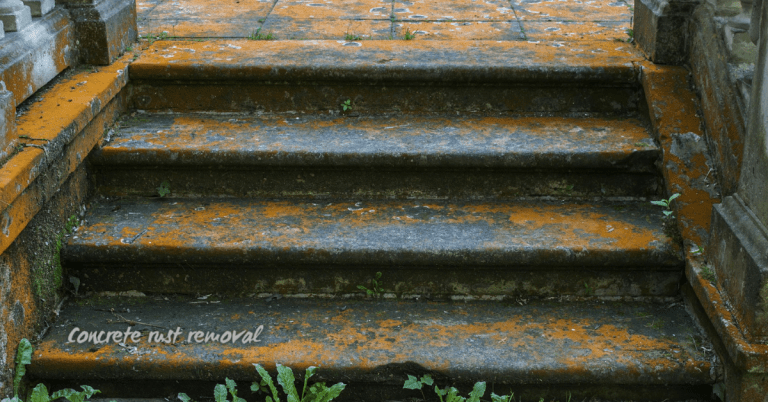
Concrete steps with orange rust stains and some plants growing

DIY Salt Damage Prevention for Steps: Pre-Winter Sealer Checks and Drainage Tweaks

Introduction Salt damage prevention for steps means preparing concrete stairs to resist freeze-thaw and salt exposure before winter. This involves inspecting surfaces, cleaning debris, and checking the edge seals so water and salt don’t penetrate. Keep an eye on cracks or chips and plan resealing if you spot trouble. Before the cold sets in, look […]

DIY Salt Damage Prevention for Steps: Pre-Winter Sealer Checks and Drainage Tweaks Read More »
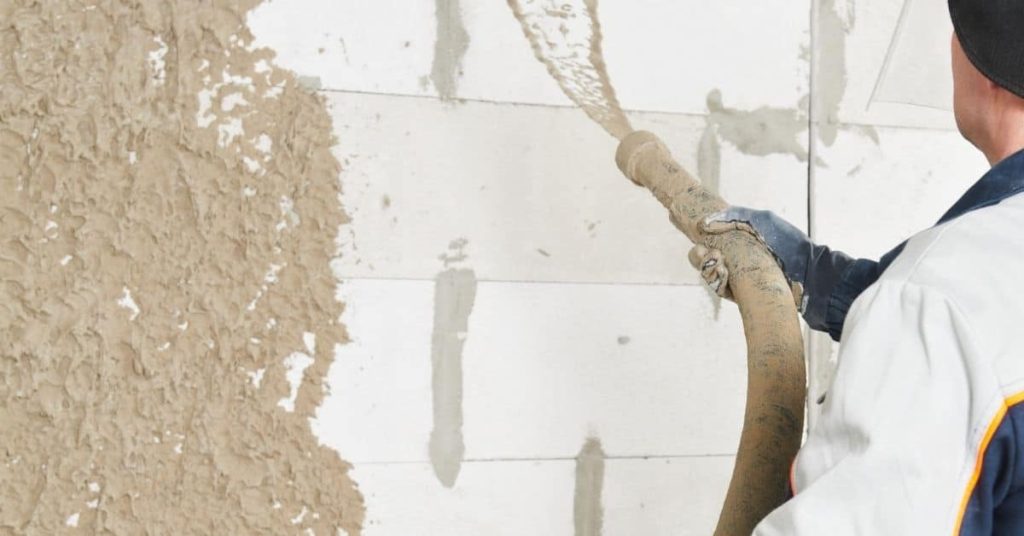
Worker spraying brown stucco on white wall

Adding Blocking Behind Stucco for Mounts: Finding Studs and Keeping Drainage Paths

Introduction Blocking behind stucco provides a solid mount point that the hardware can bite into. To find studs behind stucco, look for the interior framing and intended anchor points, and test suspected areas with a stud finder or by tapping and listening. Check manufacturer instructions and local rules for acceptable methods, and proceed only after

Adding Blocking Behind Stucco for Mounts: Finding Studs and Keeping Drainage Paths Read More »

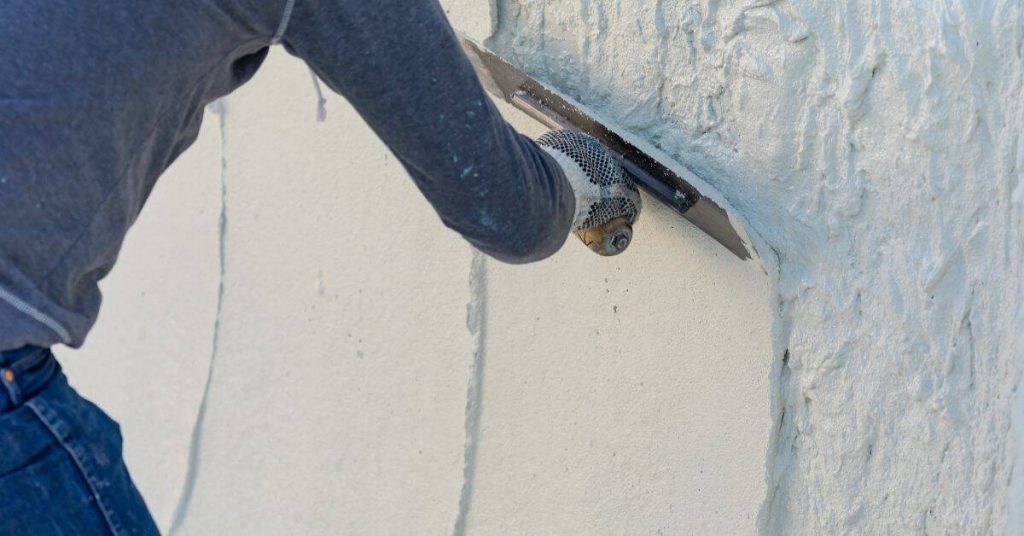
Person applying stucco texture on exterior wall

Running Exterior Cables on Stucco: Straps, Anchors, and Waterproof Penetrations

Introduction Running exterior cables on stucco involves securing the cable with appropriate straps or anchors and sealing any penetrations to keep moisture out. Do it with care, choosing hardware rated for outdoor use and compatible with stucco surfaces. Plan routes and clean the surface before mounting to avoid damage and ensure solid footing. Types of

Running Exterior Cables on Stucco: Straps, Anchors, and Waterproof Penetrations Read More »

Wooden lath exposed behind damaged plaster wall

Repairing Plaster Where Lath Is Loose: Refastening vs Replacing and How to Decide

Introduction Repairing plaster where lath is loose means choosing between refastening the existing lath and replacing damaged lath. This article helps you decide which path fits your wall and how to do it safely. It keeps things practical and ready for a DIY project, not a textbook. To decide, start by locating loose lath and

Repairing Plaster Where Lath Is Loose: Refastening vs Replacing and How to Decide Read More »

Close-up of decorative plaster floral relief pattern

Sgraffito on Lime Plaster: Layering Colors, Cutting Timing, and Protecting the Artwork

Introduction Sgraffito on lime plaster is a decorative technique where you scrape away a colored top layer to reveal a contrasting color beneath. It relies on careful layering of lime plaster and pigment, followed by controlled cutting to create that contrast. Make sure you verify weather conditions, surface preparation, and product instructions before starting. Start

Sgraffito on Lime Plaster: Layering Colors, Cutting Timing, and Protecting the Artwork Read More »

Red brick house exterior with two garage doors and chimney

Drainage for Exterior Stairs and Landings: Small Grading Tweaks That Prevent Icy Sheets

Introduction Drainage for exterior stairs and landings means shaping and directing water away so the surfaces stay safe and dry. Keep a clear slope away from the door and across each tread, and use simple edging or a shallow path to guide water toward a drain or into the surrounding ground. Check your local rules

Drainage for Exterior Stairs and Landings: Small Grading Tweaks That Prevent Icy Sheets Read More »

Close up of concrete floor grinding machine in use

Fixing Trip Hazards on Sidewalks: Grinding Limits, Overlay Risks, and Code-Ish Thresholds

Introduction Trip hazards on sidewalks are uneven or crowned surfaces that can snag a foot and cause a fall. For a DIY approach, start by evaluating where and how the surface is out of plane and plan gentle corrections rather than drastic reshaping. Keep changes modest, clearly mark the area, and work in daylight to

Fixing Trip Hazards on Sidewalks: Grinding Limits, Overlay Risks, and Code-Ish Thresholds Read More »

Hand applying green paint with roller on taped surface

Why Stucco Paint Peels: Coating compatibility and moisture red flags

Introduction Paint on stucco peels mainly because the coating loses adhesion from moisture or from incompatibility with the surface. That means the top layer isn’t gripping the stucco or is being pushed loose by moisture behind it. A proper diagnosis starts with checking the surface for signs of moisture and poor bonding. Before repainting, inspect

Why Stucco Paint Peels: Coating compatibility and moisture red flags Read More »

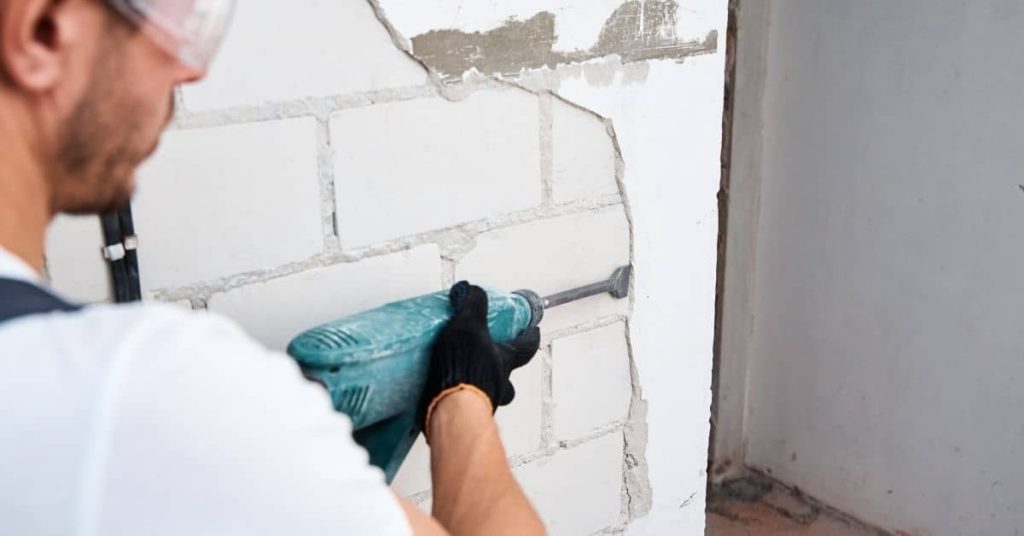
Worker using electric chisel removing stucco from wall

Stucco Bottom Edge Crumbling: Fixing wicking and keeping the base dry

Introduction Crumbling stucco at the bottom edge happens when moisture wicks into the base and weakens the coating. This article covers a practical DIY approach to stop the leak, remove damaged material, and start a proper patch. Check your local rules and product labels for compatibility and any safety steps. Start by cleaning the edge,

Stucco Bottom Edge Crumbling: Fixing wicking and keeping the base dry Read More »

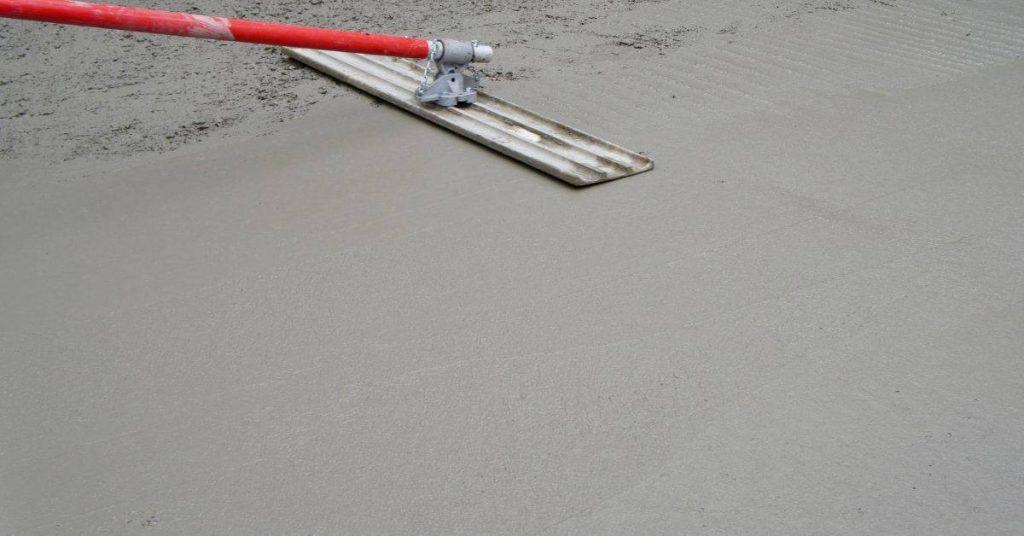
Long-handled tool smoothing fresh concrete slab surface

Concrete Paste vs Aggregate Balance: Why some slabs finish smooth and others tear

Introduction A smooth concrete slab starts with a proper paste-to-aggregate balance and clean finishing technique. Too much paste or too little can cause a rough touch or surface tearing; using the right balance alongside the standard finishing steps helps the surface stay uniform. Always verify with the product label or local guidelines if you’re unsure

Concrete Paste vs Aggregate Balance: Why some slabs finish smooth and others tear Read More »