Search Results for: brick joint height

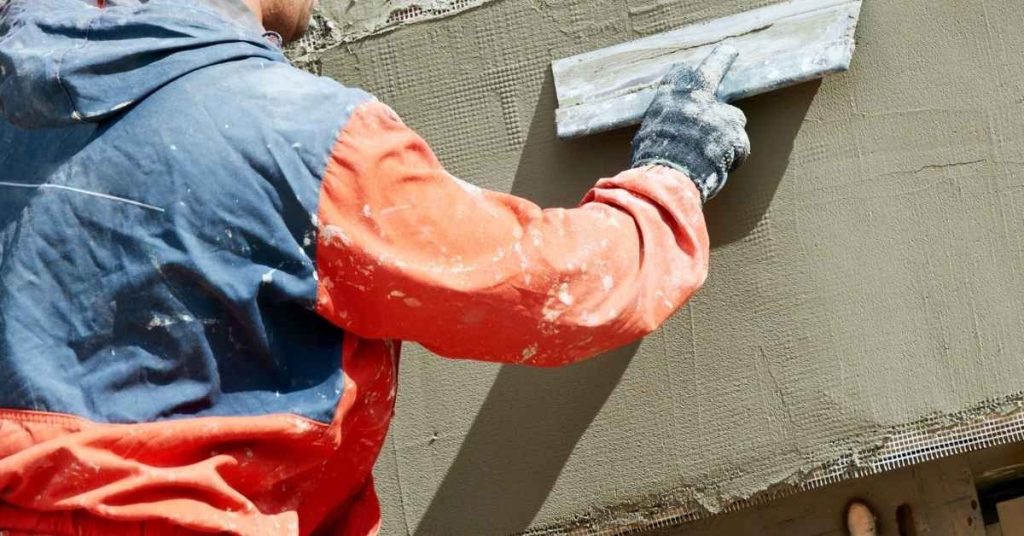
Worker smoothing plaster on wall with trowel

Curved Wall Plaster Repairs: Feathering Without Creating Flat Spots

Introduction Feathering curved wall plaster repairs means blending new plaster into a curved surface so the seam disappears. Keep the edges thin and gradually widen the feather so you don’t leave a detectable transition. Check the work by stepping back and looking for a consistent curve and light reflections. Use a light touch and work […]

Curved Wall Plaster Repairs: Feathering Without Creating Flat Spots Read More »
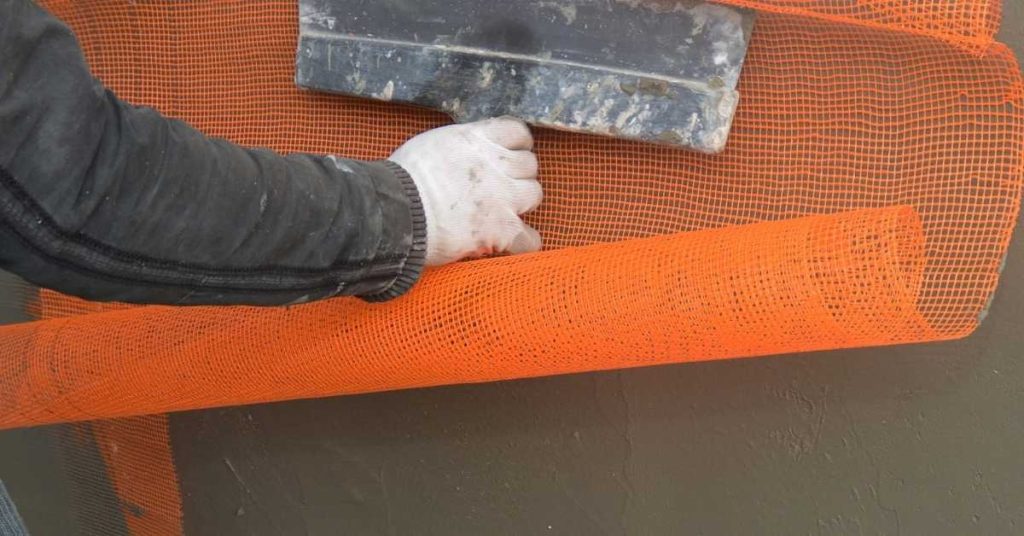
Person applying orange fiberglass mesh onto wet stucco surface

Cracks Over Framing in Stucco: Reinforcement Mesh Patterns That Actually Hold

Introduction Reinforcement mesh helps prevent cracks where stucco meets framing. Different mesh patterns distribute movement across a crack and across corners, so choose one that fits your wall and framing. Always check manufacturer and local guidance for mesh type, installation height, and any soak-in or primer requirements. For a DIY install, plan your mesh pattern

Cracks Over Framing in Stucco: Reinforcement Mesh Patterns That Actually Hold Read More »

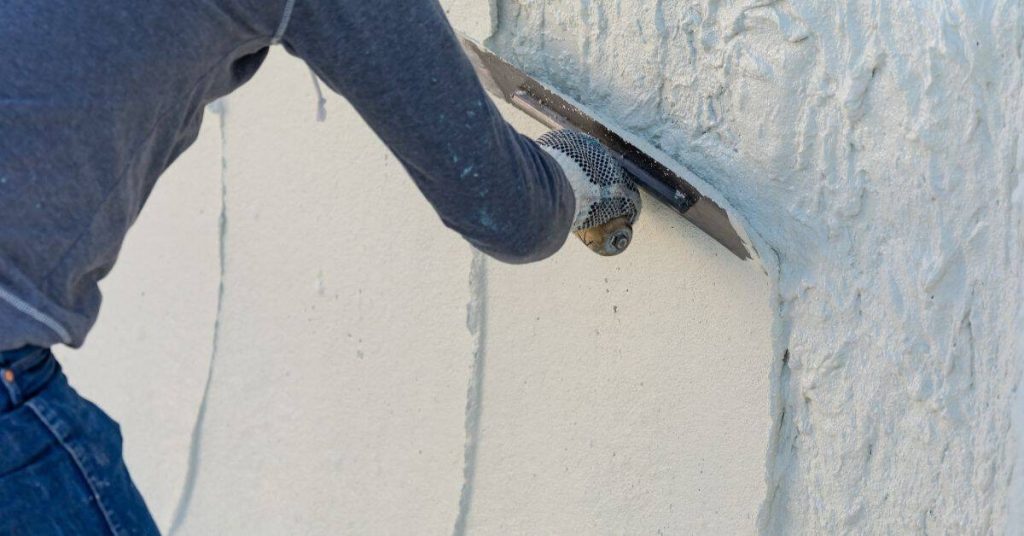
Person applying stucco to wall with trowel

Stucco Window Sills Done Right: Slope, End Dams, and Rot Prevention

Introduction This is about making stucco window sills that shed water properly and resist rot. You’ll focus on the right slope, install end dams, and plan for long-lasting rot prevention. Tackle it like a practical DIY project with common tools and careful flashing. Choose materials and details that stand up to moisture, and verify with

Stucco Window Sills Done Right: Slope, End Dams, and Rot Prevention Read More »

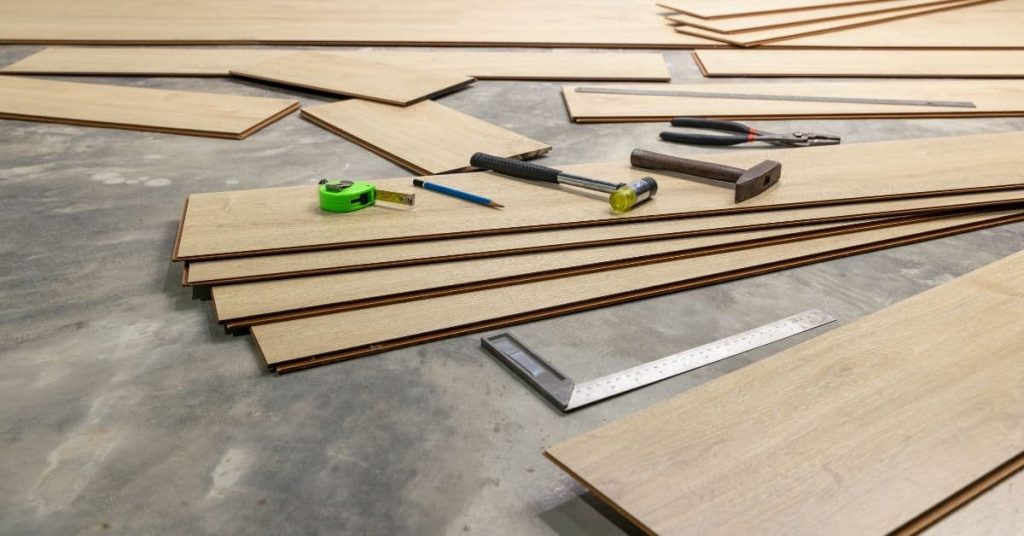
Vinyl plank flooring pieces and tools on concrete floor

Supplementary Cementitious Materials for Efflorescence Control: What Actually Reduces Salts

Introduction Supplementary Cementitious Materials reduce efflorescence by limiting the salts that migrate to the surface. They work with the cement mix to slow water movement and bind minerals. In DIY terms, think of them as additives that help the concrete breathe less and stay drier. Efflorescence is the white, powdery salt that shows up on

Supplementary Cementitious Materials for Efflorescence Control: What Actually Reduces Salts Read More »

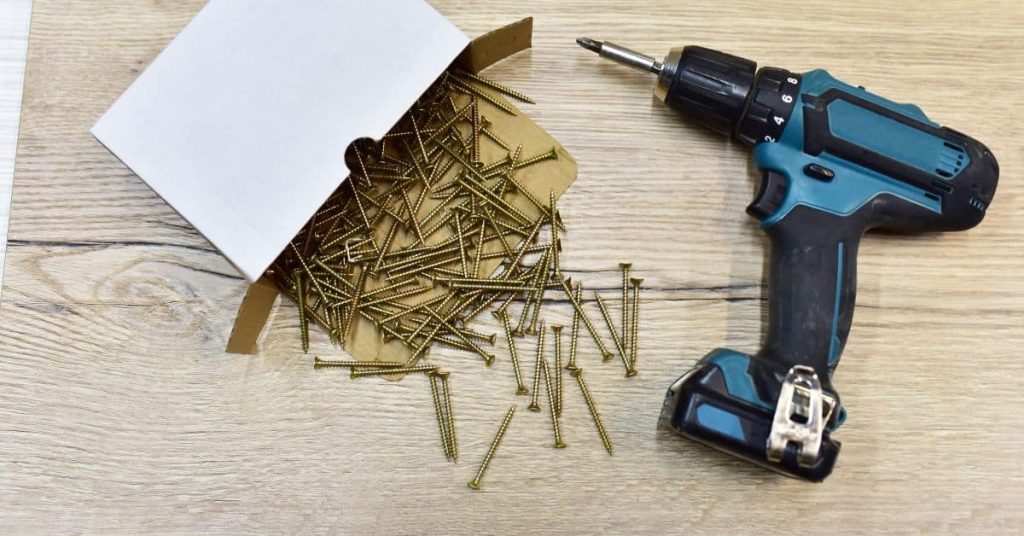
Cordless drill next to scattered box of screws on wood surface

How to Make Temporary Wet Screed Rails: Pipe, Wood, and Why Some Methods Leave Weak Lines

Introduction Temporary wet screed rails are temporary guides used to shape a wet concrete screed with straight edges. They can be made from pipes or boards that are set level and supported to leave clean, even lines. This intro covers how to choose materials and set up without leaving weak spots. What you do next

How to Make Temporary Wet Screed Rails: Pipe, Wood, and Why Some Methods Leave Weak Lines Read More »

Person spraying paint on white interior wall wearing protective gear

Painting Stucco After Patch Repairs: Timing, Primers, and Avoiding Halo Rings

Introduction Painting stucco after patch repairs means applying a fresh coat once patched areas have fully cured to protect and blend with the rest of the wall. Treat the patched spots as part of the surface and plan for color uniformity across the whole wall. Avoid rushing the cure; follow product labels and local rules

Painting Stucco After Patch Repairs: Timing, Primers, and Avoiding Halo Rings Read More »

Person applying stucco texture to exterior foam wall

Stucco + Exterior Foam Additions: Transition Details That Keep Drainage Paths Open

Introduction This approach combines stucco with exterior foam to manage drainage and keep water from standing against the foundation. It adds an insulating layer outside the wall and creates a smooth receiver for the stucco finish. You’ll want to plan how drainage paths remain open while the layers are installed and sealed. For DIY work,

Stucco + Exterior Foam Additions: Transition Details That Keep Drainage Paths Open Read More »

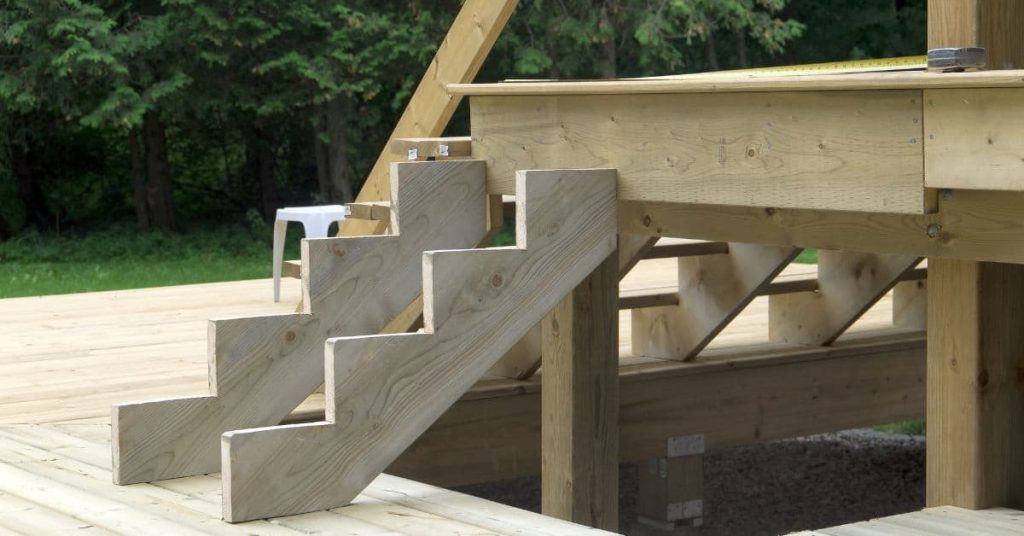
Wooden stair stringers attached to deck frame outdoors

Stucco Around Deck Ledger Boards: Waterproofing Details That Don’t Rely on Caulk

Introduction Stucco around a deck ledger boards is a method to seal and protect the joint where the deck meets the house. It relies on proper transitions and flashing rather than relying on caulk as the main waterproofing tool. The goal is to keep water from getting behind the stucco and into the wall cavity.

Stucco Around Deck Ledger Boards: Waterproofing Details That Don’t Rely on Caulk Read More »

Freshly poured concrete slab indoors under natural light

Choosing a Diamond Blade: Segmented vs Turbo vs Continuous for Concrete and Masonry

Introduction A diamond blade is a cutting wheel that uses industrial diamonds to slice through concrete, masonry, and similar materials. The common styles are segmented, turbo, and continuous. Each type has its own trade-offs, so the right pick depends on your material and cut. Cutting with these blades can be done wet or dry, but

Choosing a Diamond Blade: Segmented vs Turbo vs Continuous for Concrete and Masonry Read More »

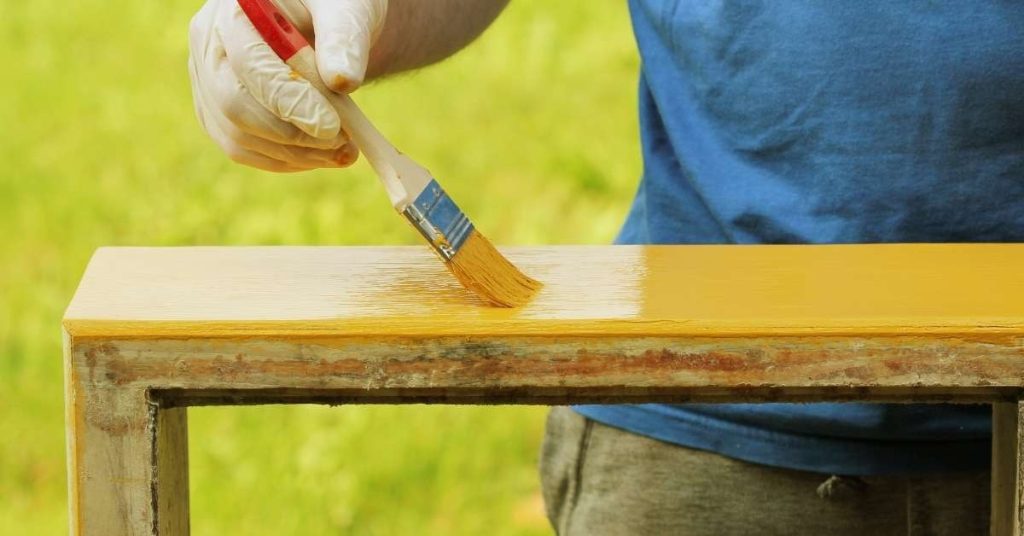
Person painting wooden frame with yellow paint brush

Painting Masonry Indoors: Managing Moisture Drive and Picking a Mineral Coating

Introduction Painting masonry indoors is about selecting a mineral coating and managing moisture to prevent staining and failure. Understanding moisture drive helps you spot efflorescence (mineral deposits) and mold so you treat the wall correctly. This article gives a hands-on, plain-English guide for safely assessing walls, cleaning where needed, and choosing a coating that resists

Painting Masonry Indoors: Managing Moisture Drive and Picking a Mineral Coating Read More »