Search Results for: best waterproof paint for basement walls

Concrete beam skeleton frame under clear blue sky

Stopping Leaks at Concrete Cold Joints: Injection Options and Negative-Side Coatings

Introduction A concrete cold joint is a seam that forms when pours stop and then resume, creating a potential weak point where water can seep through. Leaks at these joints happen when the joint isn’t bonded or sealed well enough, especially under pressure or through capillary paths. For a DIY approach, this article covers practical […]

Stopping Leaks at Concrete Cold Joints: Injection Options and Negative-Side Coatings Read More »

Textured yellow stucco wall with decorative sun and green leaves

Efflorescence on Stucco After Rain: What It Means and How to Clean Gently

Introduction Efflorescence is a whitish, powdery salt deposit that can appear on stucco after rain. It means moisture carried salts to the surface and dried, leaving a residue. Weather, moisture, and the wall materials all play a role in how it shows up. To clean it gently, start with a light rinse to remove loose

Efflorescence on Stucco After Rain: What It Means and How to Clean Gently Read More »

Pile of broken red bricks and rubble

Spalling Brick Diagnosis: Freeze-Thaw, Salts, and the “Stop the Water” Plan

Introduction Spalling brick diagnosis is identifying why bricks are flaking or crumbling due to freeze-thaw, salts, or moisture. This is a hands-on check to help you decide what needs repair and how to stop further damage. Look for cracking, hollow sounds, powdery surfaces, or powdery efflorescence as clues. Start by stopping water entry and planning

Spalling Brick Diagnosis: Freeze-Thaw, Salts, and the “Stop the Water” Plan Read More »

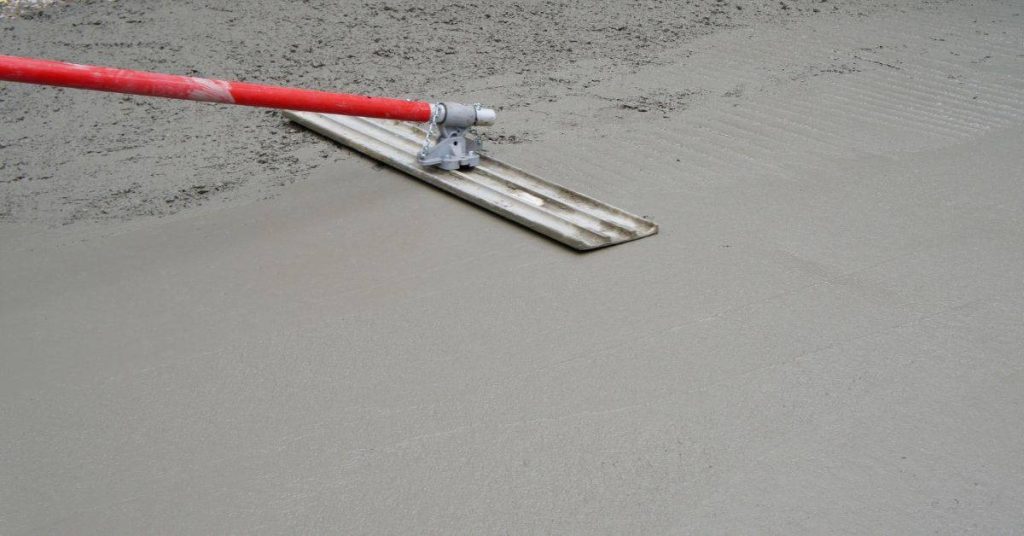
Red-handled tool smoothing wet concrete surface

Concrete Crack Stitching for DIYers: When Staples Help and When They Don’t

Introduction Concrete crack stitching is a repair method that uses staples to grab and hold cracked slabs together. It aims to slow opening and transfer movement across the crack when appropriate. This DIY intro explains when staples help and when they don’t in plain language. Before you start, check manufacturer instructions, local rules, and the

Concrete Crack Stitching for DIYers: When Staples Help and When They Don’t Read More »

paintbrush next to an open can of blue paint

Moisture Issues Under Coatings: DIY Screening That Beats Guessing

Introduction Moisture issues under coatings occur when dampness gets trapped beneath the finish, weakening adhesion and inviting rot. This article explains in plain terms how to spot it, screen for it, and decide what to fix. Think of it as a DIY screening approach you can do with basic checks and honest inspections. Moisture quilts

Moisture Issues Under Coatings: DIY Screening That Beats Guessing Read More »

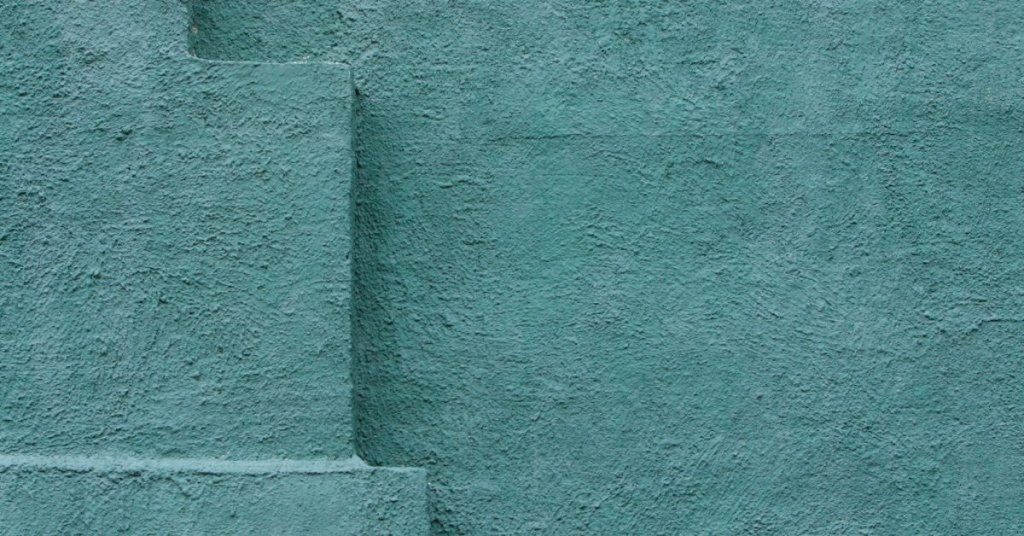
Textured blue stucco wall with recessed section

Retrofitting Drainage Behind Barrier Stucco: What’s Realistic and What’s Wishful Thinking

Introduction Retrofitting drainage behind barrier stucco means creating a practical path for moisture to escape from behind the stucco without compromising the wall. Start with a careful visual check of the barrier, flashing, and any visible weep gaps, then plan based on your wall type and conditions. Always verify with manufacturer instructions and local rules

Retrofitting Drainage Behind Barrier Stucco: What’s Realistic and What’s Wishful Thinking Read More »

close up of red brick wall mortar joints

Sealing Control Joints for Radon: Where to Seal, What Lasts, and When Not To

Introduction Sealing control joints is a practical step to reduce radon entry by closing gaps in masonry where joints exist. Before you seal, clean and dry the joint, choose a sealer compatible with masonry, and follow the product’s instructions for temperature, cure time, and re-entry. If in doubt, check local rules and consult the product

Sealing Control Joints for Radon: Where to Seal, What Lasts, and When Not To Read More »

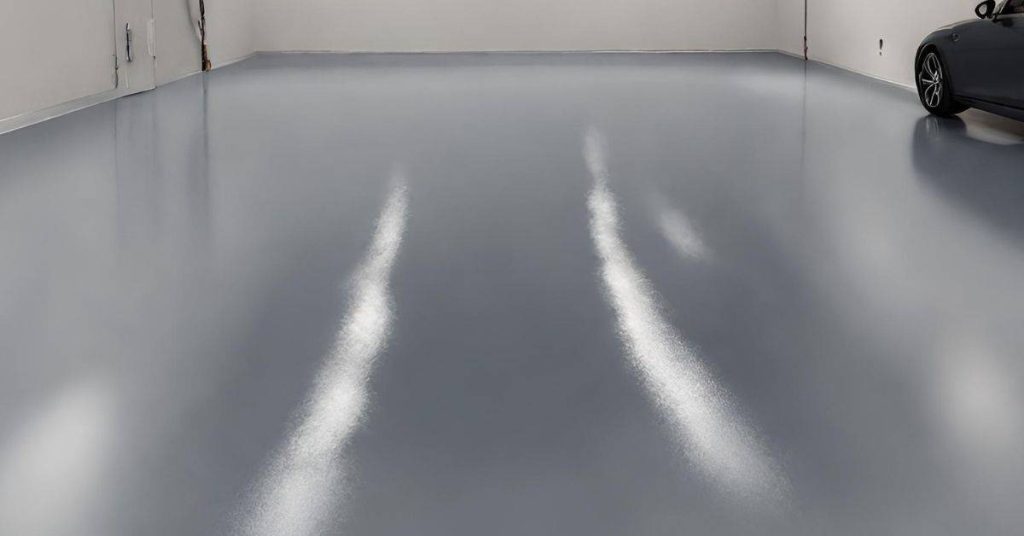
Smooth gray epoxy coated concrete garage floor with car

Epoxy Injection vs Polyurethane Injection for Cracks: Choosing Based on Movement and Moisture

Introduction Epoxy and polyurethane injections are two concrete crack repair options, chosen based on movement and moisture. Epoxy cures into a stiff bond ideal for solid, non-moving cracks, while polyurethane stays more flexible to absorb tiny shifts. Always check the product label and local rules before committing to one method. In terms of practical differences,

Epoxy Injection vs Polyurethane Injection for Cracks: Choosing Based on Movement and Moisture Read More »

wood block with nail sticking out on concrete surface

Stucco Wicking From Concrete: How to stop moisture at the transition

Introduction Stucco wicking from concrete is moisture drawn from the concrete into the stucco layer. It happens when the concrete surface stays damp and porous, pulling water into the plaster as it dries. That moisture can cause staining, peeling, or long-term damage if not addressed. To stop it at the transition, start with a dry,

Stucco Wicking From Concrete: How to stop moisture at the transition Read More »

Stamped concrete patio surface with textured pattern

Concrete Curing Indoors: Moisture control without mold or mess

Introduction Concrete curing indoors means managing excess moisture so the mix dries evenly and won’t trap water that causes problems. Moisture comes from rain, groundwater, and interior activities, and your curing plan should keep the surface and near-surface air balanced. Keep the space accessible for air, avoid sealing off all drying paths, and use safe

Concrete Curing Indoors: Moisture control without mold or mess Read More »