Search Results for: best waterproof paint for basement walls

Person using power drill on composite deck boards

Waterproofing block foundations: coatings vs membranes vs drainage boards

Introduction Waterproofing block foundations means choosing between coatings, membranes, or drainage boards to keep moisture from entering the structure. Coatings seal the surface, membranes create a continuous barrier, and drainage boards help direct water away from the wall. Think about how water will contact the wall and what prep is needed before any product is […]

Waterproofing block foundations: coatings vs membranes vs drainage boards Read More »
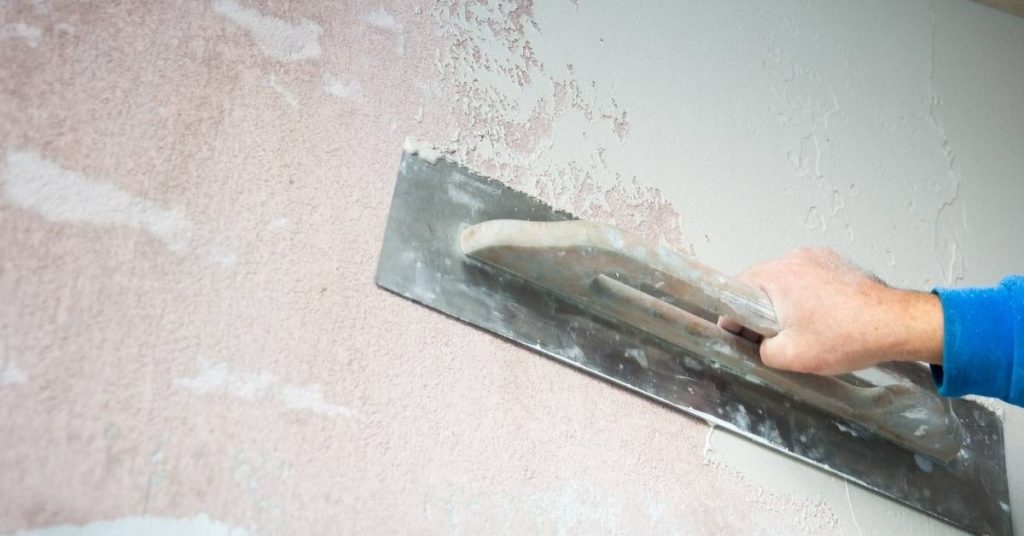
Hand smoothing lime plaster on wall with trowel

Lime Plaster in Basements: Moisture Testing, Vapor Drive, and Paint Choices

Introduction Lime plaster in basements is a breathable plaster finish that helps manage moisture. It relies on lime’s chemistry to let vapor pass while providing a durable coat. This DIY approach requires careful moisture testing and proper surface prep. Moisture testing, understanding vapor drive, and choosing compatible paints matter for long-term performance. Check product labels,

Lime Plaster in Basements: Moisture Testing, Vapor Drive, and Paint Choices Read More »

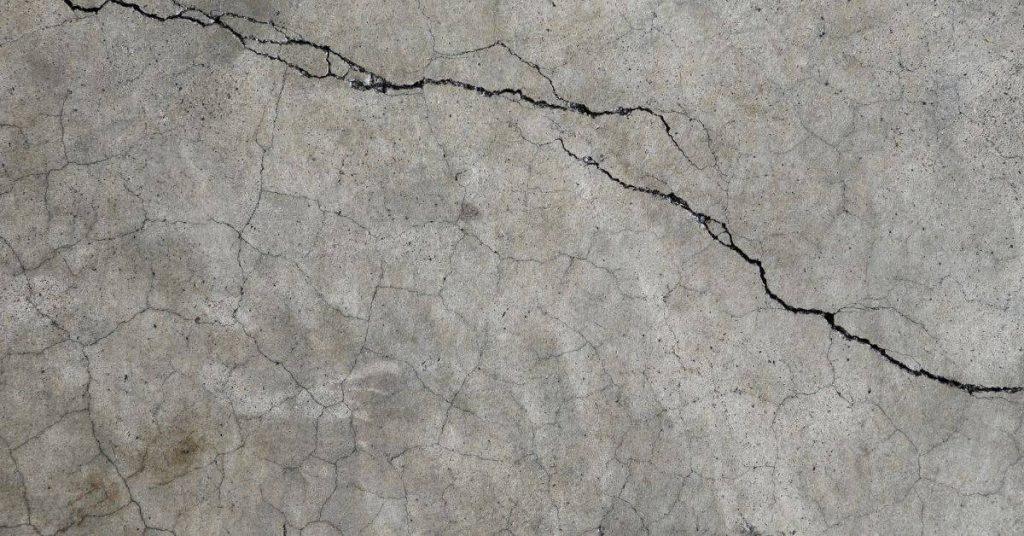
close-up of cracked concrete surface with dark irregular crack

Crack Injection for Leaking Basement Walls: Step-by-Step Ports, Packers, and Cleanup

Introduction Crack injection for leaking basement walls is a method of sealing cracks in concrete walls using ports and epoxy or polyurethane under pressure. This article walks you through the basic setup, including where to place ports and how to clean and prep the surface. It’s a DIY-friendly overview, but you should check product labels

Crack Injection for Leaking Basement Walls: Step-by-Step Ports, Packers, and Cleanup Read More »

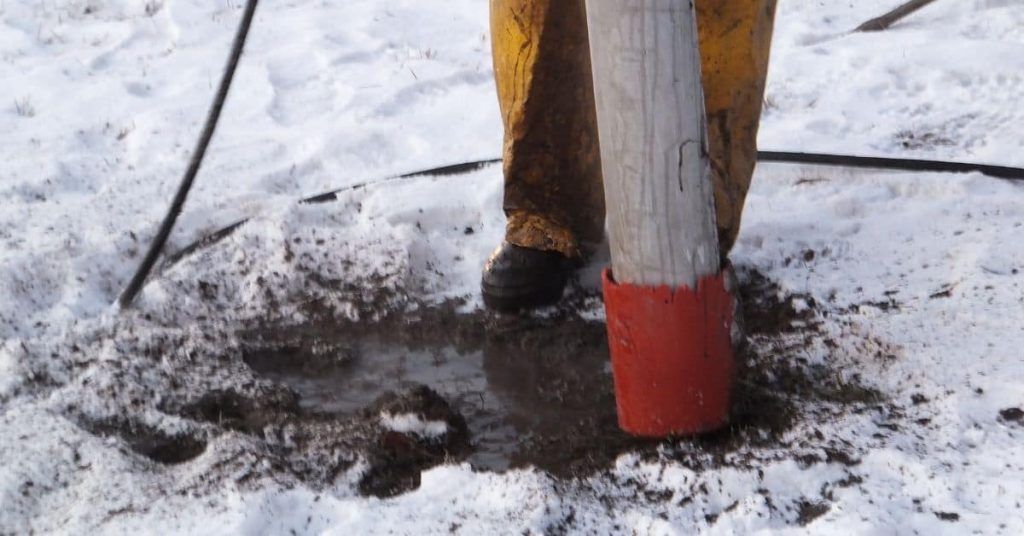
Worker standing in snowy ground with muddy water pooling

Cold Joints in Basement Walls: Waterstop Retrofits and ‘Outside Access’ vs ‘Inside Fix’ Reality

Introduction Cold joints in basement walls are weak seals where concrete layers meet that can leak if not treated. This article walks you through practical retrofit ideas and what to watch for on a DIY job. We keep it plain and achievable, not a blueprint. You’ll encounter several waterstop options, from flexible sleeves to sheet

Cold Joints in Basement Walls: Waterstop Retrofits and ‘Outside Access’ vs ‘Inside Fix’ Reality Read More »

Close up of worker smoothing fresh concrete slab with float

Basement Slab Vapor Drive in Winter: Why ‘Dry’ Floors Still Push Moisture Into Coatings

Introduction Basement slab vapor drive in winter is moisture moving through concrete from the ground, even when floors feel dry. In cold weather, capillary action and ground moisture can push water into coatings, sealing layers, and corner joints. This is a practical, hands-on issue you can see by checking for damp spots and efflorescence along

Basement Slab Vapor Drive in Winter: Why ‘Dry’ Floors Still Push Moisture Into Coatings Read More »

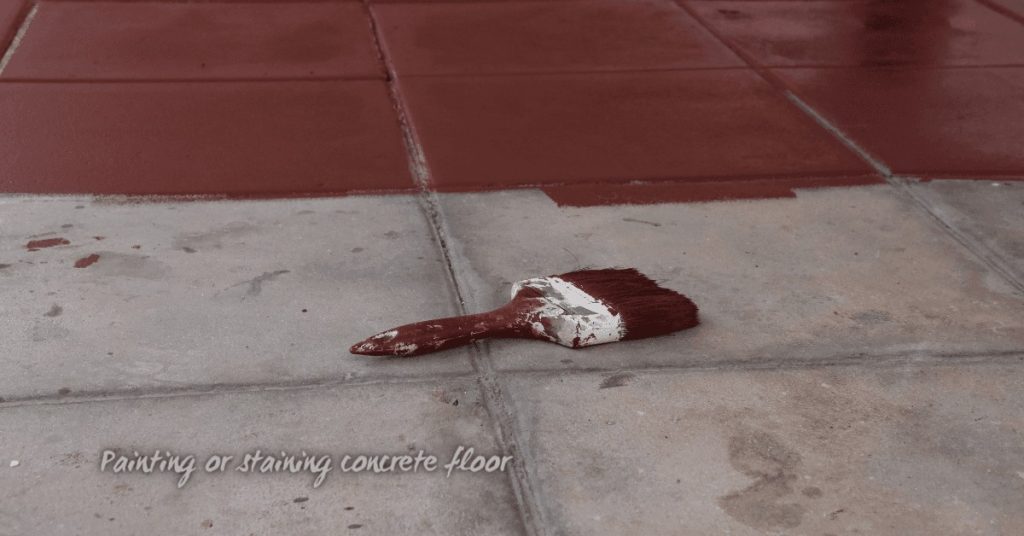
Paint brush resting on concrete floor tiles with red paint

Painting Concrete Block Basements: Preventing flaking and chalking

Introduction Painting concrete block basements is applying a coat of paint designed to bind to masonry and protect from moisture and wear. A good job starts with prep to stop flaky paint and chalky residues from coming back. Check your local rules and product instructions for compatible primers and finishes. Begin with a clean, dry

Painting Concrete Block Basements: Preventing flaking and chalking Read More »

Metal float tool resting on gray parge coat surface

Parge Coat on Foundation Walls: Mix, Surface Prep, and Crack Control

Introduction A parge coat is a thin cement-like coating applied to foundation walls to seal, smooth, and protect them. This article walks you through the basics of mixing, prepping the surface, and controlling cracks so you can do it safely and effectively. You’ll tackle foundation wall prep, choosing a parging mix, and applying a thin,

Parge Coat on Foundation Walls: Mix, Surface Prep, and Crack Control Read More »

paint roller and brush in bucket of gray coating

Negative-Side Basement Waterproofing: Coatings That Actually Hold (and Why Others Don’t)

Introduction Negative-side basement waterproofing coatings are interior wall treatments applied to the inside surface to block water from seeping in. These coatings work by forming a barrier on the wall that resists moisture that pushes inward. Choose coatings that are rated for interior use and compatible with the wall material, and always follow product labels

Negative-Side Basement Waterproofing: Coatings That Actually Hold (and Why Others Don’t) Read More »

Hand smoothing plaster on wall with trowel

Polished Lime Plaster in Wet Areas: What ‘Waterproof’ Really Means and Safe Details

Introduction Polished lime plaster in wet areas is not automatically waterproof; it’s a breathable finish that can resist splashes when detailed and sealed correctly. In practice that means treating the wall system—substrate, cement backer, membranes, and sealers—as a complete assembly rather than relying on the lime plaster alone. Check product labels and manufacturer instructions for

Polished Lime Plaster in Wet Areas: What ‘Waterproof’ Really Means and Safe Details Read More »