Search Results for: best waterproof paint for basement walls

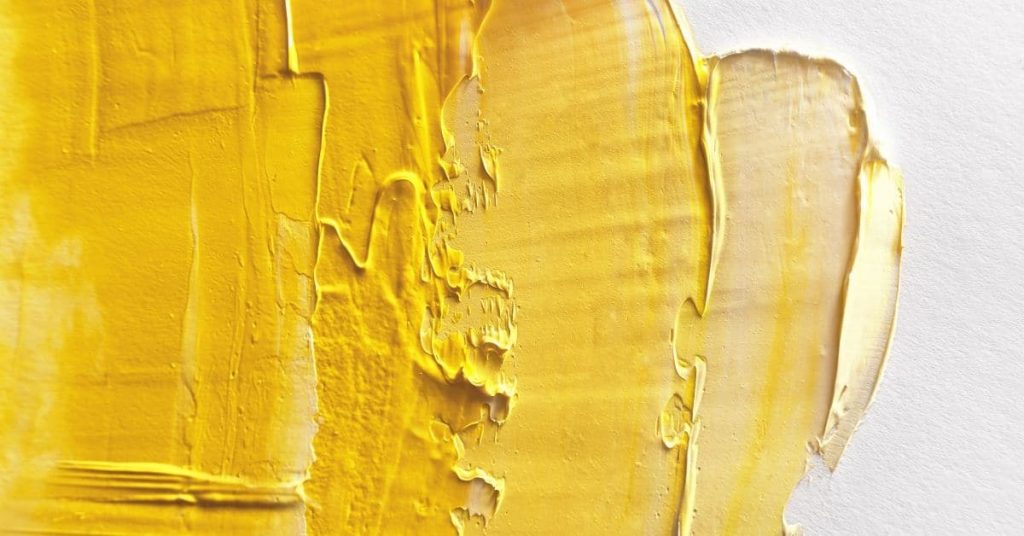
Thick yellow paint strokes on a white surface

Mineral Paint vs Acrylic on Masonry: Breathability, Washability, and Best Use Cases

Introduction Mineral paint is a thin, breathable coating made from mineral binders that soaks into masonry while acrylic is a film-forming paint that sits on the surface and sheds water. For DIY use, think mineral paint where you need vapor permeability and historical compatibility, and acrylic where you need tougher washability and abrasion resistance. Check […]

Mineral Paint vs Acrylic on Masonry: Breathability, Washability, and Best Use Cases Read More »
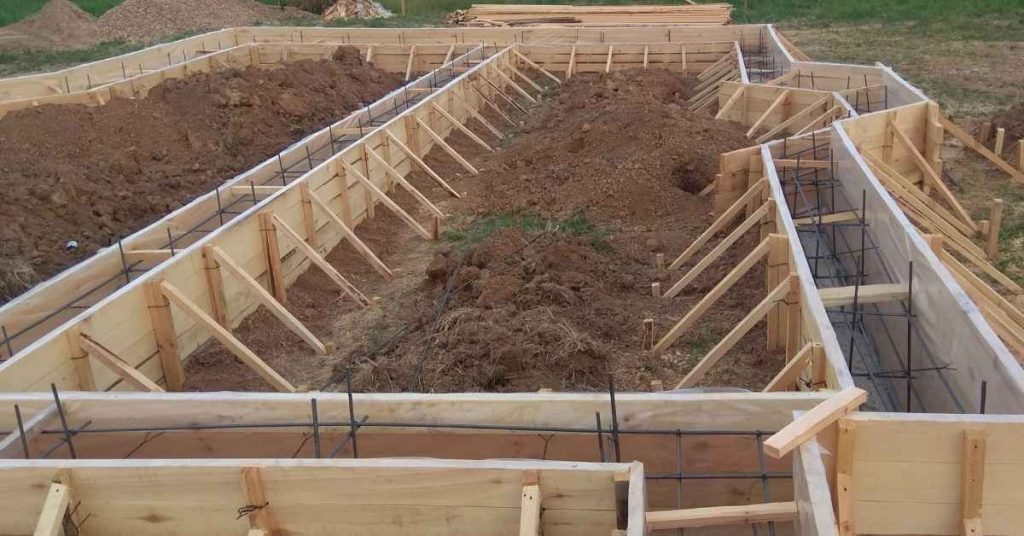
Wooden concrete forms with rebar and soil inside foundation trenches

Concrete Capillary Breaks at Foundation Walls: Gravel, Footing Drains, and Wicking Prevention

Introduction Concrete capillary breaks at foundation walls are measures that stop water from wicking up through concrete by interrupting the tiny pathways in and around the footing and wall. In practice that means using a combination of granular backfill, a drainage layer next to the footing, and details at the wall/soil interface to prevent water

Concrete Capillary Breaks at Foundation Walls: Gravel, Footing Drains, and Wicking Prevention Read More »

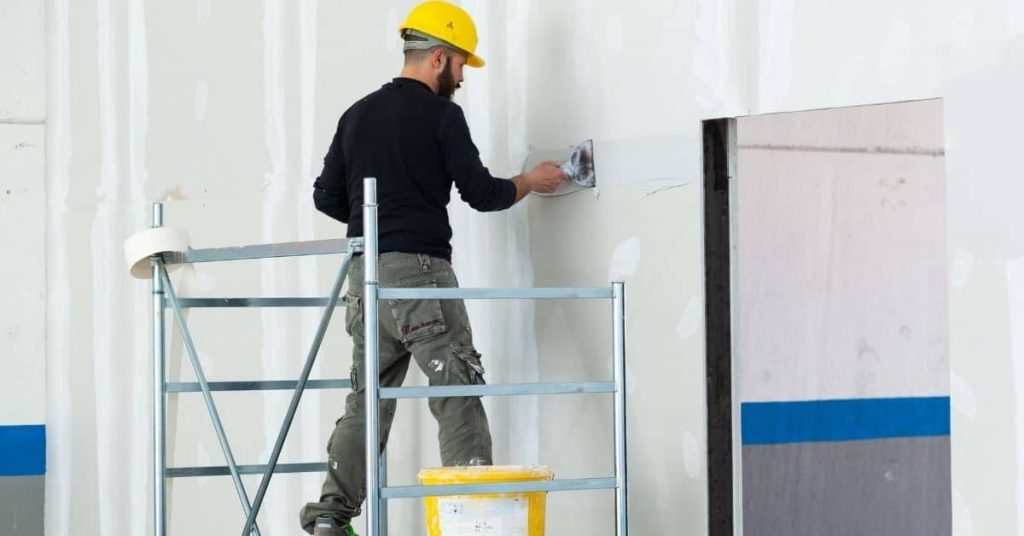
Worker applying plaster to drywall wearing yellow hard hat

Mold-Resistant Drywall in Basements: Moisture Testing Before You Hang Anything

Introduction Mold-resistant drywall is dry wall designed to resist moisture and mold growth in basements. It’s a practical upgrade when you’re finishing a damp space. I’ll walk you through how to tell if it’s a good fit and what to expect on the job. Before hanging anything, do moisture testing and air checks. Use a

Mold-Resistant Drywall in Basements: Moisture Testing Before You Hang Anything Read More »

Closeup of spider crack on rough concrete surface

DIY Concrete Waterproofing on the Inside: When It Works and When It’s a Trap

Introduction DIY concrete waterproofing on the inside is applying moisture barriers and sealants to interior concrete surfaces to keep dampness at bay. It helps when intrusion comes through cracks, porous walls, or hydrostatic pressure, but it isn’t a substitute for good exterior drainage. We’ll walk through identifying water sources and choosing practical interior steps for

DIY Concrete Waterproofing on the Inside: When It Works and When It’s a Trap Read More »

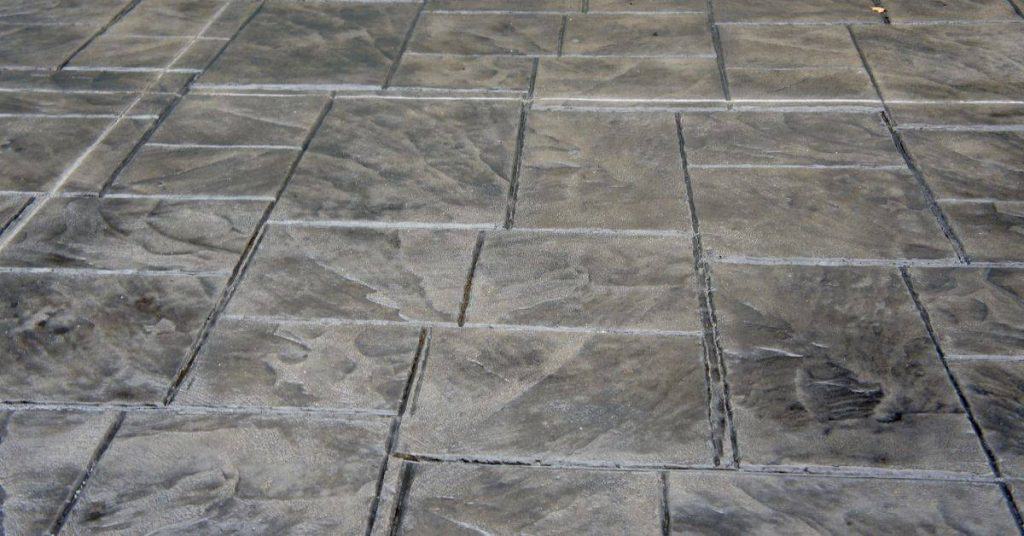
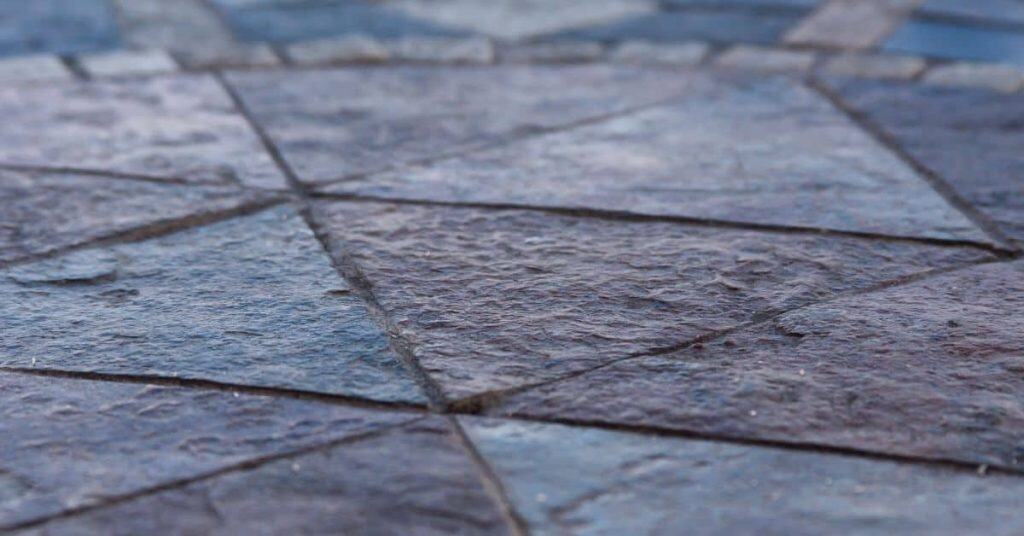
Close-up of textured stamped concrete surface with square pattern

Best Paint Systems for Concrete Block Walls Indoors (Breathability vs. Washability)

Introduction Breathable paint systems allow moisture in the wall to escape while still providing a decorative finish. Washable coatings resist scuffs and stains, but may seal too tight and trap moisture if used improperly. For block walls indoors, balance the needs of humidity, moisture migration, and cleaning ease. Check the product label for breathability ratings

Best Paint Systems for Concrete Block Walls Indoors (Breathability vs. Washability) Read More »

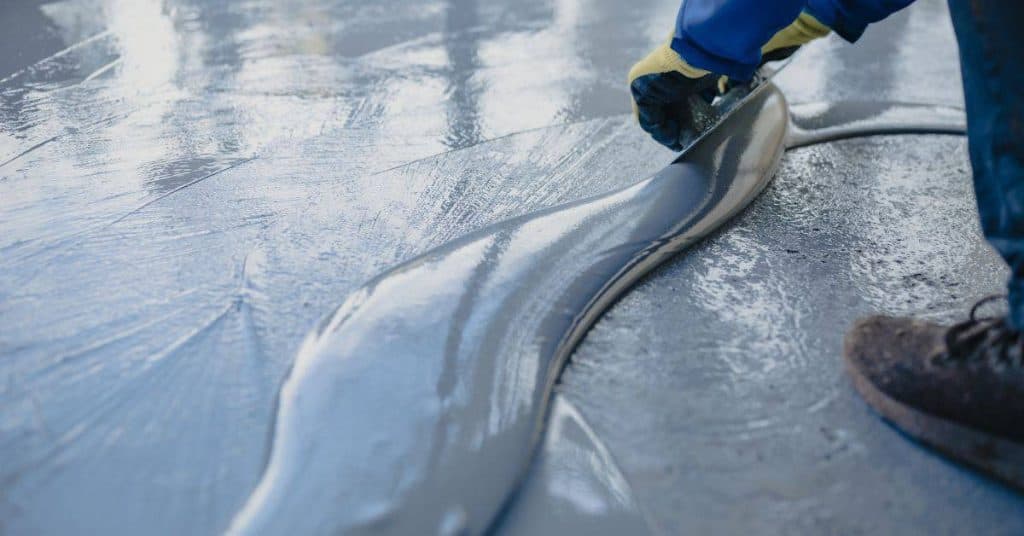
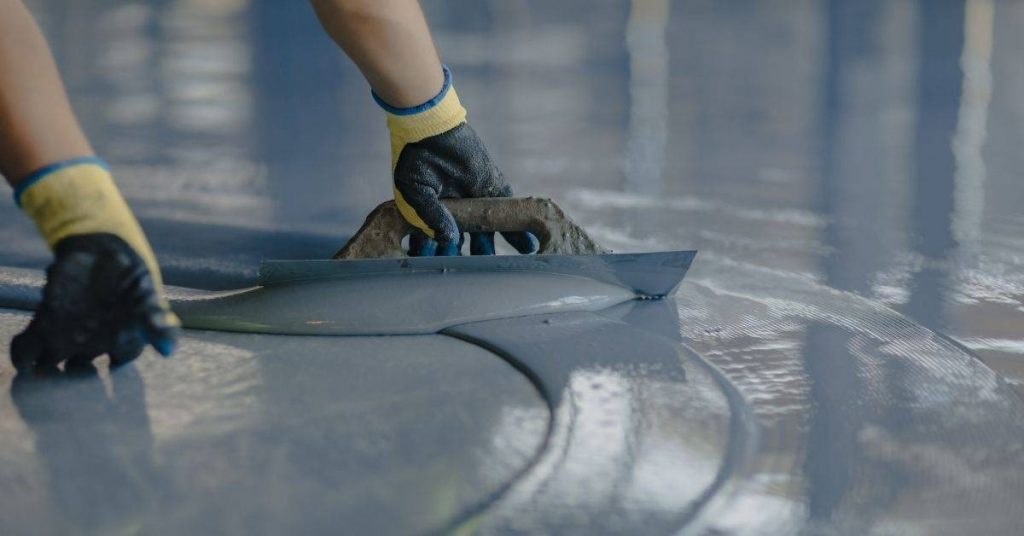
Person applying glossy epoxy coating on concrete floor

Painting Basement Walls Without Trapping Moisture: Mineral Paints vs. Acrylics vs. Epoxy

Introduction Painting basement walls without trapping moisture means choosing a coating and prep method that manages moisture rather than sealing it in. Start by diagnosing the wall condition and cleaning, repairing leaks, and planning ventilation before any paint goes on. Then determine if the wall needs moisture barriers, steps for drying, and whether to apply

Painting Basement Walls Without Trapping Moisture: Mineral Paints vs. Acrylics vs. Epoxy Read More »

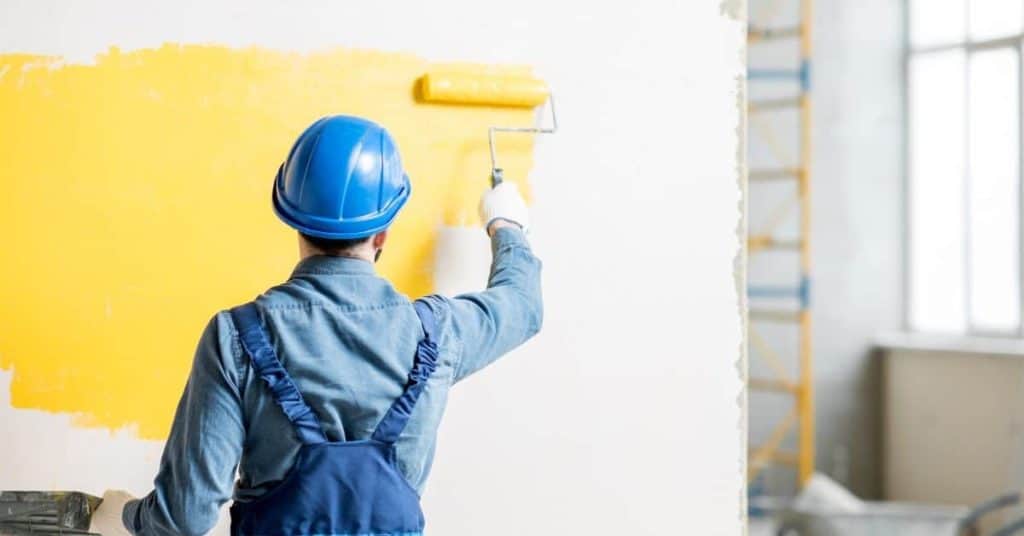
Worker painting interior wall yellow with roller

Painting Over Efflorescence: How to Stop Salts From Ruining Your Finish

Introduction Efflorescence is the white, powdery salt that can migrate to a wall surface when moisture moves through masonry. It can appear on painted or unpainted surfaces and can ruin a finish if not addressed. Before painting, you need to identify and clean it so the new coating can adhere. Identify efflorescence on walls and

Painting Over Efflorescence: How to Stop Salts From Ruining Your Finish Read More »

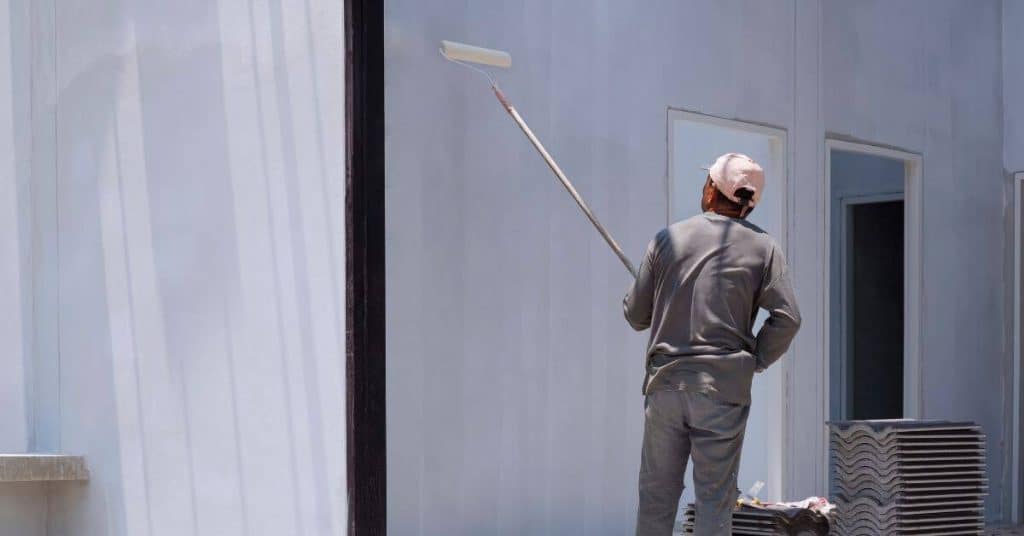
Man painting exterior wall white with roller on long pole

Achieve a Long-Lasting, Vibrant Exterior Paint Job — Prep, Tests + Fixes

Introduction A long-lasting, vibrant exterior paint job starts with thorough prep, proper testing, and timely fixes. Start by inspecting the surface for peeling paint, dirt, and moisture, then scrub and repair as needed. Follow the manufacturer’s prep instructions and check local rules for surface prep requirements. Before you commit to a full coat, run simple

Achieve a Long-Lasting, Vibrant Exterior Paint Job — Prep, Tests + Fixes Read More »

Close-up of textured stamped concrete floor surface

Do Waterproof Coatings Really Work? — What to Know + Why It Matters

Introduction Waterproof coatings can reduce water intrusion when used correctly. They come in different forms, like paints, membranes, and sealants, and their effectiveness depends on proper surface prep, compatibility, and following the product’s directions. Always check the label and guidance from the manufacturer to know what surfaces and conditions each coating is meant for. They’re

Do Waterproof Coatings Really Work? — What to Know + Why It Matters Read More »