Search Results for: best concrete overlay for patio

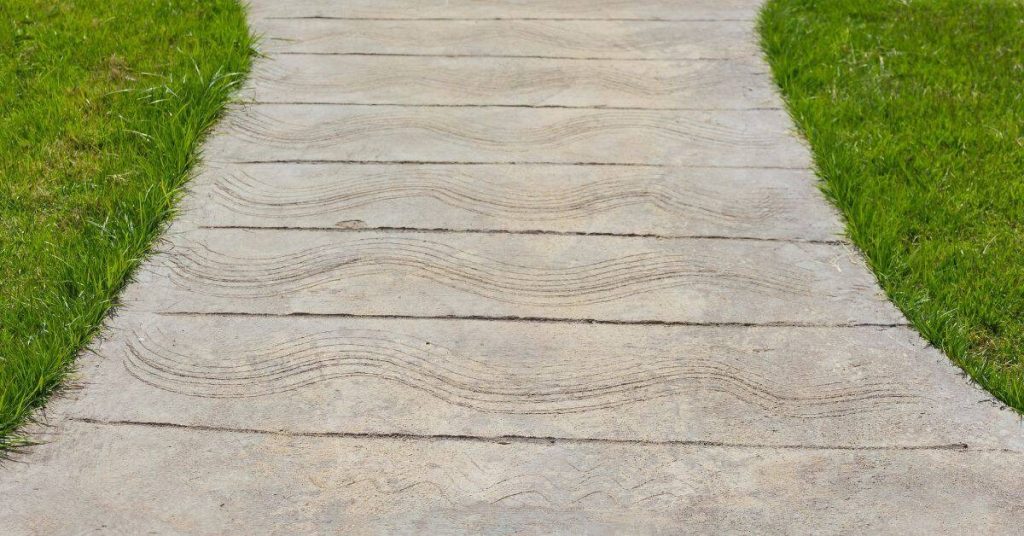
Concrete pathway with wave pattern texture and grass on both sides

Proper slope on exterior concrete slabs: easy layout methods that avoid puddles

Introduction Proper slope on exterior concrete slabs is the intentional downward pitch away from structures to shed water. In practice, set the grade so water flows away from foundations and walkways stay dry. Use simple layout methods to keep the slope consistent during pouring and finishing. To calculate and achieve the slope, reference the site […]

Proper slope on exterior concrete slabs: easy layout methods that avoid puddles Read More »

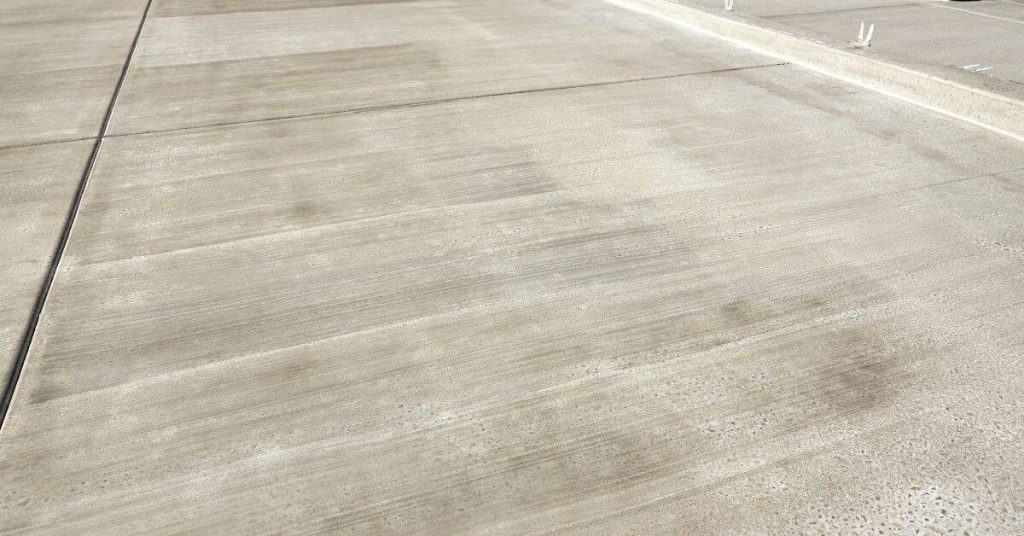
smooth concrete driveway with segmented joints and surrounding grass

Proper Slope on Exterior Concrete Slabs: Easy Layout Methods That Avoid Puddles

Introduction A proper exterior concrete slab slopes away from structures to prevent puddles. Keep the surface directional so water flows toward adequate drainage, not toward doors or foundations. This article offers simple layout methods you can use in a real-hand DIY project. Use basic layout tools to mark a gentle, continuous incline and check with

Proper Slope on Exterior Concrete Slabs: Easy Layout Methods That Avoid Puddles Read More »

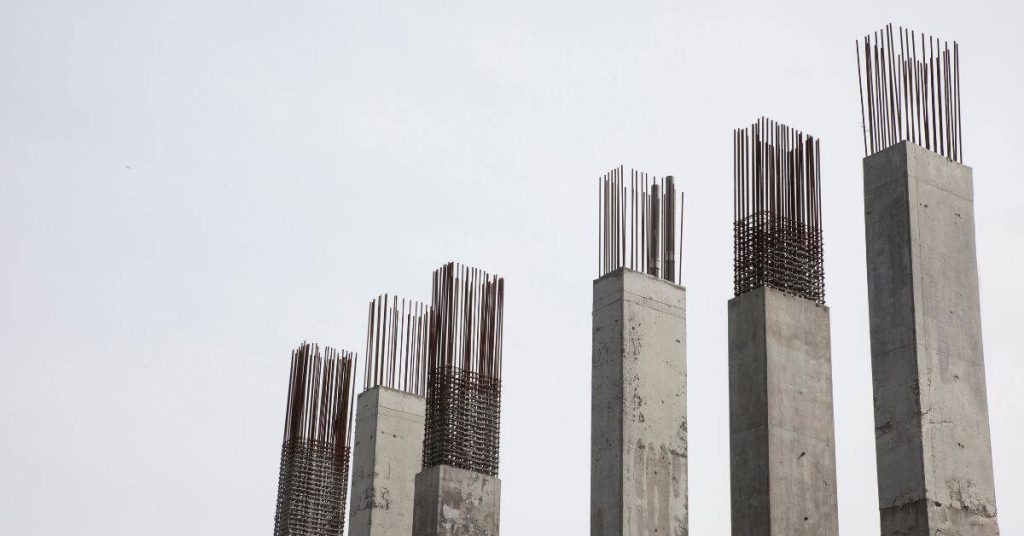
Concrete columns with exposed rebar against sky

Matching Old Exposed Aggregate Concrete: Patching, Extensions, and Blending Stone Mixes

Introduction Matching old exposed aggregate concrete means repairing and extending the surface so new material blends with the existing exposed aggregate. This hands-on approach focuses on color, texture, and the way stones recess with the surrounding mix. Take time to assess the current finish and plan how patching or extensions will align with the original

Matching Old Exposed Aggregate Concrete: Patching, Extensions, and Blending Stone Mixes Read More »

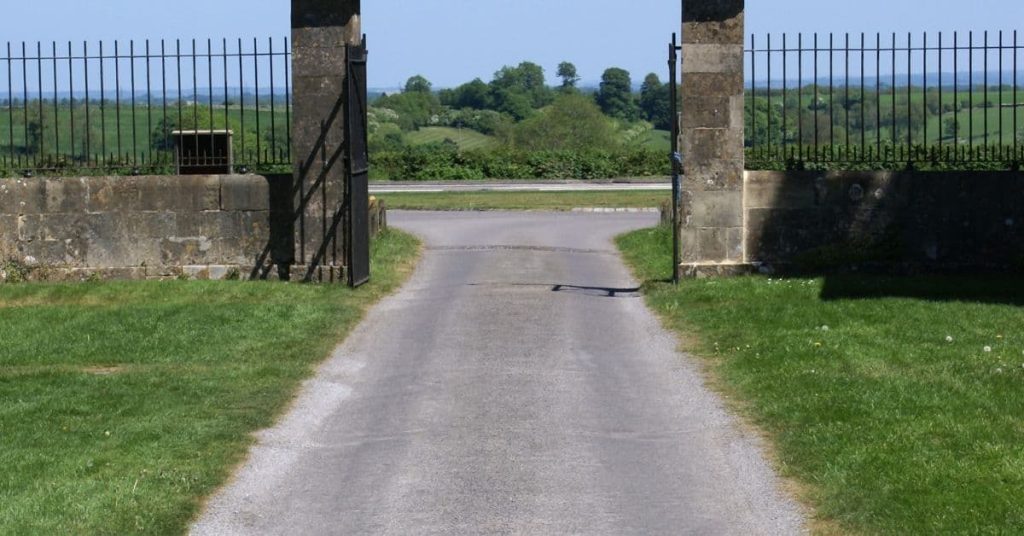
Stone-look concrete gate pillars with metal fence panels

Stone-Look Concrete Finishes: Rub Techniques, High Spots, and Sealer Choices

Introduction Stone-Look Concrete Finishes are achieved by rubbing and refining a concrete surface to resemble natural stone. On the job, you’ll use hand tools and trowels to work the surface while it’s still workable, then wipe, rub, and burnish to blend colors. Check product labels and manufacturer instructions for cure times and safety before starting.

Stone-Look Concrete Finishes: Rub Techniques, High Spots, and Sealer Choices Read More »

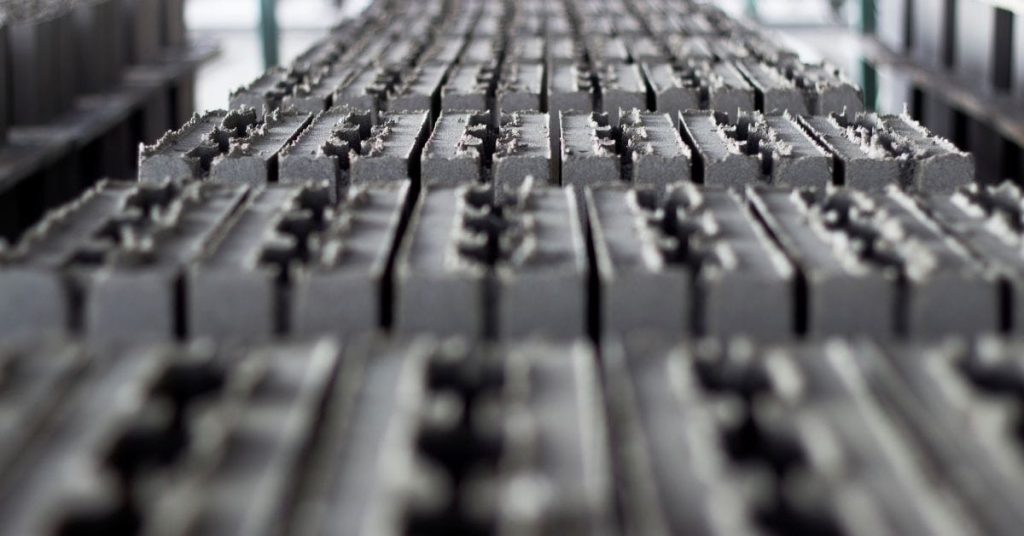
Rows of gray concrete blocks drying on racks

Hot-Weather Concrete Curing for Thin Slabs: Beating Rapid Evaporation Without Dusting

Introduction Curing concrete is the controlled hydration process that lets the mix harden properly. In thin slabs, curing time matters because it affects strength, shrinkage, and finish. Hot weather speeds evaporation and can lead to dusting if the surface dries too fast. To keep moisture in without creating slick surfaces, apply a consistent wetting method

Hot-Weather Concrete Curing for Thin Slabs: Beating Rapid Evaporation Without Dusting Read More »

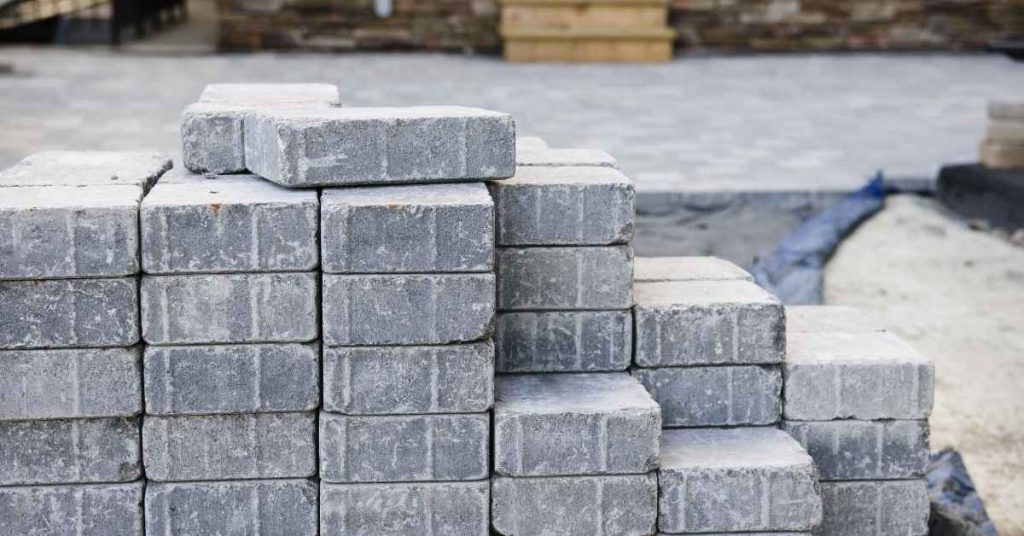
Stack of gray concrete paving blocks outdoors

Concrete Sealer Sheen Control Outdoors: When Matte Looks Better (and When It Traps Dirt)

Introduction A matte sealer finish on outdoor concrete is a low-shine coating that reduces reflection and hides surface imperfections. Choose matte when you want a natural look that doesn’t glare in sun and can mask light dirt. If you want a brighter, reflectant surface, matte may look dull by comparison. Matte finishes can trap dust

Concrete Sealer Sheen Control Outdoors: When Matte Looks Better (and When It Traps Dirt) Read More »

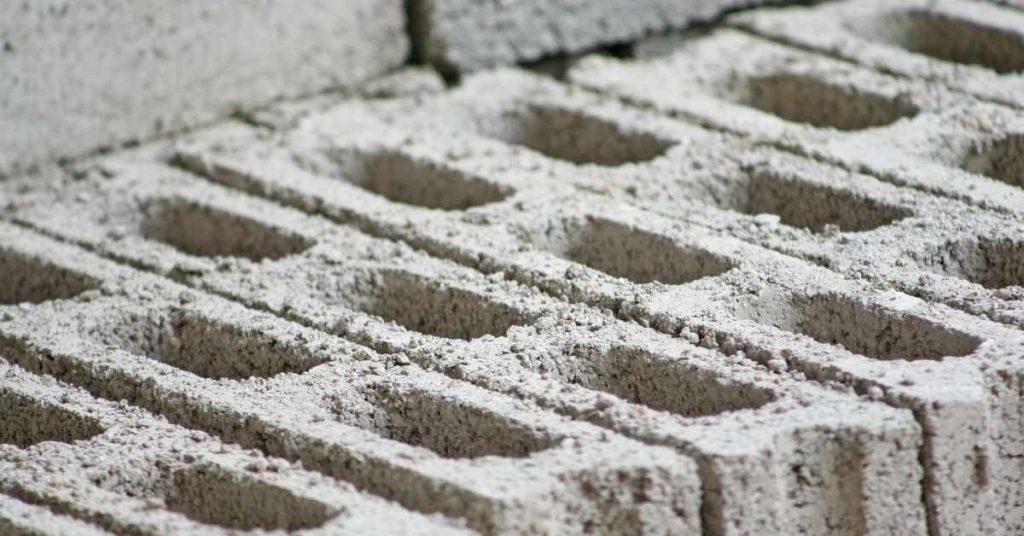
Closeup of stacked gray concrete cinder blocks

Removing Mulch Dye Stains on Concrete: Why They Stick and How to Lift Them

Introduction Mulch dye stains are color residues left on concrete after mulch pigments dry. Key takeaways Act quickly on fresh dye stains; blot, rinse, and avoid spreading. Identify stain type before treatment: dye stain, discoloration, or finish film. Test cleaner on a small area first to prevent damage. Use least-aggressive methods in sequence; wear eye/skin

Removing Mulch Dye Stains on Concrete: Why They Stick and How to Lift Them Read More »

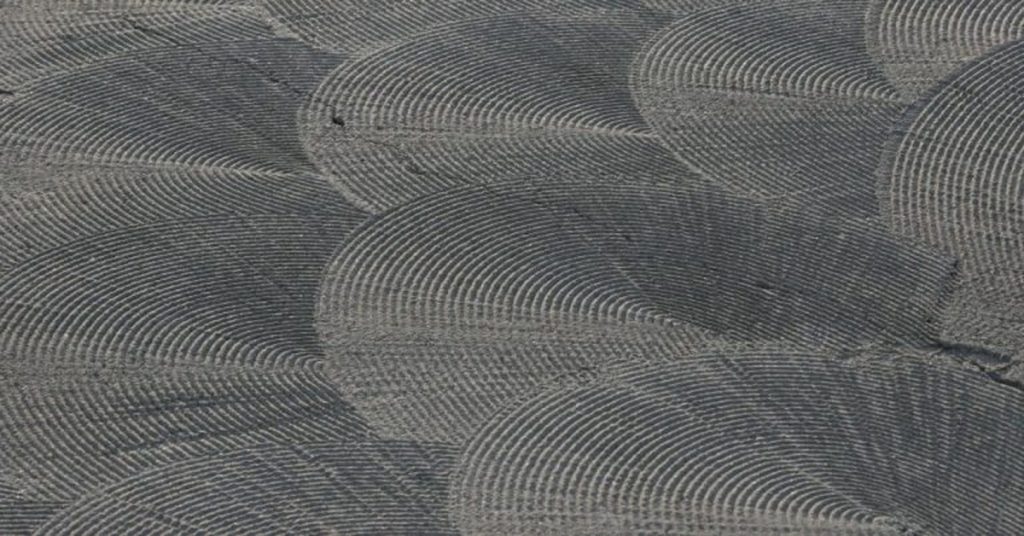
concrete surface with circular textured pattern

Adding Texture to Slick Concrete: Mechanical vs Chemical Methods and What Holds Up

Introduction Texturing slick concrete means creating a non-slip, patterned surface using either mechanical tools or chemical treatments. Mechanical methods bite into the surface with grinder discs, scarifiers, or brushes, while chemical methods react the surface to leave a grip pattern. Both approaches require clean, dry conditions and a plan for the look you want, plus

Adding Texture to Slick Concrete: Mechanical vs Chemical Methods and What Holds Up Read More »

Concrete driveway slab with visible discoloration and stains

Why Thin Concrete Warps: Moisture Gradients, Reinforcement, and Better Curing Setups

Introduction Thin concrete warps when uneven moisture and temperature pull the slab in different directions. Moisture gradients and the way the mix dries out interact with the slab’s thin profile to cause bowing. Reinforcement and curing setup can worsen or help the effect depending on how evenly things stay throughout the cure. To keep things

Why Thin Concrete Warps: Moisture Gradients, Reinforcement, and Better Curing Setups Read More »

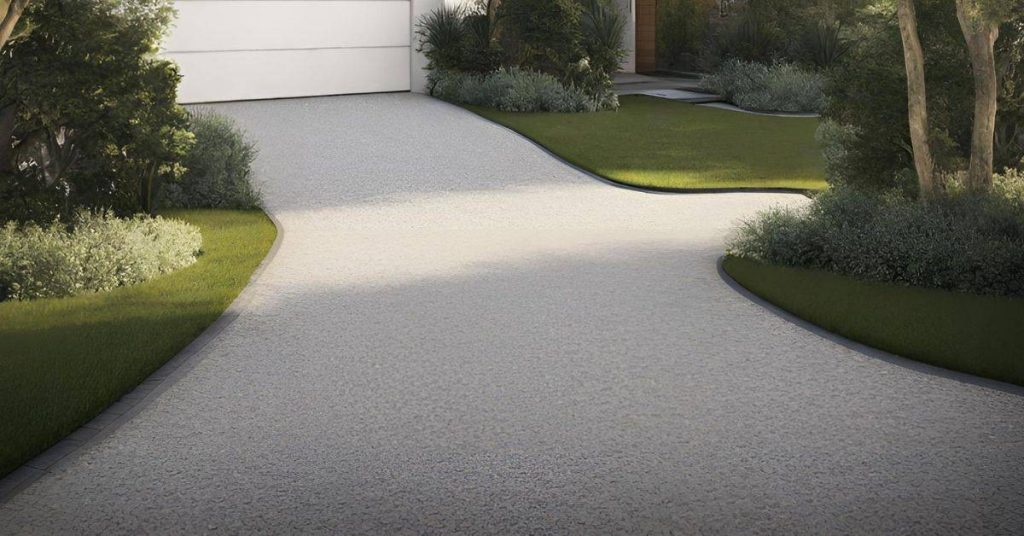
Clean decorative concrete driveway with landscaping

Concrete Deicer Alternatives: What’s Safer for Decorative Concrete in Winter

Introduction Safer deicer options for decorative concrete are milder chemicals and methods that reduce staining and damage. Choose products with clear labeling and follow the manufacturer’s directions, and always check local rules or requirements before use. For a DIY approach, prioritize methods that minimize surface impact while keeping things safe on contact with your finish.

Concrete Deicer Alternatives: What’s Safer for Decorative Concrete in Winter Read More »