Search Results for: best concrete floor repair

Wet concrete being poured onto floor surface

Concrete Control Joints Around Floor Drains: Crack Steering Without Creating a Lip

Introduction Concrete control joints around floor drains are expansion joints that help crack control by isolating the drain area from the surrounding slab. They create a defined weak plane that guides cracks away from the drain and keep a smooth surface around the lip. This is a practical, hands-on detail you can plan for during […]

Concrete Control Joints Around Floor Drains: Crack Steering Without Creating a Lip Read More »

Polished concrete floor reflecting overhead lights and columns

Concrete Densifiers for DIY: Lithium vs Sodium Silicate and What Can Go Wrong

Introduction Lithium and sodium silicate densifiers are concrete surface treatments that harden the top layer by penetrating and sealing the pores. They can help reduce dust, improve spill resistance, and give a subtle finish, but the best choice depends on your concrete and environment. Always check the product label and follow the manufacturer instructions, and

Concrete Densifiers for DIY: Lithium vs Sodium Silicate and What Can Go Wrong Read More »

Two melting ice cubes on white surface with water pool

Slip-Resistant Sealed Concrete: Additives, Etch Profiles, and Easy Traction Tests

Introduction Slip-Resistant Sealed Concrete means using a sealant combined with additives and surface treatment to reduce slipping. Key takeaways Choose slip-resistant additives compatible with your sealer and traffic level. Etch profiles improve adhesion; follow manufacturer instructions and test patch first. Conduct simple traction checks after cure using deliberate dragging and toe-walking tests. Protect cured surfaces

Slip-Resistant Sealed Concrete: Additives, Etch Profiles, and Easy Traction Tests Read More »

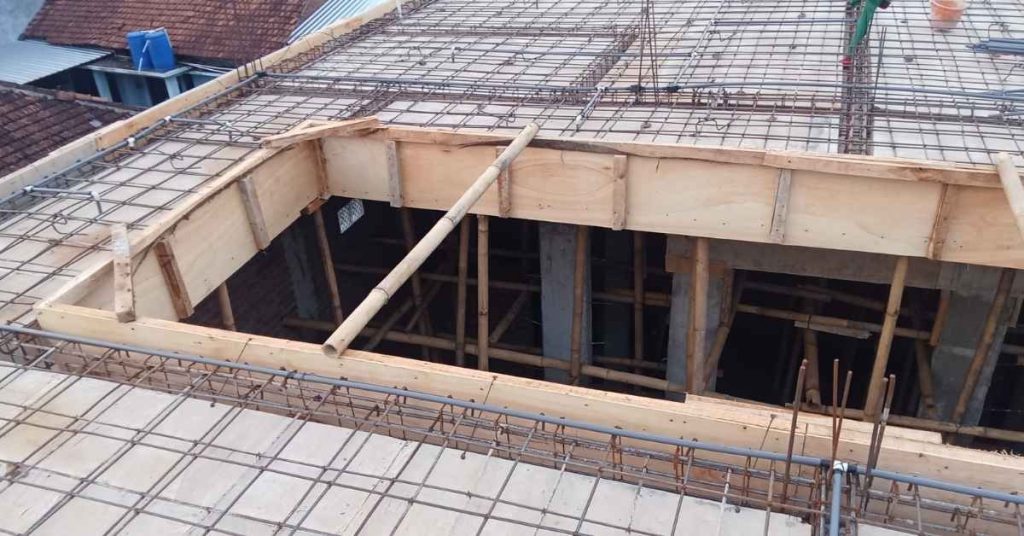
Wooden formwork and steel rebar grid on concrete slab

Concrete Slab-on-Grade for a Small Shed: Vapor Barriers, Thickened Edges, and Bolt Layout

Introduction A slab-on-grade is a concrete floor poured directly on prepared ground with no raised foundation. For a small shed, you’ll want to plan for a vapor barrier, thickened edges, and a simple bolt layout to anchor posts. As you work, verify local rules and follow manufacturer instructions for materials. Starting prep means grading, compacting,

Concrete Slab-on-Grade for a Small Shed: Vapor Barriers, Thickened Edges, and Bolt Layout Read More »

Rough grey concrete wall with varied texture

Strip vs Grind a Failed Sealer: Choosing the Safer Method for Your Concrete Texture

Introduction Stripping removes the sealer with chemicals or rollers, while grinding buffs away the old coating with a machine to reveal a new surface. The safer choice usually depends on the sealer type and how badly the texture is damaged. For most DIYers, start with a careful test area and a gentler approach to evaluate

Strip vs Grind a Failed Sealer: Choosing the Safer Method for Your Concrete Texture Read More »

Concrete building with vertical and horizontal structural elements

How to Patch Vertical Concrete Without Sag: Mix Stiffness, Bonding, and Lift Thickness

Introduction Patch vertical concrete without sag by using a stiff, workable mix that stays put once placed. Choose a mix with good bonding and low slump, and apply in quick, controlled strokes. Always check product labels and local guidelines to confirm compatible bonding agents and lift thickness. Keep the surface clean and dampened as needed,

How to Patch Vertical Concrete Without Sag: Mix Stiffness, Bonding, and Lift Thickness Read More »

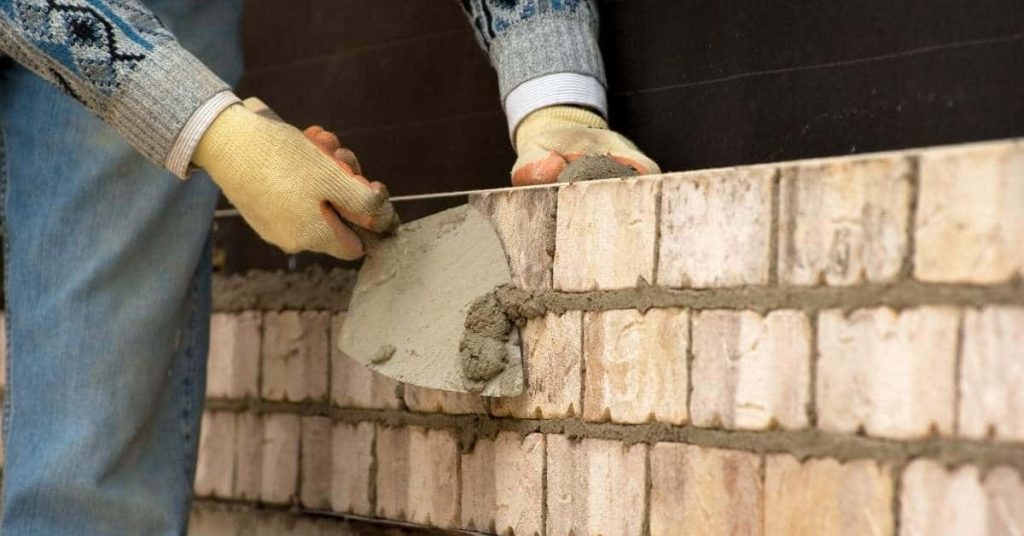
Hands applying mortar to brick wall with trowel

Self-Consolidating Mortar for Small Repairs: Mimic SCC Behavior Without Renting a Pump

Introduction Self-consolidating mortar is a flowable mix that fills small voids and cracks without the need for vibration. For DIY repairs, it behaves like a high-flow grout that can level and settle in tight spaces, mimicking SCC behavior without renting a pump. Always check the product label and manufacturer instructions to confirm compatibility with your

Self-Consolidating Mortar for Small Repairs: Mimic SCC Behavior Without Renting a Pump Read More »

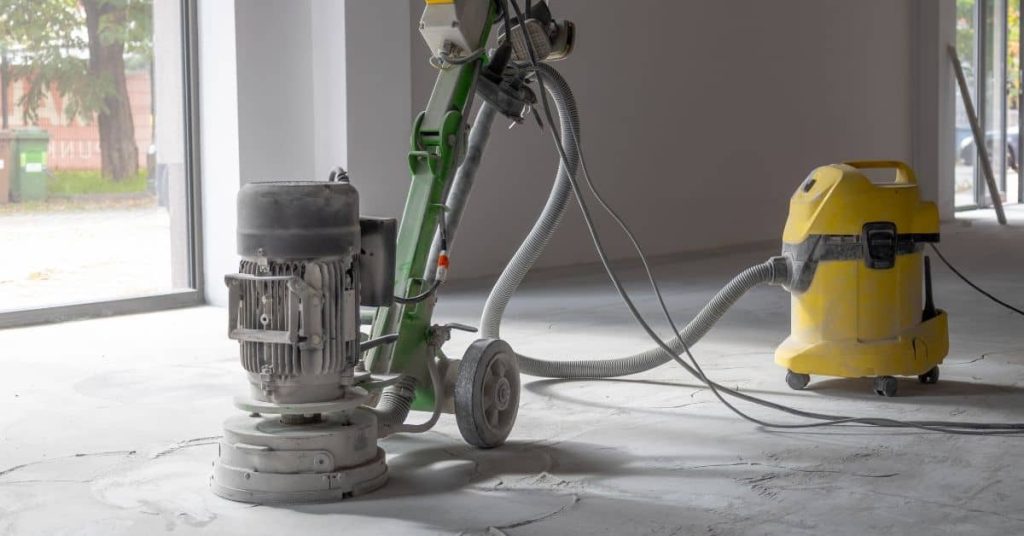
Concrete floor grinder connected to yellow vacuum cleaner indoors

Diagnosing Concrete Delamination: Chain Drag vs Hammer Sounding and What Each Misses

Introduction Delamination in concrete is when layers or patches separate, revealing hollow or weaker zones beneath the surface. Using a chain drag helps you feel for soft spots by listening and feeling where the chain catches. Hammer sounding can also reveal hollow tones, but it may miss shallow or narrow separations. Both tests have limits

Diagnosing Concrete Delamination: Chain Drag vs Hammer Sounding and What Each Misses Read More »

Concrete beams with exposed rebar on construction site

Salt-Finish Concrete on Small Projects: Timing, Cleanup, and Sealing Without Haze

Introduction Salt-finish concrete is a decorative surface created by applying and later washing away salt to expose a textured layer. On small projects, it’s a practical way to add grip and character, but timing and technique matter for a clean look. Always check manufacturer guidelines for how long to work the surface, how to apply

Salt-Finish Concrete on Small Projects: Timing, Cleanup, and Sealing Without Haze Read More »

closeup of textured sand-finish concrete surface

DIY Sand-Finish Concrete: Getting a Fine Texture Without Weak Surface Paste

Introduction DIY Sand-Finish concrete is a surface texture created by applying a fine sand mix to the top to achieve a smooth, speckled look. It’s a hands-on technique that can hide light trowel marks and give the surface a gentle, gritty feel. It’s meant to be practical for a DIY project, not a showroom finish.

DIY Sand-Finish Concrete: Getting a Fine Texture Without Weak Surface Paste Read More »