Search Results for: best caulk to use to seal up foundation of house

Close-up of white stucco wall texture

Stucco Wicking from Concrete: Base Details and Capillary Break Fixes

Introduction Stucco wicking from concrete happens when moisture travels through the concrete and into the stucco layer. This article covers how to prep the base and prevent capillary pull that brings dampness into the finish. Think of base details as the first line of defense: clean, dry, and properly framed to keep water away. Capillary […]

Stucco Wicking from Concrete: Base Details and Capillary Break Fixes Read More »
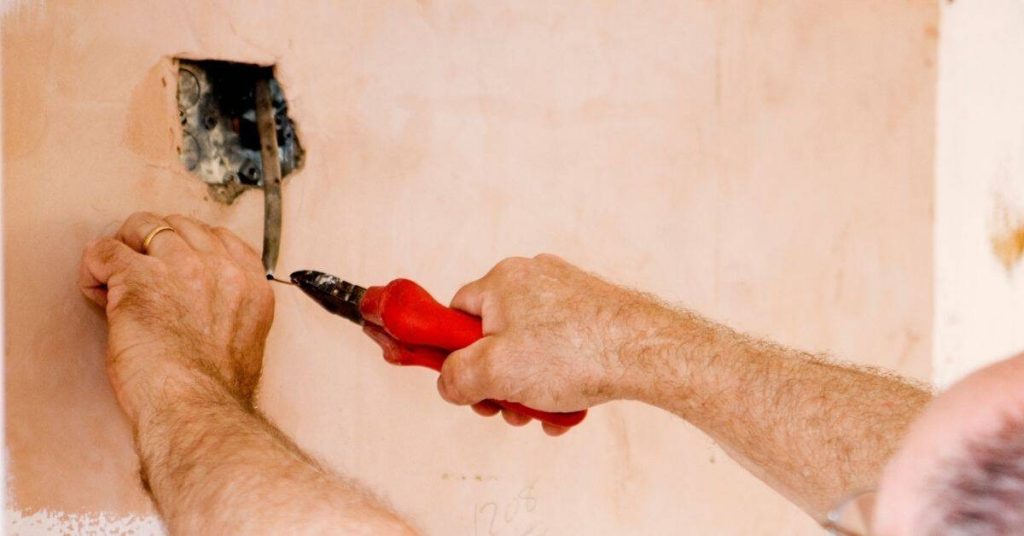
Hands using pliers to pull wire from electrical box in stucco wall

Stucco Around Electrical Meter Bases: Water Management Without Caulk Dams

Introduction Stucco around electrical meter bases is the careful detailing of stucco up to the meter box while managing water to prevent leaks. This approach keeps the enclosure dry and minimizes pathways for water intrusion. Follow manufacturer instructions and local rules to align with safe installation practices. Key methods include planning flashing and weep paths

Stucco Around Electrical Meter Bases: Water Management Without Caulk Dams Read More »

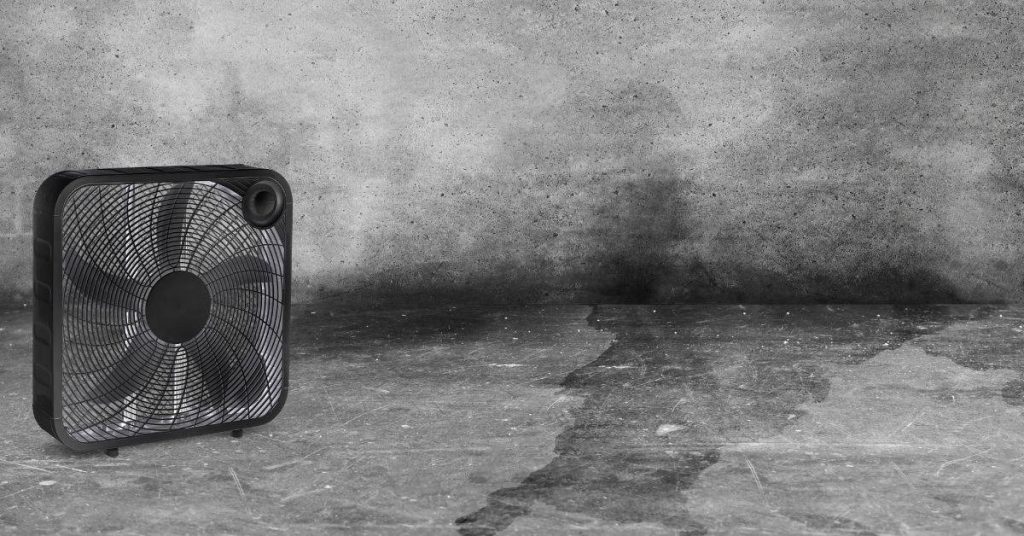
Box fan on concrete floor with dark moisture stains on wall

Concrete Block Moisture Problems: Capillary Rise, Sealers, and Interior Coatings That Make Sense

Introduction Moisture problems in concrete blocks happen when water wicks through the wall, showing up as damp patches and mineral blooms. This is commonly caused by capillary rise and can occur even when the surface seems dry. To deal with it, you need to identify where the moisture is coming from and how the wall

Concrete Block Moisture Problems: Capillary Rise, Sealers, and Interior Coatings That Make Sense Read More »

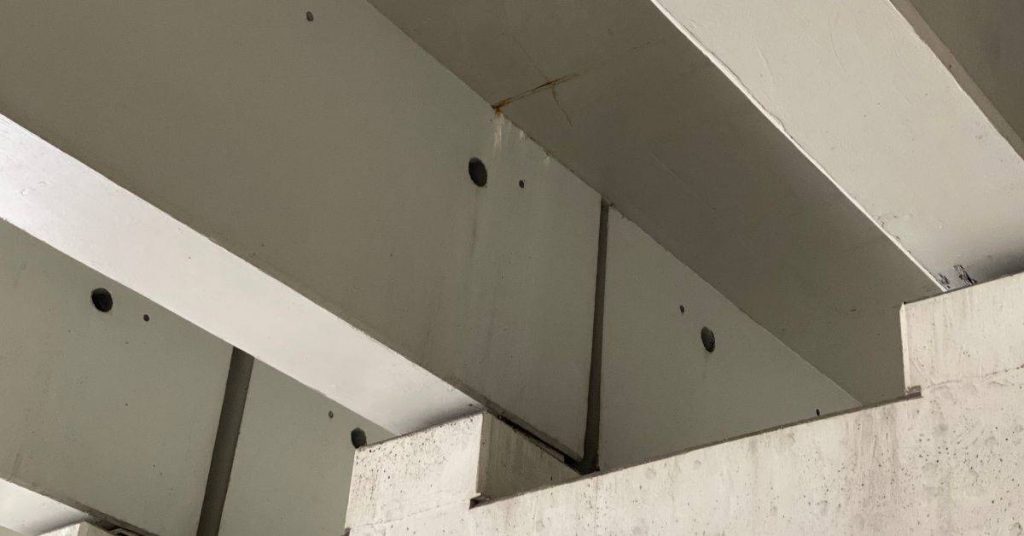
Close-up of concrete beam to column connection with visible joint

Choosing Caulk for Concrete Block Joints: Polyurethane vs Hybrid vs Silicone (and why it matters)

Introduction Caulk for concrete block joints is a flexible sealant used to close gaps between concrete blocks to keep out water and air. Choosing the right sealant starts with the joint type and weather exposure, then applying it with the right tools. Keep in mind it should bond to masonry, cure properly, and be compatible

Choosing Caulk for Concrete Block Joints: Polyurethane vs Hybrid vs Silicone (and why it matters) Read More »

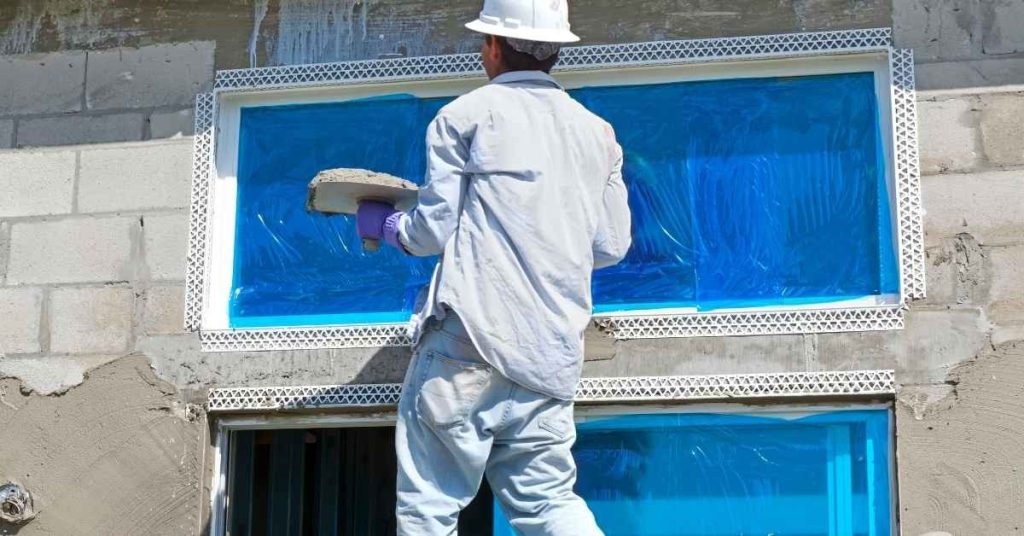
Worker applying stucco around window frame with trowel

Stucco Repairs Around Dryer Vents: Proper Sleeves, Flashing, and Slope

Introduction This guide explains how to repair stucco around dryer vents using proper sleeves, flashing, and slope. I’ll keep it practical and real-world, focusing on what you can check and adjust on the job. You’ll learn how to protect the vent opening from water intrusion while keeping the stucco looking sturdy. Key steps include selecting

Stucco Repairs Around Dryer Vents: Proper Sleeves, Flashing, and Slope Read More »

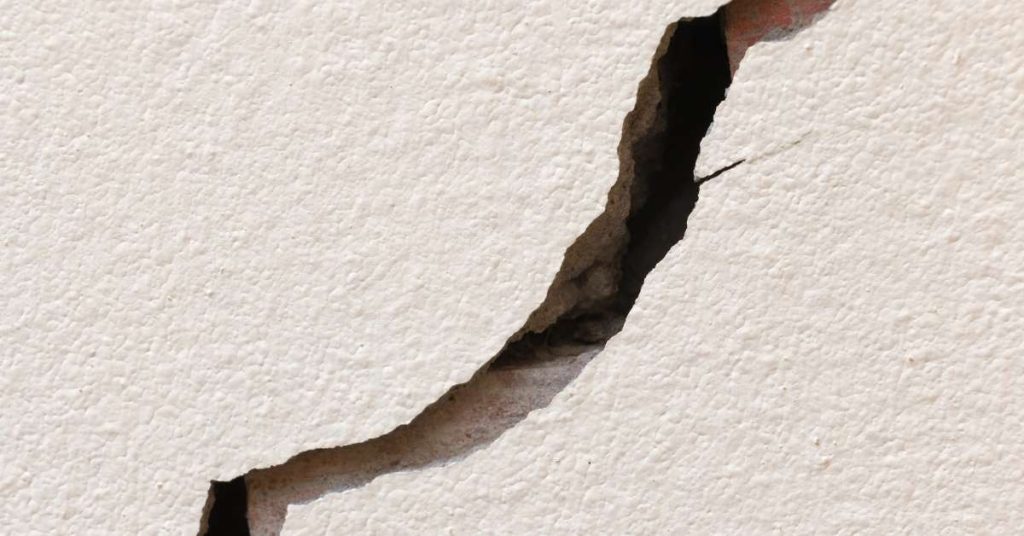
Closeup of deep irregular crack in textured stucco wall

Crack Repairs in Stucco Without Trapping Water: Drainage Plane Reality Check

Introduction Drainage planes are designed to move water out from behind stucco so you don’t trap it against the wall. When cracking repairs are done, you need to preserve that path for moisture to escape while sealing the crack. Check your current system and follow manufacturer guidance for any patch materials and installation steps. If

Crack Repairs in Stucco Without Trapping Water: Drainage Plane Reality Check Read More »

Close-up of stacked stone veneer wall with varied shapes

Brick Veneer 101: Air Gaps, Weeps, and Why “Stuck-On” Systems Fail

Introduction Brick veneer is a non-structural facing that sits on a wall with an intentional air gap to vent moisture. Understanding why air gaps and weep holes matter helps you spot issues before they show up. This setup is what keeps brick veneer performing without relying on the wall itself for support. Stuck-on brick systems

Brick Veneer 101: Air Gaps, Weeps, and Why “Stuck-On” Systems Fail Read More »

Above ground pool with ladder in backyard

Concrete on Frost-Heave-Prone Ground: DIY Drainage Fixes Before You Pour

Introduction Concrete on frost-prone ground needs drainage and subgrade prep to resist heave. In plain terms, moisture and freezing soil can push concrete upward if the ground isn’t managed. Check your local rules and follow manufacturer guidance for soil prep and drainage when planning a pour. A proper base and a simple drainage path help

Concrete on Frost-Heave-Prone Ground: DIY Drainage Fixes Before You Pour Read More »