Search Results for: andy concrete

Concrete screed tool smoothing wet concrete surface

Choosing Aggregate Size for Small Forms: Fewer Voids, Fewer Bugholes, Easier Finishing

Introduction Smaller aggregate size reduces voids and bugholes and makes finishing easier. For DIY projects, pick an aggregate that fits the form and follow the bag label and manufacturer guidance. If in doubt, check local rules or guidance from the mix supplier before deciding. Consolidation and slump are about how well the concrete fills tight […]

Choosing Aggregate Size for Small Forms: Fewer Voids, Fewer Bugholes, Easier Finishing Read More »


Outdoor metal water faucet dripping water drops

Integral Waterproofing Powders vs Liquid Admixtures: What Changes in the Mix Water

Introduction Integral waterproofing powders are dry admixtures added to the concrete mix to bond with cement and block water paths. Liquid admixtures, on the other hand, are poured or stirred in with the water to change how the mix behaves and how water moves through the concrete. In short, powders stay in the cement matrix

Integral Waterproofing Powders vs Liquid Admixtures: What Changes in the Mix Water Read More »

Modern concrete hospital building facade under blue sky

Surface Resistivity Testing: A Simple Durability Indicator for Chloride Exposure

Introduction Surface resistivity testing measures how easily electricity moves across the concrete surface to indicate how resistant the surface is to chloride ingress. As a DIY homeowner, you can view it as a quick check that helps you judge durability without tearing into the slab. Think of it as a simple, hands-on indicator you can

Surface Resistivity Testing: A Simple Durability Indicator for Chloride Exposure Read More »

Close-up of spiked roller on smooth epoxy floor

Nano-Silica in Small Batches: Benefits, Dispersion Tricks, and When It’s Not Worth It

Introduction Nano-silica in small batches means using tiny silica particles in an epoxy mix to boost performance without big-scale formulation. Keep it practical: check the epoxy label for compatibility, follow manufacturer guidance, and stay within local rules. In DIY projects, reliable resources and a few reputable references are worth a look before you start. If

Nano-Silica in Small Batches: Benefits, Dispersion Tricks, and When It’s Not Worth It Read More »

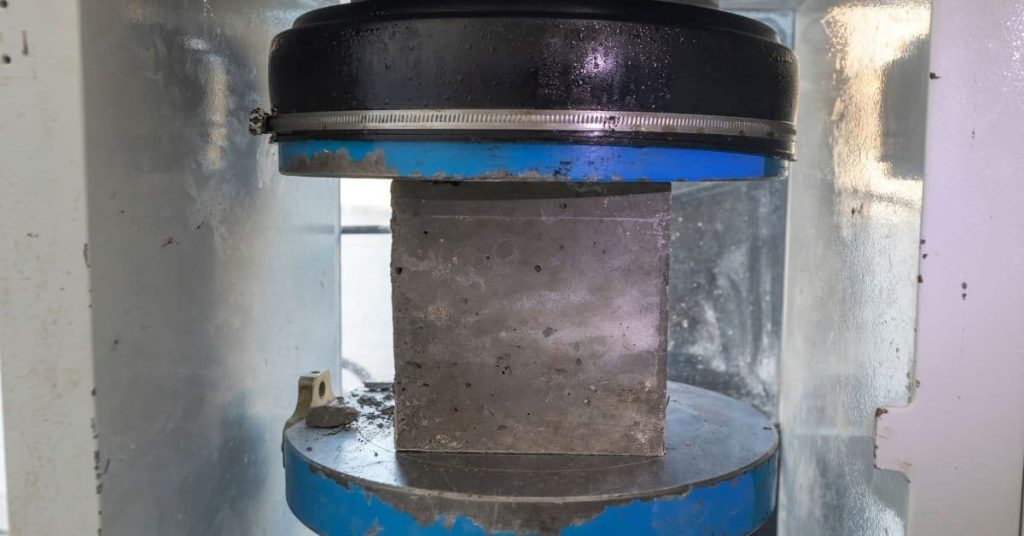
concrete compression test cube inside testing machine

DIY Slump Test: How to Make a Slump Cone and Read the Results

Introduction A slump test measures the workability of fresh concrete by using a cone and watching how much it settles. Key takeaways Understand the slump test measures concrete consistency by observing cone collapse height. Check tools: slump cone, trowel, sampling scoop, and clean curing surface. Follow a step-by-step procedure to ensure consistent results and repeatability.

DIY Slump Test: How to Make a Slump Cone and Read the Results Read More »

Cut cement board pieces with green cutting tool and yellow level

CSA Cement Repairs: Fast-Set Patches That Don’t Turn to Dust

Introduction CSA cement repairs are fast-setting patches that stay solid rather than crumbling. This guide shows you how to apply them on small cracks, chips, and damaged edges without turning the project into a mess. You’ll get a workable patch quickly and keep the surface ready for use. Check product labels and follow manufacturer instructions

CSA Cement Repairs: Fast-Set Patches That Don’t Turn to Dust Read More »

Close-up of wrinkled burlap fabric texture in natural brown color

Stucco Patch Blending: Matching texture so it doesn’t flash in sunlight

Introduction Stucco patch blending is the process of making a new patch texture match the existing wall so it doesn’t flash in sunlight. Keep the goal simple: blend edges, lay color or texture subtly, and avoid obvious patches. Work in small, incremental steps and compare under the sun as you go. Check the patch material

Stucco Patch Blending: Matching texture so it doesn’t flash in sunlight Read More »

Concrete slab being smoothed with a long-handled float

Control Joints That Look Bad: Making sawcuts straighter and less noticeable

Introduction Control joints that look bad are joints in concrete that are crooked or wavy and draw the eye. They’re not meeting the surface cleanly, and that makes the floor look unfinished. A straight, neat sawcut can dramatically improve the overall look with less crowding around the joints. Your best bet is to use proper

Control Joints That Look Bad: Making sawcuts straighter and less noticeable Read More »

Empty room with polished concrete floor and large windows

Superplasticizer for Small Batches: Getting flow without adding water or causing separation

Introduction A superplasticizer for small batches is a concrete additive that helps it flow without adding extra water. Use it to reduce water content while maintaining workability, but check the label for batch size and separation warnings. Always follow the manufacturer’s instructions and local rules for mixing, curing, and safety. There are different types of

Superplasticizer for Small Batches: Getting flow without adding water or causing separation Read More »