Search Results for: Sealing a natural stone floor in a shower

DIY concrete floor ideas for different rooms

DIY concrete floor ideas for different rooms

Table of Contents Introduction Reasons to Consider Concrete Flooring Key Advantages of Concrete Flooring Design and Customization Possibilities Care and Maintenance for Concrete Floors Conclusion FAQ Introduction If you’re updating a room with concrete floors or replacing old carpet, you’re in the right spot. Transitioning to concrete may seem daunting, but there are numerous design […]

DIY concrete floor ideas for different rooms Read More »

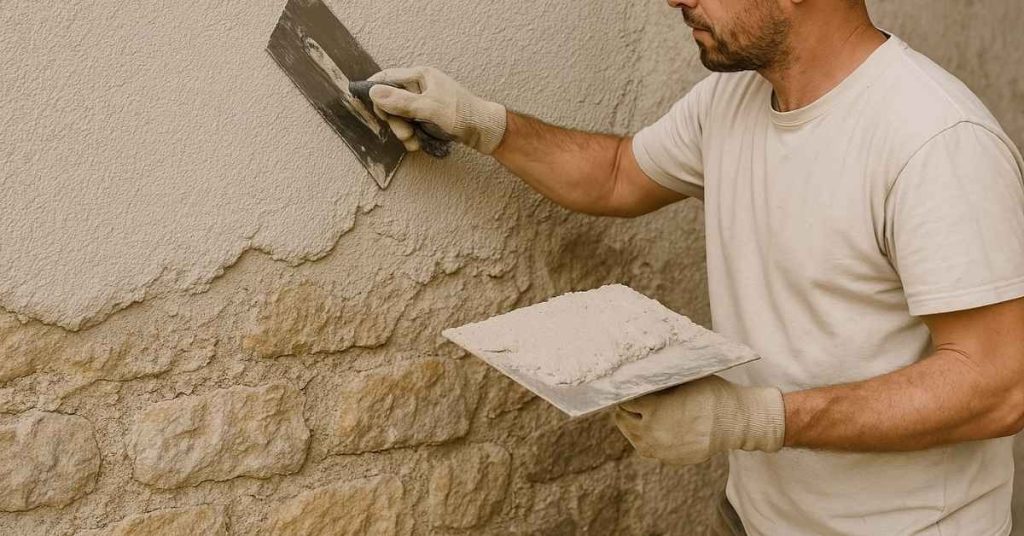
Person applying clay plaster over rough stone wall

Living with clay plaster in wet rooms: daily use, splash zones, and long-term touch-ups

Introduction Clay plaster in wet rooms is a breathable natural coating that helps manage moisture while providing a warm, tactile surface. In daily use, expect a soft, matte finish that can tolerate routine cleaning and occasional splashes. The material relies on proper backing and sealing in splash zones to perform well over time. Long-term upkeep

Living with clay plaster in wet rooms: daily use, splash zones, and long-term touch-ups Read More »

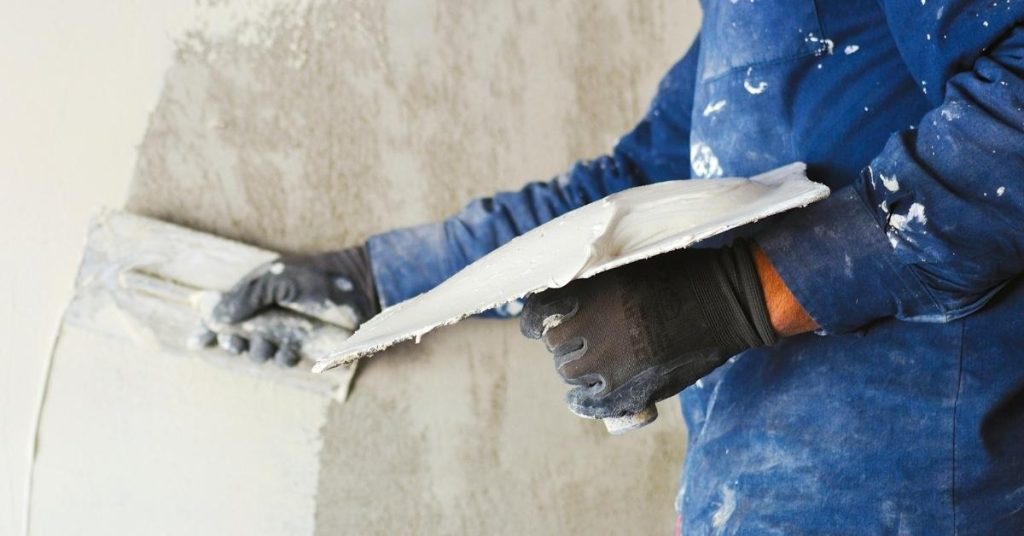
Worker applying plaster to wall with trowel and hawk

Venetian Plaster Over Existing Tile: Prep, Bond Bridges, and Edge Detailing

Introduction Venetian plaster over existing tile is applying plaster onto a tile surface to create a seamless, stone-like finish. Prep and bond are critical, because you’re sticking plaster to a non-porous base. You’ll need to clean, roughen, and seal as needed, then choose a compatible bonding product and follow its directions. Start with careful prep,

Venetian Plaster Over Existing Tile: Prep, Bond Bridges, and Edge Detailing Read More »

Worker smoothing plaster on wall with trowel

Tadelakt Maintenance: Keeping water resistance without constant rework

Introduction Tadelakt maintenance is the ongoing care of a lime plaster finish to preserve water resistance. It relies on keeping the surface clean, timely repairs, and periodic re-waxing or sealing as needed. If you notice water infiltration or dull spots, check the product labels and follow the manufacturer guidance. In practice, you can spot-treat small

Tadelakt Maintenance: Keeping water resistance without constant rework Read More »

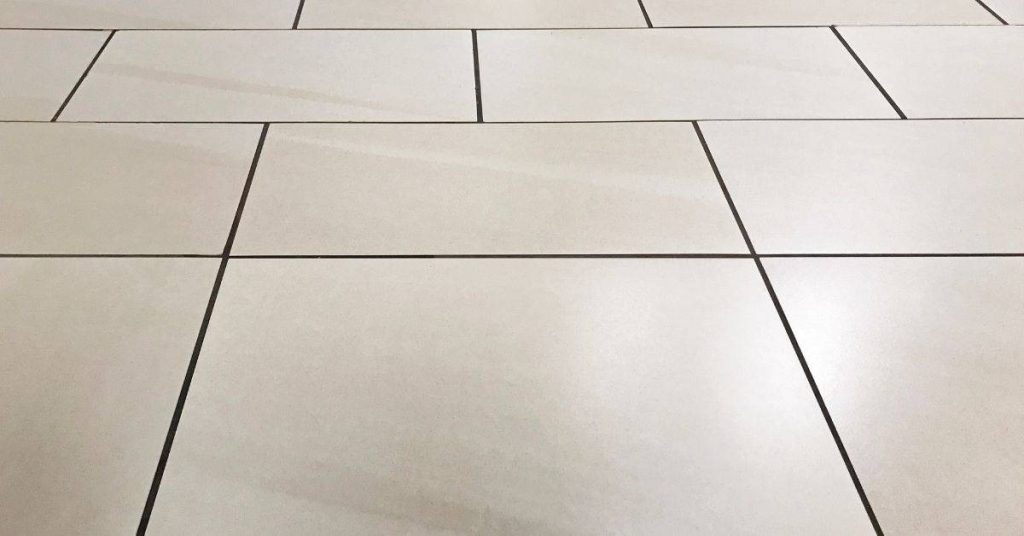
Light beige porcelain floor tiles with dark grout lines

Decoupling Membranes for Tile: When They Matter and When They’re Overkill

Introduction Decoupling membranes are underlayment products that isolate tile from the substrate to reduce cracks. They act as a physical buffer that absorbs movement in the substrate. Use them if the substrate is uneven, shows cracks, or you want moisture control. There are sheet and liquid types, each with its own installation steps. Check the

Decoupling Membranes for Tile: When They Matter and When They’re Overkill Read More »

Bucket with mortar mixing paddle and hand tools inside

Grout vs Mortar vs Thinset: Picking the Right Material for Each Job

Introduction Grout, mortar, and thinset are three distinct masonry materials used for different jobs: grout fills gaps between tiles, mortar binds bricks or blocks, and thinset is a cement-based adhesive for setting tiles. In DIY work, choose based on whether you need bonding, filling, or leveling, and adjust for indoor vs outdoor use. Standard blends

Grout vs Mortar vs Thinset: Picking the Right Material for Each Job Read More »

Black and white marble tile surfaces

Tadelakt vs Tile: Where Tadelakt Works, Where It Fails, and What to Use Instead

Introduction Tadelakt is a traditional lime plaster finish used on walls and wet areas. This article offers a plain‑spoken look at where it works well, where it doesn’t, and what you should consider as a DIYer. We cover the basic idea of applying it, the materials you’ll need, and when tiling might be a safer

Tadelakt vs Tile: Where Tadelakt Works, Where It Fails, and What to Use Instead Read More »

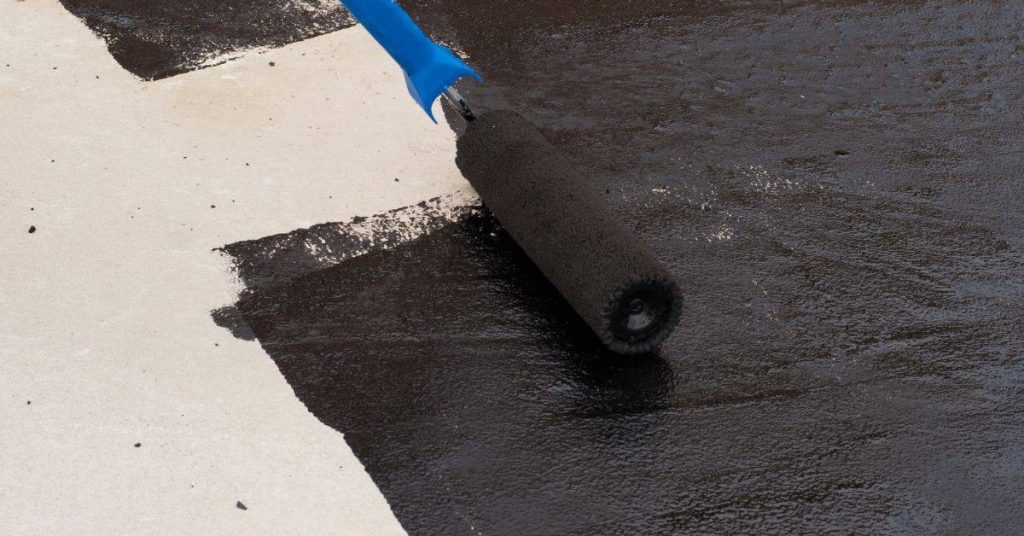
Paint roller applying black sealer on light tile surface

Microcement Over Tile: Prep, Base Coats, Sealer Choices, and DIY Success Factors

Introduction Microcement over tile is a system that coats existing tile with a cement-based finish after proper prep. This approach hinges on solid surface prep, compatible primers, and careful application to stay durable and look even. Base coats and layering are key, and you should follow the product instructions and check for compatibility with tile

Microcement Over Tile: Prep, Base Coats, Sealer Choices, and DIY Success Factors Read More »

Smooth beige polished lime plaster wall surface

Polished Lime Plaster in Wet Areas: Timeline & Duration for DIY Installation

Introduction The timeline and duration of installing polished lime plaster in wet areas can vary depending on several factors. Understanding the process and its key stages will help you plan your project effectively. In this guide, we’ll break down the installation process into a clear timeline, ensuring you know what to expect at each stage

Polished Lime Plaster in Wet Areas: Timeline & Duration for DIY Installation Read More »