Search Results for: Non sag repair mortar

Thinset Consistency Test: How to Mix so It Holds Ridges but Still Wets Out

Thinset Consistency Test: How to Mix so It Holds Ridges but Still Wets Out

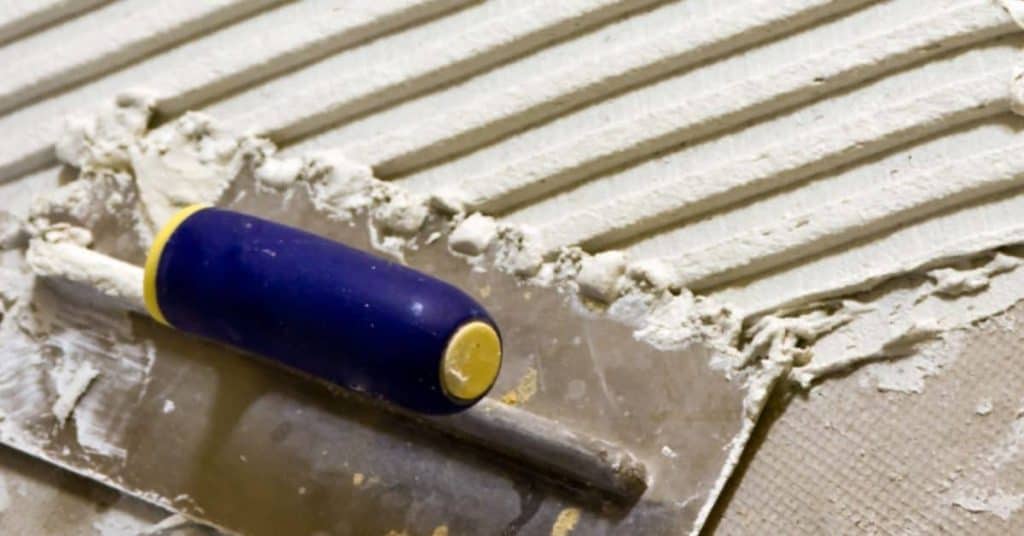
Introduction The consistency of your thinset mortar is crucial for a successful tile installation. It needs to be thick enough to hold the ridges on your trowel, but still wet out and adhere properly to the surface. In this guide, we’ll walk you through a simple test to ensure your thinset mix is just right […]

Thinset Consistency Test: How to Mix so It Holds Ridges but Still Wets Out Read More »
Back-Buttering When It Matters: Large-Format Tile Vs Small Tile Reality

Back-Buttering When It Matters: Large-Format Tile Vs Small Tile Reality

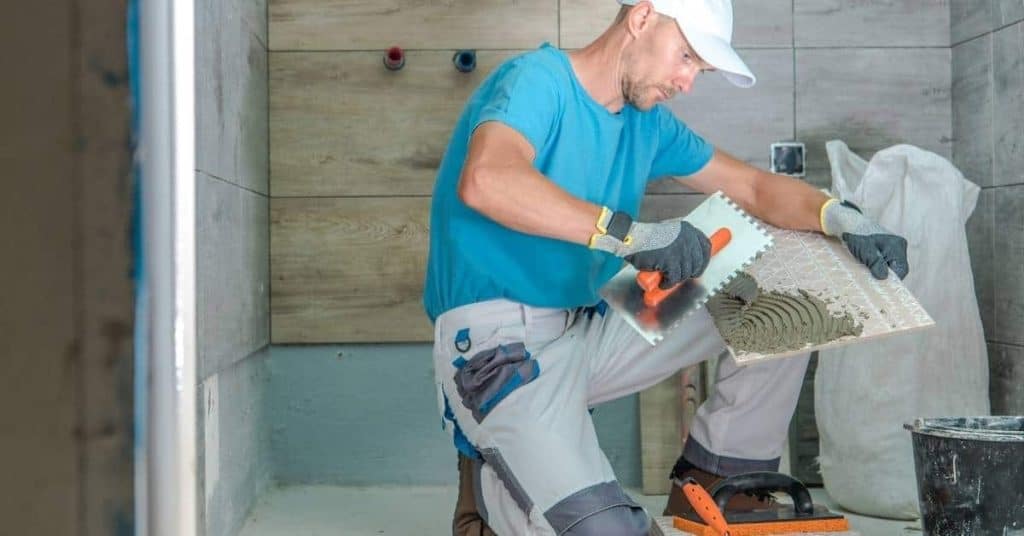
Introduction Back-buttering is essential for large-format tiles to prevent hollow spots and reduce lippage. The guide explains when back-buttering matters, how to determine proper coverage, and practical steps you can apply to both large-format and small tiles. You’ll learn how to mix and apply adhesive correctly, how to back-butter tile backs and substrates, and how

Back-Buttering When It Matters: Large-Format Tile Vs Small Tile Reality Read More »

Flattening a Wall for Tile: the “before Tile” Step That Prevents Lippage

Flattening a Wall for Tile: the “before Tile” Step That Prevents Lippage

Introduction Flattening a wall before tiling prevents lippage and creates a flat, durable tile surface. In this guide you’ll learn how to assess wall flatness, identify common high and low spots, and apply practical steps to bring every area to level before you lay tile. The approach covers simple checks, common techniques, and ways to

Flattening a Wall for Tile: the “before Tile” Step That Prevents Lippage Read More »

Inside Corners in Showers: Caulk Vs Grout and Where Movement Actually Happens

Inside Corners in Showers: Caulk Vs Grout and Where Movement Actually Happens

Introduction In shower inside corners, caulk handles movement while grout is best for rigid joints. The guide explains when to use each, how to assess movement in corners, and practical steps for proper application and sealing. Key takeaways Caulk tolerates movement in vertical corners; grout is rigid and can crack. Movement occurs mainly where framing

Inside Corners in Showers: Caulk Vs Grout and Where Movement Actually Happens Read More »

Expansion/Movement Joints: Where to Leave Gaps and How to Finish Them Cleanly

Expansion/Movement Joints: Where to Leave Gaps and How to Finish Them Cleanly

Introduction Leave proper gaps at expansion and movement joints to accommodate building movement and prevent cracking. This introduction explains how to choose appropriate gap sizes, where joints belong, and how to finish them cleanly with durable sealants and proper detailing. You’ll learn practical tips, common mistakes to avoid, and a straightforward approach to creating joints

Expansion/Movement Joints: Where to Leave Gaps and How to Finish Them Cleanly Read More »

The Most Overlooked Step in Flashing Installation That Prevents Annoying Water Leaks

The Most Overlooked Step in Flashing Installation That Prevents Annoying Water Leaks

Introduction Properly sealing joints during flashing installation is the most overlooked step that prevents annoying water leaks. This article explains why that step matters and walks you through practical techniques, tips, and common mistakes to avoid so you can install flashing with confidence. You’ll learn how to identify vulnerable spots, choose the right sealant, and

The Most Overlooked Step in Flashing Installation That Prevents Annoying Water Leaks Read More »

Flashing and WRB: the Seasonal Pattern of Spring Showers That Tests Your Home’s Defense

Flashing and WRB: the Seasonal Pattern of Spring Showers That Tests Your Home’s Defense

Introduction Flashing and WRB define how seasonal spring rain can test a home’s weatherproofing and structural defenses. The article explains why this matters for your home and walks you through practical steps to assess, seal, and maintain flashing and WRB details, with tips and rules of thumb to prevent leaks. You’ll learn what signs to

Flashing and WRB: the Seasonal Pattern of Spring Showers That Tests Your Home’s Defense Read More »

Stucco Cracks: the Myth of ‘just Cosmetic’ Damage That Can Cost You Thousands

Stucco Cracks: the Myth of ‘just Cosmetic’ Damage That Can Cost You Thousands

Introduction Stucco cracks are rarely cosmetic and can signal costly structural or moisture issues. This guide explains why cracks matter, how to assess severity, and what steps you can take to prevent further damage. You’ll learn practical tips for inspection, signs to watch for, and the kind of expert advice to seek before repairs. Back

Stucco Cracks: the Myth of ‘just Cosmetic’ Damage That Can Cost You Thousands Read More »

The Hidden Moisture Culprit Behind Stucco Cracks (it’s Not What You Think)

The Hidden Moisture Culprit Behind Stucco Cracks (It’s Not What You Think)

Introduction Hidden moisture intrusion behind stucco is the primary cause of cracks, not normal settling. Understanding this shifts how you diagnose problems, prevent further damage, and choose safer repair methods. The guide walks you through simple checks, practical tips for moisture control, and common-sense rules of thumb to protect your stucco walls. Back to top

The Hidden Moisture Culprit Behind Stucco Cracks (It’s Not What You Think) Read More »