Search Results for: Non sag repair mortar

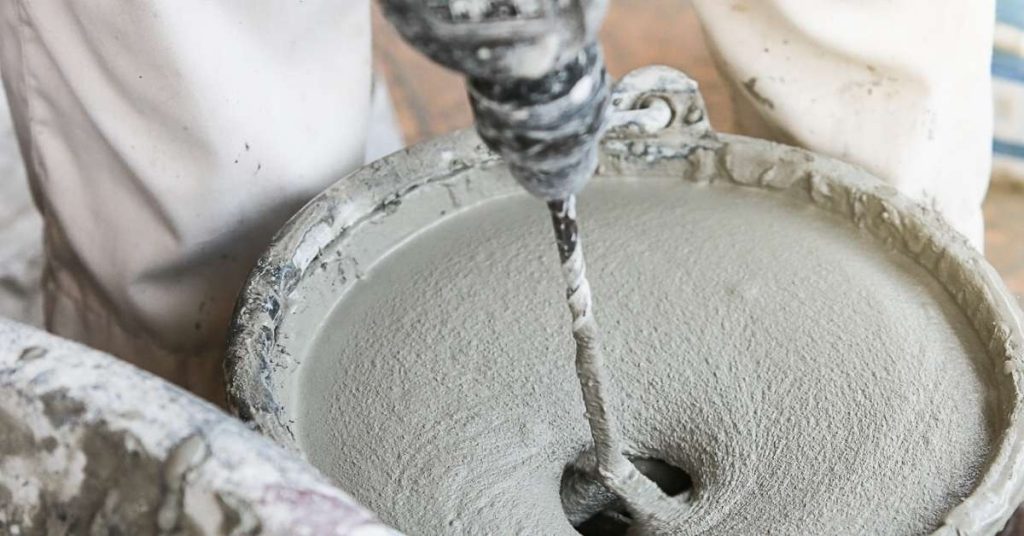
Electric mixer blending cement in a bucket

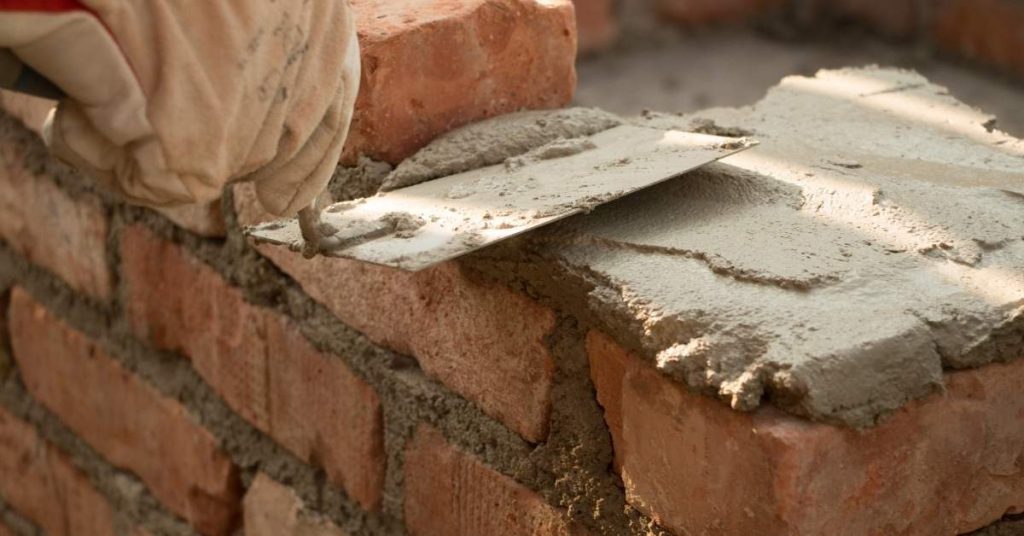
Cleaning concrete and mortar mixers and paddles: preventing rust flakes and stuck cement rings

Introduction Cleaning concrete and mortar mixers and paddles involves removing cement residue, grime, and surface rust to ensure smooth operation and prevent rust flakes or cement rings from forming. This routine maintenance extends equipment life and maintains consistent mixing results. Use simple steps and ordinary shop tools for this hands-on task. Select cleaning methods and […]

Cleaning concrete and mortar mixers and paddles: preventing rust flakes and stuck cement rings Read More »

Hand using drill to bore holes in brick wall

Brick mortar color matching: sand selection and pigment dosing without surprises

Introduction Brick Mortar Color Matching Matching brick mortar color involves selecting sand and pigments to achieve a consistent shade in the finished product. This guide offers a practical approach for DIYers working with common bricks and mixes, focusing on real-world steps rather than theoretical formulas. Sand selection and pigment dosing determine the final look. Choose

Brick mortar color matching: sand selection and pigment dosing without surprises Read More »

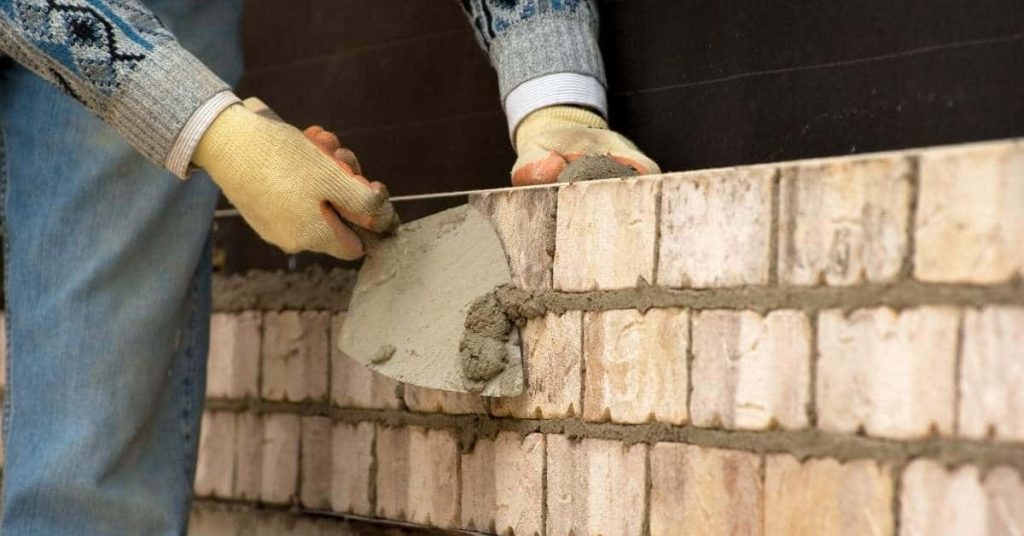
Gloved hand applying mortar on brick wall with trowel

Repointing brick mortar: matching hardness and color without damaging the units

Introduction Repointing brick mortar is the process of renewing the mortar between bricks to restore structure, weatherproofing, and appearance. It involves removing deteriorated mortar and packing in new mortar that bonds to the bricks. This is a hands-on repair that requires choosing the right mix and applying it carefully to avoid damaging the units. To

Repointing brick mortar: matching hardness and color without damaging the units Read More »

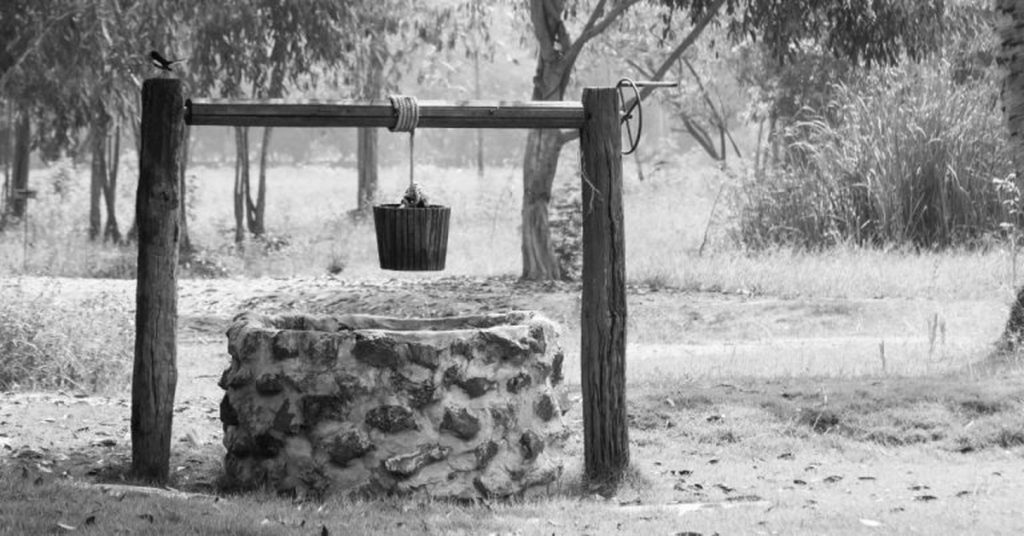
Stone water well with bucket hanging on pulley system

Choosing the right concrete crack repair for your situation: movement, width, and water

Introduction Choosing the right concrete crack repair depends on movement, width, and water exposure. This article explains how these factors guide material choice and repair approach. It keeps the guidance practical and focused on real‑world DIY work. Cracks come from settlement, drying shrinkage, or load stress, and they vary from hairline to wider gaps. Prepare

Choosing the right concrete crack repair for your situation: movement, width, and water Read More »

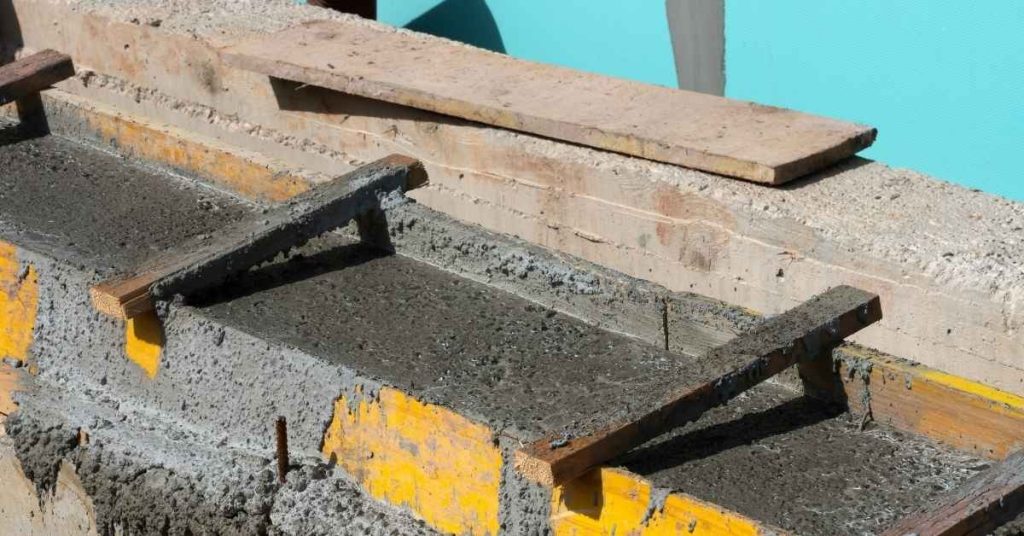
Fresh concrete poured into wooden formwork sections

Rock pockets on formed faces: prevention during pour and durable cosmetic repairs

Introduction Rock pockets on formed faces are voids left behind when concrete doesn’t fully fill the form, showing up as visible dimples or craters. Prevention starts at form setup, proper vibration, and keeping the form clean so the pour fills evenly. Check for tight joints, correct slump, and adequate consolidation during the pour. For durable

Rock pockets on formed faces: prevention during pour and durable cosmetic repairs Read More »

Stone column bases and brick wall with light reflections

Brick Chimney Crown Repairs: Why Crowns Crack and How to Form Better Ones

Introduction A brick chimney crown is the concrete cap that sits on top of a brick chimney and keeps water out. Cracks show that the crown is failing and needs attention to prevent water damage. In this DIY guide, you’ll learn a practical, hands-on approach to inspecting, preparing, and forming a better crown. Always check

Brick Chimney Crown Repairs: Why Crowns Crack and How to Form Better Ones Read More »

stacked precast concrete columns outdoors

Concrete Pop-Out Repairs: How Deep to Remove, What to Patch With, and How to Blend

Introduction A concrete pop-out is a damaged, loose piece of concrete that needs removal and repair. Treat it as a small excavation: remove the loose material and sound the edges to see how deep the void goes. This article shows a practical way to safely cut back, patch, and blend so the repair looks and

Concrete Pop-Out Repairs: How Deep to Remove, What to Patch With, and How to Blend Read More »

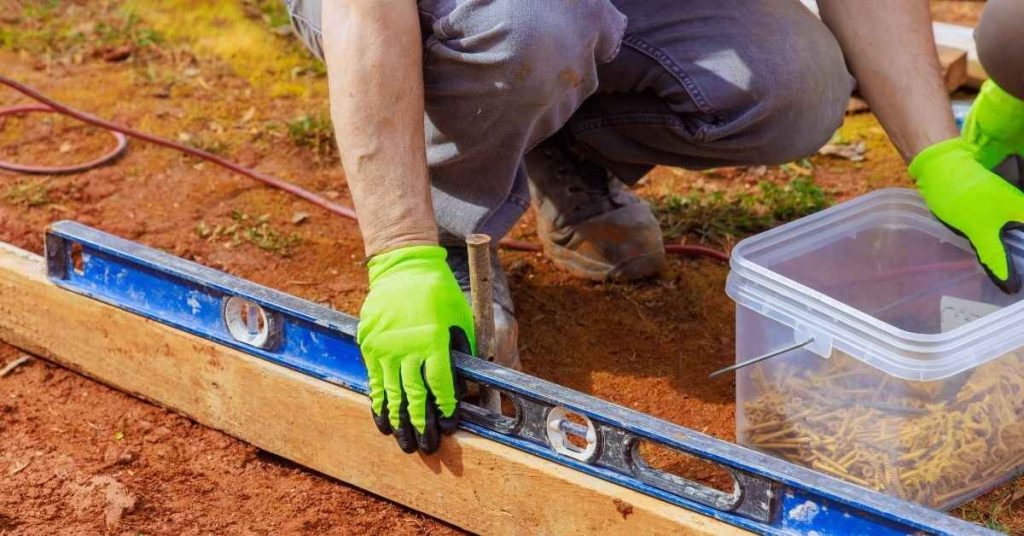
Person using level tool on wooden form outdoors

Anti-Washout Admixtures for Underwater or Wet-Form Repairs: Niche, but Useful

Introduction Anti-washout admixtures are additives that help concrete stay in place underwater or in wet forms. They slow water loss and improve cohesion so the mix doesn’t segregate. Use only as directed on the product label and by local rules. Pick a product that is rated for underwater or wet-form use, and read the label

Anti-Washout Admixtures for Underwater or Wet-Form Repairs: Niche, but Useful Read More »

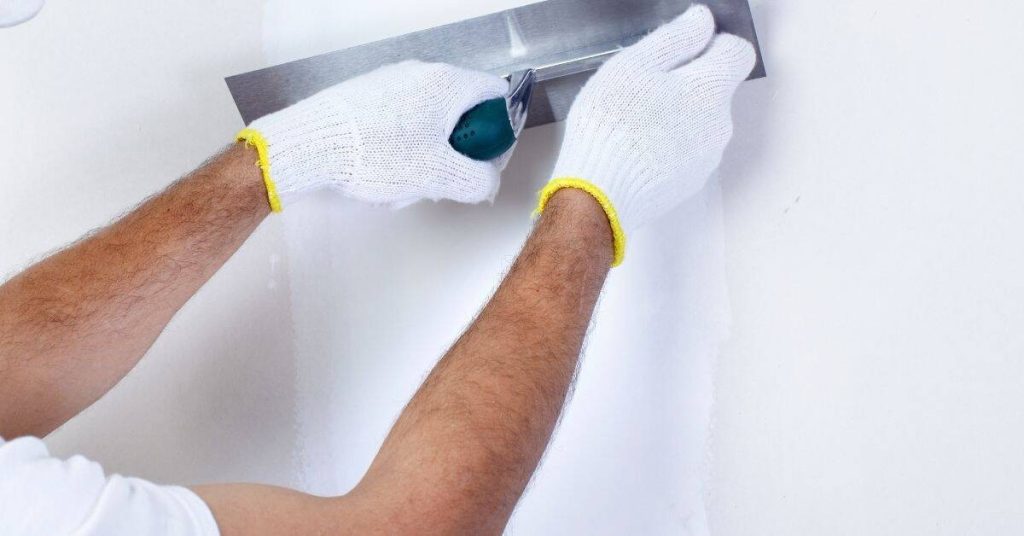
Hands applying mortar to brick wall with trowel

Self-Consolidating Mortar for Small Repairs: Mimic SCC Behavior Without Renting a Pump

Introduction Self-consolidating mortar is a flowable mix that fills small voids and cracks without the need for vibration. For DIY repairs, it behaves like a high-flow grout that can level and settle in tight spaces, mimicking SCC behavior without renting a pump. Always check the product label and manufacturer instructions to confirm compatibility with your

Self-Consolidating Mortar for Small Repairs: Mimic SCC Behavior Without Renting a Pump Read More »