Search Results for: Non sag repair mortar

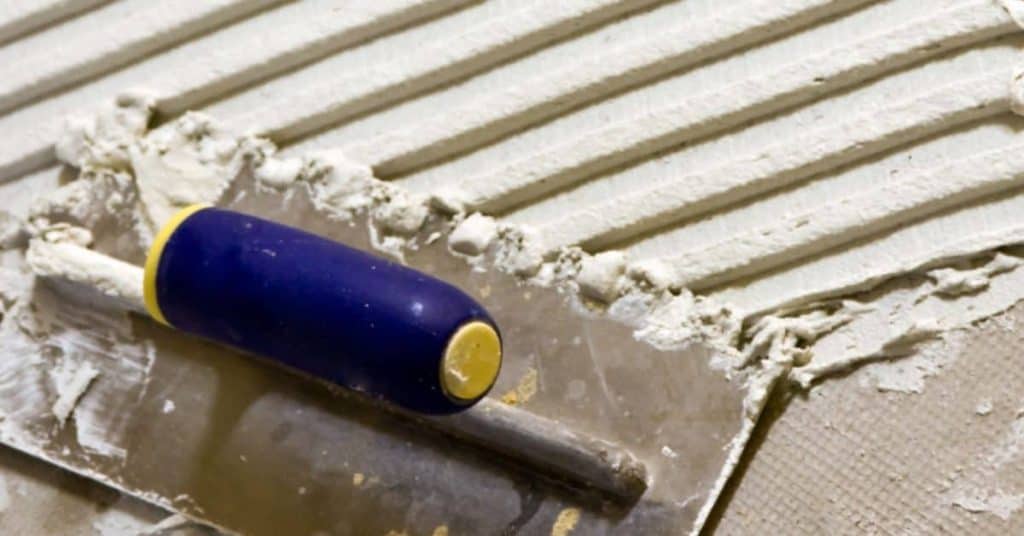
Notched trowel spreading adhesive on surface

Mastic Vs Thinset for Backsplashes: Where Mastic Is Safe and Where It Fails

Introduction Mastic is a flexible, premixed adhesive that some DIYers use for lightweight backsplashes. Thinset is a cement-based mortar that needs mixing and longer cure times. For most reliable backsplashes, you should check manufacturer guidance and local rules before choosing. Key takeaways Mastic is easier for small, dry layouts but unsuitable for wet areas. Thinset

Mastic Vs Thinset for Backsplashes: Where Mastic Is Safe and Where It Fails Read More »

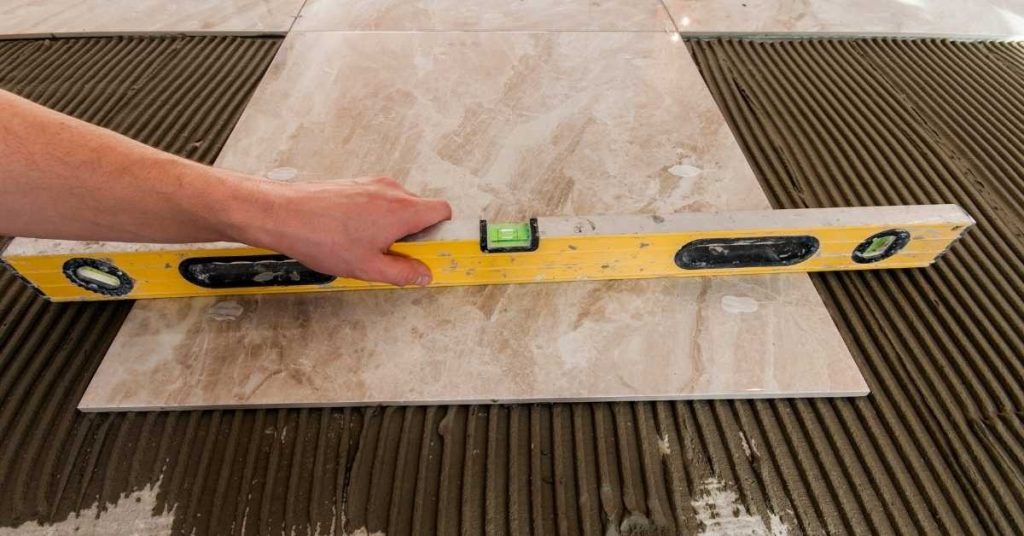
Rubber mallet and level on concrete floor with tiles

Tile Substrate Checklist: What Must Be Flat, Solid, and Clean Before You Start

Introduction Your tile substrate must be flat, solid, and clean before you start. That means checking for levelness, firm backing, and a dust-free surface. If you find problems, fix them before laying tile. -None>Check the substrate with a straightedge or level and use the right patching or leveling products as directed on the label. Sweep

Tile Substrate Checklist: What Must Be Flat, Solid, and Clean Before You Start Read More »

Man applying plaster near window corner with trowel

How to Fix Plaster Cracks at Door and Window Corners (Reinforcement Choices)

Introduction This guide explains how to reinforce and fix plaster cracks at door and window corners. Key takeaways Identify plaster cracks at door and window corners early; note hairline vs structural. Assess damage and plan: remove loose plaster, check lath backing, choose reinforcement. Replacing damaged lath or backing may be required for solid repair. Apply

How to Fix Plaster Cracks at Door and Window Corners (Reinforcement Choices) Read More »

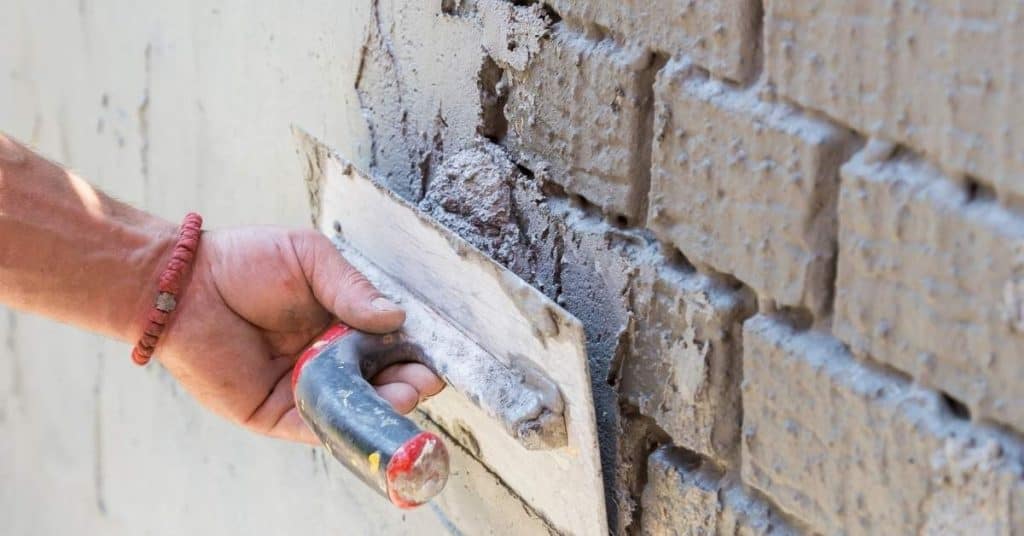
Hand applying plaster to rough brick wall with trowel

Lime Plaster Vs Gypsum Plaster: Compatibility Rules for Old Houses

Introduction Lime plaster and gypsum plaster are two plaster options for old houses, and their compatibility with the wall is a key difference. Lime plaster lets walls breathe and flex a bit, while gypsum plaster goes on smoother and dries faster. In simple terms, choose lime if you need moisture handling and wall compatibility; choose

Lime Plaster Vs Gypsum Plaster: Compatibility Rules for Old Houses Read More »

close-up of blue textured stucco wall surface

How to Patch Small Stucco Cracks That Keep Coming Back

Introduction Recurring small stucco cracks can be patched, but success depends on whether movement has stopped. Common DIY methods include caulking, meshing with reinforcement, or applying a new coat over the repaired area. Before you patch, assess how many cracks there are and whether they seem to be spreading, which guides your method. Expect patches

How to Patch Small Stucco Cracks That Keep Coming Back Read More »

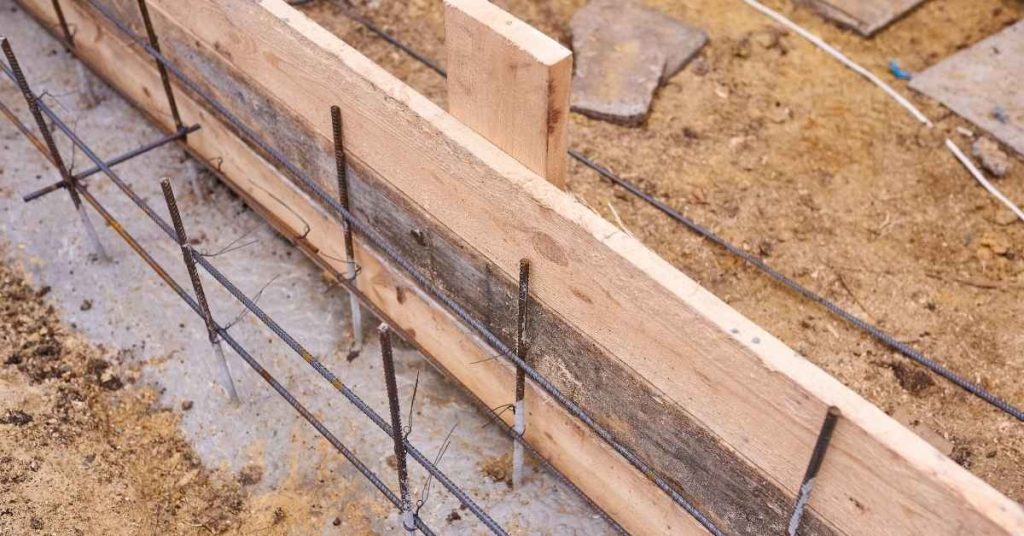
Wooden concrete form with rebar set in dirt and gravel

Anti-Corrosive Admixtures in Concrete: Problems Explained: Causes, Testing, and Fixes

Introduction Anti-corrosive admixtures are additives used to slow or prevent the corrosion of steel in concrete. This topic covers how improper mix, moisture, and exposure can lead to corrosion problems and why a DIYer should understand the basics. We’ll explain causes, testing, and fixes in plain language for practical, on-site work. Common problems include rust

Anti-Corrosive Admixtures in Concrete: Problems Explained: Causes, Testing, and Fixes Read More »