Search Results for: Non sag repair mortar

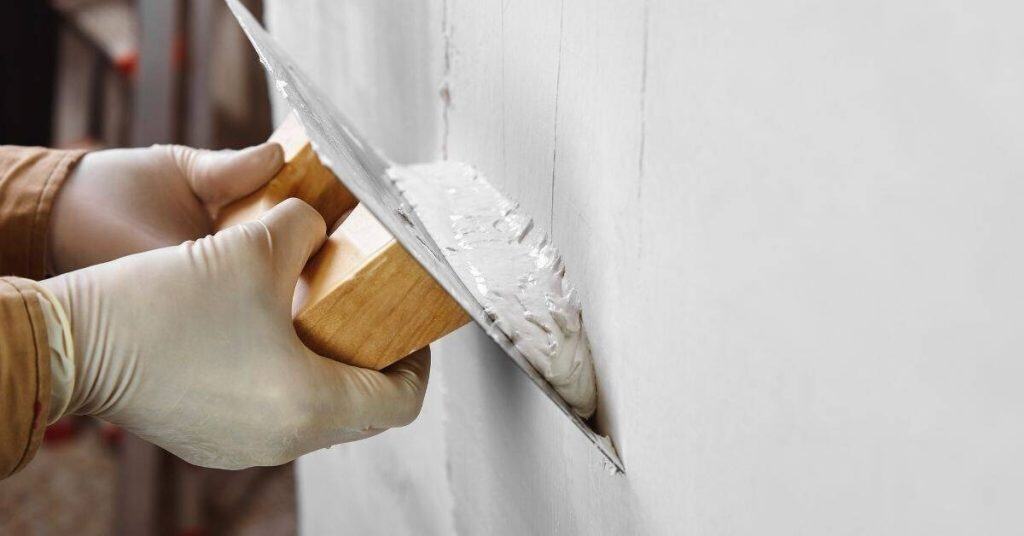
Hand smoothing plaster on wall with a trowel

Bull Floating vs Magnesium Floating: When Each Surface Is Better for Finishes

Introduction Bull floating uses a wide, rigid tool to flatten and level fresh concrete quickly while magnesium floating uses a lighter, textured board to work the surface finer; choose the tool that matches where you are in the finishing sequence and the look you want. In practice that means use a bull float early to […]

Bull Floating vs Magnesium Floating: When Each Surface Is Better for Finishes Read More »

Person using level tool on wooden formwork at a construction site

Bugholes in Architectural Concrete: Form Facing, Vibration, and Patch Methods That Blend

Introduction Bugholes in architectural concrete are the small surface voids left by trapped air or water at the form face, and they usually come from mix air content, form material, placement technique, and vibration practice. In plain jobsite terms, they show where the concrete didn’t consolidate against the form or where bleed water concentrated, so

Bugholes in Architectural Concrete: Form Facing, Vibration, and Patch Methods That Blend Read More »

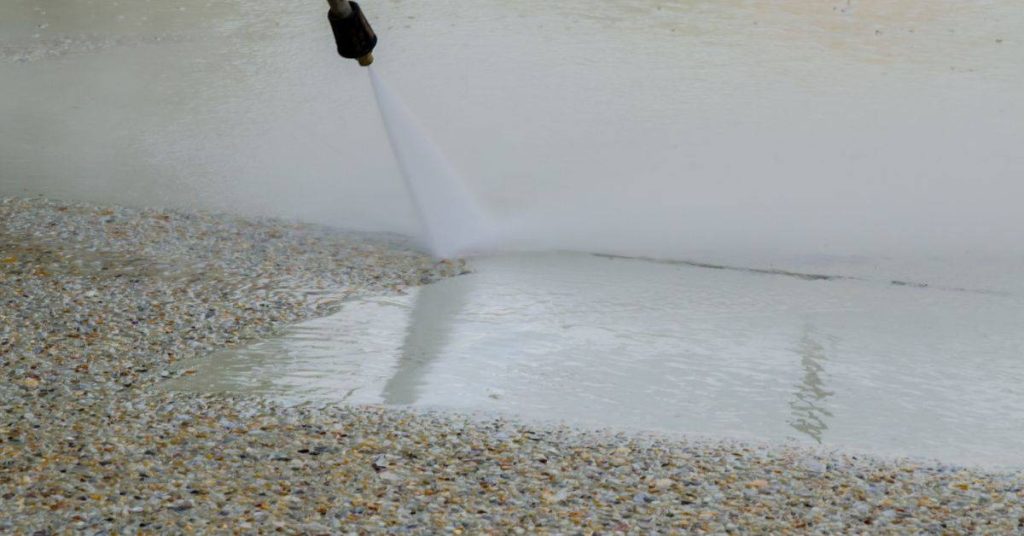
pressure washer cleaning exposed aggregate concrete surface

Concrete Countertop Mix Design for DIY: Step-by-Step Timeline and Duration Guide

Introduction Planning a concrete countertop project involves careful timing to ensure the best results. From mix design to curing, each step takes specific time commitments. This guide walks you through the timeline and duration of key processes, helping you plan your DIY project efficiently. Let’s dive into the step-by-step timeline, so you know exactly what

Concrete Countertop Mix Design for DIY: Step-by-Step Timeline and Duration Guide Read More »

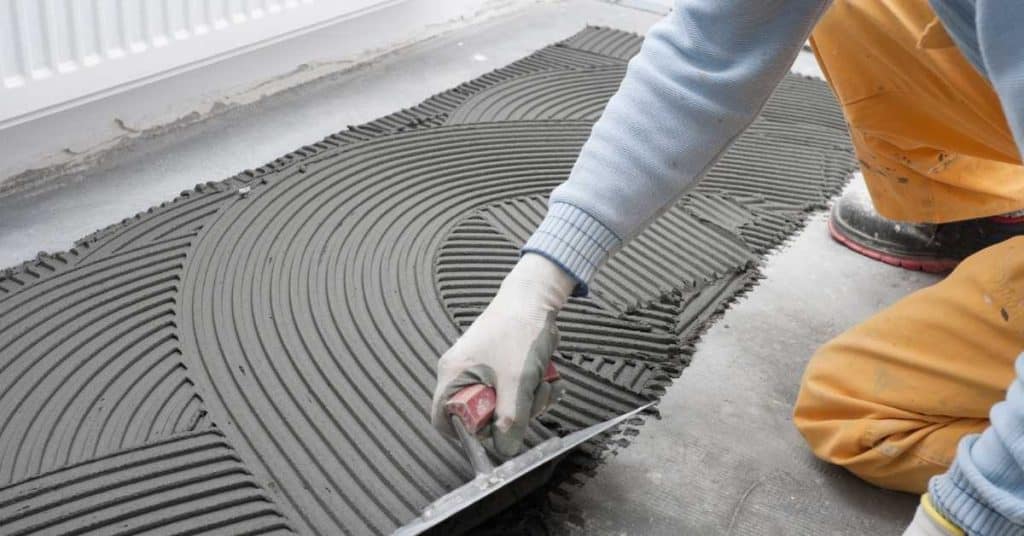
Person spreads thinset using a notched trowel, creating circular ridges.

Tile Leveling Systems Mistakes: When Clips Cause Lippage, Hollow Spots, or Wasted Time

Introduction Tile leveling systems are tools meant to hold tiles flat during setting, but when used wrong the clips and wedges can create lippage, hollow spots, or waste time. In plain terms: wrong clip placement, uneven mortar, or over-tightening are the usual culprits. This piece tells you what to watch for and how to think

Tile Leveling Systems Mistakes: When Clips Cause Lippage, Hollow Spots, or Wasted Time Read More »

Worker applying plaster with trowel on wall corner

Plaster Over Painted Concrete Block: Bonding Agent Choices and Keying Techniques

Introduction Plaster over painted concrete block means applying plaster to a surface that has paint, using a bonding agent and surface keying to make the plaster stick. You’ll want a bonding agent that’s compatible with both the paint and the plaster mix you plan to use. Keying techniques involve scuffing or abrading the paint and

Plaster Over Painted Concrete Block: Bonding Agent Choices and Keying Techniques Read More »

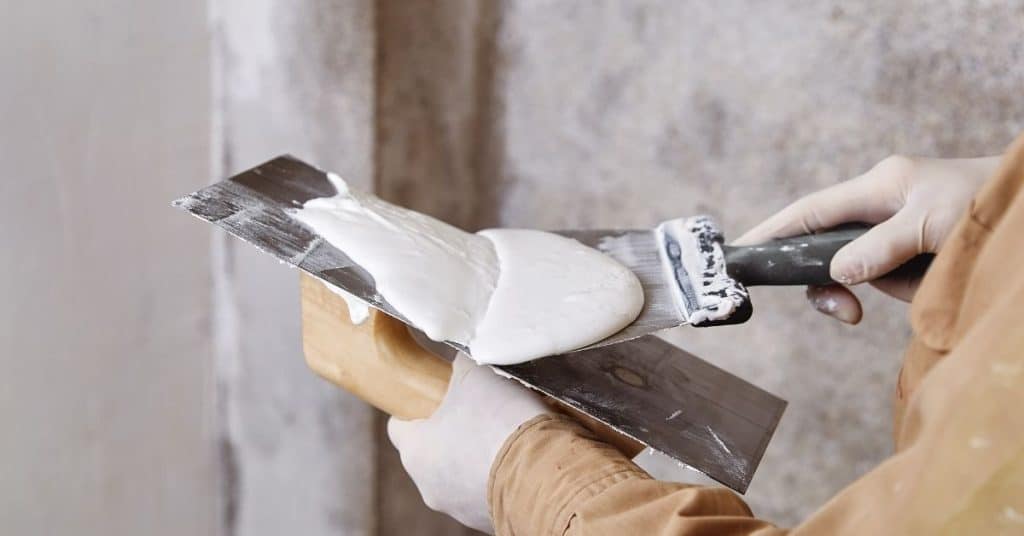
Person spreading white plaster on metal trowel with spatula

Mixing Lime Putty Plaster at Home: Safety, Storage, and Workability Tips

Introduction Mixing lime putty plaster is combining lime putty, sand, and water to create a workable plaster for traditional walls. This short guide focuses on safety, storage, and how to judge workability when you mix it at home. Always check manufacturer instructions and local rules for any exact ratios or requirements. Start with clean, dry

Mixing Lime Putty Plaster at Home: Safety, Storage, and Workability Tips Read More »

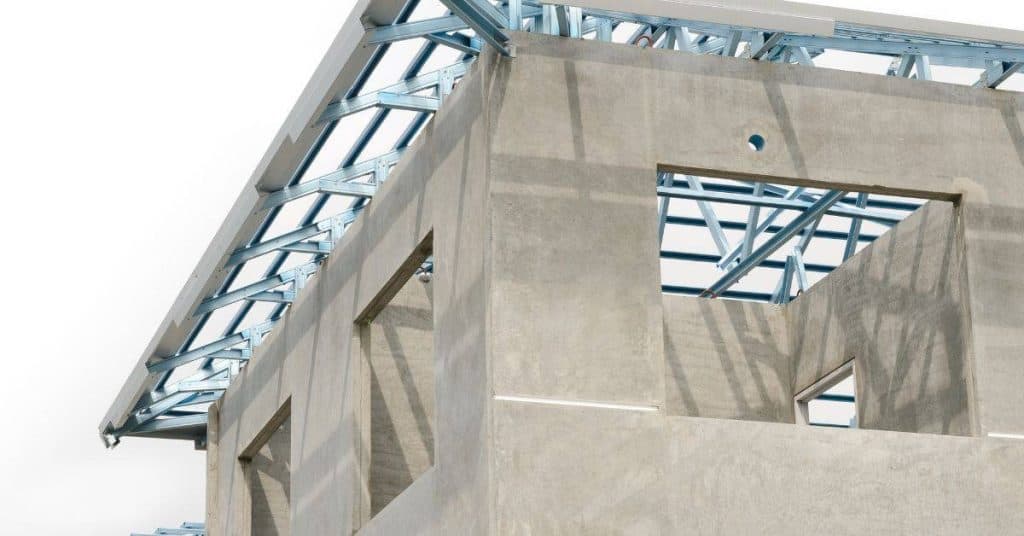
Precast concrete wall panels with metal roof framing

Interior Concrete Wall Efflorescence: Cleaning Without Driving Salts Deeper

Introduction Efflorescence is the chalky salt stain that forms on interior concrete walls when water carries soluble salts to the surface. It’s a surface phenomenon, not a stain from dirt, and it can reappear if moisture keeps moving through the wall. To clean it without driving salts deeper, use a light touch, rinse thoroughly, and

Interior Concrete Wall Efflorescence: Cleaning Without Driving Salts Deeper Read More »

Hands applying plaster with a trowel on wall

Clay Plaster Basics for Homeowners: Mixing, Application, and Crack Control

Introduction Clay plaster is a traditional, breathable finish made from clay and water that you apply to walls. It’s forgiving and doable for DIY projects when you work in small, manageable steps. Check the bag or supplier instructions for how to blend, the right water amount, and any additives. Apply in thin coats, letting each

Clay Plaster Basics for Homeowners: Mixing, Application, and Crack Control Read More »

Reinforcing mesh embedded in stucco corner near white wall

Stucco Corner Cracks at Windows: Mesh Layout That Actually Stops the Repeat Cracks

Introduction A proper mesh layout at window corners is a reinforcement plan that helps stop cracks from reappearing. It keeps the stucco from pulling away where the frame meets the opening. Check manufacturer instructions and local rules for acceptable mesh sizes and application methods. I lay out the mesh so it overlaps the corner edges

Stucco Corner Cracks at Windows: Mesh Layout That Actually Stops the Repeat Cracks Read More »

Old hammer and chisel on wood shavings covered surface

DIY Concrete Overlay Over Tile: When It’s Possible and the Bond-Breakers to Avoid

Introduction Yes, you can overlay concrete over tile if the tile is sound and properly prepared for bonding. Make sure the existing surface is firmly adhered and free of movement. If you’re unsure, check the manufacturer’s instructions or local rules before you start. Watch for bond-breakers like sealants, coatings, or residue that can prevent adhesion

DIY Concrete Overlay Over Tile: When It’s Possible and the Bond-Breakers to Avoid Read More »