Search Results for: Metal roofing repair caulk.

White stucco coated brick wall texture close-up

Stucco Control Joint Layout: Where They Belong and Why Random Cracks Follow Bad Layout

Introduction Control joints in stucco are deliberate gaps that guide where cracks will form, instead of letting random cracks run everywhere. They serve as a planned break for movement due to temperature, moisture, and framing shifts. Placement guidelines depend on factors like height, openings, and changes in plane; check manufacturer instructions for specifics. Use appropriate […]

Stucco Control Joint Layout: Where They Belong and Why Random Cracks Follow Bad Layout Read More »

Slate roof with metal flashing under golden sky

Window Head Flashing Behind Stucco: Drip Caps, End Dams, and How to Stop Head Leaks

Introduction Window head flashing behind stucco is a weatherproofing detail that directs water at the top of the window away from the opening. It often relies on drip caps, end dams, and proper sealing to shed water behind the stucco rather than into the wall. When you’re working, look for gaps, torn flashing, or loose

Window Head Flashing Behind Stucco: Drip Caps, End Dams, and How to Stop Head Leaks Read More »

wood block with nail sticking out on concrete surface

Stucco Wicking From Concrete: How to stop moisture at the transition

Introduction Stucco wicking from concrete is moisture drawn from the concrete into the stucco layer. It happens when the concrete surface stays damp and porous, pulling water into the plaster as it dries. That moisture can cause staining, peeling, or long-term damage if not addressed. To stop it at the transition, start with a dry,

Stucco Wicking From Concrete: How to stop moisture at the transition Read More »

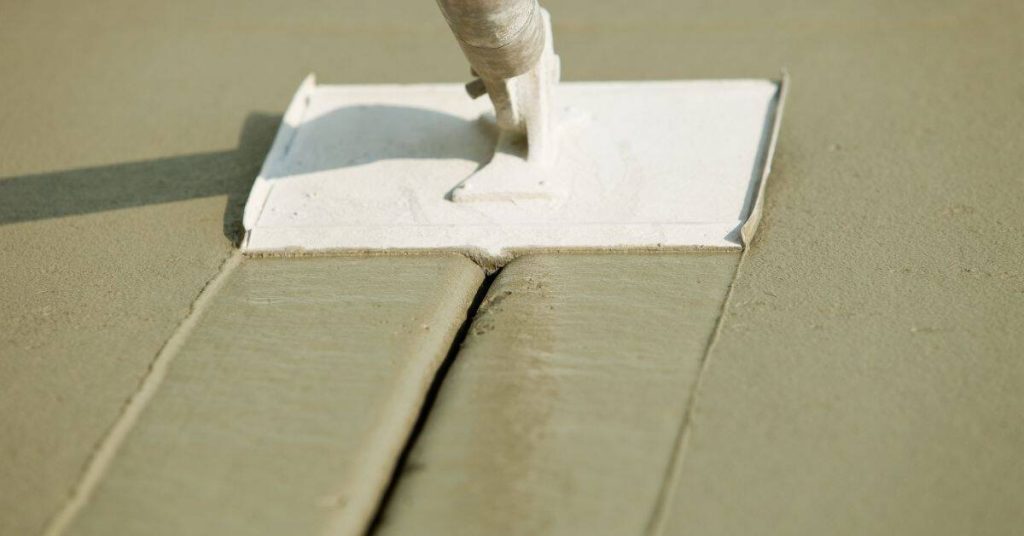
Tool smoothing fresh concrete expansion joint surface

Concrete Joint Sealant Depth: Backer rod sizing and tooling that stops peel-back

Introduction Backer rod sizing and proper tooling determine how deep the sealant sits and how well it resists peel-back. For DIY projects, match the rod to the joint width and choose tools that help you shape and cut the sealant cleanly. Check the joint surfaces and the manufacturer’s instructions for any minimums or recommendations. Weather

Concrete Joint Sealant Depth: Backer rod sizing and tooling that stops peel-back Read More »

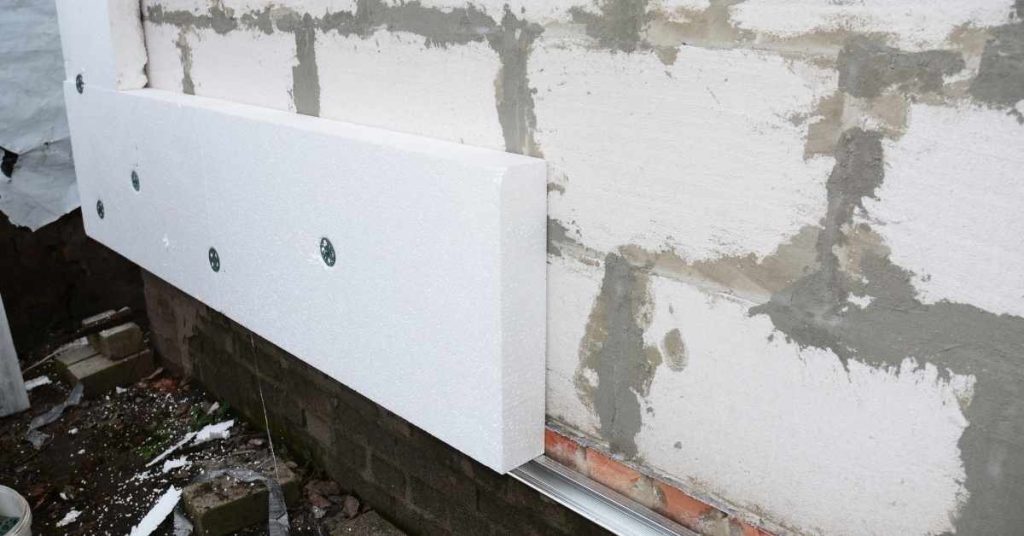
White EPS foam board attached to exterior masonry wall

Stucco at Rooflines: Fixing recurring leaks without relying on caulk alone

Introduction Fixing leaks at stucco rooflines means sealing and directing water so it doesn’t seep where the wall meets the roof. This job isn’t about slapping on caulk alone; you’ll often need proper flashing and surface prep to make a lasting fix. Approach it with a plan, check the manufacturer instructions for any products you

Stucco at Rooflines: Fixing recurring leaks without relying on caulk alone Read More »

Close-up of damaged stucco wall with peeling and exposed underlying layer

Stucco Damage From Gutter Overflow: Preventing splashback and staining

Introduction Gutter overflow splashback is water spilling over gutters that hits stucco and can cause staining, moisture intrusion, and damage over time. This DIY introduction shows a practical, hands-on way to prevent and address the issue. Keep in mind that you’ll want to work from safe heights and wear eye protection while inspecting the system.

Stucco Damage From Gutter Overflow: Preventing splashback and staining Read More »

Open can of white paint and scattered pastel color swatch cards

Caulk and Paint Compatibility: Choosing Paintable Sealants That Don’t Crack

Introduction Paintable sealant compatibility means choosing a caulk that will accept paint without cracking, pulling away, or staying tacky once cured. In plain terms: pick a sealant labeled paintable and match it to the paint type you plan to use, and check the manufacturer’s instructions and recommended drying time. For DIYers, that means buying the

Caulk and Paint Compatibility: Choosing Paintable Sealants That Don’t Crack Read More »

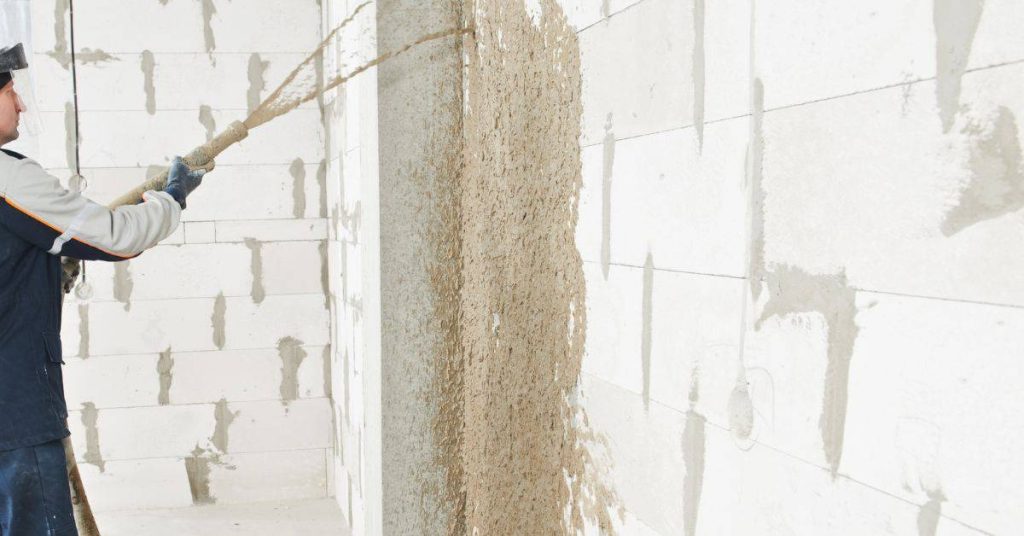
Worker spraying stucco onto concrete block wall

Stucco Over CMU Block: Bonding Agents, Scratch Keys, and Crack Control

Introduction Stucco over CMU block is a thin cement-based finish applied over masonry that needs a good bond, a proper scratch key, and planned crack control to last. Bonding agents, scratch coats, and reinforcement help the stucco grip the block and manage movement, but check product labels and local rules for compatibility and required curing

Stucco Over CMU Block: Bonding Agents, Scratch Keys, and Crack Control Read More »