Search Results for: HEPA vac

Person painting white window frame with brush

Painting over fresh plaster repairs: timing, pH issues, and primer selection

Introduction Painting Over Fresh Plaster Repairs Painting over fresh plaster involves applying paint to repaired plaster surfaces once they have cured sufficiently. This guide covers when to start painting after plaster repairs and what to check beforehand. Timing: Allow the plaster to cure according to its type and room conditions. Paint only when the surface […]

Painting over fresh plaster repairs: timing, pH issues, and primer selection Read More »
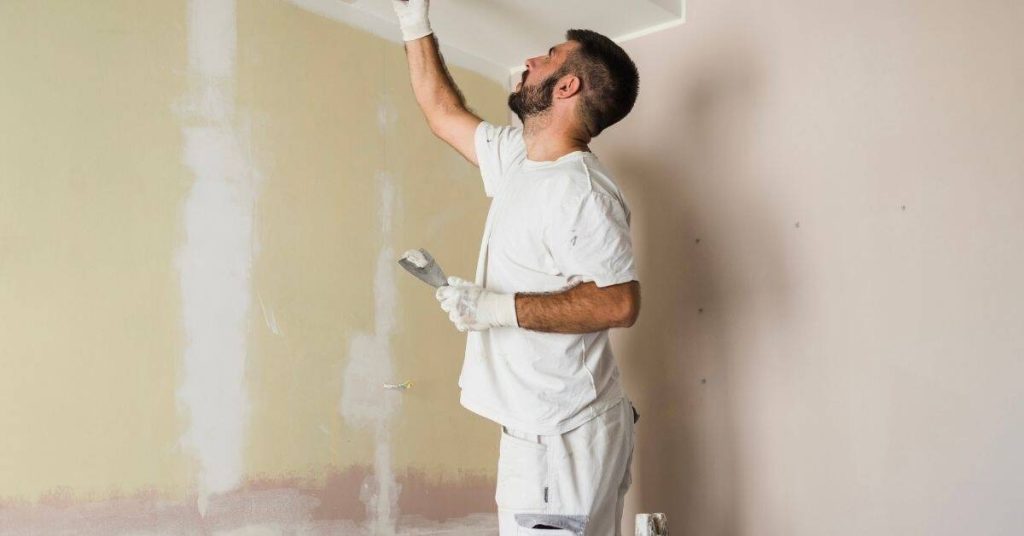
Man applying plaster patch to interior wall

Dealing with nail pops in plaster: anchoring lath and patching without craters

Introduction Nail pops in plaster are raised spots where the plaster separates from the underlying lath, signaling loose fasteners or movement. Identify each pop by feel and sight, and note how many and where it occurs. Fixing starts with reattaching the lath and securing the plaster to prevent future craters. To anchor the lath, locate

Dealing with nail pops in plaster: anchoring lath and patching without craters Read More »

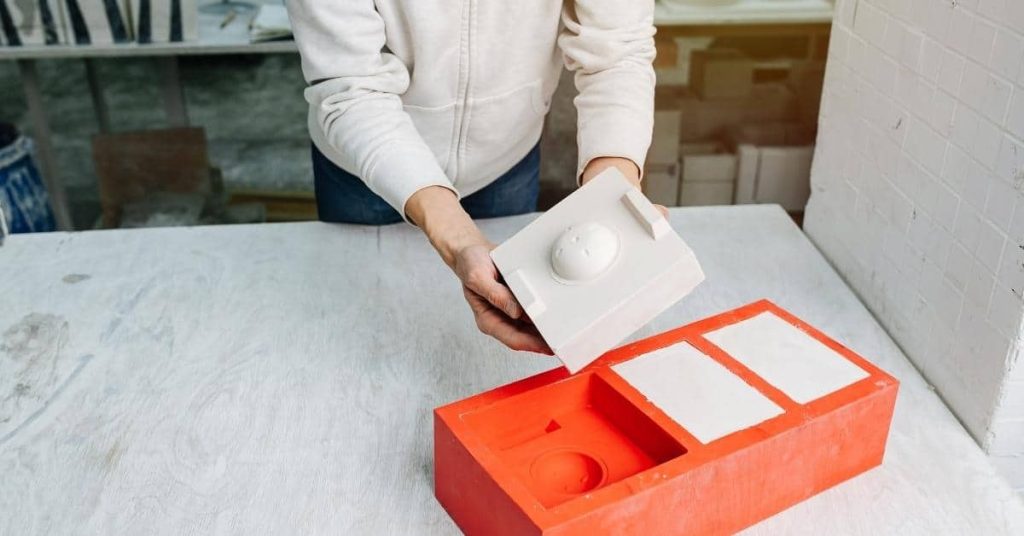
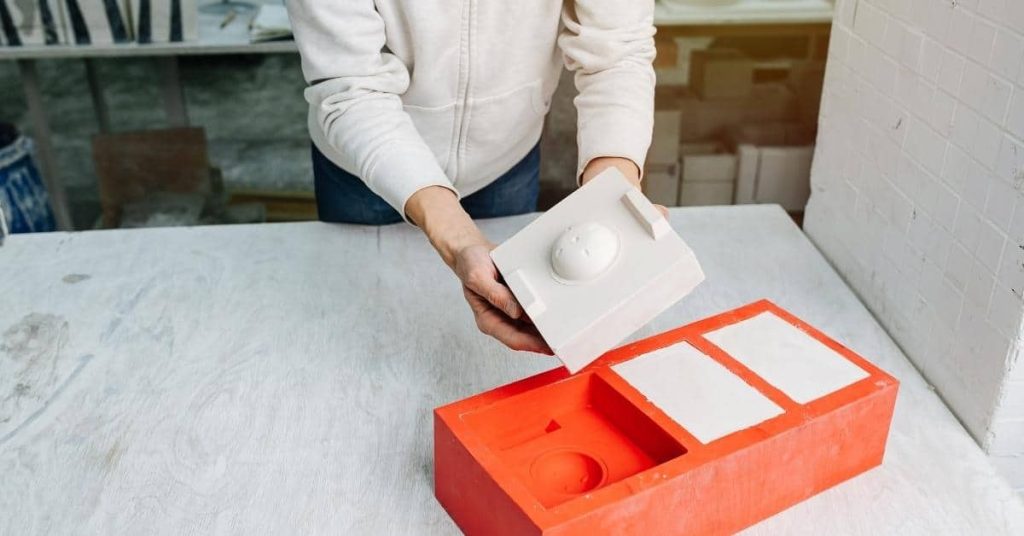
Person holding plaster mold over orange mold container on table

Mold on plaster surfaces: safe cleanup, moisture control, and repaint system choices

Introduction Visible mold on a small, accessible area of sound plaster can sometimes be cleaned carefully after the moisture source is fixed. Do not treat loose, bulging, crumbling, water-soaked, or detached plaster as an ordinary cleaning job. Those conditions can mean damage behind the finish and may require qualified assessment. Mold exposure can irritate the

Mold on plaster surfaces: safe cleanup, moisture control, and repaint system choices Read More »

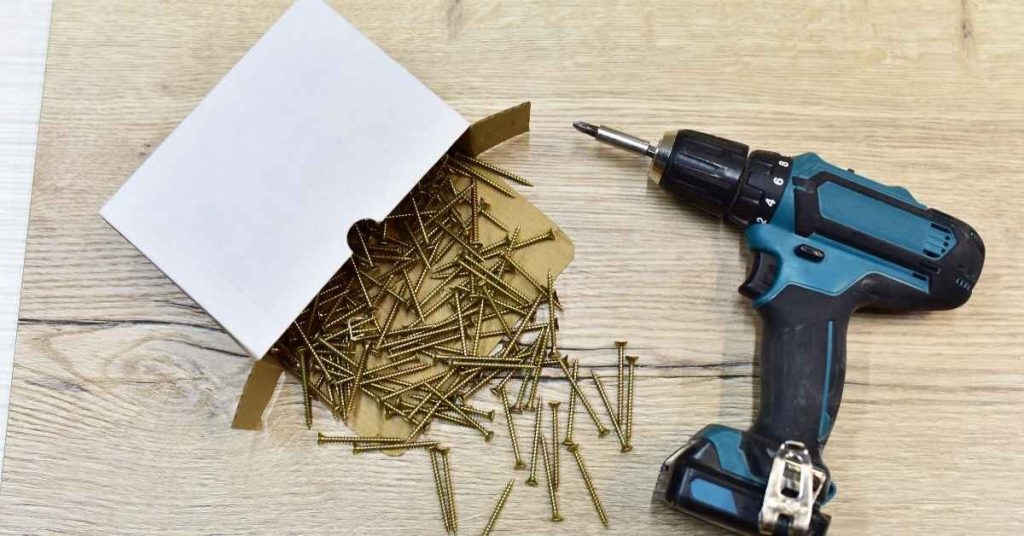
Cordless drill and scattered wood screws on wooden surface

Stabilising small plaster areas over wood lath: when spot washers are enough

Introduction Spot washers can stabilise small plaster areas over wood lath. This article explains a practical, hands‑on approach for assessing and addressing those loose patches. Keep the work simple and focused on local repairs rather than rebuilding whole walls. Evaluate the wall condition first to decide if spot washers alone will hold or if additional

Stabilising small plaster areas over wood lath: when spot washers are enough Read More »

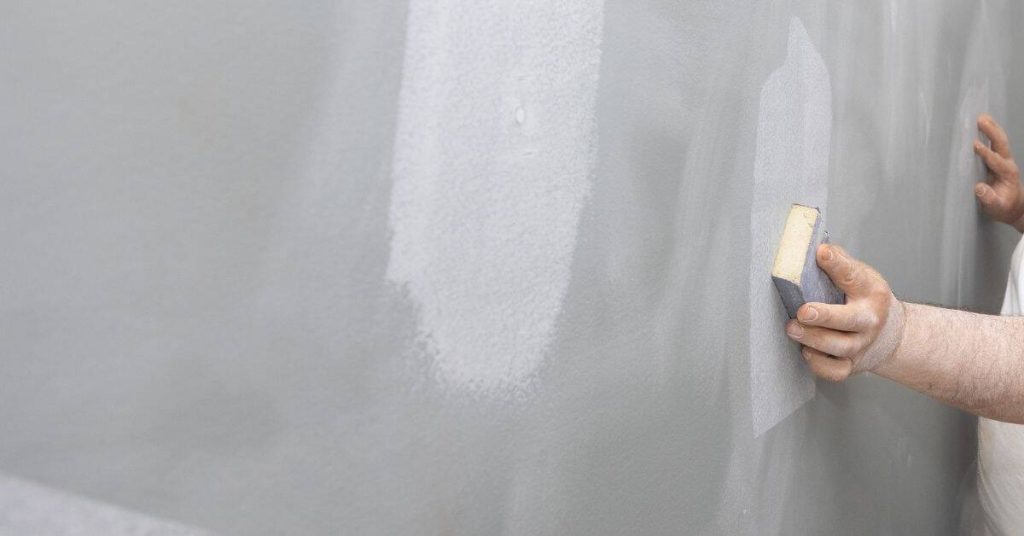
Hand applying sponge to textured plaster wall

Blending textures on old plaster walls: sand grading tricks and sponge timing

Introduction Blending textures on old plaster walls means smoothing uneven surfaces by using sand grading and sponge timing to achieve a cohesive finish. This article focuses on practical, hands-on steps you can follow in a DIY setting. You’ll balance texture retention with a softer final look while it remains within safe expectations for plaster repair.

Blending textures on old plaster walls: sand grading tricks and sponge timing Read More »

Stucco wall with three boarded openings and rust stains below

Tracking hidden metal in stucco: stopping rust stains from coming back after repairs

Introduction Tracking hidden metal in stucco is the process of locating metal components behind the stucco to prevent rust-related damage. Rust stains can reappear if metal isn’t found and treated. This introduction covers practical steps for checking, repairing, and preventing future issues. Techniques for detecting hidden metal include visual clues and non-destructive checks. Common causes

Tracking hidden metal in stucco: stopping rust stains from coming back after repairs Read More »

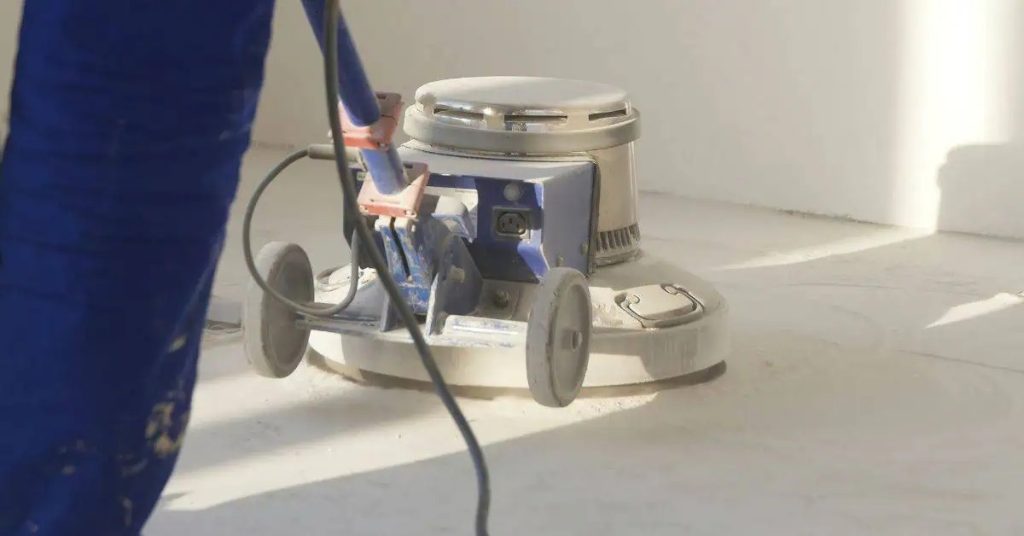
Concrete floor polishing machine on smooth concrete surface

Bonding new concrete to old work: scarify vs grind vs acid (and why acid often disappoints)

Introduction Scarify, grind, and acid are surface-prep methods used to promote bonding between new concrete and old work. Choosing the right method depends on the old surface condition and the project, and acid often disappoints if not applied carefully. This article explains practical choices in plain language and what to expect when you prep for

Bonding new concrete to old work: scarify vs grind vs acid (and why acid often disappoints) Read More »

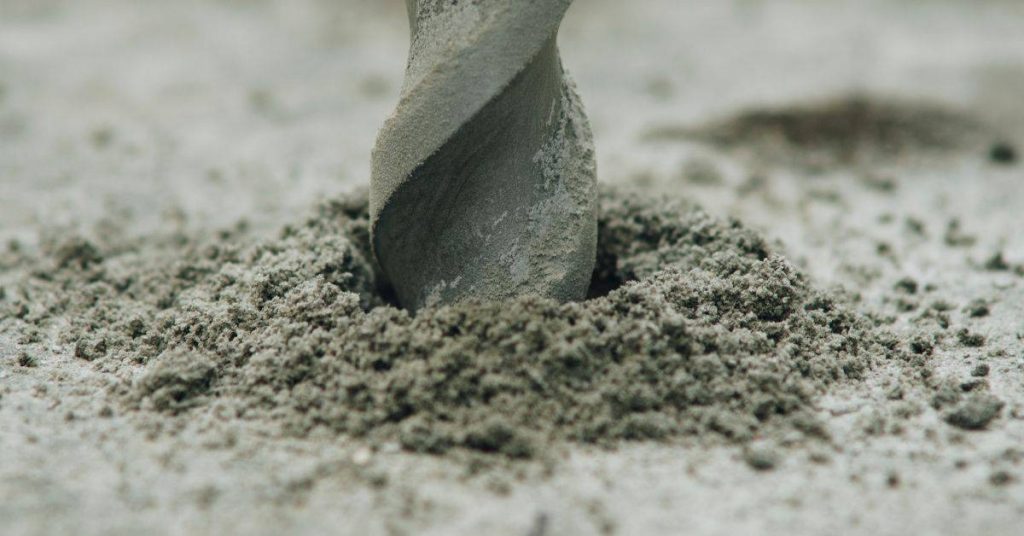
Close-up of a drill bit drilling into concrete with dust

Anchor Bolts in Concrete That Landed Wrong: Drill-and-Epoxy Fixes and Layout Prevention

Introduction If an anchor bolt landed wrong in concrete, drilling and epoxy can correct the install and restore holding strength. This hands-on guide walks through practical steps for re-anchoring and preventing misalignment when you’re handling pallet racks. You’ll learn how to evaluate the situation, choose a repair approach, and proceed safely on site. focus> Key

Anchor Bolts in Concrete That Landed Wrong: Drill-and-Epoxy Fixes and Layout Prevention Read More »

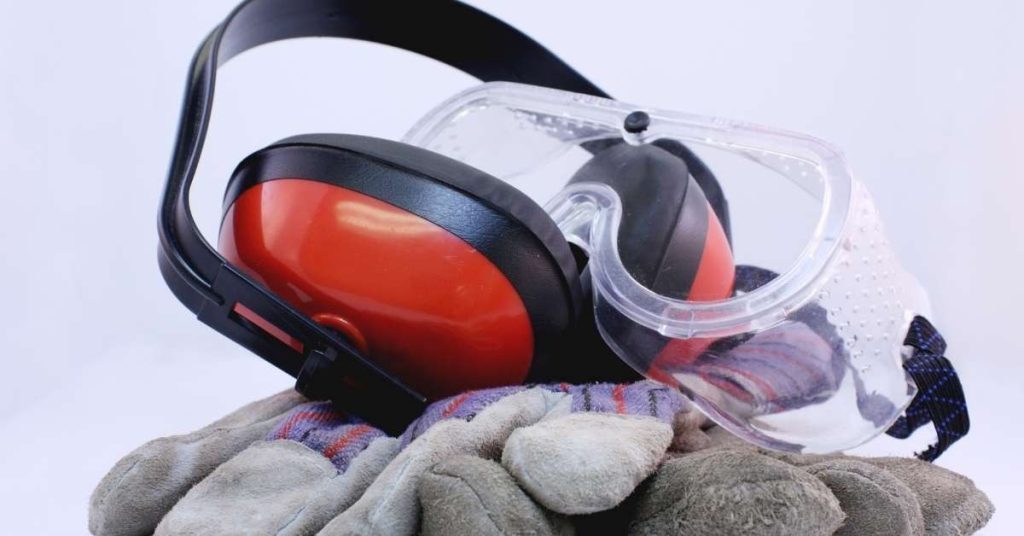
earmuffs safety glasses and work gloves on white background

Bonding to old work: scarify vs grind vs acid (and why acid often disappoints)

Introduction Scarify, grind, or acid etch are methods to roughen old concrete to improve bonding for new toppings. Scarifying uses a rotating drum or blade to chip away the surface and create a rough profile, while grinding removes material with a diamond blade to level the surface. Acid etching chemically bites into the surface but

Bonding to old work: scarify vs grind vs acid (and why acid often disappoints) Read More »