Search Results for: Finish

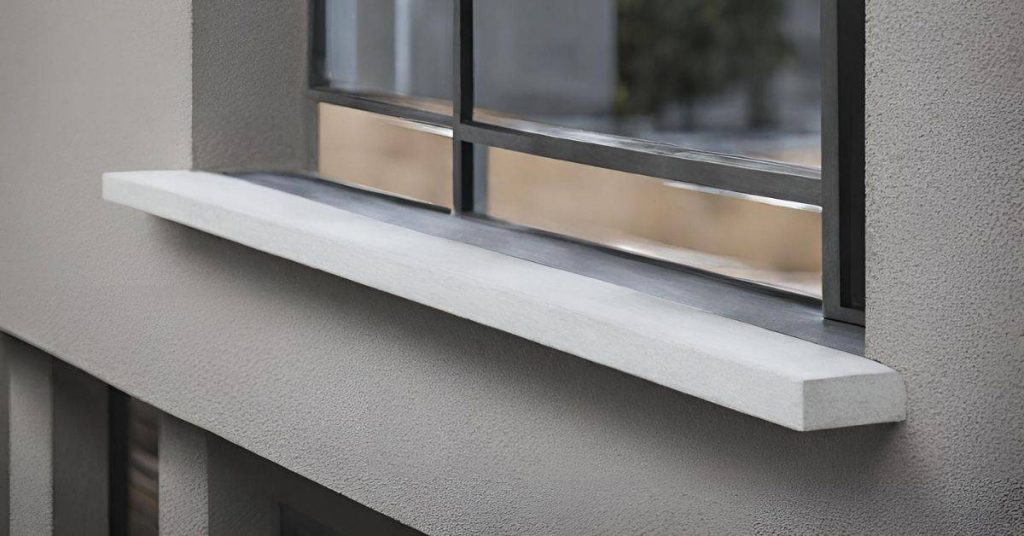
Close-up of a concrete window sill under a black metal-framed window

Concrete Overlay on Old Broom Finish: Step-by-Step Timeline and Duration Guide

Introduction Applying a concrete overlay to an old broom finish is a time-sensitive project that requires careful planning. Understanding the timeline and duration of each step is crucial for successful results. In this guide, we’ll break down the process into manageable steps, focusing on how long each task takes, so you can plan your project […]

Concrete Overlay on Old Broom Finish: Step-by-Step Timeline and Duration Guide Read More »

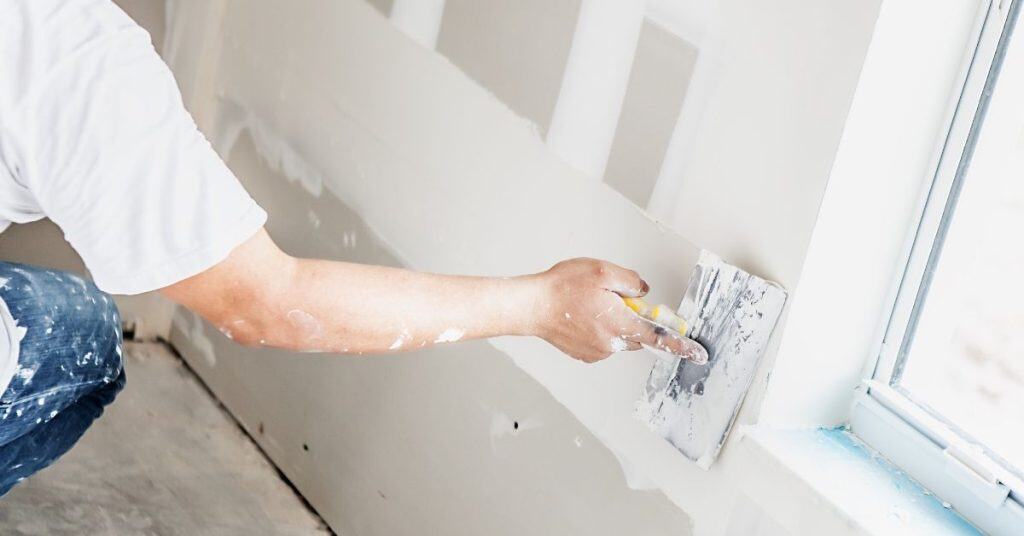
Person applying drywall joint compound near window

Choosing Plaster vs Joint Compound for Repairs: Durability, Sanding, and Paint Finish Differences

Introduction Plaster is a harder-setting wall finish made from cement- or gypsum-based mixes, while joint compound is a softer, gypsum-based product meant for taping and small repairs. For DIYers that means plaster will hold up better in high-traffic areas and where impact resistance matters, and joint compound is easier to apply and feather for small

Choosing Plaster vs Joint Compound for Repairs: Durability, Sanding, and Paint Finish Differences Read More »

Smooth light blue painted stucco wall surface

Stucco Blisters Under Finish Coat: Causes, Cutback Rules, and Rebuild Steps

Introduction Stucco blisters under the finish coat are pockets of trapped moisture or air beneath the surface layer that lift the finish and can lead to cracking or detachment. In plain jobsite terms, they usually mean water got into the wall system, the assembly dried poorly, or the underlying base or lath bond failed. I’ll

Stucco Blisters Under Finish Coat: Causes, Cutback Rules, and Rebuild Steps Read More »

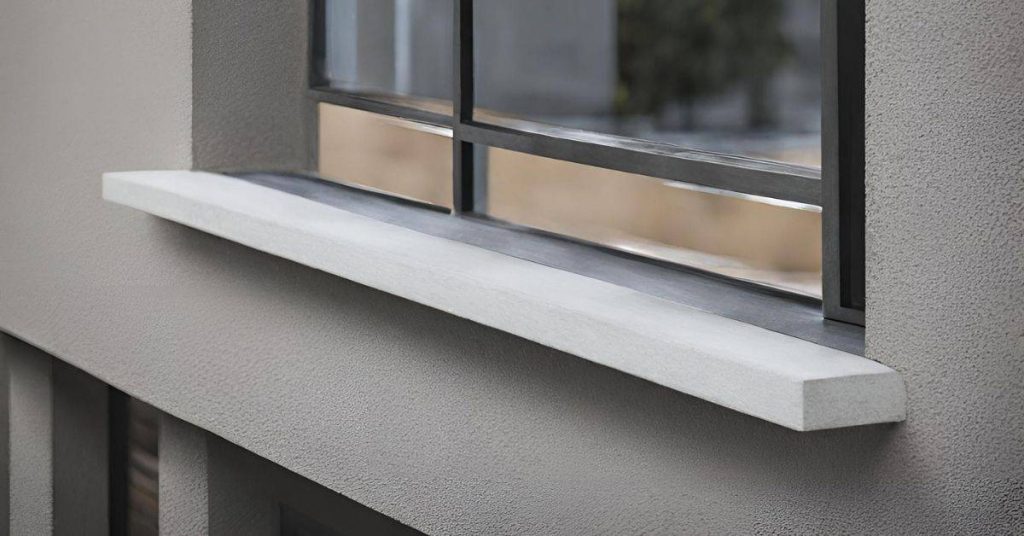
Smooth sandblasted concrete window sill beneath glass window

How to Match a Sandblasted Concrete Finish in a Small Repair

Introduction Matching a sandblasted concrete finish in a small repair means removing the same surface layer and recreating the texture and color so the patch blends with the surrounding slab. This requires cleaning and profiling the repair area, choosing a compatible repair mortar or topping, and using a light abrasive technique to mimic the sandblasted

How to Match a Sandblasted Concrete Finish in a Small Repair Read More »

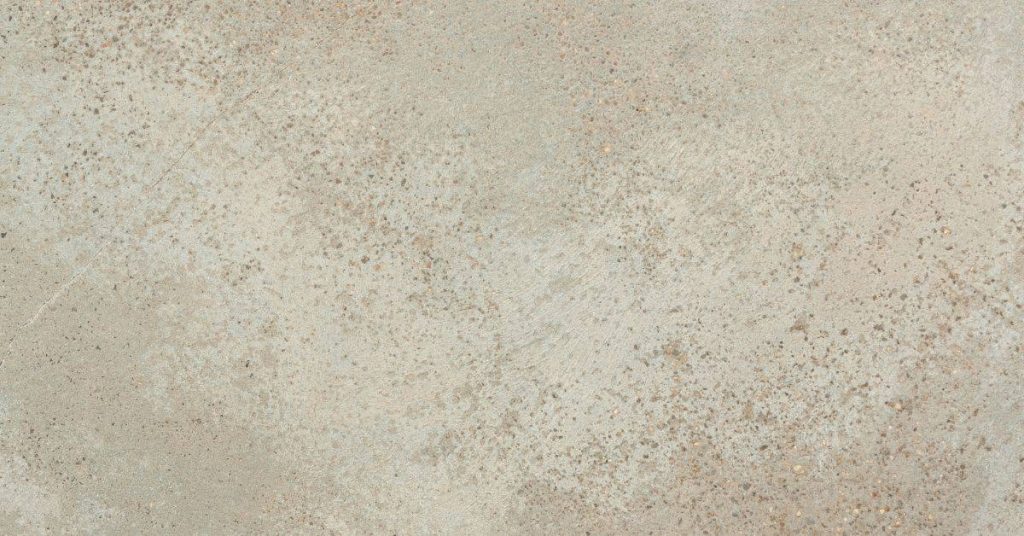
closeup of textured concrete surface with salt finish

Concrete Salt Finish Patching: How to Recreate the Texture Without Obvious Islands

Introduction Concrete salt finish patching is a way to match the coarse, pocked texture of an existing salt finish by embedding and removing salt or an aggregate substitute so the repair blends in. This job is hands-on: you clean and profile the old concrete, feather the repair edges, and match the mix and timing so

Concrete Salt Finish Patching: How to Recreate the Texture Without Obvious Islands Read More »

Hand smoothing plaster on wall with a trowel

Bull Floating vs Magnesium Floating: When Each Surface Is Better for Finishes

Introduction Bull floating uses a wide, rigid tool to flatten and level fresh concrete quickly while magnesium floating uses a lighter, textured board to work the surface finer; choose the tool that matches where you are in the finishing sequence and the look you want. In practice that means use a bull float early to

Bull Floating vs Magnesium Floating: When Each Surface Is Better for Finishes Read More »

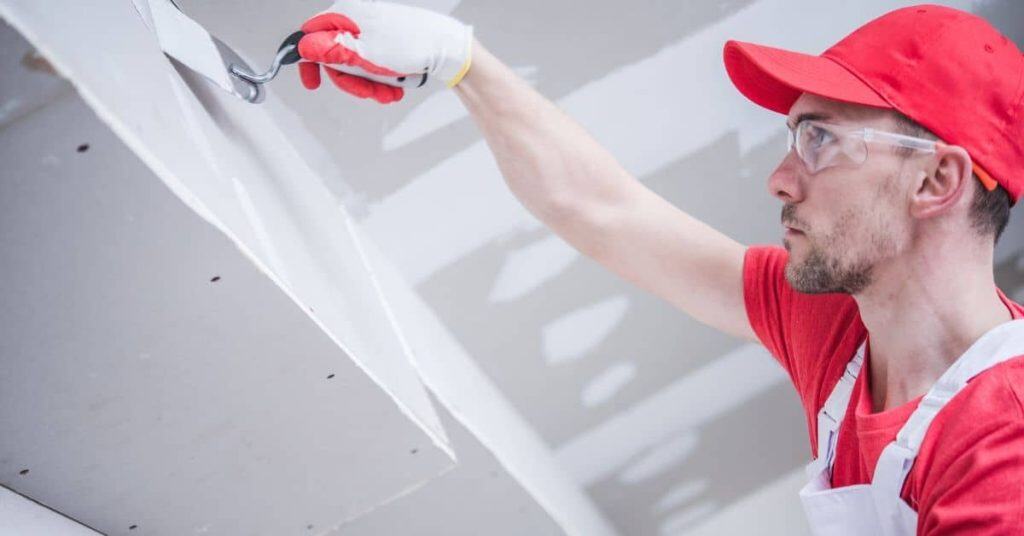
Man applying joint compound to drywall ceiling corners

Finishing Drywall Around Recessed Lights: Avoiding Rings, Cracks, and Shadowing

Introduction Finishing drywall around recessed lights means taping, mudding, and sanding careful edges so the lights sit cleanly in the ceiling. The goal is to avoid visible rings, hairline cracks, and shadow lines when the light is on. Check the fixture details and follow any manufacturer or local guidance rather than guessing. Feather the mud

Finishing Drywall Around Recessed Lights: Avoiding Rings, Cracks, and Shadowing Read More »

Blue ladder in room with patched and primed drywall walls

Setting-Type Mud vs. All-Purpose: Where Each Belongs in Repairs and Finishing

Introduction Setting-type mud is a drywall compound that dries harder for joints, while all-purpose mud is a versatile, faster-setting option for general repairs. In repairs and finishing, use setting-type where you need a strong, clean joint and sanding resistance; use all-purpose for quick fills and smooth coats. Think about the project timeline and surface when

Setting-Type Mud vs. All-Purpose: Where Each Belongs in Repairs and Finishing Read More »

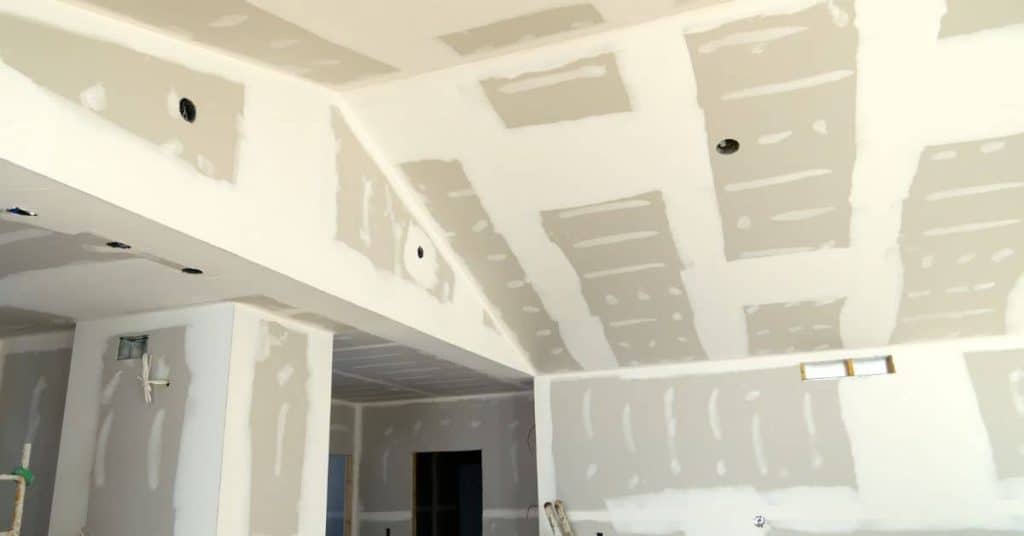
Unpainted drywall sheets with taped and mudded joints on ceiling and walls

Drywall Finishing in Cold Weather: Heater Placement, Dry Times, and Crack Prevention

Introduction Drywall finishing in cold weather means keeping mud workable and joints from cracking by managing heat and drying times. Aim for a steady, moderate temperature in the room and avoid drafts that slow drying. Check the mud you’re using for cold-weather guidance and follow the manufacturer’s instructions for working times. Position heaters to keep

Drywall Finishing in Cold Weather: Heater Placement, Dry Times, and Crack Prevention Read More »

Interior walls with unfinished drywall and visible joint compound

How to Finish Drywall Over OSB/Sheathing Interior Walls (Adhesion and Joint Strategy)

Introduction Finishing drywall over OSB means applying drywall to bare OSB sheathing with proper bonding, taping, and joint methods. Before you start, confirm the OSB is clean, dry, and reasonably flat and plan how you’ll attach the drywall. This approach centers on solid adhesion and clean joints without compromising the panel. Use the methods and

How to Finish Drywall Over OSB/Sheathing Interior Walls (Adhesion and Joint Strategy) Read More »